The landscape of Laserauftragschweißen (laser cladding) is evolving rapidly as industries seek innovative solutions for materials processing. According to the latest industry reports, the global laser cladding market is projected to grow at a CAGR of over 9% from 2023 to 2028. This growth indicates a robust demand for advanced manufacturing techniques that enhance durability and efficiency.
Laserauftragschweißen technology offers significant advantages such as improved surface hardness and wear resistance. These qualities are essential for industries ranging from aerospace to automotive. Moreover, the ability to repair and build up parts can lead to substantial cost savings. Early adopters have reported reductions in material waste by up to 30%. However, challenges such as equipment costs and the need for skilled operators remain pressing concerns.
In this dynamic environment, staying informed about the latest trends is crucial for global buyers. Emerging technologies in Laserauftragschweißen can redefine production processes and supply chains. As the market matures, it becomes imperative for stakeholders to assess both the opportunities and potential pitfalls associated with this cutting-edge technology.
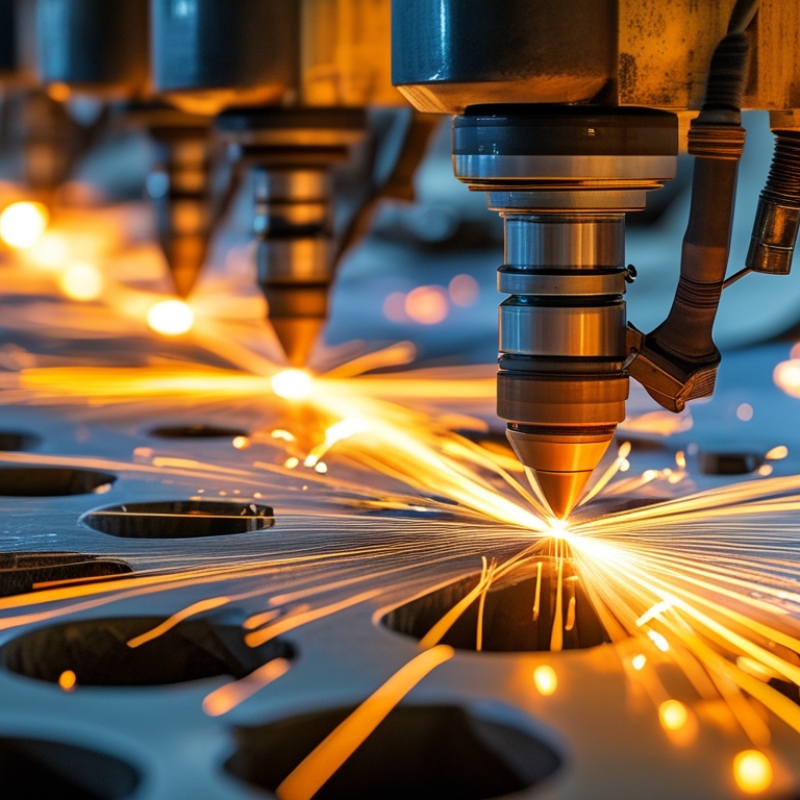
In 2026, the field of laser cladding is set to experience revolutionary changes driven by emerging technologies. Innovations such="advanced automation and artificial intelligence will enhance precision in the process. Machine learning algorithms could optimize parameters for better material deposition, resulting in higher quality finishes and reduced waste.
It's crucial to stay informed. Regularly attending industry seminars can provide insights into upcoming trends. Networking with experts can foster collaboration on new projects. These relationships may lead to a deeper understanding of the technology's evolving landscape.
Moreover, the integration of augmented reality is becoming more prominent. This technology can assist operators in real-time monitoring of the laser cladding process. However, teams need training to fully utilize these advanced systems. Ensuring that employees are proficient in these tools safeguards against potential mistakes that could arise from a lack of experience. Embracing these changes is essential for maintaining a competitive edge in the market.
The global market for laser cladding applications is poised for significant growth. By 2026, it is projected to reach a valuation of approximately $1.5 billion. This growth is driven by increasing demand for durable and corrosion-resistant materials across various industries. The aerospace, automotive, and manufacturing sectors are especially keen on laser cladding for its efficiency.
One of the standout trends is the focus on sustainable practices. Laser cladding minimizes waste while ensuring high material utilization. Reports indicate that companies using laser technology have seen a reduction in manufacturing footprints by up to 30%. This improves both productivity and environmental sustainability, addressing the industry's pressing need for eco-friendly solutions.
However, challenges still exist. The initial investment cost for laser cladding equipment can be high. This deters smaller enterprises from adopting the technology. Additionally, the requirement for skilled operators can be a barrier. Companies must invest in training programs to optimize their processes. This investment in human capital is crucial for leveraging the potential of laser cladding effectively.
The landscape of laser contract welding is rapidly evolving. Recent advancements in laser systems focus on enhancing precision and efficiency. These innovations enable manufacturers to achieve finer tolerances than ever before. As a result, complex geometries can be welded with minimal distortion. This is a significant leap for industries demanding high-quality outputs.
New techniques in beam shaping are also gaining traction. By controlling laser intensity and focus, welders can customize their approach. This flexibility allows for better heat management during the welding process. However, the learning curve can be steep. Welding operators must adapt to these advanced processes, which might pose challenges in skills training.
Moreover, integrating automation with laser welding systems presents both opportunities and obstacles. While automation improves consistency, it can also lead to decreased flexibility. Operators may find themselves grappling with unexpected issues. Balancing innovation and operator skill development is essential for success in this evolving market. Understanding these trends will help global buyers make informed decisions.
In 2026, the key trends in laser cladding technology indicate a significant shift towards advanced systems and techniques that enhance precision. The following chart illustrates the anticipated growth in various application areas of laser cladding.
Sustainability is reshaping the landscape of laser cladding technology. Companies increasingly prioritize eco-friendly practices. The need to reduce waste and energy consumption drives innovation. Organizations explore new materials that are recyclable and less harmful. This shift aids in minimizing the environmental footprint of laser cladding processes.
Implementing energy-efficient systems has its challenges. While many seek to adopt these technologies, the upfront costs can be daunting. Additionally, the transition to sustainable practices requires skilled expertise. Training employees on new techniques can take time and resources.
Moreover, industry standards are evolving rapidly. Companies must stay informed to comply with regulations. A lack of updates can lead to inefficiencies and potential penalties. It is essential to find a balance between innovation and regulatory obligations. This requires ongoing commitment from all stakeholders. Collaborating across sectors may help to share knowledge and best practices.
| Trend | Description | Impact on Sustainability | Expected Adoption Rate (%) |
|---|---|---|---|
| Recycling of Materials | Incorporating recycled materials into the laser cladding process to reduce waste. | Minimizes raw material usage and environmental impact. | 70% |
| Energy Efficiency Improvements | Adopting more energy-efficient lasers and processes to reduce energy consumption. | Lower carbon footprint associated with machining processes. | 65% |
| Integration of AI and Automation | Utilizing AI for process optimization and predictive maintenance in laser systems. | Enhances efficiency and reduces waste through better resource management. | 60% |
| Development of Biodegradable Materials | Creating and using biodegradable materials in laser cladding for eco-friendly applications. | Reduces pollution and supports circular economy principles. | 55% |
| Customization through Additive Manufacturing | Using laser technologies to customize products on demand, minimizing excess production. | Decreases waste from overproduction and aligns with customer demand. | 75% |
Laser cladding is gaining traction across various key industries. It has become a vital technology for sectors like aerospace and automotive. These industries require high-performance materials to ensure durability and efficiency. Companies are increasingly adopting laser cladding for enhancing surface properties. This allows for better wear resistance and corrosion protection.
In the energy sector, laser cladding solutions are being used to repair and maintain critical components. Power generation equipment benefits from this technology. It extends the lifespan of costly infrastructures. However, challenges remain in achieving uniform coating thickness and performance consistency. Ensuring quality control throughout the process is essential and requires constant evaluation.
The medical equipment industry also sees potential in laser cladding. The technology can enhance the surface finish of surgical instruments. This improvement aids in reducing bacterial growth and improving patient safety. As industries adopt these advanced techniques, they must continuously assess their effectiveness and reliability. Embracing innovation can lead to significant competitive advantages but needs careful implementation.
: Sustainability is a key trend. Companies focus on eco-friendly practices. Reducing waste and energy consumption drives this innovation.
Upfront costs can be high. Transitioning to sustainable practices requires skilled expertise. Training employees takes time and resources.
Industry standards are evolving rapidly. Companies must stay informed to comply with regulations. A lack of updates can cause inefficiencies.
Aerospace and automotive industries are leading adopters. They need high-performance materials for durability and efficiency.
It repairs and maintains critical components. This technology extends the lifespan of expensive infrastructures.
Achieving uniform coating thickness can be difficult. Performance consistency is another challenge that requires constant evaluation.
It enhances the surface finish of surgical instruments. This improvement helps reduce bacterial growth and boosts patient safety.
Collaborating across sectors helps share knowledge and best practices. It supports the balance between innovation and regulatory obligations.
Implementation needs careful planning. Continuous assessment of effectiveness and reliability is necessary to avoid shortcomings.
It minimizes environmental footprints. Companies are exploring new, recyclable materials and less harmful options for better practices.
The article "2026 Top Trends in Laserauftragschweißen for Global Buyers" explores the significant advancements and emerging technologies shaping the landscape of laser cladding applications in the coming years. It highlights the growing market projections for laserauftragschweißen, driven by enhanced precision in laser systems and techniques that cater to diverse industrial needs. The focus on sustainability is also emphasized, showcasing how innovative practices are paving the way for environmentally friendly solutions within the laser cladding sector.
Furthermore, the article identifies key industries that are increasingly adopting laserauftragschweißen solutions globally, reflecting a broader trend towards integration of advanced manufacturing technologies. As these trends evolve, they promise to redefine operational efficiencies and foster growth opportunities within the global market, positioning laserauftragschweißen as a pivotal element in future manufacturing processes.

Duomu