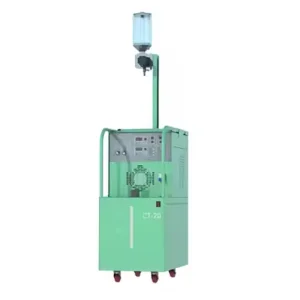
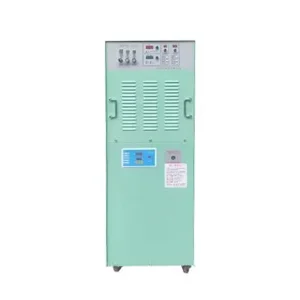
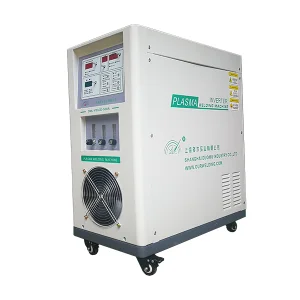
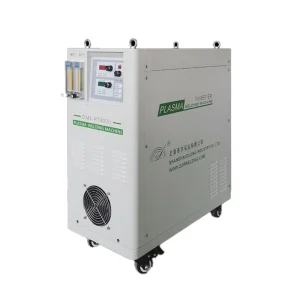
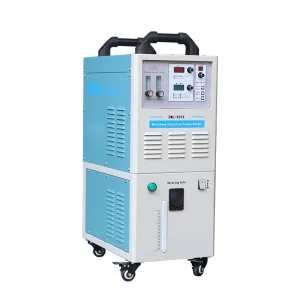
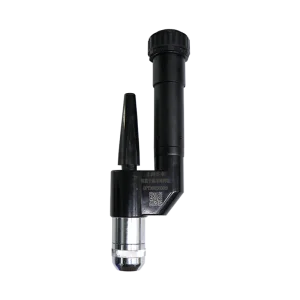
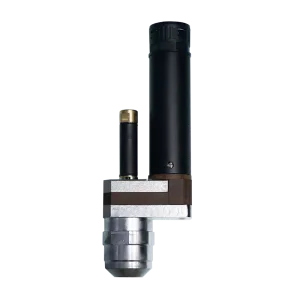
Explore our heavy-duty automated hardfacing and custom cladding systems configured for global factories.
In today's highly demanding industrial landscape, structural materials face extreme challenges including severe abrasive wear, extreme chemical corrosion, high thermal stress, and erosion. A specialized laser cladding factory represents the peak of modern surface modification and remanufacturing engineering. By utilizing high-power density laser beams to melt a filler material (alloy powder or wire) along with a thin surface layer of the base metal, factories can produce high-performance coatings that are metallurgically bonded with the substrate.
Unlike traditional thermal spraying or hard chrome plating methods, laser cladding yields exceptionally low dilution rates and minimal heat-affected zones (HAZ). This guarantees that the original substrate retains its mechanical properties while the surface layer acquires superior corrosion, wear, and high-temperature resistance. Global manufacturing hubs are rapidly transitioning to laser cladding to improve machine tool longevity, decrease carbon footprints via remanufacturing, and ensure uninterrupted operations in heavy industries.
A deep dive into how different regions utilize advanced cladding and PTA technologies to optimize operational expenditure.
In developed economies, the commercial demand for cladding focuses on the aerospace defense, power generation, and offshore oil exploration markets. Due to strict environmental regulations on Hexavalent Chromium (Cr6+) plating, laser cladding is the direct substitute for wear-resistant components in hydraulic cylinders, marine valves, and industrial turbine shafts.
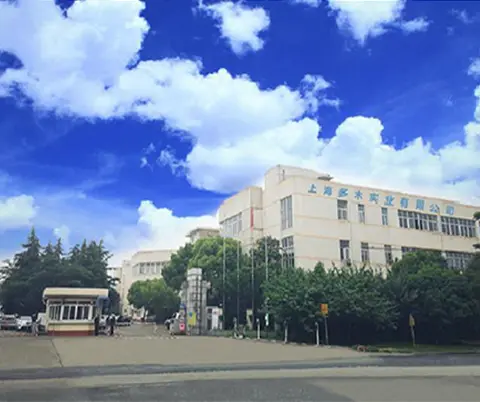
China has established itself as the global hub for laser cladding equipment manufacturing. With a complete local supply chain for high-power diode lasers, fiber lasers, multi-axis gantry robots, and high-purity metallurgical powders, Chinese factories like Shanghai Duomu can construct and export robust, customized cladding systems with unmatched cost-to-performance ratios.
Regions with massive resource extraction and agricultural footprints, such as South America, Southeast Asia, and Australia, face extreme mechanical wear challenges. The focus here is on mobile, portable laser cladding systems and automated PTA (Plasma Transferred Arc) equipment for on-site repairs of mining picks, conveyor screws, and large agricultural tines.
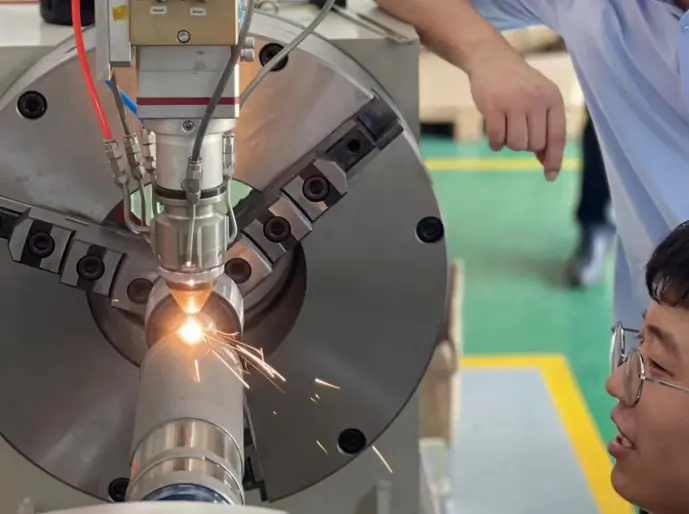
At Shanghai Duomu, our independent R&D department is continuously improving the operational efficiency and reliability of plasma and laser cladding systems. The core goal of our engineering team is to provide systems that maintain stable performance and support uninterrupted, long-term operations in industrial manufacturing environments.
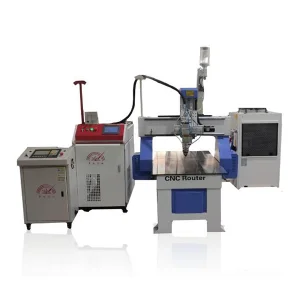
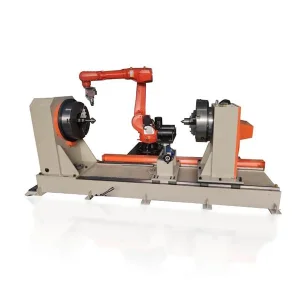
Our solutions cater directly to large-scale remanufacturing projects. The integration of high-precision CNC controllers, multi-axis robotic arms, and high-accuracy powder feeding nozzles ensures that our equipment deposits precise coatings with negligible dilution. Furthermore, we develop complete, tailor-made industrial equipment solutions, matching appropriate laser wavelengths and shielding gas designs to specific metallurgy requirements.
Shanghai Duomu's products have penetrated into many crucial fields, providing high-wear and corrosion-resistant solutions.

Hardfacing subsoiler parts, rotary tines, and harvester blades to extend lifespan in sandy soils.

Refurbishing turbine blades, landing gear, and defense equipment utilizing superalloys.
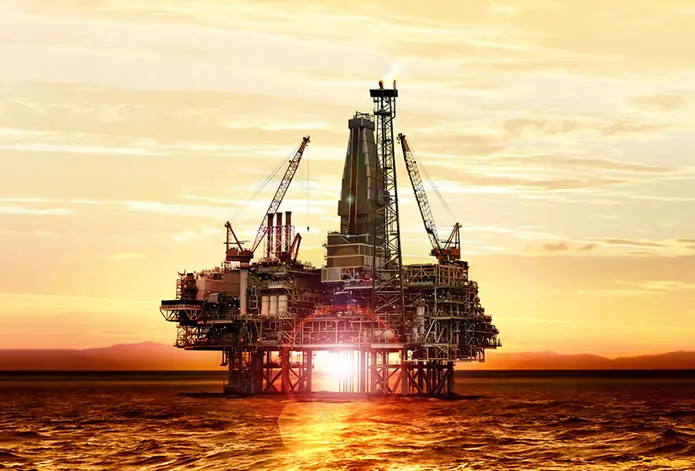
Coating drill collars, stabilizers, and mud motor rotors exposed to abrasive slurries.
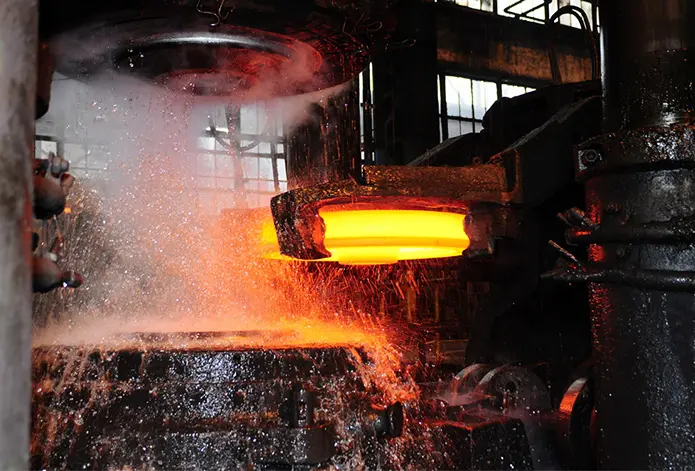
Protecting continuous casting rollers, guides, and extrusion dies from high thermal wear.
Combining the high efficiency of China-based production with rigorous European quality standards.
By leveraging China's robust optics and structural steel industrial clusters, Shanghai Duomu delivers laser cladding machinery with up to 45% reduction in capital expenditure (CAPEX) compared to Western equivalents. These savings allow global factories to achieve a shorter return on investment (ROI) on remanufacturing machinery.
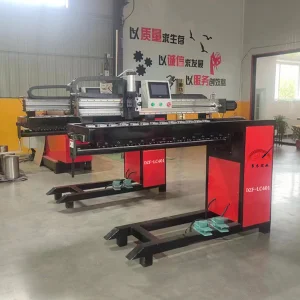
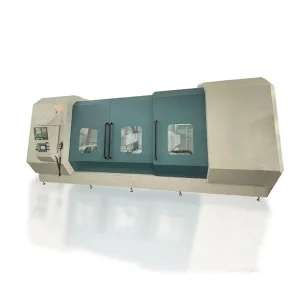
Every industrial wear problem requires a unique metallurgical approach. We custom-build equipment layouts, including vertical and horizontal rotation axes, automated gantries, specialized powder feeders, and bespoke robotic programming, to meet your specific factory floor configurations.
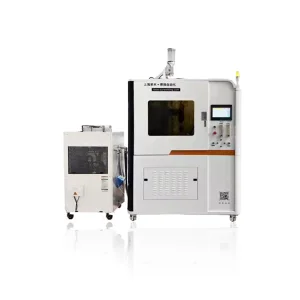
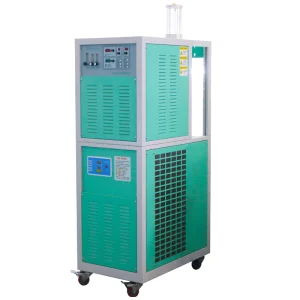
We do not just ship components. We provide fully integrated systems including fiber laser sources, dual-drum powder feeders, specialized cladding heads, chillers, and CNC cabinets, along with complete operating instructions, process parameter databases, and technical guidance.
In surface remanufacturing, achieving an optimal coating is not only about selecting the right alloy powder or optimizing basic speed settings. The single most critical metric that directly controls overlay performance is the dilution rate. Dilution measures how much the melted base metal mixes with the cladding powder layer. Excessive dilution degrades the properties of the expensive overlay material, whereas insufficient dilution results in poor metallurgical bonding.
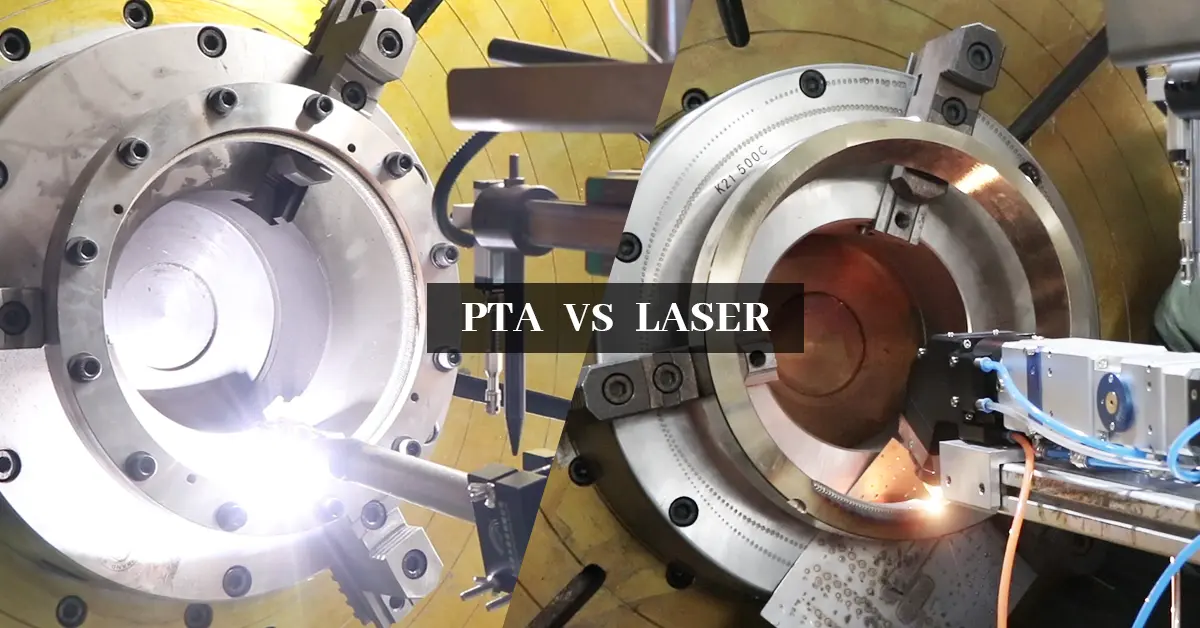
Our laser cladding machines and PTA (Plasma Transferred Arc) systems are specifically engineered to keep substrate dilution under 5% (and under 1% in high-speed configurations). This is achieved through ultra-precise energy distribution and optimized powder feeding dynamics. Consequently, industrial valves, mining tools, and hydraulic cylinders coated using our machines display outstanding wear and corrosion protection directly from the first deposited layer.
Industrial valves in oil, gas, and chemical processing plants work under high pressures, extreme temperatures, and corrosive media. Traditional manual rod welding of Cobalt-based alloys is slow and prone to defects. Automated PTA and Laser Cladding of valve seats provide high deposition rates, smooth surface finishes, and zero-defect zones, drastically reducing machining post-weld.
Screw conveyors in mining, cement, and bio-energy plants suffer from severe abrasive wear, causing unplanned production downtime. Applying a tungsten carbide (WC-Ni) composite layer using our automated systems increases screw life by 300% to 500% compared to standard carbon steel alternatives, saving thousands of dollars in maintenance expenses.
Key metallurgical and logistics questions answered by our expert technical engineering team.
While both processes produce high-quality metallurgical bonds, they differ in energy density and heat input. Laser cladding utilizes a highly focused monochromatic light beam, resulting in minimal heat input, exceptionally small heat-affected zones (HAZ), and very low dilution rates (typically <2%). PTA uses a plasma arc, which has a higher heat input and slightly higher dilution (3-8%) but offers significantly higher powder deposition rates, making it highly cost-effective for larger components and thicker overlays.
Hard chrome plating is a galvanic process that produces thin, brittle coatings containing microscopic cracks, which can easily peel under heavy impacts. It also produces Hexavalent Chromium (Cr6+), which is a hazardous substance subject to severe environmental regulations. Laser cladding forms a dense, crack-free, metallurgically bonded layer that is highly wear-resistant, environmentally friendly, and can be applied in thicknesses up to several millimeters.
Yes, we design specialized optical ID cladding heads. These heads can slide deep inside industrial pipes, cylinders, and valve bores (with diameters down to 80mm) to deposit wear-resistant or anti-corrosive alloys directly onto the inner surfaces.
Our systems work with a wide range of spherical metallurgical powders, including iron-based alloys (for cost-effective wear resistance), nickel-based alloys (for corrosion and heat resistance), cobalt-based alloys (Stellite equivalents for metal-on-metal wear), and tungsten carbide composite powders (for extreme abrasive wear).
We provide full English technical documentation, pre-configured process parameter databases, and digital training modules. For installation, our engineers can offer remote video guidance or on-site commissioning and process optimization to ensure that your factory operators can run the machine at peak efficiency.
From portable cladding packages to multi-axis gantry robots, explore our advanced surface engineering products.
Detailed reports and feedback from heavy industry engineers using Shanghai Duomu cladding technology.
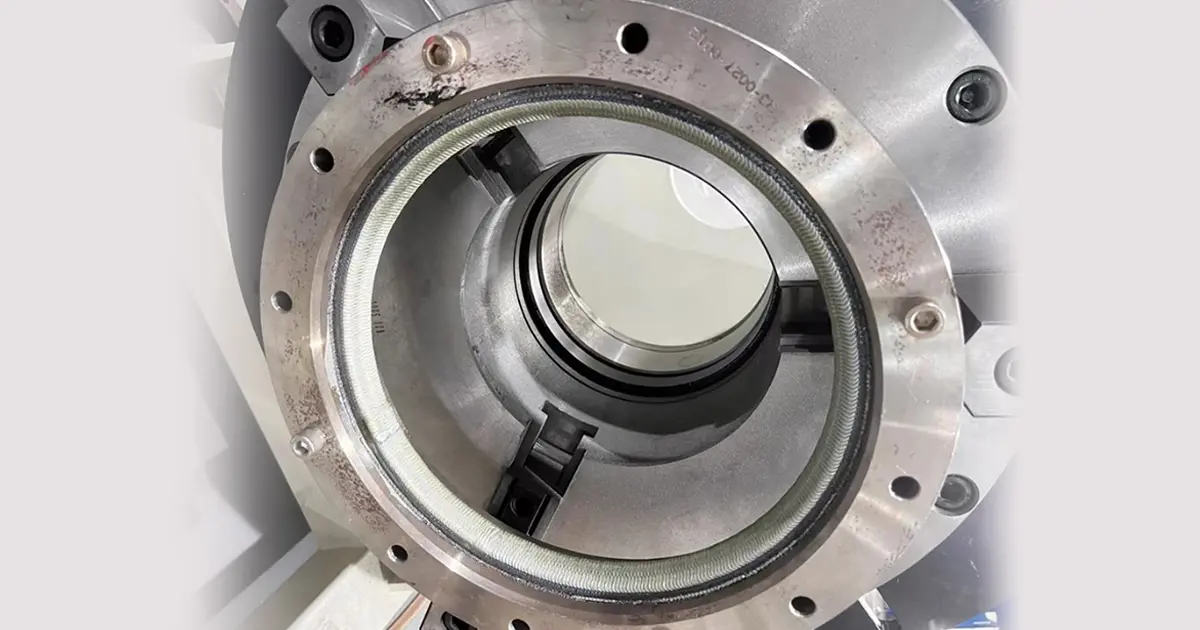
The PTA Welding Valve Application Guide is not just a process choice for valve manufacturers facing high wear, high corrosion, and high-temperature erosion working conditions, but also a key path to improving product competitiveness. Our automated welding systems enable rapid processing and lower dilution rates on critical seal rings.
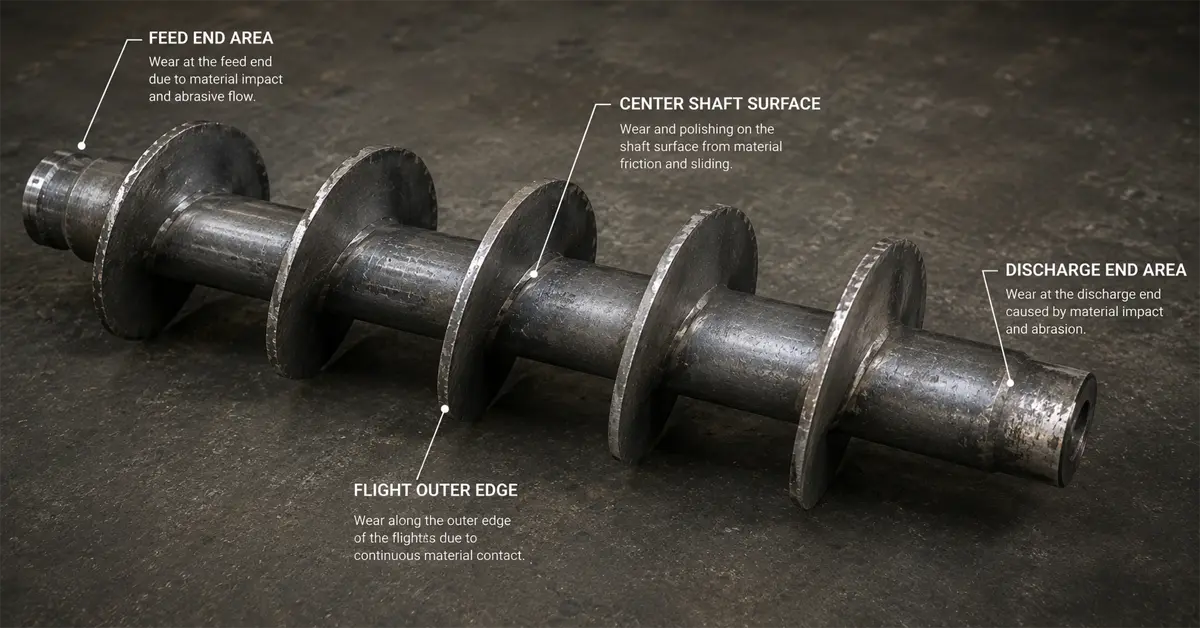
In industries such as mining, cement, power generation, steelmaking, chemical processing, and biomass energy, screw conveyors are often regarded as auxiliary equipment. However, maintenance data shows that they are among the most frequent causes of unplanned production downtime. Standardizing cladding overlays on flight edges protects against critical failure modes.
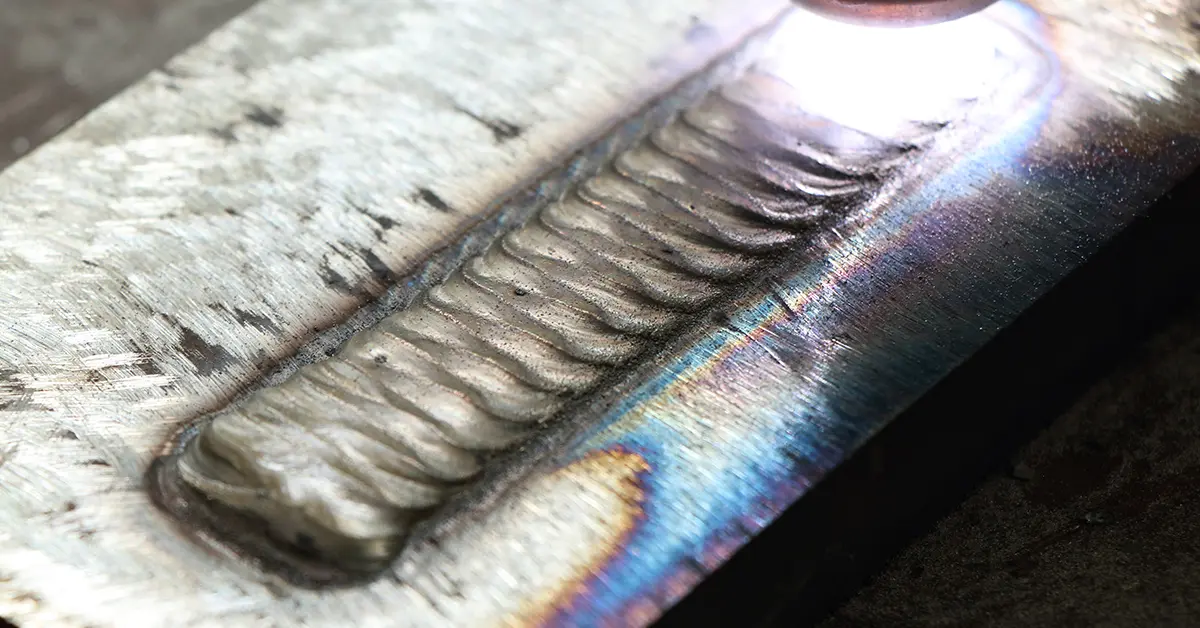
In Plasma Transferred Arc (PTA) hardfacing, achieving a high-quality overlay is not only about selecting the right alloy powder or optimizing welding parameters. One of the most critical factors that directly affects overlay performance is the dilution rate. Minimizing iron dilution when deposition Stellite alloys guarantees high chemical integrity.
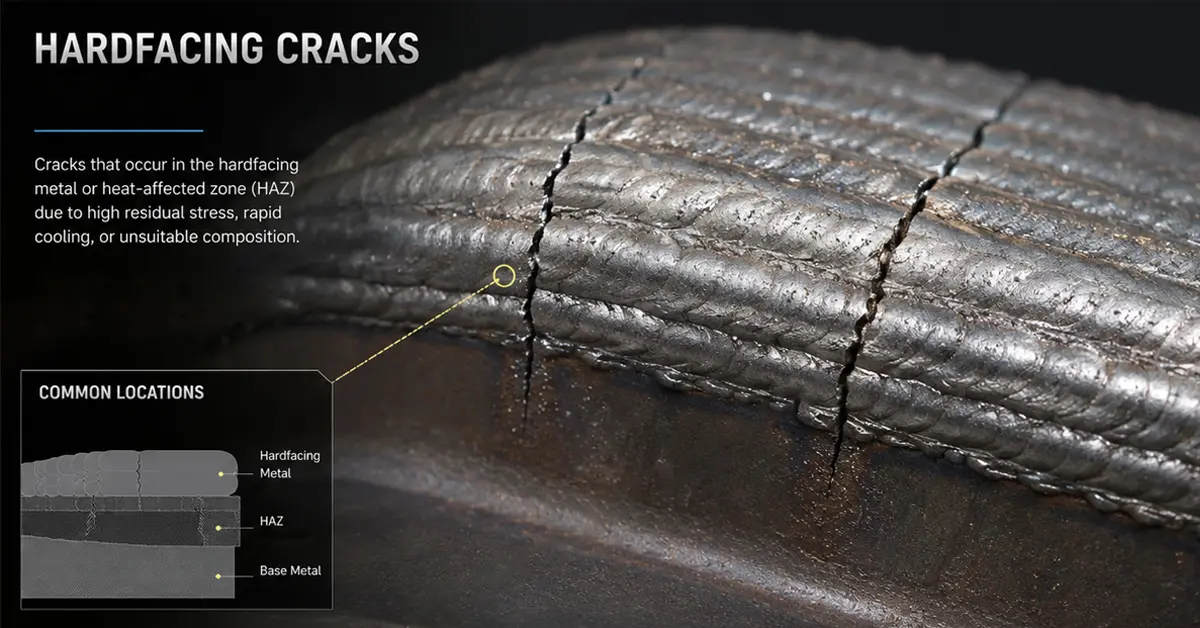
In industries such as Oil & Gas, Mining, Power Generation, Cement, and Heavy Equipment Manufacturing, hardfacing is no longer just a repair process. It has become a critical technology directly related to equipment lifespan, downtime costs, maintenance frequency, and overall productivity, making automated deposition systems a necessity.
In industries such as oil & gas, petrochemical, power generation, mining, and marine engineering, industrial valves are constantly exposed to severe operating conditions including: High pressure, Extreme temperatures, Corrosive media, Abrasive wear, and Sand erosion. Laser cladding guarantees maximum durability.
For inquiries about our laser cladding equipment, customizable system integration, or detailed price lists, please send us your requirements. Our technical sales team will analyze your application specifications and get in touch within 24 hours.
Request a Technical Proposal







 Duomu
Duomu