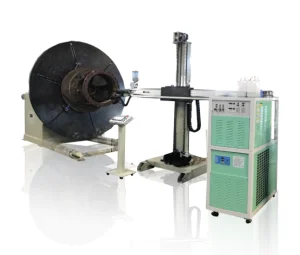
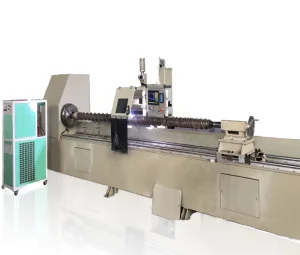
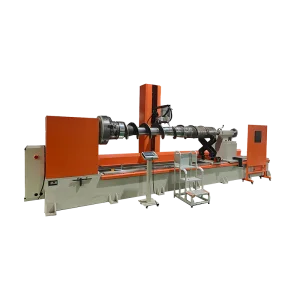
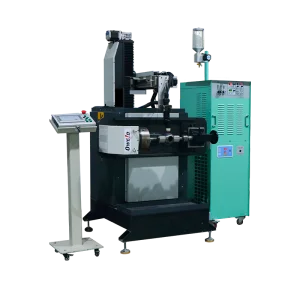
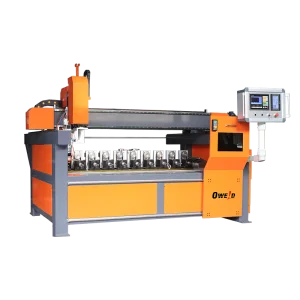
Explore our precision-engineered, heavy-duty industrial systems optimized for extreme wear resistance, metallurgical bonding, and intelligent production lines.
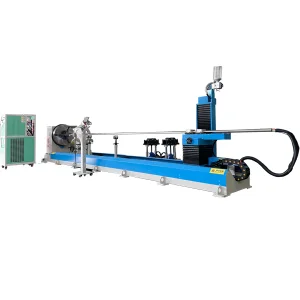
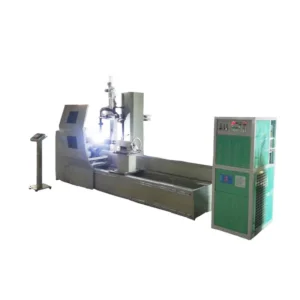
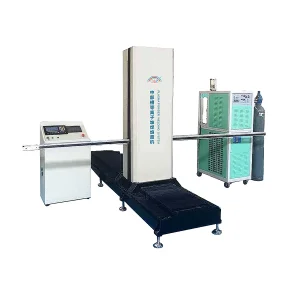
In the modern manufacturing landscape, equipment reliability and operational lifetime extension are paramount. Heavy industries such as mining, power generation, petrochemicals, and defense face extreme conditions. Extreme wear, high temperatures, cavitation, and corrosive media accelerate the degradation of critical machinery components. Global procurement managers are actively seeking advanced wear protection strategies to reduce downtime and optimize operational expenditure (OPEX).
PTA (Plasma Transferred Arc) welding systems have emerged as a benchmark technology for hardfacing, surfacing, and cladding. Unlike conventional thermal spraying or simple arc welding processes, PTA offers a high-performance metallurgical bond with very low dilution rates, minimal heat-affected zones (HAZ), and outstanding structural integrity. When vetting potential PTA welding factories and suppliers, global procurement networks prioritize technical specifications, customizable automation capabilities, and strict compliance with international manufacturing guidelines such as ISO, CE, and ASME standards.
Maximizing deposition speeds without sacrificing quality. PTA enables deposition rates of up to 12 kg/h, significantly outperforming manual SMAW or GTAW setups.
Engineered to restrict dilution from parent metals down to less than 5% in a single pass. This preserves the premium properties of the alloy cladding powders.
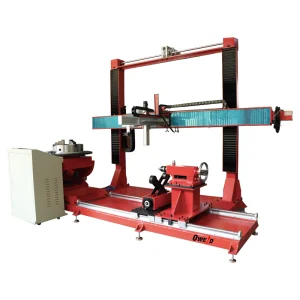
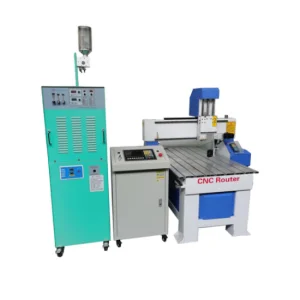
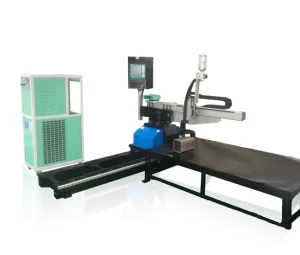
Seamless compatibility with CNC gantries, multi-axis positioners, and robotic arms, enabling high-repeatability smart manufacturing.
PTA cladding is not a one-size-fits-all process. Diverse industrial components require tailored approaches, specific powder chemistry mixtures (e.g., tungsten carbides, cobalt-based Stellite alloys, nickel-based superalloys), and customized heat input parameters. Shanghai Duomu, a leading expert in surfacing technologies, delivers customized solutions across multiple key industrial sectors.



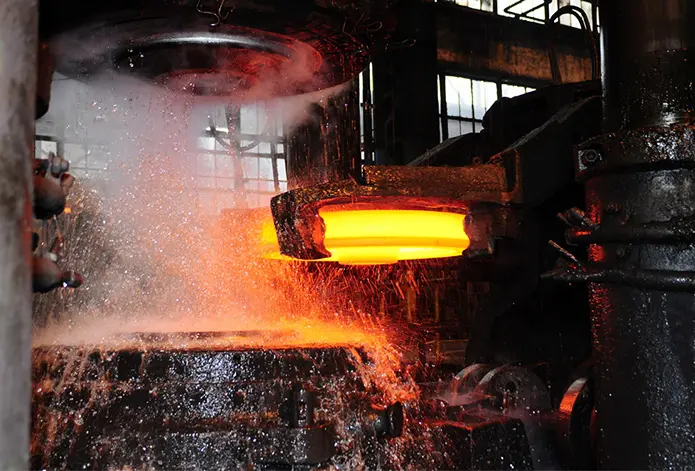
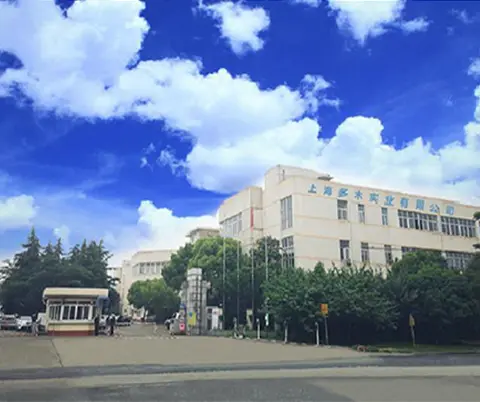
For more than ten years, Shanghai Duomu has been a pioneering manufacturer and exporter of PTA cladding machines and laser cladding systems. Backed by a strong technical background and an independent R&D team, we focus on engineering robust machines that maintain efficient, long-term operation under demanding industrial workloads.
Our solutions encompass customized machinery, intelligent robotic workstations, and comprehensive metallurgical consulting, facilitating the transition toward reliable industrial remanufacturing.
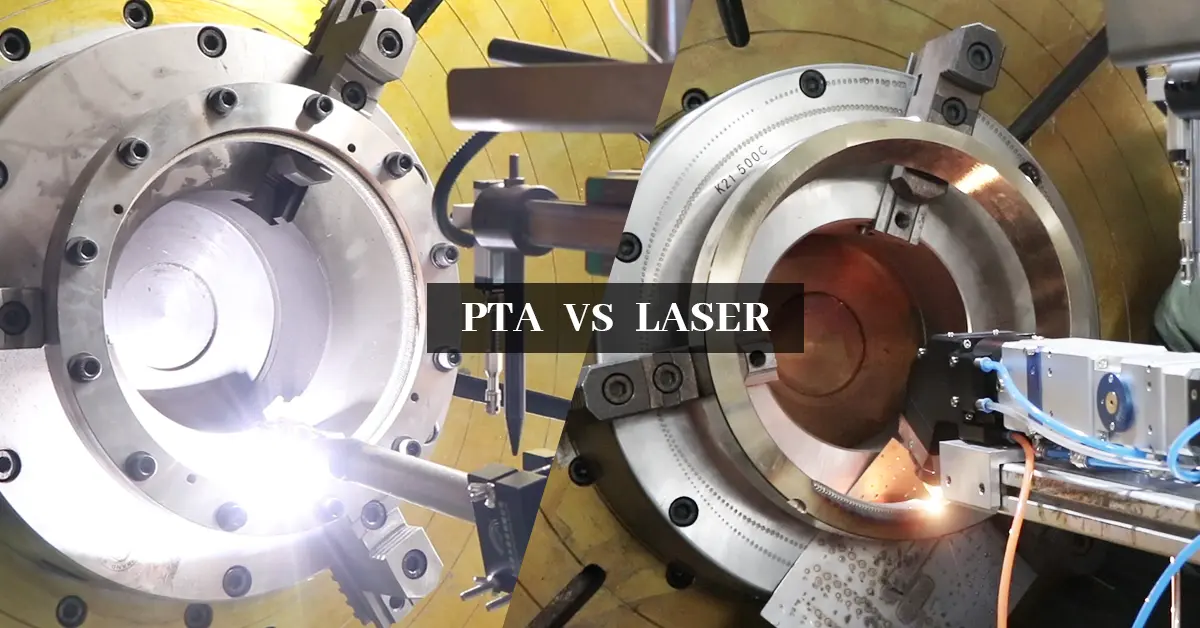
Understanding the difference between Plasma Transferred Arc (PTA) welding and Laser Cladding is vital for selecting the appropriate production method. While both processes excel at creating high-quality metallurgical bonds, they operate on different heat-input and energy-delivery frameworks.
PTA Welding: Utilizes a constricted, high-density plasma arc to melt both the substrate surface and the injected metal powder. It is highly cost-effective, excels at laying down thick cladding layers (1.5mm to 6.0mm per pass), and offers unmatched deposition rates. PTA is highly tolerant of varying surface roughness, making it the preferred method for heavy-duty components like agricultural screws, crusher teeth, and large valves.
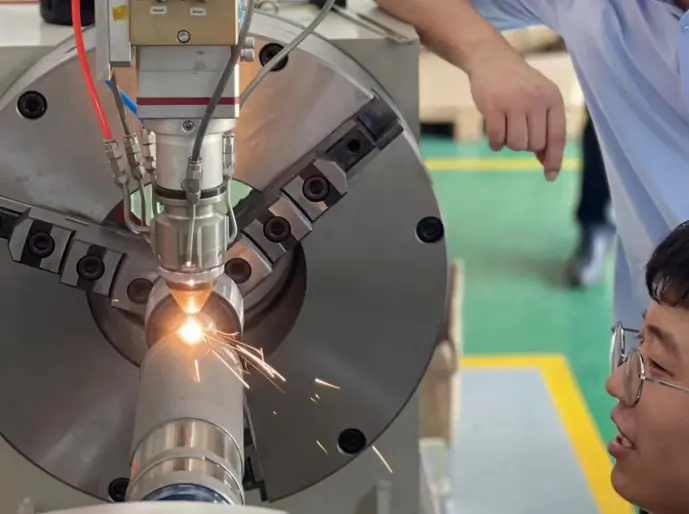
Laser Cladding: Uses a focused laser beam as the heat source. This delivers an extremely low heat input, a negligible heat-affected zone, and precise control over the overlay geometry. The dilution rate is kept at a absolute minimum (often under 2%), making it ideal for thin coatings on delicate parts, aerospace components, or high-value molds where dimensional distortion must be avoided.
Shanghai Duomu has established itself as an authoritative manufacturer and exporter of PTA cladding machines and Laser cladding machinery. We combine modern production techniques with rigorous quality control workflows. Our product range serves multiple heavy industries globally, offering reliable wear protection and remanufacturing capabilities.
Through our dedicated research and engineering department, we continuously refine the design of our plasma power supplies, powder feeders, and cladding torches. This focus guarantees stable arc ignition, uniform powder distribution, and extended operational intervals, providing customers with reliable high-performance equipment.
We host an independent R&D team focused on the design, production, and sale of high-stability plasma cladding systems and laser cladding components. Our welding machinery is designed for continuous, long-term operation, allowing industrial plants to run automated shifts without process degradation.
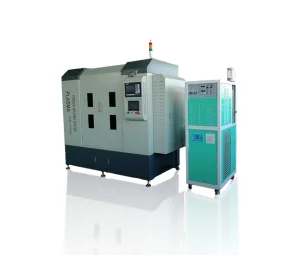
We offer turnkey industrial solutions, incorporating PLC control cabinets, touch-screen human-machine interfaces (HMI), closed-loop mass flow controllers for powder gas delivery, and multi-axis manipulator positioners. These features ensure precise control over key surfacing parameters, including pilot arc current, transfer arc current, powder feed rate, and travel speed.
Our dedicated systems are tailored for specialized industrial tasks, including hydraulic cylinder protection, valve seat hardfacing, and extruder screw refurbishing.
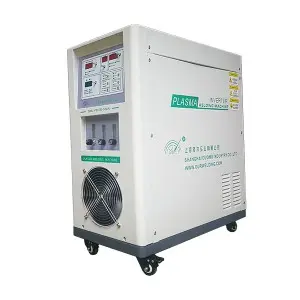
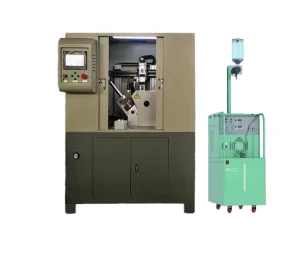
Optimized for fine-powder precision coatings with minimal dilution and heat input.
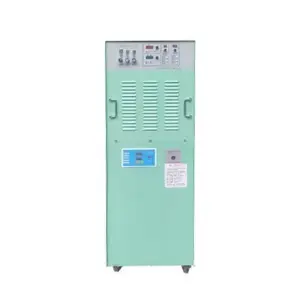
Combining surfacing, joining, and localized repair capabilities in one control unit.
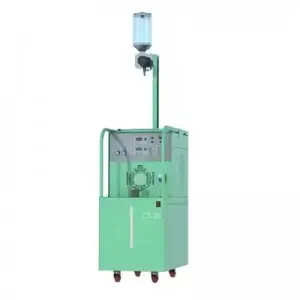
High-flexibility manual and semi-automatic surfacing setups for Job Shops.
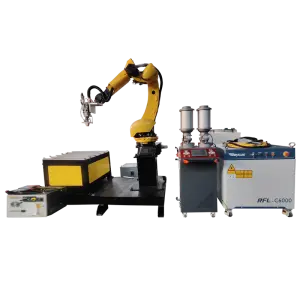
Ultra-precise laser systems engineered for turbine and impeller blade restoration.
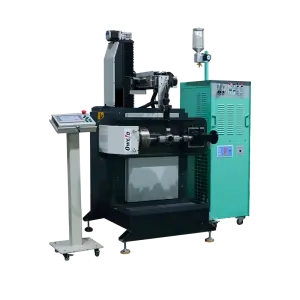
Double-station automated valve surfacing to ensure defect-free seat overlays.
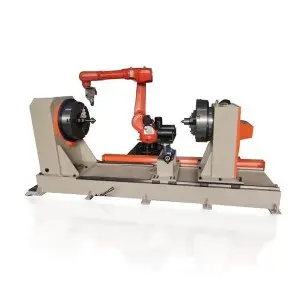
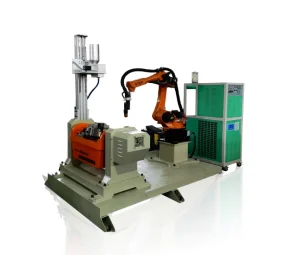
Robotic arm hardening systems for fast, controlled surface transformation hardening.
Read technical feedback and process engineering briefs covering real-world applications of PTA hardfacing across various industrial sectors.
"The PTA Welding Valve Application Guide is not just a process choice for valve manufacturers facing high wear, high corrosion, and high-temperature erosion working conditions, but also a key path to improving product competitiveness. As industries such as petrochemical and power generation demand zero-leakage configurations, automated valve seat hardfacing is essential."
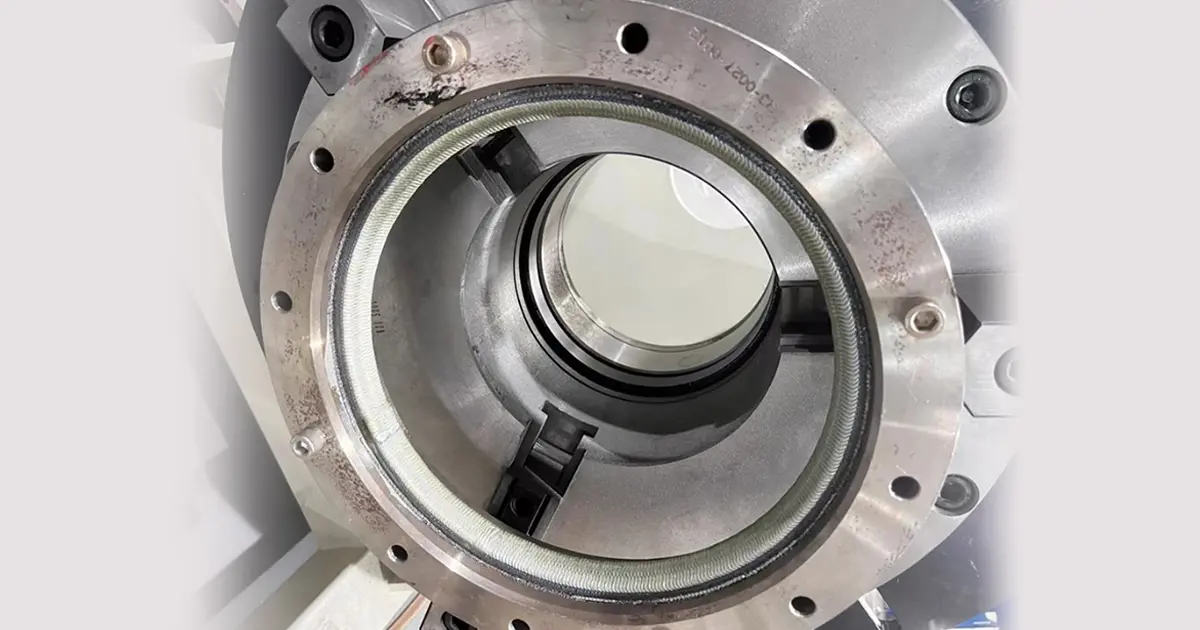
"In industries such as mining, cement, power generation, steelmaking, chemical processing, and biomass energy, screw conveyors are often regarded as auxiliary equipment. However, maintenance data shows that they are among the most frequent causes of unplanned production downtime. Using PTA to hardface flight edges significantly reduces wear."
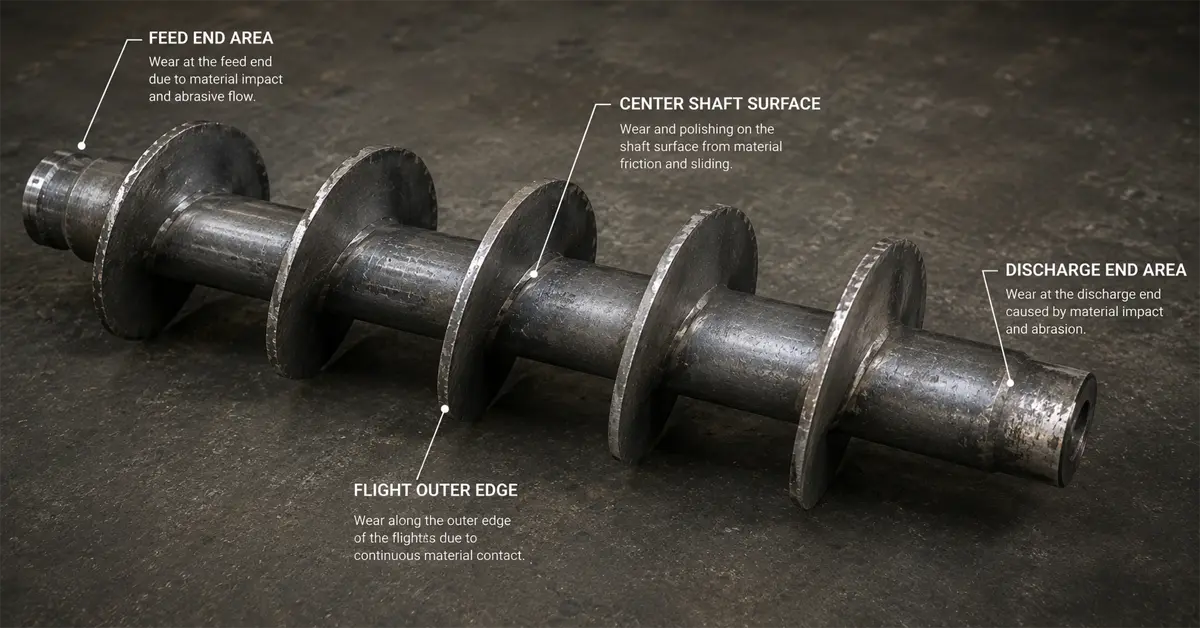
"In Plasma Transferred Arc (PTA) hardfacing, achieving a high-quality overlay is not only about selecting the right alloy powder or optimizing welding parameters. One of the most critical factors that directly affects overlay performance is the dilution rate. Minimizing base metal intermixing ensures the coating retains its intended wear resistance."
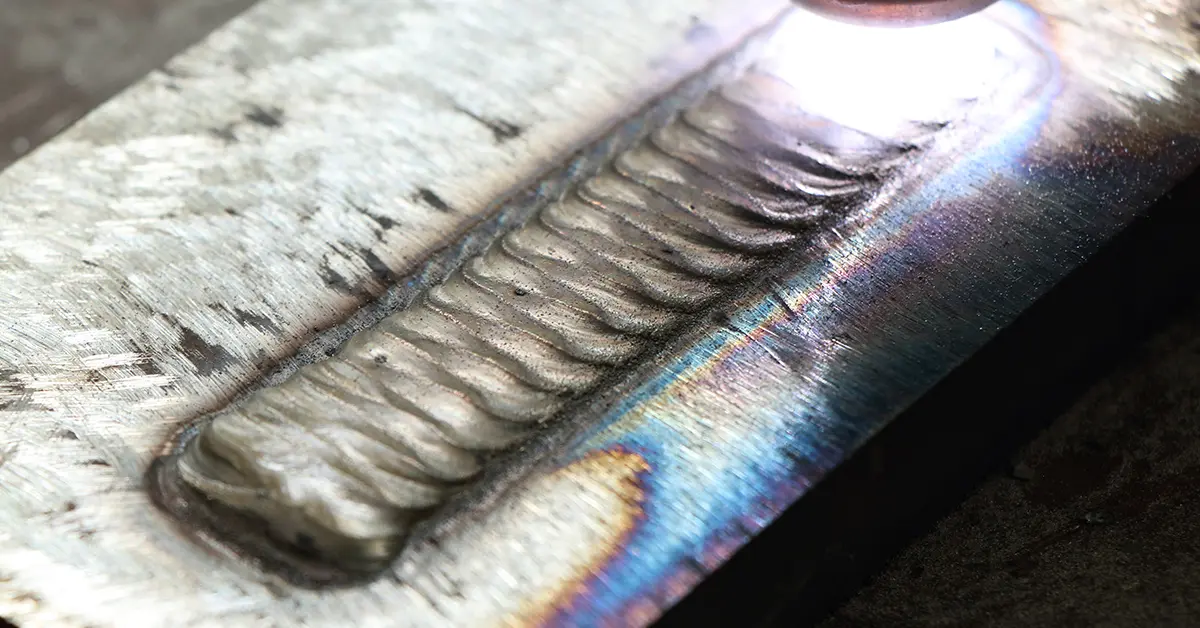
"In industries such as Oil & Gas, Mining, Power Generation, Cement, and Heavy Equipment Manufacturing, hardfacing is no longer just a repair process. It has become a critical design technology directly related to equipment lifespan, downtime costs, maintenance frequency, and overall operating margins."
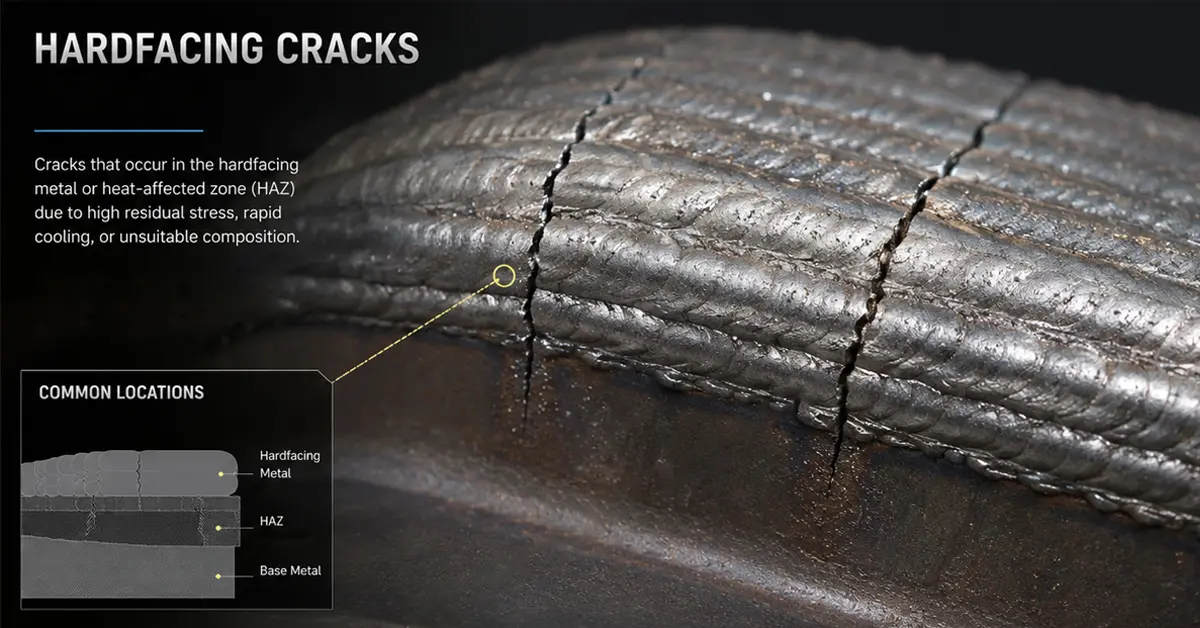
"In industries such as oil & gas, petrochemical, power generation, mining, and marine engineering, industrial valves are constantly exposed to severe operating conditions including high pressure, extreme temperatures, corrosive media, abrasive wear, and sand erosion, requiring specialized overlay protection."
Our team of metallurgical and mechanical engineers is ready to assess your component wear profiles. We offer custom alloy powder formulation, process parameter testing, and custom machine builds to match your project demands.
Deploying automated machinery like PTA and laser cladding systems requires reliable local support, initial training, and regulatory compliance. Shanghai Duomu provides global commissioning services, operating training, and rapid spare-parts distribution channels to ensure continuous equipment uptime.
Our systems comply with CE and international industrial guidelines, assuring seamless integration into certified production facilities. Control systems feature multi-lingual operating interfaces (including English, Spanish, German, Russian, and French), and we assist engineering groups with remote diagnosis and diagnostic troubleshooting.
On-site or remote installation services, covering machine calibration, mechanical alignment, and program training for your technicians.
Designed to meet CE standards. Electrical design features high electromagnetic compatibility (EMC) and integrated safety interlocks.
Comprehensive support for alloy chemistry selection, optimizing parameter sets for wear performance, and resolving dilution challenges.
Find answers to frequently asked technical questions regarding Plasma Transferred Arc (PTA) systems, process configuration, and material choices.
PTA (Plasma Transferred Arc) uses a highly constricted plasma arc generated between a tungsten electrode and the workpiece, creating higher energy densities than traditional gas metal arc welding (GMAW/MIG) or gas tungsten arc welding (GTAW/TIG). This constricted arc allows for a very flat, low-dilution deposit with a minimal heat-affected zone, high deposition efficiency, and uniform powder integration. Conventional arc processes typically introduce more heat into the base metal, resulting in higher dilution rates (often 15% to 30%), whereas PTA maintains dilution between 3% and 8% in a single pass.
Dilution rate is the percentage of base metal that melts and intermixes with the cladding alloy. If dilution is high, the premium properties of the cladding material (e.g., cobalt or nickel alloys) are diluted by the lower-grade base steel. This can reduce the wear resistance, hardness, and corrosion resistance of the finished surface. Minimizing dilution ensures that the cladding layer retains its chemical composition and performance, even in a single pass, which reduces material costs and processing times.
Our PTA machines are designed to feed a wide range of spherical metallic powders. Common options include cobalt-based alloys (Stellite series) for high-temperature wear and corrosion, nickel-based alloys (Colmonoy series) for impact and corrosion resistance, and iron-based alloys for cost-effective sliding wear resistance. Additionally, we support composite mixtures containing tungsten carbide particles (typical concentrations range from 30% to 60%) to protect against extreme abrasion in mining and agricultural applications.
Yes. All Shanghai Duomu PTA systems are designed with industrial interfaces to communicate with external motion controllers. We supply fully integrated systems, including multi-axis CNC gantries, rotary tables, and 6-axis industrial robots (such as our DH1440-B06 manipulator positioners). This integration is controlled through a unified HMI panel, allowing for automated, multi-pass surfacing of complex geometries like extruder screws, valves, and industrial tooling.
We provide a 12-month comprehensive warranty on all major components. Technical support is managed by our engineering department, which offers video diagnostics, remote PLC assistance, and overnight dispatch of critical spare parts. For large-scale installations, we can arrange for on-site commissioning and training for the client's engineering team.
High-repeatability robotic systems and specialized machinery designed for heavy-duty manufacturing and component refurbishing.
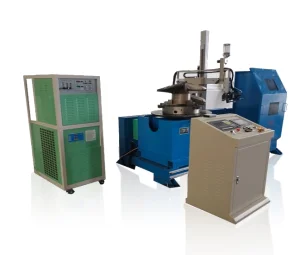
For inquiries about our PTA cladding machines, custom configurations, or updated pricelists, please leave us a message. Our sales engineering team will contact you within 24 hours.
Submit RFQ / Inquiry







 Duomu
Duomu