Tig welding, or "Soldadura Tig," has emerged as a crucial technique in industrial projects. Renowned welding expert Dr. Ana Martinez states, "The precision of Soldadura Tig brings about unparalleled quality in metalwork." Her insights highlight the unique benefits that this welding method offers.
As industries demand higher standards in fabrication, the advantages of using Soldadura Tig become increasingly evident. This technique provides exceptional control over the welding process, resulting in cleaner and stronger welds. It is ideal for thin materials, ensuring minimal distortion during the procedure. However, while its benefits are clear, some practitioners note the steep learning curve involved.
Incorporating Soldadura Tig into industrial projects can significantly enhance productivity. However, it also requires skilled professionals to fully realize its potential. The investment in training can sometimes be daunting. That said, the long-term benefits often outweigh initial challenges, making it a worthwhile endeavor for many industries.
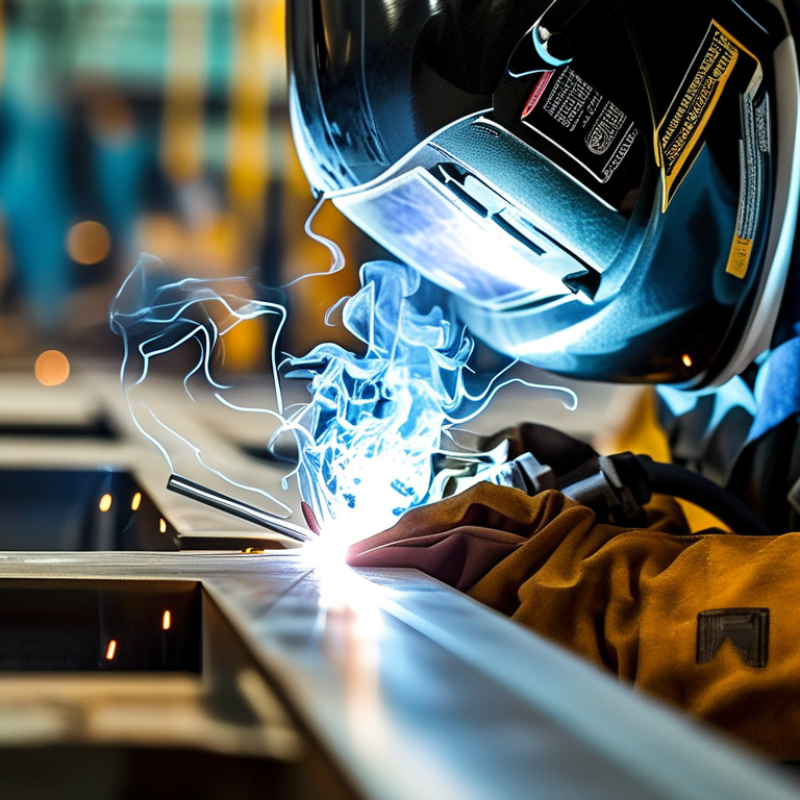
TIG welding, known for its precision, offers a variety of benefits in industrial projects. This method employs a non-consumable tungsten electrode, allowing for clean and controlled welding seams. According to the American Welding Society, over 80% of manufacturers prefer TIG welding for applications requiring high precision. This technique ensures minimal distortion, making it ideal for thin materials.
The versatility of TIG welding is vital in diverse fields such as aerospace and automotive industries. Data from the International Institute of Welding indicates that TIG welding can achieve a weld penetration of up to 90% in aluminum, showcasing its efficiency. Additionally, the use of inert gas protects the weld pool, preventing contamination. This capability results in high-quality joints that demand less post-weld cleaning.
Despite its advantages, TIG welding requires skilled operators. Complexity in technique can lead to inconsistencies if the welder lacks experience. Choosing the appropriate settings is crucial, as improper adjustments can compromise the weld integrity. These elements emphasize the need for continuous training in welding practices, highlighting an area for improvement within the industry.
TIG welding, or Tungsten Inert Gas welding, stands out for its ability to produce high-quality welds. This technique offers precision that is hard to match. It allows for control over the heat input, which is crucial for thin materials. Many industries benefit from this, especially when working with stainless steel and aluminum. TIG welding results in clean, strong seams. This leads to better longevity of the welded parts.
Another notable benefit is the reduced risk of contamination. The shielding gas used minimizes oxidation during welding. This results in less post-weld treatment required. The aesthetic appearance of TIG welds is also worth mentioning. Smooth and beautiful beads can enhance the visual quality of finished products.
However, the process can be time-consuming. Some operators may find the skill level required to master TIG welding daunting. Moreover, while TIG welding is beneficial, it’s essential to recognize its limitations. The equipment can be pricey, and training takes time. As industries shift towards robotic automation, reliance on advanced techniques like TIG should be balanced. Investing in skilled personnel remains crucial to ensure high-quality outcomes. Every industrial project should carefully consider these aspects for optimal results.
TIG welding stands out in industrial applications due to its control and versatility. This method allows for precise adjustments to heat and material flow. Welders can manipulate the process to suit various metals, including aluminum and stainless steel. This adaptability is essential in industries where different materials are often combined.
Control is key in high-stakes projects. A skilled welder can fine-tune the settings to avoid warping or burning through materials. This creates stronger welds and improves the overall quality of the final product. While TIG welding requires a steady hand and experience, it pays off in results. Many projects face setbacks due to improper techniques. Such errors may lead to costly reworks, emphasizing the need for mastery in this welding style.
Versatility extends beyond materials. TIG welding suits both thin and thick sections, making it valuable in diverse applications. However, it might not be the best choice for every situation. In environments requiring high speed, other methods could be more efficient. Being aware of these limitations helps teams choose the right welding technique. Expertise shines when professionals understand both the strengths and weaknesses of their tools.
| Benefit | Description | Application Areas |
|---|---|---|
| Increased Control | Provides precise control over the welding process, leading to superior quality and aesthetics. | Sheet Metal Fabrication, Aerospace |
| Versatility | Suitable for a variety of materials including metals and alloys, beneficial for diverse industrial projects. | Automotive, Oil and Gas |
| High-Quality Welds | Produces clean and strong welds with minimal defects, enhancing the overall durability of structures. | Construction, Shipbuilding |
| Heat Control | Allows effective heat management which reduces distortion in thinner materials. | Manufacturing, Repair Industry |
| Minimal Smoke and Fumes | Produces less smoke compared to other welding processes, promoting a healthier work environment. | Indoor Fabrication, Aerospace |
| Suitable for Thin Materials | Excellent for welding thin sheets due to the controlled heat input. | Electronics, HVAC |
| Automation Friendly | Can be easily adapted to automated processes, increasing productivity. | High-volume Manufacturing |
| Less Post-Welding Cleanup | Results in fewer impurities, which means reduced post-welding surface treatment efforts. | Metals Industry, Artworks |
| High Strength | Creates welds that are often stronger than the base material, suitable for applications requiring high strength. | Structural Engineering, Heavy Machinery |
| Cost-effective for Specialized Projects | Though the setup may be higher, the quality and lifecycle can result in cost savings for specialized applications. | Specialized Fabrication, Prototype Development |
Using TIG welding in industrial projects offers significant cost savings, especially for long-term applications. Industry reports show that TIG welding can reduce material costs by up to 20% due to its precision and ability to create strong joints with minimal filler material. This technique is particularly advantageous in industries such as aerospace and automotive, where quality is paramount and rework costs can skyrocket.
Another important factor is the long-term durability of TIG-welded components. Reliable studies indicate that parts welded with this method typically have a longer lifespan. This translates to reduced downtime and lower maintenance costs. For example, TIG welding often produces heat-affected zones that are smaller and less susceptible to cracking, leading to better performance over time.
**Tip:** Prioritize quality control during the welding process. Implement regular inspections to catch potential issues early, preventing costly repairs later.
It's crucial to be mindful of potential challenges. Mastery of TIG welding requires skilled operators. Training programs can be costly and time-consuming. However, investing in education improves output quality and decreases future expenditures.
**Tip:** Foster a culture of continuous learning in your welding teams. This encourages skill refinement and can significantly reduce defects in production.
TIG welding provides significant environmental benefits in industrial projects. One notable advantage is its low emissions. Compared to other welding methods, TIG welding produces minimal fumes and pollutants. This means factories can maintain cleaner air quality. Reduced emissions contribute to a healthier work environment.
Another environmental perk is increased materials efficiency. TIG welding offers precision, which can minimize waste. With tighter control over heat, less filler material is needed. Each piece can be crafted with care, ultimately reducing excess scrap. Companies can save costs while being eco-friendly.
**Tip:** Consider regular training for your welding team. Skilled welders create better joints with less waste. Training can boost efficiency and promote safer practices.
Maintaining equipment is crucial for environmental impact. Regularly check gas supplies and welding machines. Proper maintenance ensures optimal performance. A well-maintained machine runs cleaner and reduces harmful emissions. Remember, small adjustments can lead to significant environmental improvements.
: TIG welding offers high precision and produces clean, controlled welding seams. This method ensures minimal distortion, especially for thin materials.
TIG welding is versatile for fields like aerospace and automotive. It achieves high weld penetration and protects against contamination.
Skilled operators are essential for success. Inexperienced welders may create inconsistencies and compromise weld integrity if settings are incorrect.
TIG welding produces low emissions and reduces pollutants. Factories can achieve better air quality and a healthier work environment.
The precision of TIG welding minimizes waste. Less filler material is needed, allowing for careful crafting and reduced excess scrap.
Mastering TIG welding takes time and skill. Some operators might find the technique complex and may struggle with precision at first.
TIG welding, or "Soldadura Tig," offers numerous advantages that make it a preferred choice for industrial projects. One of its key benefits is the high precision it provides, allowing for intricate welds and superior quality in metal fabrication. The enhanced control over heat input and versatility in various applications further streamline the welding process, accommodating different materials and thicknesses with ease.
Moreover, TIG welding proves to be cost-effective for long-term projects due to its durability and reduced need for rework. The environmental impact is also notable, as this technique typically generates less waste and reduces harmful emissions compared to other welding methods. Overall, the combination of precision, quality, adaptability, and sustainability makes "Soldadura Tig" an invaluable asset in modern industrial welding.
Duomu