Tig Welding, known for its precision and versatility, has gained significant traction in various industries. According to the American Welding Society, Tig Welding accounts for approximately 33% of all welding processes used today. This method employs a non-consumable tungsten electrode, providing cleaner and more controllable arcs.
Industries such as aerospace and automotive rely heavily on Tig Welding for critical applications. The National Center for Welding Education and Training reports that Tig Welding is crucial for creating strong, reliable joints, particularly in aluminum and stainless steel. Its ability to produce high-quality welds makes it a preferred choice for projects requiring meticulous detail.
However, while Tig Welding offers many advantages, it does come with challenges. It requires skilled operators to execute successfully. The precision aspect can lead to longer welding times compared to other methods. An understanding of these nuances is essential for any project manager looking to utilize Tig Welding effectively. Engaging with this professional technique can greatly enhance project outcomes when approached thoughtfully.
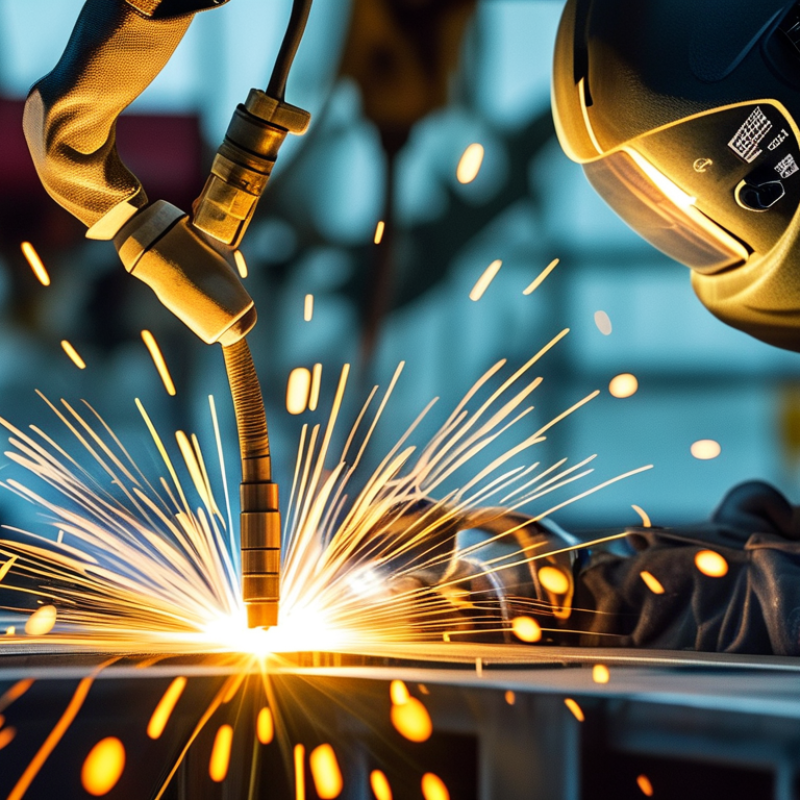
TIG welding, or Tungsten Inert Gas welding, is recognized for its precision and versatility. This method uses a non-consumable tungsten electrode to shield the weld area. It allows for a clean, high-quality finish, making it ideal for thin materials. According to a 2022 report by the American Welding Society, over 25% of industrial projects now utilize TIG welding due to its superior capabilities.
The key characteristics of TIG welding include the ability to weld various metals. This includes stainless steel, aluminum, and nickel alloys. It provides excellent control over heat input, which is crucial for minimizing warping. However, this control comes with a learning curve. Beginners often find it challenging to maintain the correct arc length. A skilled welder can achieve a strong, well-fused joint even under difficult conditions.
Both its advantages and challenges highlight an important consideration: TIG welding may not be the best option for all projects. While it produces high-quality welds, it is typically slower than MIG welding. Time-sensitive projects might benefit more from faster methods. Ultimately, understanding the nuances of TIG welding can lead to better decision-making in the selection of welding processes.
TIG welding stands out for its quality and precision. The process uses a non-consumable tungsten electrode, enabling fine control over the weld pool. This results in clean and aesthetically pleasing welds. It’s ideal for projects requiring a high level of detail. Metals like stainless steel and aluminum respond well to TIG welding, making it a versatile choice.
Precision is not just about appearance; it affects strength. A well-executed TIG weld can withstand harsh conditions. However, mastering this technique takes practice. New welders may struggle with the balance of heat and speed. Errors can occur if adjustments are not made for different materials. Even experienced welders sometimes face challenges with thin materials, where heat can easily damage the base metal.
Versatility is a hallmark of TIG welding. It is suitable for various applications, from automotive to art installations. Each project may present unique challenges that test the welder's skill. Projects may not always go as planned. Adjustments may be necessary as conditions change. Expertise in materials and techniques can lead to innovative solutions, ensuring a successful outcome.
TIG welding is a versatile process with applications across numerous industries. In aerospace, precision is critical. TIG welding offers tight control over the molten pool, ensuring strong joints. This reliability is vital when working with high-strength materials and critical components.
In automotive manufacturing, TIG welding shines in fabricating lightweight structures. Many modern cars utilize aluminum and other alloys. The clean welds produced by TIG processes enhance both the aesthetics and integrity of the vehicle. However, achieving the perfect weld requires practice. Don't rush the process; take your time to master the technique.
Tip: Always prepare your metals properly before welding. Clean surfaces ensure better adhesion and reduce contamination.
Beyond aerospace and automotive, TIG welding is also present in artistic metalwork. Craftsmanship shines through intricately welded sculptures. Artists find value in the control that TIG welding offers, allowing for delicate yet robust creations.
Tip: Experiment with different settings and techniques. Adjusting the heat and speed can lead to innovative results. Embrace mistakes; they often teach the most valuable lessons in welding.
| Industry Application | Material Compatibility | Common Uses | Advantages |
|---|---|---|---|
| Aerospace | Aluminum, Titanium, Steel | Aircraft Frames, Engine Components | High Precision, Strong Welds |
| Automotive | Steel, Stainless Steel, Aluminum | Chassis, Exhaust Systems | Control Over Heat Input, Ideal for Thin Materials |
| Manufacturing | Carbon Steel, Stainless Steel | Heavy Machinery, Component Fabrication | Versatile, High-Quality Welds |
| Marine | Stainless Steel, Aluminum Alloys | Boat Hulls, Framework | Corrosion Resistance, Aesthetic Appearance |
TIG welding, or Tungsten Inert Gas welding, offers distinct advantages over MIG and Stick welding. This technique excels in precision and control, making it ideal for thin materials. It provides clean, strong welds, reducing the risk of defects. This is crucial for delicate projects that require a high degree of accuracy.
In contrast, MIG welding is faster and easier for fabricating thicker materials. However, it may leave more spatter and requires post-weld cleaning. Stick welding is versatile and can work in various situations. Yet, it may not achieve the same finesse as TIG welding. For projects that need tidy, aesthetic welds, TIG is often the best choice.
Tips: Consider the material type before choosing a welding method. Aluminum and stainless steel often respond better to TIG. Practice in a controlled environment can lead to improved skills. If you face difficulties, reflect on your technique. Everyone makes mistakes; learning from them is vital for growth.
TIG welding stands out in the industrial sector for its cost-effectiveness and efficiency. This process is not only versatile but also produces high-quality welds. The precision it offers is especially beneficial for intricate projects. Smaller heat-affected zones minimize distortion. This makes post-weld processing simpler and less costly.
Cost-effectiveness comes into play with lower material wastage. Since TIG welding often requires fewer passes, it saves both time and resources. Equipment can be more expensive upfront. However, the longevity of the weld often offsets this. Skilled labor is essential, but the quality produced can lead to fewer repairs in the long run.
Yet, there are challenges to consider. Mastering TIG requires practice and patience. It may not be the best choice for all projects. For thick materials, alternatives might prove more efficient. Evaluating your project specifics is crucial. Understanding when and where to use TIG welding will ultimately enhance your economic outcomes.
: TIG welding, or Tungsten Inert Gas welding, is known for its precision. It uses a non-consumable tungsten electrode.
TIG welding provides high-quality, clean welds. It is ideal for thin materials and various metals, including stainless steel and aluminum.
Beginners may find TIG welding challenging. Maintaining the correct arc length takes practice and patience.
TIG welding is slower than MIG welding. Time-sensitive projects might benefit from MIG’s speed and efficiency.
New welders often struggle with heat balance. Errors may occur with different materials, leading to poor welds.
TIG welding is used in aerospace and automotive industries. Its precision is vital for high-strength components.
Practice is essential for mastery. Take your time and learn from mistakes to enhance your technique.
Properly prepare metals before welding. Clean surfaces ensure better adhesion and reduce contamination for stronger welds.
TIG welding, or tungsten inert gas welding, is recognized for its exceptional quality and precision, making it an ideal choice for various industrial applications. Its key characteristics include the ability to weld a wide range of materials and produce clean, strong seams, which is particularly advantageous in sectors such as aerospace and automotive. The versatility of TIG welding allows it to adapt to intricate designs and demanding standards, enhancing its appeal to engineers and fabricators.
When compared to other welding techniques like MIG and stick welding, TIG welding stands out due to its meticulous control and finesse. While it may initially appear less cost-effective, its efficiency and the high-quality results it delivers often justify the investment in industrial projects. Overall, choosing TIG welding for your next project can significantly improve the outcome, ensuring not only durability but also superior finish quality.

Duomu