How to Choose a Plasma Welding Machine in 2026?

Time:2026-09-29 Author:Oliver
0%

Choosing a plasma welding machine in 2026 requires more than comparing prices and advertised power. The right choice depends on material thickness, joint design, production volume, operator skill, and workshop conditions. A machine that performs beautifully on stainless steel may struggle with aluminum or thin sheet metal. Real production exposes these differences quickly.

This guide examines the practical decisions behind a reliable purchase. It considers arc stability, current range, duty cycle, torch design, cooling requirements, automation compatibility, and maintenance access. Energy consumption also matters, especially for workshops running several shifts. A compact unit may suit repair work, while a high-duty system is better for continuous fabrication. Ask for test welds. Factory claims are useful, but actual weld beads reveal more.

Safety features deserve equal attention. Look for dependable shielding-gas control, thermal protection, clear fault indicators, and documented service support. Training materials and spare-parts availability can affect long-term productivity as much as the initial price. The broader Plasma Welding Machine Market is expanding, yet more choices do not guarantee better decisions. Some specifications remain difficult to compare across brands. That is a weakness buyers should acknowledge.

This introduction prepares readers to assess machines with evidence rather than enthusiasm. It also recognizes an uncomfortable truth: the cheapest model can become expensive after repeated downtime. However, the most advanced machine may exceed a small workshop’s real needs. Careful trials, honest operator feedback, and realistic workload estimates create a sounder buying decision. The goal is not to find a perfect machine. It is to find one that performs consistently, safely, and economically in your actual working environment.
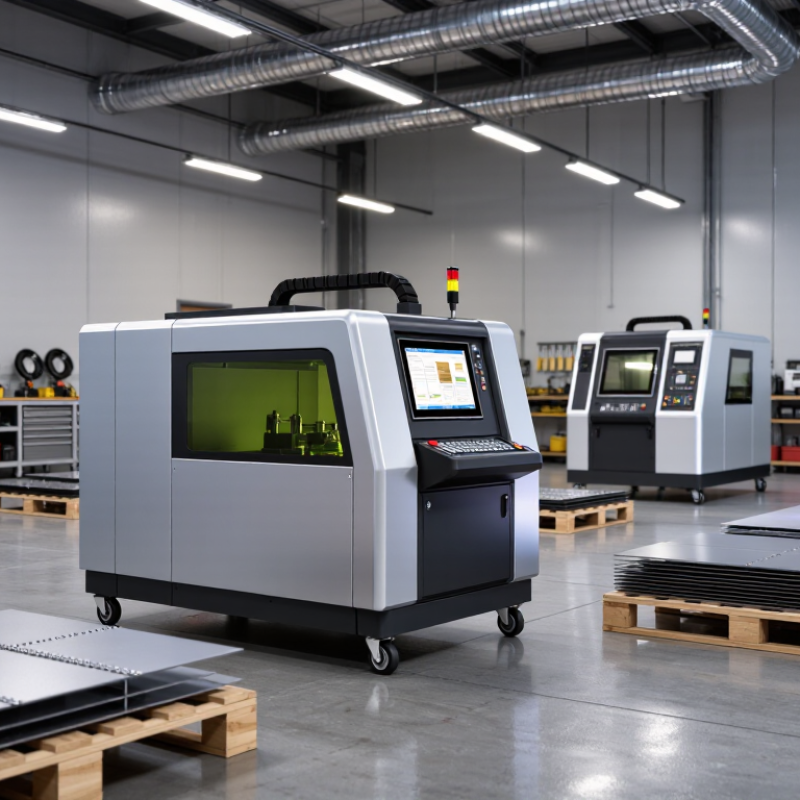
How to Choose a Plasma Welding Machine in 2026?

What Is a Plasma Welding Machine and How Does It Work?

A plasma welding machine uses a focused electric arc to melt metal. ISO 4063 classifies plasma arc welding as process 15. Inside the torch, compressed gas passes through a narrow copper nozzle. The gas becomes ionized, creating a hot, constricted plasma jet. This jet produces deeper penetration and a smaller heat-affected zone than conventional arc welding.

The process needs stable current, clean gas, and accurate torch distance. Operators usually control amperage, travel speed, shielding gas, and water cooling. A small change can create an uneven bead. According to Grand View Research, the global welding equipment market was valued at approximately USD 15.8 billion in 2023, showing strong demand for controlled joining systems. MarketsandMarkets also forecasts continued growth through 2028, driven by automation and precision manufacturing. These figures do not guarantee every plasma machine will deliver equal results.

For 2026, compare duty cycle, minimum current, pilot-arc stability, consumable life, and service support. A machine with higher amperage is not always better. Thin stainless steel may need gentle, precise control, while thick steel demands stronger penetration and cooling.

Tips Check the machine’s actual output at your workshop’s voltage. Ask for test welds on your metal thickness. Inspect the nozzle after several runs. Poor gas flow can imitate operator error. I have seen impressive specifications fail during dirty, unstable production work. Practical trials still matter.

Which Plasma Welding Processes and Materials Fit Your Application?

Choosing a plasma welding machine in 2026 starts with the joint, not the machine’s advertised power. Transferred-arc plasma welding suits precise, repeatable joints in stainless steel, nickel alloys, titanium, and thin carbon steel. For shallow seams, melt-in mode can reduce heat input and limit distortion. Keyhole plasma welding penetrates thicker sections with one controlled pass. It demands accurate fit-up, stable travel, and careful gas control. Small gaps can become large defects. That detail is often underestimated.

Stainless steel usually benefits from argon-based plasma gas and separate shielding gas selected for the grade. Titanium needs exceptional shielding because hot metal reacts quickly with oxygen and nitrogen. A pale, brittle weld may reveal inadequate coverage.

Nickel alloys require controlled heat input and gradual cooling to protect corrosion resistance. Aluminum is possible, but oxide removal, arc stability, and thermal conductivity make setup less forgiving. Mild steel is more tolerant, yet excessive current can widen the heat-affected zone. Test coupons matter more than catalog tables.

When comparing machines, check pulse control, current range, gas regulation, torch access, closed-loop monitoring, and service documentation. For production, data logging and repeatable programs can expose drift before rejected parts accumulate. For repair work, compact equipment and reliable low-current control may matter more than maximum amperage. I would not choose a machine from thickness claims alone. Real joints include corners, gaps, contamination, and awkward positions. Ask for sample welds using your actual material and thickness. Review cross-sections with a qualified welding professional. Some early trials will fail. That is useful evidence.

How to Compare Power, Precision, Speed, and Duty Cycle

How to Choose a Plasma Welding Machine in 2026?

Power should match the metal thickness, joint design, and workshop voltage. More power is not always better. Excessive heat can widen the weld and distort thin sheet. Check the machine’s usable output range, not only its maximum rating.

In practical testing, a stable arc at low amperage often matters more than impressive peak power. Precision depends on arc stability, torch control, and adjustment accuracy. Look for fine current settings and repeatable results. A clean, narrow bead is valuable when welding stainless steel or small components.

Speed & Productivity

Speed affects productivity, but faster welding can increase heat input. Watch the edges. A machine that moves quickly may still create uneven penetration.

Duty Cycle

Duty cycle shows how long the unit can weld before cooling. For example, a 60% duty cycle at a stated current allows six minutes of welding during a ten-minute period.

Check the rating conditions carefully. Some figures use cooler laboratory temperatures. Real workshops are less forgiving.

Tips:

Test sample pieces before production. Record amperage, travel speed, gas flow, and bead width. Compare results at the same material thickness.

I once trusted a high-speed setting and produced a rougher bead than expected. That mistake reminded me to value control over impressive numbers.

Also inspect torch comfort, cable length, cooling performance, and service documentation. These details seem minor until a long welding session exposes them.

What Safety Features and Operating Requirements Should You Check?

How to Choose a Plasma Welding Machine in 2026?

Safety should guide your machine choice, not only cutting speed or rated power. Look for torch interlocks, thermal overload protection, and a clearly marked emergency stop. The power source should have secure grounding and stable current control. Check whether the unit displays fault codes, gas pressure, and cooling problems. Keep the area dry. Plasma arcs create intense light, heat, noise, and fumes, so suitable eye protection, gloves, flame-resistant clothing, and local ventilation are essential. A protective screen can also shield nearby workers from arc flash.

Review the operating requirements before purchase. Confirm the available input voltage, duty cycle, compressed gas type, pressure range, and cooling method. The workshop must support the machine without overloaded circuits or unstable gas flow. Inspect torch leads, connections, electrode wear, and return clamps before every job. Read the manual. Operators should receive practical training and understand shutdown procedures, maintenance intervals, and warning labels. Never bypass an interlock to save time.

A useful check is a short test weld on clean scrap metal. Watch for unstable arcs, unusual heat, gas leaks, or delayed shutdown. These signs may reveal poor setup or a machine that does not suit your workload. A common workshop lesson is that more power can create more problems when ventilation and cooling are inadequate. I would also leave room for human error. Controls should be visible, gloves should allow precise handling, and routine inspections should remain simple enough to happen every day.

How to Choose a Plasma Welding Machine in 2026? — What Safety Features and Operating Requirements Should You Check?
Selection Area What to Check Practical Acceptance Criteria Why It Matters
Welding process and application Confirm that the machine is designed for plasma arc welding (PAW), not only plasma cutting. Check the supported welding modes, joint types, and material recommendations. Match the stated process capability to the workpiece material, thickness range, joint design, and production method. Request a representative test weld before purchase. Plasma cutting and plasma welding use different process setups and are not interchangeable just because both use a plasma arc.
Power input and site supply Check input voltage, phase, frequency, maximum input current, recommended fuse or circuit protection, plug type, and grounding requirements on the rating plate and manual. Confirm compatibility with the intended facility supply and have a qualified electrician verify the circuit, protective device, and protective-earth connection. An unsuitable supply can cause nuisance trips, poor operation, overheating, or electrical hazards.
Output range and control Review the rated current range, open-circuit voltage, current-control method, pulse options if needed, and ability to set start, ramp, and end conditions. Ensure the machine can achieve the qualified welding procedure settings for the required material and joint. Check that controls are clear and repeatable. Appropriate output control supports stable arc starting and consistent weld quality across the intended work range.
Duty cycle and thermal protection Check the rated duty cycle at the stated output current, the ambient conditions used for the rating, and whether thermal overload protection is provided. Compare the rating with the planned welding duration and production schedule. Verify that duty-cycle figures are stated at a specified current and rating basis. Duty cycle indicates how long a power source can operate within a stated period before cooling is required; it is not a universal value independent of output and conditions.
Gas supply and monitoring Identify the required plasma and shielding gases, approved gas types, pressure and flow ranges, regulator requirements, and any gas-flow monitoring or interlock. Use the gas specifications in the machine and torch manuals. Confirm that cylinders are secured, regulators are suitable, connections are leak-checked, and the work area is ventilated. Correct gas delivery is essential to arc and weld-pool protection. Gas cylinders and pressurized systems also require safe handling.
Cooling and flow interlocks Determine whether the torch and power source are air-cooled or liquid-cooled. For liquid-cooled equipment, check coolant type, flow requirements, maintenance, and low-flow protection. Provide the specified cooling arrangement and verify that any required flow interlock stops or prevents operation when cooling is inadequate. Insufficient cooling can damage the torch or cause overheating. Cooling requirements vary with torch design and operating conditions.
Electrical and arc-start protection Check the manufacturer’s declared conformity with applicable local electrical-safety requirements and relevant welding power-source standards, such as IEC 60974-1 where applicable. Ask how high-frequency starting may affect nearby equipment. Review the declaration, installation instructions, grounding guidance, and EMC recommendations. Assess nearby sensitive controls, communications equipment, and medical devices before installation. Welding power sources can present electric-shock and electromagnetic-interference risks. Applicable requirements depend on the market and installation.
Torch, leads, and connections Check torch compatibility, rated current and duty cycle, cable condition, connector type, insulation, strain relief, and availability of suitable replacement consumables. Use only components approved for the machine and operating conditions. Inspect the torch, leads, and connectors before use and replace damaged parts. Damaged insulation or unsuitable components can create shock, burn, fire, or equipment-failure hazards.
Operator controls and emergency stop Check the torch trigger or control interface, enable or lockout functions, clear status indicators, and emergency-stop provision where required by the system design or local rules. Verify controls during commissioning and ensure operators can stop the process safely. Follow the machine manual and the risk assessment for the complete installation. Accessible, understandable controls help prevent unintended arc starts and support a prompt response to abnormal conditions.
Fume extraction and ventilation Assess the base metal, coatings, filler materials, and process conditions. Determine whether local exhaust ventilation or other exposure controls are needed. Use a documented workplace exposure assessment and suitable extraction positioned to capture fumes without disrupting shielding gas. Follow applicable occupational-safety rules. Welding fumes and gases can be hazardous. The required controls depend on materials, coatings, location, and exposure conditions.
Eye, face, skin, and fire protection Provide a suitable welding helmet or filter, safety glasses, flame-resistant clothing, gloves, and protection for nearby workers. Check the area for combustible materials. Select filter shade and PPE using the process, current, manufacturer guidance, and applicable local regulations. Use screens and maintain appropriate fire-prevention controls. The arc emits intense optical radiation and can produce sparks, hot metal, and burns. PPE selection should be based on the actual work conditions.
Installation, training, and maintenance Review installation clearances, environmental limits, inspection intervals, consumable replacement, service access, and operator-training requirements. Keep the operating and maintenance manuals available. Train operators, document inspections, and follow the manufacturer’s maintenance schedule. Correct installation and routine inspection help maintain safe operation and consistent performance over the machine’s service life.
Documentation and final verification Request the rating plate details, operating manual, safety instructions, conformity documentation applicable to the region, and a written specification of included accessories. Before purchase, verify the exact configuration and conduct a sample weld using the intended material, joint, gas setup, and production conditions. Documented specifications and a representative trial help confirm that the machine is suitable for the actual application rather than a general description.

How to Evaluate Cost, Maintenance, Support, and Long-Term Value

When choosing a plasma welding machine in 2026, compare total ownership cost, not only the purchase price. A cheaper unit may consume more electrodes, gas, and electricity. Ask for realistic duty-cycle data at your expected material thickness. Request service records from similar workshops, when available. A stable arc often saves more time than a small discount. Time is a cost too.

Tips: Calculate three years of expenses. Include consumables, filters, electricity, calibration, training, and planned repairs. Check whether common parts are locally available. Test the machine on your actual steel, aluminum, or alloy samples. Watch the arc start, heat control, and finish quality. Do not rely only on a polished demonstration.

Maintenance should be simple enough for daily operators. Clear inspection points reduce forgotten tasks. Ask how quickly technical support responds and whether remote diagnosis is available. Written manuals, fault codes, and operator training show stronger long-term support. Review the warranty carefully, especially coverage for torches, cables, and control boards. A low price means little if production stops for two weeks.

Long-term value also depends on upgrade options and repairability. Modular equipment may remain useful as your workload changes. However, no forecast is perfect. I have seen buyers overestimate future capacity and pay for features they rarely use. Choose a machine that fits today’s work, with reasonable room for growth. That balance is often more reliable than buying the most powerful model.

FAQS

What does a plasma welding machine do?

It uses a focused electric arc to melt metal. Ionized gas passes through a narrow copper nozzle, forming a concentrated plasma jet.

How does plasma welding affect the weld area?

The focused jet can produce deeper penetration and a smaller heat-affected zone than conventional arc welding. Results still depend on setup.

Which settings need careful control?

Operators adjust amperage, travel speed, shielding gas, and torch distance. Even a small change can make the bead uneven.

What should I compare when selecting a machine?

Check duty cycle, minimum current, pilot-arc stability, consumable life, and service support. More amperage is not always better.

What workshop requirements should I confirm?

Check input voltage, gas type and pressure, cooling method, and circuit capacity. Unstable gas flow can make a good machine perform poorly.

Which safety features and precautions matter?

Look for torch interlocks, thermal overload protection, grounding, fault displays, and an emergency stop. Use eye protection, gloves, flame-resistant clothing, and local ventilation.

How can I test a machine before buying?

Weld clean scrap close to your actual material thickness. Watch arc stability, heat control, gas flow, and weld finish. A polished demonstration is not enough.

How should I estimate long-term cost?

Add consumables, electricity, filters, calibration, training, and repairs over three years. Also check local parts availability and warranty coverage.

What maintenance and support details should I ask about?

Ask about inspection routines, repair times, manuals, operator training, and remote diagnosis. Clear checks help, though busy people may still miss them.

How much future capacity should I buy?

Choose a machine that fits current work with reasonable room to grow. Extra features can sit unused, and forecasts are imperfect.

Conclusion

Choosing the right plasma welding machine in 2026 starts with understanding how it creates a focused, high-temperature plasma arc to join metals with controlled heat input. Consider which welding process and materials suit your application, then compare power output, arc precision, travel speed, and duty cycle against your expected workload. These factors affect weld quality, productivity, and whether a machine can perform consistently during extended operation.

Before purchasing, review essential safety features, ventilation and cooling needs, operator training, and other practical operating requirements. Compare the initial price with maintenance demands, availability of technical support, and expected service life to assess long-term value. As the Plasma Welding Machine Market evolves, selecting equipment based on your actual production needs—not simply headline specifications—can help you balance performance, reliability, and total cost over time.


Oliver

Oliver

Oliver is a seasoned marketing professional with a wealth of expertise in driving brand awareness and engagement. With a deep understanding of our company's product offerings, he consistently delivers high-quality content that enriches our professional blog. His insights not only shed light on......