When embarking on a journey to select the best Saldatura Tig equipment, the choices can be overwhelming. Understanding your specific needs is crucial. Each piece of equipment serves different purposes. Identifying your requirements can simplify this process significantly.
Saldatura Tig welding is known for its precision and versatility. This method offers the ability to weld various materials, making it a favorite among professionals. However, not all equipment is created equal. Some tools may excel in certain applications but fall short in others. Consider the type of materials you plan to use and the thickness of the metal.
Investing in quality Saldatura Tig equipment enhances your welding experience significantly. However, it's essential to balance quality with affordability. You might find premium options appealing but assess whether they align with your proficiency level. It's okay to make mistakes along the way. Embrace them as part of your learning curve in mastering Saldatura Tig techniques.
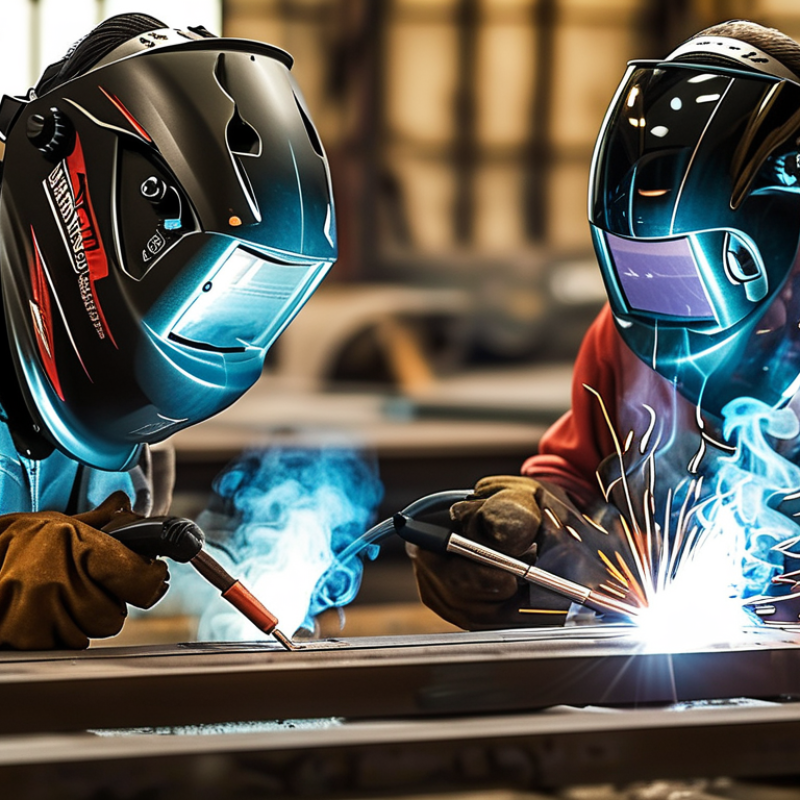
Understanding the Basics of Tig Welding Equipment
TIG welding, or Tungsten Inert Gas welding, is a precise method requiring the right equipment. To effectively choose the equipment, understanding the basics is crucial. The welding process uses a non-consumable tungsten electrode, which heats the metal, allowing for better control and clean welds. According to a report by the American Welding Society, TIG welding provides a lower heat input, making it ideal for thin materials.
Key components of TIG welding equipment include the welding machine, torch, and filler rod. A quality welding machine should offer a wide range of amperage settings. Typically, a range from 5 to 250 amps covers most tasks. The torch needs to be compatible with the machine and comfortable to hold. Often, welders overlook the importance of the filler rod, which directly affects weld quality. Selecting the wrong size or alloy can lead to defects.
It's essential to consider your specific needs when choosing equipment. Professional welders often recommend investing in a TIG welder with a high duty cycle. This indicates the machine's ability to operate continuously without overheating. However, budget constraints often limit options. In such cases, a lower-end model could suffice for hobbyists, but may fall short in performance and longevity. A balance between affordability and functionality is crucial for effective welding.
Key Features to Consider in Tig Welding Machines
When selecting a TIG welding machine, several key features are essential to ensure it meets your needs. The power output is crucial. Look for machines that provide a range of amperage settings. This will allow you to work with various materials and thicknesses effectively. The inverter technology is another feature worth considering. It enhances efficiency and portability, making it easier to transport the machine between sites.
A high-frequency start is important for arc stability. This feature helps in avoiding contamination during welding. Pay attention to the duty cycle as well. A higher duty cycle means you can weld for longer periods without overheating the unit. The inclusion of a foot pedal is beneficial for adjusting the amperage on the fly. This control can help improve the quality of your welds significantly.
Consider the types of materials you will be welding. Aluminum requires different settings compared to steel. Some machines offer welding with a wide variety of fillers. This flexibility could be valuable for your projects. Understand that no machine fits every scenario perfectly. You may need to adjust your technique or settings to achieve the desired results. This adaptability is part of mastering the art of TIG welding.
Assessing Power Requirements for Tig Welding
Assessing power requirements is critical when selecting TIG welding equipment. The power source directly impacts the welding process efficiency. A recent industry report indicates that around 75% of TIG welders face difficulties due to insufficient power capacity. Understanding your power needs helps avoid this common pitfall.
Consider the thickness of the materials you’ll weld. For instance, aluminum often requires more heat than stainless steel. A rule of thumb is that for every 1/16 inch of thickness, you need approximately 1 amp of power. Thus, for a 1/4-inch aluminum piece, a power setting of around 150 amps is ideal. This calculation can alleviate issues like poor penetration or excessive burn-through.
Moreover, the type of welding you plan to do affects power needs. For intricate work, higher precision equipment might be necessary, even if the materials are thin. Inadequate power can lead to inconsistent welds, causing frustration. An industry survey noted that nearly 40% of welders reported subpar performance linked to improper power selection. Thus, evaluating your specific application is essential for optimal results.
Evaluating Consumables and Accessories for Tig Welding
Choosing the right consumables and accessories for TIG welding can be daunting. Each component impacts the final outcome of your welding projects. Start with tungsten electrodes. These come in various sizes and types. Their diameter should match the welding amperage. For most applications, a 2.4mm tungsten will suffice. However, specialty jobs might require different options.
Filler metals are equally significant. They should complement the base metal for stronger joints. Consider using ER70S-6 for steel applications or ER4047 for aluminum. Inconsistent filler may lead to weak welds. Don't overlook the importance of gas shielding. Pure argon is often preferred. Ensure your flow rate is appropriate to avoid contamination.
Accessories also play a crucial role. A quality TIG torch can improve control and comfort. It affects how easily you manipulate the weld pool. Examine your gloves; they must provide protection while allowing dexterity. Ill-fitting gloves may hinder your ability to work effectively. Reflect on your setup and adjust accordingly to enhance your results.
Budgeting and Comparing Costs for Tig Welding Equipment
When budgeting for TIG welding equipment, understanding the cost spectrum is crucial. According to industry reports, entry-level TIG welders can range from $200 to $800. These models are suitable for hobbyists or small projects.
Professional-grade machines, however, often start at $1,500 and can exceed $5,000. This steep increase reflects advanced features and higher duty cycles.
It’s also important to factor in additional costs. Accessories like tungsten electrodes, filler metals, and safety gear can add another $200 to $500 to your investment. Regular maintenance is essential, which could amount to $100 annually. Many welders overlook this, impacting long-term performance. Evaluating total costs helps ensure a more comprehensive financial plan.
When comparing models, assessing their specifications is key. Look for features like amperage range, gas flow control, and portability. A model suited for stainless steel will differ from aluminum. Knowing your specific needs will guide you. However, price disparities don't always correlate with performance quality. It requires careful analysis to find the right balance for your situation. Many welders regret impulsively choosing the cheapest option. A wise decision can enhance productivity and safety in your projects.
FAQS
: Assessing power requirements is crucial for efficiency and avoiding frustration.
Thicker materials, like aluminum, require more amps—around 1 amp per 1/16 inch of thickness.
Approximately 150 amps is recommended for that thickness.
Inadequate power can cause inconsistent welds and may lead to subpar results.
The electrode size should match your welding amperage for effective operation.
Filler metals must complement the base metal to create stronger joints.
Proper gas flow rate prevents contamination, ensuring cleaner welds.
Consider costs for accessories, safety gear, and regular maintenance.
Each model has unique features that suit different welding applications.
Many regret impulsively buying cheaper options, impacting productivity and safety.
Conclusion
Choosing the best Saldatura Tig equipment involves understanding the fundamental aspects of Tig welding machines and their key features. When selecting equipment, it's essential to assess power requirements, as they directly influence the welding process's efficiency and quality. Additionally, evaluating consumables and accessories ensures that you have the necessary tools to achieve optimal results in your projects.
Budgeting and comparing costs are crucial steps in making an informed decision. It's vital to balance quality with affordability, as investing in reliable Saldatura Tig equipment can significantly enhance your welding experience. By considering these factors, you can select the equipment that best fits your needs, ensuring superior performance and productivity in your welding tasks.

 Duomu
Duomu