How to Master Spawanie Tig for Professionals in 2026?

Time:2026-07-26 Author:Amelia
0%

In the evolving field of welding, mastering "Spawanie Tig" has become essential for professionals aiming to stay ahead. As we approach 2026, the demand for skilled TIG welders continues to rise. The precision and versatility of this welding technique make it increasingly valuable in various industries. Yet, many professionals struggle with the intricacies of Spawanie Tig.

Experience shows that hands-on practice is key. Those who have spent years honing their skills often cite the importance of learning from mistakes. There’s always room for improvement, and this journey is never truly complete. The nuances of equipment settings, material choices, and proper techniques can be overwhelming. It’s crucial to acknowledge these challenges.

Professionals must seek reliable resources and training modules. Developing a deeper understanding of Spawanie Tig isn’t just about technical ability; it’s about cultivating a mindset focused on growth and adaptability. As we look forward, the welding landscape will demand ongoing education and skill refinement. Embracing imperfections will pave the way for extraordinary improvements.
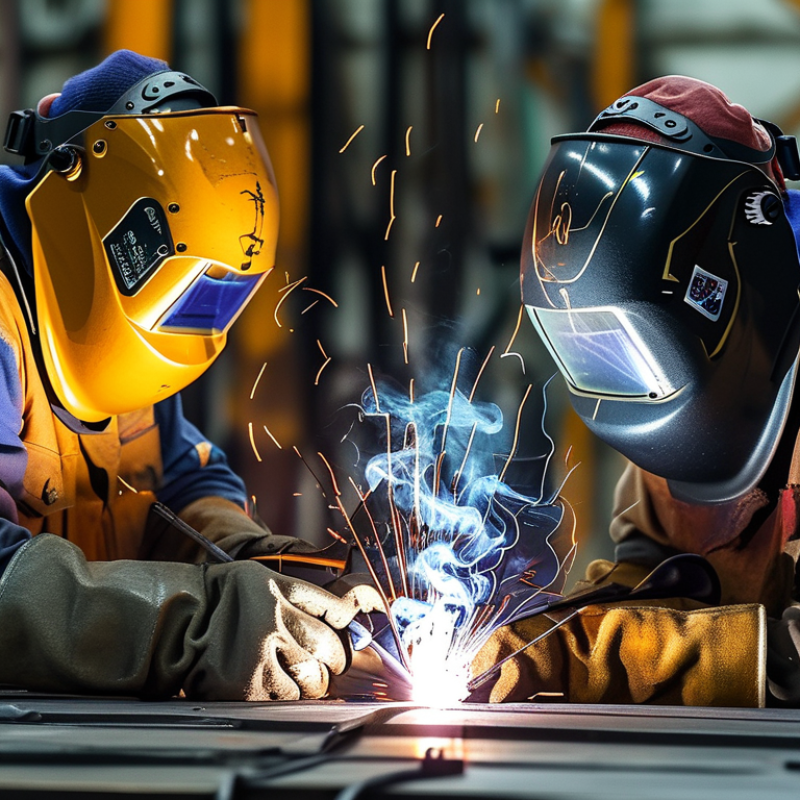
How to Master Spawanie Tig for Professionals in 2026?

Understanding the Basics of TIG Welding: A Professional's Guide

TIG welding requires a solid understanding of its fundamentals. Mastering Tig Spawanie is essential for professional welders in 2026. Begin by familiarizing yourself with shielding gases. Argon is commonly used, but mixtures can enhance performance. Remember that the purity of the gas directly affects the weld quality.

Here are some tips for better results. Focus on your torch angle. A 15-degree angle can improve control and heat distribution. Additionally, practice maintaining a steady hand during the welding process. Inconsistent movement can lead to defects like undercutting or excessive spatter. Pay attention to your filler material as well. The wrong filler can compromise weld strength.

Often, welders overlook cleaning their workpieces. Contaminants can cause issues during welding. Before you start, ensure your surfaces are free from rust and grease. Experiment with different techniques. Each setting can provide unique challenges. Reflect on your past experiences to identify areas for improvement. This self-assessment helps refine your skills continuously.

How to Master Spawanie Tig for Professionals in 2026? - Understanding the Basics of TIG Welding: A Professional's Guide

Dimension Details
Welding Technique TIG (Tungsten Inert Gas) Welding
Key Advantages Precision, Clean Welds, Versatility
Common Materials Welded Aluminum, Stainless Steel, Copper
Required Equipment TIG Welder, Tungsten Electrodes, Filler Rods
Gas Type Argon (For most applications)
Skill Level Required Intermediate to Advanced
Applications Aerospace, Automotive, Fabrication
Safety Precautions Protective Equipment, Adequate Ventilation

Key Techniques to Enhance Your TIG Welding Skills in 2026

Mastering TIG welding in 2026 requires dedication and technical skill. Many professionals face challenges with consistency. Focusing on key techniques can significantly enhance your capabilities.

One essential technique is controlling the heat. Too much heat can lead to warping. It’s crucial to find the right balance. Adjust your amperage based on material thickness. For thinner materials, lower settings are ideal. Keep practicing to refine this skill.

Another important aspect is filler rod selection. The right filler enhances weld quality. Experiment with different materials to see what works best for you. Always ensure your filler matches the base metal. This prevents complications in the welding process.

Tips: Maintain a steady hand and practice your travel speed. This ensures an even bead. Also, clean your work area regularly. A tidy space fosters better focus and reduces errors. Embrace the imperfections; each mistake is a valuable lesson.

Essential Equipment and Tools for Mastering TIG Welding

Mastering TIG welding requires the right equipment and tools. The heart of any TIG setup is the welding machine. In 2026, advanced inverter technology will provide better performance. Look for machines that offer high-frequency options. They ensure a stable arc, enhancing precision. A reliable gas supply is also vital. Pure argon gas ensures clean welds and prevents contamination.

Another essential tool is the torch. Choose one that fits comfortably in your hand. Ergonomic designs can reduce fatigue during long projects. A diverse range of tungsten electrodes will be key for different materials. Thin electrodes work well for stainless steel, while thicker ones suit aluminum.

Additionally, invest in a quality welding helmet. It should have a large viewing area and variable shade settings. This allows for better visibility and safety. Don't overlook protective gear, such as gloves and aprons. Even the best tools require proper care. Regular maintenance of your TIG equipment ensures longevity and reliable performance.

Common Challenges in TIG Welding and How to Overcome Them

TIG welding, or tungsten inert gas welding, presents unique challenges for professionals. One common issue is inconsistent arc stability. This can lead to poor weld quality. Often, this problem arises from incorrect settings or tungsten preparation. A clean and sharp tungsten electrode is crucial.

Tips: Ensure your tungsten is ground properly. Use a dedicated grinder to avoid contamination. A consistent grind angle helps maintain arc stability.

Another challenge is controlling heat input. Too much heat can cause warping or burn-through. Proper control of your travel speed is essential to avoid these issues. Knowing when to adjust your amperage can make a significant difference.

Tips: Practice on scrap material. Get a feel for the heat and travel speed. This will build confidence in controlling weld quality.

Lastly, achieving proper filler material deposition is often overlooked. Inadequate filler can lead to weak joints. Focus on the angle and movement of your torch. This requires practice and attention. It’s vital to assess your technique continually.

Tips: Record your settings and techniques for later review. Self-reflection can highlight areas for improvement.

Staying Up-to-Date with Industry Trends in TIG Welding in 2026

Staying current with industry trends in TIG welding requires proactive learning and adaptation. In 2026, new techniques and technologies will reshape the landscape. Professionals must commit to continuous education. Attending workshops or webinars can enhance skills. Engaging with peers in the field fosters collaborative learning.

The rise of automation in welding processes is significant. TIG welding will likely incorporate more automated tools. This can lead to increased efficiency but may also require technicians to adapt. Understanding how machines interact with traditional methods is crucial. Embracing these advancements can be daunting, but the rewards are substantial.

Networking remains a vital part of skill enhancement. Professional forums and social media groups offer insights into emerging trends. It’s essential to share experiences and learn from each other’s mistakes. An open mindset promotes growth in the field. Adopting a lifelong learning approach can prevent stagnation in this evolving industry.

Trends in TIG Welding Technology - 2026

FAQS

: What is essential for mastering TIG welding?

: A solid understanding of fundamentals is crucial.

What type of gas is commonly used in TIG welding?

Argon is widely used, but gas mixtures can improve performance.

How should the torch angle be positioned?

A 15-degree angle enhances control and heat distribution.

Why is cleaning workpieces important before welding?

Contaminants like rust and grease can affect weld quality.

What affects arc stability in TIG welding?

Incorrect settings and tungsten preparation can cause instability.

How can I control heat input effectively?

Adjusting travel speed and amperage is key to preventing issues.

What happens if filler material deposition is inadequate?

Weak joints can result from insufficient filler material.

How can I improve my welding technique over time?

Self-assessment and recording settings helps identify areas for improvement.

What should I do if I experience excessive spatter?

Focus on maintaining a steady hand and consistent movement.

How can practicing on scrap material benefit me?

It builds confidence in controlling heat and travel speed effectively.

Conclusion

The article "How to Master Spawanie Tig for Professionals in 2026" serves as a comprehensive guide for welding professionals aiming to elevate their TIG welding skills. It begins with an exploration of the fundamental aspects of TIG welding, ensuring that readers have a solid understanding of the technique. The guide then delves into key techniques specifically tailored for 2026, equipping welders with the necessary skills to enhance their precision and efficiency.

In addition to skills development, the article emphasizes the importance of essential equipment and tools required for mastering Spawanie Tig. It also addresses common challenges welders face and provides practical solutions to overcome these obstacles. Finally, the piece encourages professionals to stay informed about the latest industry trends in TIG welding, ensuring they remain competitive and knowledgeable in an evolving field.


Amelia

Amelia

Amelia is a seasoned marketing professional with a wealth of expertise in our company’s core offerings. With an unwavering passion for driving growth and innovation, she plays a pivotal role in shaping our marketing strategies and enhancing brand visibility. A key aspect of her responsibilities......