In the realm of industrial cutting and welding, the significance of plasma torch manufacturers cannot be overstated. These experts create tools essential for precise metalwork. According to John Smith, a renowned expert in plasma technology, "Choosing the right plasma torch can enhance efficiency and reduce waste." This statement highlights the importance of selecting a reliable manufacturer.
There are numerous manufacturers in the market, each offering various models and features. This can be overwhelming for buyers. Factors like durability, power output, and customer support play a critical role in selecting the right manufacturer. It's essential to conduct thorough research.
However, not every manufacturer meets high standards. Some prioritize profit over quality, which can lead to subpar tools. Reflecting on these aspects helps buyers make informed decisions. The right plasma torch can improve productivity while ensuring safety in the workplace. Choosing wisely is crucial for both short-term and long-term success in metal fabrication.
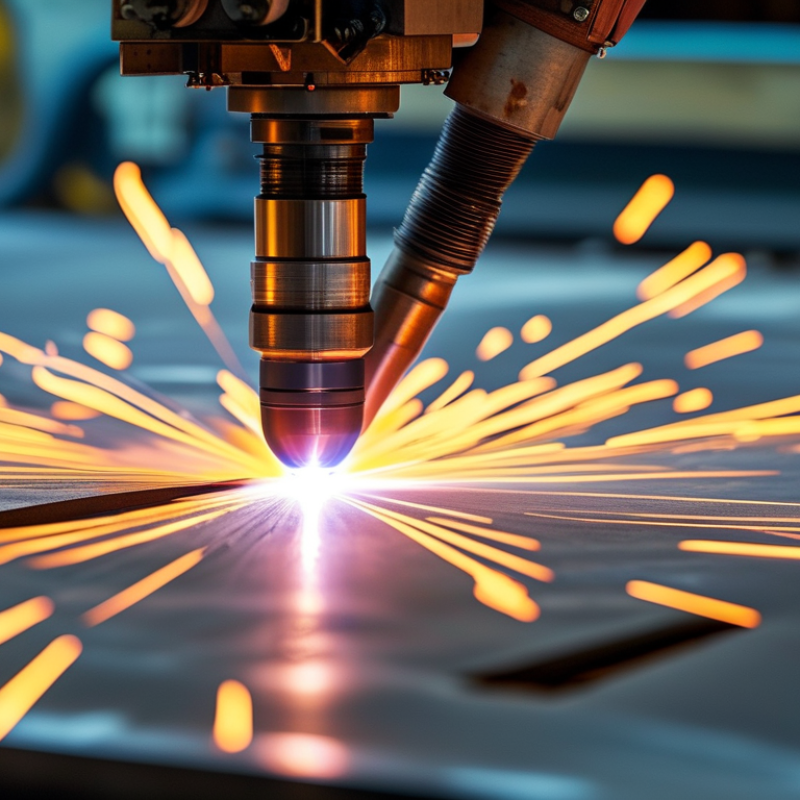
A plasma torch is a tool that uses ionized gas to generate high-temperature arcs. This technology is vital in various manufacturing processes, including cutting and welding. The key components include the power supply, torch body, electrodes, and cooling system. Each part plays an essential role in ensuring the torch's efficiency and reliability.
When selecting a plasma torch, consider its components carefully. Choose a model with durable electrodes and an efficient cooling system. These factors can enhance the torch's lifespan and performance. Look for a device that meets your specific manufacturing needs.
Tips for choosing the right plasma torch include checking the specifications thoroughly. Ensure it aligns with your intended applications. Engage with experienced metallurgists or professionals for insights. A reliable recommendation can guide you toward a torch that balances performance and cost-effectiveness. Also, think about the availability of replacement parts, as this can impact long-term maintenance.
Plasma torches find diverse applications across multiple industries. In metal fabrication, they cut and weld materials with high precision. Reports indicate that the metal fabrication sector is expected to grow by 3.5% annually through 2025. The ability of plasma torches to generate high temperatures allows for effective processing of various materials, including steel, aluminum, and copper. This versatility makes them integral in automotive and aerospace manufacturing.
In the waste management industry, plasma torches offer innovative solutions for waste treatment. They can convert hazardous waste into inert materials through plasma gasification. A study by the Institute of Scrap Recycling Industries highlights that using plasma technology can reduce landfill waste by over 80%. This process can also generate energy, presenting a dual benefit for both waste reduction and energy production. However, the high initial investment and operational costs may deter some facilities from adopting this technology.
Further, plasma torches are essential in the healthcare sector for sterilization. They effectively eliminate bacteria and viruses on medical instruments. Research shows that conventional methods may not always achieve optimal sterilization, leading to lingering risks. This emphasizes the importance of advanced technologies like plasma processing in ensuring safety. Notably, while plasma torches have impressive applications, their complexities require careful consideration. Users must assess costs, benefits, and specific industry needs before making decisions.
When choosing a plasma torch manufacturer, it's essential to assess several key factors. Experience in the industry plays a critical role. Look for manufacturers with years of expertise in plasma technology. Their history often indicates reliability and advanced knowledge, ensuring quality products.
Another important factor is the range of products offered. A diverse product line indicates that the manufacturer understands varying applications and customer needs. Evaluate the technical specifications of their torches. Ensure they meet your project requirements for performance and efficiency. Additionally, customer support can't be overlooked. Reliable manufacturers provide accessible support and comprehensive documentation.
Pricing matters too, but it shouldn't be the only consideration. Sometimes, lower-priced torches come with hidden costs through reduced quality. Revisit some reviews or seek feedback from other users to gauge satisfaction. This can also point out potential areas of concern. Aim for a balance between cost and value to make a well-informed decision.
This chart illustrates the importance rating of various factors to consider when selecting a plasma torch manufacturer. Each factor is rated on a scale from 1 to 10, indicating its significance in the decision-making process.
When exploring plasma torch manufacturers, it's crucial to analyze the leading brands and their performance. Different brands offer varying levels of efficiency, durability, and technology. For instance, some torches provide superior cutting speed but may compromise on precision. Others excel in reliability but might lack advanced features. Understanding these trade-offs can help you make informed decisions.
Performance metrics typically include cutting quality, operational ease, and maintenance requirements. Certain models stand out in automatic adjustments, ensuring a more stable arc during cutting. However, users should note that advanced features often come with a steeper learning curve. It's essential to assess your specific needs.
Additionally, consider the availability of replacement parts and customer support. A well-established brand generally has a network for service and parts. This can save you time and money in the long run. Finding the right balance between features and your operational requirements is key. Remember, what works for one operation may not suit another, highlighting the importance of personalized research.
The plasma torch technology is evolving rapidly. Manufacturers are integrating advanced features that enhance efficiency and versatility. Innovations in materials, such as high-performance electrodes, are reshaping how plasma torches operate. These advancements allow for greater precision in applications like cutting, welding, and metal shaping.
Choosing a plasma torch manufacturer can be challenging. Research is imperative. Look for firms with a strong track record in R&D. A reliable manufacturer should provide clear data about their products' performance. Transparency in specifications ensures that you understand what you are purchasing.
Tips: Always check user reviews. They provide insights into real-world performance. Compare technologies and see which suits your needs. Your selection process should include practical demonstrations whenever possible. Don’t hesitate to ask questions. Engaging directly with manufacturers can reveal hidden advantages or potential drawbacks. Remember, the right choice can significantly impact your operations.
| Dimension | Details |
|---|---|
| Power Output | Typically ranges from 30 to 300 amps |
| Voltage | Common options include 110V, 220V, and 480V |
| Operating Temperature | Can exceed 20,000°C in the plasma arc |
| Cutting Thickness | Capable of cutting materials up to 50 mm |
| Types of Materials | Efficient for metals, composites, and some plastics |
| Applications | Used in automotive, aerospace, and metal fabricating industries |
| Safety Features | Includes integrated cooling systems and protective shields |
| Maintenance Requirements | Routine checks on electrode and nozzle wear |
: A plasma torch generates high-temperature arcs for cutting and welding in manufacturing processes.
Key components include the power supply, torch body, electrodes, and cooling system.
Check specifications thoroughly and ensure it aligns with your intended applications.
Experienced manufacturers show reliability and advanced knowledge, which can ensure quality products.
Look at product range, technical specifications, customer support, and availability of parts.
Yes, cheaper options can come with hidden costs related to lower quality and performance.
Some models excel in speed but may sacrifice precision; understanding trade-offs is essential.
Evaluate maintenance requirements and the availability of replacement parts to ensure longevity.
Advanced features can improve performance but often come with a steeper learning curve.
It's crucial, as what suits one operation may not work for another, requiring careful evaluation.
A plasma torch is a cutting-edge tool used in various manufacturing processes, characterized by its key components such as the electrode, nozzle, and power supply. These torches are essential in industries ranging from metal fabrication to aerospace, enabling precision cutting and welding through the use of ionized gas. Understanding the diverse applications of plasma torches is crucial for manufacturers to identify the best fit for their operational needs.
When selecting plasma torch manufacturers, several factors should be considered, including product quality, technological innovations, and after-sales support. A comparative analysis of leading brands can provide insights into their performance and efficacy. Staying informed about industry trends and innovations is vital for companies aiming to enhance productivity and maintain competitiveness in the ever-evolving manufacturing landscape. By focusing on these aspects, businesses can make well-informed decisions when investing in plasma torch technology.

Duomu