Laser cladding is rapidly transforming various industries, providing innovative solutions in surface treatment and manufacturing enhancement. According to a recent market report from ResearchAndMarkets, the global laser cladding market is projected to grow at a compound annual growth rate (CAGR) of 6.5%, reaching significant figures by 2028. This growth reflects the increasing demand for durable and efficient surface enhancement technologies.
This process involves the deposition of materials onto substrates to improve properties such as wear resistance and corrosion protection. However, potential users must be cautious about equipment selection and material compatibility. Not all cladding techniques yield the same results, and indiscriminate application can lead to subpar performance. Additionally, the learning curve associated with these technologies may challenge some businesses to achieve optimal outcomes.
As companies explore laser cladding, understanding its nuances is crucial for success. Different technologies offer unique benefits, but choosing the right one requires careful consideration. Balancing expertise with innovative advancements will ultimately guide global buyers in making informed decisions about this cutting-edge technology.
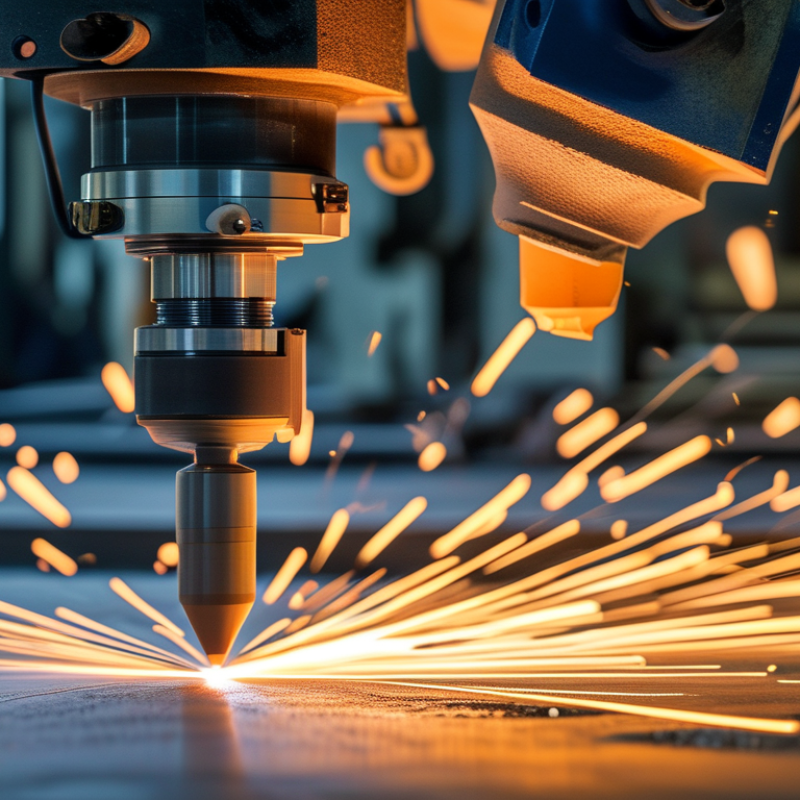
Laser cladding has emerged as a vital manufacturing technology across various industries. Its ability to enhance surface properties makes it increasingly popular. Reports indicate that the global laser cladding market is expected to grow by approximately 5.2% annually from 2021 to 2026. This growth is driven by the need for wear-resistant surfaces and improved corrosion protection.
In the aerospace sector, laser cladding is pivotal in restoring and coating engine components. This process can reduce maintenance costs significantly, estimated at a savings of 20-30%. The automotive industry also benefits, utilizing this technology to improve the longevity of essential parts like gear systems. Research from industry studies indicates that over 70% of manufacturers are looking to implement laser cladding in their operations.
However, challenges remain. The high initial investment for laser cladding equipment can be a barrier for smaller businesses. Quality control during the cladding process also requires stringent measures. A study found that inconsistent cladding thickness led to a 15% rejection rate in test samples. Addressing these issues is vital for optimizing the application of this advanced technology.
Laser cladding is gaining popularity for its ability to enhance surfaces. This technology involves adding materials to a substrate using a laser, allowing for better wear and corrosion resistance. Some techniques focus on powder feeding, while others prefer wire. Each method offers unique advantages suited to different applications.
Precision is crucial in laser cladding. The choice of materials and the parameters of the laser settings can significantly affect the outcome. Poor handling can lead to inadequate bonding and weak layers. Selecting the right technology ensures optimal results. Some processes may require more extensive research to fully understand their limitations.
Tips: When choosing a cladding technique, assess your specific needs and material compatibility. Evaluate the equipment carefully before investment. Look for experienced professionals to guide you on best practices. Taking time to analyze and reflect on processes can yield better long-term results.
Laser cladding has emerged as a vital technology in materials engineering. Its versatility makes it suitable for various applications. Different techniques exist, and each has unique advantages and drawbacks. Understanding these differences is crucial for industries looking to enhance their material properties.
One prominent method is powder-fed laser cladding. This technique allows for precise control over material distribution and composition. However, it may require extensive post-processing, which can add time and costs. On the other hand, wire-fed cladding offers faster material deposition rates. Yet, this method may struggle with complex geometries.
Another technique, direct energy deposition, utilizes focused energy to melt feedstock. It provides excellent adaptability for repairs and modifications. Nevertheless, the learning curve could be steep for new operators. Considering these aspects can guide decision-making. It’s essential to weigh the specific requirements of each project against the pros and cons of each method. Real-world experiences often reveal unexpected challenges in implementation, leading to valuable lessons.
Laser cladding is on the rise, impacting diverse sectors. According to a recent market research report, the global laser cladding market is projected to grow at a CAGR of 6.1% from 2023 to 2028. This growth is driven by advancements in technology and increasing demand for improved surface properties in various applications. Industries are focusing on enhancing corrosion resistance, wear resistance, and thermal stability.
The technology is evolving rapidly. Innovations like multi-laser systems and real-time monitoring systems enhance precision. In the aerospace sector, for instance, manufacturers are leveraging laser cladding for repairing turbine blades, ensuring safety and efficiency. However, the industry faces challenges, including high initial setup costs and the complexity of process parameters. These factors raise questions about return on investment for smaller manufacturers.
Sustainability concerns are also emerging. As industries prioritize eco-friendly practices, using laser cladding may promote less waste. A study indicated that laser cladding can result in up to 50% less material waste compared to traditional methods. Nonetheless, several companies must assess their operational restrictions and whether they can adapt to these innovative techniques while adhering to environmental regulations. This shift in mindset is critical for future growth and competitiveness in the global market.
| Technology | Material Compatibility | Applications | Advantages | Market Trend |
|---|---|---|---|---|
| Wire Laser Cladding | Steel, Aluminum | Aerospace, Automotive | Low distortion, High deposition rate | Growing demand in aerospace sectors |
| Powder Laser Cladding | Nickel, Cobalt | Energy, Marine | Versatile, High quality coatings | Rapid expansion in marine applications |
| Laser Cladding with Pre-placed Powder | Titanium, Carbides | Medical, Industrial Equipment | Cost-effective, Excellent adhesion | Increasing use in medical devices |
| Direct Energy Deposition (DED) | Various metals | Aerospace, Tooling | Highly efficient, Flexible | Innovative developments in aerospace |
| Hybrid Laser Cladding | Steel, Alloys | Heavy Machinery, Construction | Increased productivity, High-quality | Popular in construction industry |
| Laser Cladding for Repair | Various substrates | Repair of welded parts | Cost-saving, Extends life | Increasing demand for repair solutions |
| Non-Contact Laser Cladding | Always adaptable | Specialty applications | Safe and precise | Niche market growth |
| Laser-Aided Additive Manufacturing | Polymers, Metals | Consumer products, Aerospace | Innovative designs, Customization | Rapid adoption in various sectors |
| Multi-Layer Coating Laser Cladding | Ceramic, Metal alloys | Aerospace, Power Generation | Enhanced durability, Layer management | Emerging technology with significant potential |
When considering laser cladding solutions, global buyers face significant challenges. Understanding the technology's intricacies is crucial. Different laser sources and types of powders can impact results. Each combination affects the performance and durability of the coatings. Selecting the right parameters is complex. It requires careful evaluation and testing.
Cost is another key consideration. The initial investment for advanced laser cladding systems can be substantial. Maintenance and operational costs can also add up over time. Buyers should weigh these costs against the potential benefits, such as improved component lifespan. Short-term savings might not outweigh long-term performance gains.
Additionally, finding reliable suppliers is essential. Not every provider offers the same level of expertise. Some may lack adequate support or training. It’s vital to assess the supplier's track record. Reviews and case studies can provide insights into their reliability. Engaging with industry experts can yield valuable advice. Ultimately, the path to choosing the right laser cladding technology involves careful thought and collaboration. It requires a blend of knowledge, experience, and strategic planning.
: Laser cladding is a manufacturing process that enhances surface properties. It involves applying material to improve wear resistance and corrosion protection.
The global laser cladding market is expected to grow by about 5.2% annually from 2021 to 2026.
In aerospace, laser cladding helps restore engine components, significantly cutting maintenance costs by 20-30%.
The automotive industry uses laser cladding to enhance the longevity of parts, like gear systems. It improves durability.
Buyers struggle with understanding the complexity of laser technology. Choosing the right laser source and powder is essential.
Yes, initial investments are high. Maintenance and operational costs can also accumulate, affecting long-term savings.
Buyers should assess suppliers’ track records. Checking reviews and engaging with experts helps identify reliable partners.
Quality control is challenging. Inconsistent cladding thickness can lead to a 15% rejection rate in test samples.
Careful evaluation of parameters is crucial. It impacts the performance and durability of the coatings applied.
Buyers should balance costs with potential benefits, considering both short-term savings and long-term performance gains.
Laser cladding is an advanced surface treatment technology that has gained significant traction across various industries due to its ability to enhance material properties. This article provides a comprehensive overview of laser cladding and its diverse applications, ranging from aerospace to automotive sectors. It delves into key technologies involved in laser cladding, offering an in-depth review of methods such as powder feeding and wire feeding processes, and evaluates their suitability based on specific project requirements.
Additionally, the paper highlights current market trends and future directions for laser cladding technologies, emphasizing the importance of innovation in improving efficiency and performance. While discussing the benefits, it also addresses challenges that global buyers face when selecting laser cladding solutions, including cost considerations and technical compatibility. Overall, this summary underscores the growing relevance of laser cladding in modern manufacturing and its potential for future advancements.

Duomu