China’s Top 10 Plasma Coating Suppliers: A Practical Introduction
China has become a major manufacturing base for advanced surface engineering. Its plasma coating suppliers serve aerospace, energy, medical, automotive, and industrial equipment markets. Their capabilities can differ sharply, even when their websites use similar technical language.
This guide reviews ten notable Chinese suppliers through practical criteria. These include coating materials, plasma systems, substrate preparation, thickness control, testing, certifications, and delivery experience. It also considers whether a supplier can support small trials, repeat production, and demanding environments. A polished website is not enough. Factory evidence matters more.
In Revestimento De Plasma, process stability often decides the final result. Professor Christian Moreau, a respected thermal-spray researcher, emphasizes a practical principle: “Coating performance begins with process control.” That view remains highly relevant when comparing Chinese manufacturers. Stable plasma power, controlled spray distance, clean surfaces, and accurate powder feeding can affect adhesion and wear resistance.
Some supplier information may change. Public data can also be incomplete. That is worth acknowledging. Buyers should request recent test reports, sample panels, equipment details, and customer references before making a decision. A supplier may excel at ceramic coatings but lack experience with complex metal parts. Another may offer impressive laboratory results but struggle with consistent volume production.
This ranking is therefore a starting point, not a final verdict. It aims to help technical buyers ask sharper questions, identify realistic strengths, and avoid choosing only by price. The best supplier is usually the one that can explain its process clearly and reproduce the same coating under real production conditions.
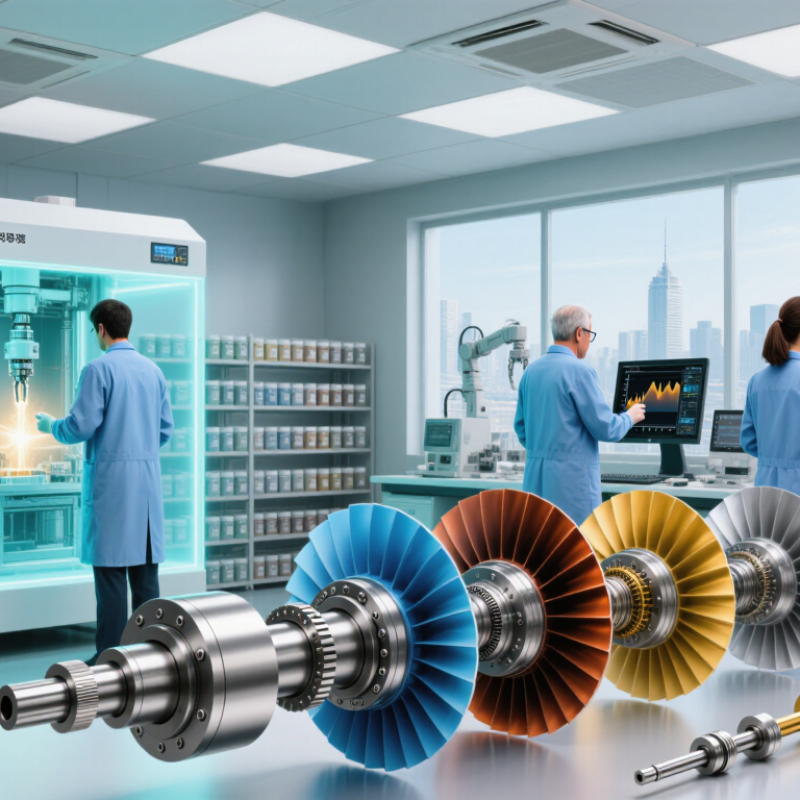
Plasma coating is a surface treatment that uses ionized gas to melt or soften coating material. The material then strikes a prepared surface and forms a dense protective layer. Common feedstocks include ceramics, metals, and carbide-based powders. The process can improve resistance to heat, corrosion, erosion, and wear.
In practical work, technicians first clean and roughen the component, often through controlled grit blasting. They then adjust gas flow, spray distance, power, and powder feed rate. Small changes matter.
A turbine part may need thermal protection, while a pump sleeve may require low friction and strong adhesion. Plasma coatings also appear on engine components, industrial rollers, cutting tools, medical implant surfaces, and electronic parts.
When comparing China’s top plasma coating suppliers, buyers should request coating thickness records, adhesion results, surface roughness data, and inspection procedures. Test methods should match the application, not merely fill a specification sheet. A reliable supplier can explain substrate preparation, masking limits, repair options, and expected service life. Ask for sample testing when the component is expensive or difficult to replace. The process is powerful, but it is not magic. Poor preparation can cause cracking or peeling, even with excellent equipment. I would also question unusually broad performance claims without independent test evidence. Supplier experience matters most when coating shape, temperature, and operating pressure change together.
Evaluating China’s plasma coating suppliers requires more than comparing prices or searching for a “top ten” list. A serious review starts with the coating’s job. Will it resist wear, heat, corrosion, or electrical leakage? Ask for measured results on your actual substrate, not only polished brochure samples. Request coating thickness, hardness, porosity, surface roughness, adhesion, and test standards. These figures should match your operating temperature and load.
An experienced supplier should explain powder selection, plasma gas control, surface preparation, masking, and post-treatment. During a factory visit, inspect grit-blasting areas, dust control, calibration labels, and batch records. Small details matter. Can technicians identify a failed coating without guessing? Can they repeat the same result across three production batches? Ask for a trial run using your component dimensions and inspection method. Photographs help, but they cannot replace cross-section analysis or adhesion testing.
Reliability also appears in documentation. Check material certificates, process parameters, nonconformance procedures, lead times, and warranty limits. Clear answers are more valuable than impressive claims. A supplier should welcome a technical audit and define who owns quality decisions. Still, no evaluation is perfect. Laboratory data may not predict years of field exposure. Run a controlled pilot, record failures, and challenge the supplier’s assumptions. That extra caution may slow purchasing, but it protects the final equipment.
A practical screening model for comparing plasma coating suppliers in China. The weighting emphasizes measurable coating performance, process consistency, quality evidence, and production capability rather than company size or brand visibility.
Use these criteria when reviewing technical datasheets, sample-test results, inspection records, coating thickness reports, adhesion tests, corrosion-resistance data, equipment capability, delivery history, and quality-management documentation. The percentages represent a buyer-defined evaluation baseline, not rankings of individual suppliers.
China’s top plasma coating suppliers serve aerospace, medical, energy, electronics, and precision manufacturing industries. A credible ranking should examine coating equipment, process control, engineering experience, and verified customer results. Supplier capability varies widely. Some companies specialize in atmospheric plasma spraying, while others focus on vacuum plasma systems, ceramic coatings, or surface activation.
Look for suppliers that can explain substrate preparation, spray distance, gas flow, and coating thickness. Reliable teams should provide sample testing, adhesion data, porosity measurements, and clear inspection records. Their laboratories may use microscopes, hardness testers, roughness gauges, and thermal cycling equipment. Ask how they control dust, temperature, and operator variables during production.
Details matter.
A strong supplier also understands application risks. A coating that performs well on steel may fail on aluminum or heat-sensitive polymers. Request trial parts before approving large orders. Review material certificates, process instructions, and traceability records. Suppliers with experienced engineers usually discuss failure modes openly, rather than promising perfect results. That honesty is valuable.
The phrase “Top 10” should not be treated as an official certification. Rankings can change with technology, capacity, delivery performance, and regional service. Some evaluations may remain subjective, especially when public test data is limited. Buyers should compare recent samples, factory audits, response times, and after-sales support. In practice, the best match depends on coating purpose, production volume, tolerance requirements, and long-term reliability.
China’s top ten plasma coating suppliers typically serve more than one manufacturing niche. Their services may include coating design, surface preparation, masking, spraying, machining, inspection, and component repair. Experienced suppliers also review drawings and operating conditions before recommending a process. That step matters when parts face heat, erosion, corrosion, or repeated friction.
Common technologies include atmospheric plasma spraying, vacuum plasma spraying, and suspension plasma spraying. Some workshops combine these methods with grit blasting, laser measurement, and controlled finishing. Coating materials can include ceramics, carbides, metals, and engineered oxide blends. Reliable suppliers should provide coating thickness data, bond-strength results, porosity checks, and traceable process records. Certifications help, but they do not replace technical evidence.
The supported industries are broad. Aerospace companies use coatings on turbine parts and thermal barriers. Power plants protect boiler tubes, valves, and pump components. Medical manufacturers require carefully controlled coatings for selected instruments and implants. Semiconductor, automotive, marine, and chemical-processing sectors also seek wear-resistant surfaces. In practical sourcing, I would compare sample reports, equipment capability, operator experience, and after-sales response. No supplier is best at everything. A polished capability sheet can still hide weak inspection control, uncertain delivery, or limited experience with complex geometries. That risk deserves attention.
Choosing among China’s top plasma coating suppliers requires more than comparing prices. Check the supplier’s practical experience with your material, coating type, and operating temperature. A supplier coating turbine parts may not understand medical components or electronic housings. Ask for project records, process photographs, and measurable performance data. Ask for evidence.
Technical capability should be visible on the factory floor. Review plasma equipment, powder storage, surface preparation, and inspection methods. Confirm whether technicians measure coating thickness, porosity, adhesion, and surface roughness. Request test reports from samples made under conditions similar to yours. Samples can mislead. A polished demonstration piece may hide poor preparation or unstable process control. Independent testing is valuable when the application carries high wear, heat, or corrosion demands.
Communication also affects reliability. A dependable supplier should explain lead times, tolerances, repair procedures, and quality documentation clearly. Discuss how they handle rejected parts and process changes before signing an agreement. Verify production capacity through a small trial order, not promises alone. Visit the facility if possible, and compare stated equipment with actual equipment. My own selection reviews have shown that the cheapest quotation often excludes masking, rework, packaging, or testing. That lesson is easy to overlook. A better decision balances technical evidence, consistency, transparent communication, and total lifecycle cost.
Plasma coating uses ionized gas to melt or soften coating material. The material strikes a prepared surface and forms a protective layer. Small changes matter.
Common materials include ceramics, metals, carbides, and engineered oxide blends. The choice depends on heat, corrosion, erosion, friction, and wear requirements.
It is used on turbine parts, pump sleeves, engine components, rollers, cutting tools, and selected medical surfaces. Electronic, automotive, marine, and chemical equipment may also require it.
Technicians clean and roughen the surface, often through controlled grit blasting. They may also apply masking to protect areas that should remain uncoated. Poor preparation can cause peeling.
Common options include atmospheric, vacuum, and suspension plasma spraying. The suitable method depends on the component shape, material, temperature, and operating environment.
Request coating thickness records, adhesion results, porosity checks, surface roughness data, and inspection procedures. Also ask for process photographs and traceable production records. Ask for evidence.
Review equipment, powder storage, surface preparation, inspection tools, and operator experience. Request samples made under conditions similar to the final application. Samples can mislead.
Confirm lead times, tolerances, masking limits, repair procedures, packaging, testing, and rejected-part handling. A small trial order can reveal inconsistent process control. The cheapest quote may exclude important services.
Plasma coating is an advanced surface treatment process that uses energized gas to deposit protective or functional materials onto a component. It can improve resistance to heat, wear, corrosion, oxidation, and chemical exposure, making it valuable in aerospace, automotive, energy, medical equipment, electronics, and industrial manufacturing. This article explains the basic principles of plasma coating, common applications, and the meaning of Revestimento De Plasma in modern surface engineering.
It also presents a practical overview of China’s top 10 plasma coating suppliers without focusing on brand names, comparing their technical capabilities, coating systems, testing methods, production capacity, and customer support. Readers will learn how to assess supplier experience, material compatibility, quality control, customization options, delivery reliability, and after-sales service. The guide concludes with key factors for selecting a suitable partner, helping buyers match supplier strengths with project requirements, performance expectations, budget, and industry standards.

Duomu