What Are the Top Micro Arc Welder Types in 2026?

Time:2026-10-30 Author:Sophia
0%

Choosing a Micro Arc Welder in 2026 is less about chasing the highest amperage and more about matching the process to the part. A thin stainless-steel tube, a tiny battery tab, and a dental instrument place very different demands on heat control, access, and repeatability. Small welds leave little room for correction. A bright, tidy bead can still conceal distortion or inconsistent penetration.

This guide compares micro TIG, pulsed-arc, resistance micro-welding, and precision plasma options by their strengths, limitations, and typical applications. It also considers controls that matter at the bench: stable low-current output, pulse adjustment, electrode access, and repeatable settings. Welding metallurgy expert John C. Lippold’s published work emphasizes how process selection must account for materials and joint conditions. In paraphrase, the practical rule is: “Match the process to the material and joint.” Treat that as guidance, not a verbatim quotation.

No single machine suits every workshop. A jeweler may value fine control and a compact torch, while a production line may need consistent, documented cycles. Specs alone can mislead. Real performance depends on setup, operator skill, and the workpiece itself. Some details are easy to overlook, especially when comparing machines from different manufacturers. The sections ahead explain what each type can—and cannot—do, so buyers can make a more informed shortlist.
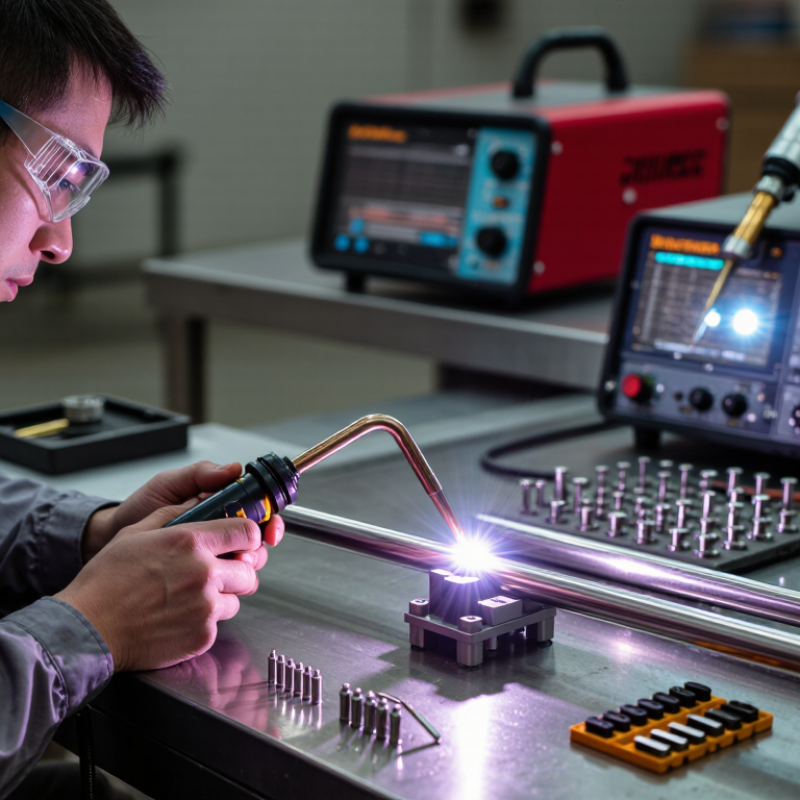
What Are the Top Micro Arc Welder Types in 2026?

What Defines a Micro Arc Welder and How Does It Work?

A micro arc welder makes small, controlled joints by striking an electric arc between an electrode and a workpiece. “Micro” describes the scale and control of the weld, not one universally defined machine type. In common precision setups, a non-consumable tungsten electrode creates the arc, while shielding gas protects the hot metal from air. The operator may add a fine filler wire, or fuse the edges directly. ISO 4063 classifies gas tungsten arc welding as process 141; that code identifies the process, not a specific machine size. The AWS Welding Handbook describes arc temperatures in the thousands of degrees, so even a tiny arc can melt metal quickly.

In practice, the welder controls current, pulse timing, and electrode distance to limit heat spread. A short pulse can join a fine wire without visibly warping a thin component. The shielding gas flows around the electrode and weld pool; a draft can disturb that protection. Small parts often need a steady fixture, clean surfaces, and magnification. Useful details matter. Current settings vary with metal, thickness, and joint shape, so there is no reliable universal “micro” setting. The term itself is a little imprecise, and that deserves attention when comparing machines. Arc temperature figures also vary by measurement point and operating conditions, so they should not be treated as a guaranteed workpiece temperature.

Which Micro Arc Welding Processes Are Used in 2026?

In 2026, micro arc welding commonly refers to small-scale applications of established arc processes, not one separate welding method. Micro tungsten inert gas welding gives operators precise control over heat and a stable arc, making it useful for thin stainless steel, fine components, and small repairs. Micro plasma arc welding constricts the arc, helping concentrate energy on a narrow area. Micro gas metal arc welding can support faster, repeatable joining when the parts and equipment suit it. The right process depends on material, thickness, joint access, and acceptable distortion.

The American Welding Society’s 2023 workforce outlook estimated that the United States could need 360,000 welding professionals by 2027. That figure signals continuing demand for skilled work, but it does not rank micro welding processes by popularity. In practice, operators choose settings through trials: a slight change in current, travel speed, or torch distance can alter penetration and bead shape. Inspect the joint under magnification; tiny pores matter. Automation can improve consistency, yet it cannot correct poor fit-up. Micro laser welding is also used for precision joining, though it is not an arc process and should not be grouped with micro arc methods. Industry reports offer useful context, but process selection still needs to match the actual part.

How Do Capacitor-Discharge and Inverter Micro Welders Differ?

What Are the Top Micro Arc Welder Types in 2026?
How Do Capacitor-Discharge and Inverter Micro Welders Differ?

Capacitor-discharge micro welders store energy in capacitors, then release it in a very short pulse. This quick burst can limit heat spread around a small joint. It is useful when joining thin tabs, fine wires, or delicate components. The process depends on clean surfaces, steady pressure, and correctly shaped electrodes. Small setup changes matter.

Inverter micro welders convert incoming power electronically and offer finer control over current and weld time. That adjustability can help when materials or part thicknesses vary. Operators can tune settings through test welds and inspect the joint, rather than relying on one fixed energy level. It takes judgment. A display cannot confirm weld quality by itself.

The practical difference is control versus simplicity, though that comparison is not absolute. Capacitor-discharge equipment may be compact and fast for repeatable, similar joints. Inverter systems often suit jobs needing broader adjustment, but extra settings can invite guesswork. Neither type guarantees a sound weld. Check the joint’s appearance and strength using an appropriate inspection method, and follow the equipment maker’s procedures. Small samples are worth the time. A tidy-looking bead can still hide a weak bond.

Capacitor-Discharge vs. Inverter Micro Welder Pulse Profiles

Conceptual, normalized waveforms—not measured specifications. A capacitor-discharge pulse typically decays as stored energy is released; an inverter can regulate current to create a more sustained pulse. Actual profiles vary with the welder, settings, and workpiece.

Which Micro Arc Welder Types Suit Jewelry, Dental, and Electronics Work?

What Are the Top Micro Arc Welder Types in 2026?

Which Micro Arc Welder Types Suit Jewelry, Dental, and Electronics Work?

Jewelry makers often choose a capacitor-discharge pulse-arc welder for sizing rings, joining prongs, and repairing chains. Its brief energy burst can limit heat spread around a small joint. Micro TIG offers steadier control for longer seams or thicker precious-metal parts. Look for adjustable current, a stable microscope view, and a foot pedal; a tiny misplaced pulse can still leave a visible crater.

For dental laboratories, pulse-arc and micro TIG systems can join compatible alloys in crowns, frameworks, and orthodontic components. The WHO’s 2022 Global Oral Health Status Report estimates that oral diseases affect nearly 3.5 billion people worldwide. That scale underscores the need for dependable lab processes, not a particular welder. Check alloy compatibility and follow the material manufacturer’s instructions. Small test pieces matter.

Electronics work needs a careful distinction: micro resistance spot welders often suit battery tabs and thin metal leads better than arc systems. For fine conductive parts requiring fusion, micro TIG may fit, but heat can damage nearby components. ISO 4063 classifies TIG as process 141 and plasma arc welding under process 15. Those classifications help compare processes, though they do not guarantee a clean result. Honestly, operator skill and fixturing can matter as much as the machine.

How Can You Compare Micro Arc Welder Types and Features?

Micro arc welders differ mainly in arc control, heat input, and access to tiny joints. ISO 4063:2023 classifies TIG welding as process 141 and plasma arc welding as process 15. Micro-TIG suits delicate repairs on thin stainless steel and small components; pulsed output can reduce average heat while maintaining a stable arc. Micro-plasma systems focus the arc through a constricting nozzle, which can improve precision on repeatable, very small seams. Pulsed TIG is a control mode, not a separate welding process. Small distinction. It matters.

Compare minimum current, pulse-frequency range, duty cycle, and foot-pedal response—not just maximum amperage. Check whether the unit supports the electrode diameter and shielding-gas setup your parts require. TWI’s technical guidance on TIG welding highlights the importance of shielding gas and clean joint preparation; contamination can spoil a neat-looking bead. Ask suppliers for sample welds using your actual material thickness, then inspect penetration and distortion under magnification. A low-current rating alone does not guarantee a steady arc. Thin sheet can still warp.

Tips:

Test on matching offcuts. Record current, pulse settings, and gas flow. Keep the joint clean, and compare the finished bead under magnification. If the machine feels powerful but difficult to control, that is useful evidence—not a detail to ignore.

FAQS

What does “micro” mean in micro arc welding?

“Micro” refers to the small weld and precise control, not one standard machine type. The term is a little vague.

How does a micro arc welder make a joint?

An electric arc forms between an electrode and the workpiece, melting a small area. A tungsten electrode and shielding gas are common in precision setups. The operator may add fine filler wire or fuse the edges directly.

How does the operator control heat spread?

Current, pulse timing, and electrode distance help limit heat. A brief pulse can join fine wire with less visible warping. Still, nearby parts can be sensitive.

What preparation helps with small parts?

Clean surfaces, a steady fixture, and magnification can improve control. Keep shielding gas away from drafts. Small details matter.

What equipment may suit jewelry repairs?

Pulse-arc equipment can help with ring sizing, prongs, or delicate chain repairs. Micro TIG may suit longer seams or thicker parts. A foot pedal and stable microscope view can help. One misplaced pulse may leave a crater.

What should dental laboratories check before welding?

Check that the process suits the alloy, and follow the material maker’s instructions. Test pieces are useful. A small sample can reveal problems before work begins.

Is an arc welder always the best choice for electronics?

No. Micro resistance spot welding often suits battery tabs and thin metal leads. Micro TIG may work for parts that need fusion, but heat can damage nearby components.

Does a precise machine guarantee a clean weld?

No. Operator skill and fixturing matter, too. Settings depend on the metal, thickness, and joint shape, so there is no universal micro setting. I’d test first.

Conclusion

A Micro Arc Welder creates a brief, concentrated electrical arc to join small metal parts with precision and limited heat spread. In 2026, common approaches include capacitor-discharge systems, which release stored energy in short pulses, and inverter-based systems, which electronically regulate the arc for adjustable, controlled welding. The best choice depends on the materials, joint size, required precision, and how often the equipment will be used.

Different applications call for different capabilities. Jewelry work may benefit from fine control and a small, precise weld area, while dental applications often prioritize consistency and carefully managed heat. Electronics work may require settings suited to delicate components and thin materials. When comparing welder types, consider pulse control, energy range, electrode access, ease of operation, safety features, and compatibility with the intended work. Matching these factors to the task can help achieve reliable results without applying more heat or energy than necessary.


Sophia

Sophia

Sophia is a dedicated marketing professional with an exceptional depth of knowledge about her company's products and services. With a keen understanding of market trends and customer needs, she crafts insightful blog posts that not only inform but also engage readers, enriching the company’s online......