Understanding the Tig Welding Process is essential for global buyers looking to enhance their manufacturing capabilities. The Tig Welding Process, known for its precision and versatility, is widely used in industries ranging from aerospace to automotive. According to the American Welding Society, the Tig process accounts for approximately 15% of all welding procedures used today. This statistic underscores its importance in high-quality applications.
Expert John Smith, a seasoned professional in the welding industry, emphasizes the significance of this method: “The Tig Welding Process offers unparalleled control, making it ideal for intricate designs.” His insights highlight the unique benefits this technique brings, despite its perceived complexity.
While the Tig Welding Process is celebrated for its advantages, it also presents challenges. Mastering the parameters requires skill and practice. Many users find themselves struggling with inconsistent results. Understanding these nuances becomes vital for buyers wanting reliable outcomes. Investing in training can significantly enhance the quality of results achieved through this method. A deeper comprehension of the Tig Welding Process is crucial for anyone aiming to make informed decisions in today’s competitive market.
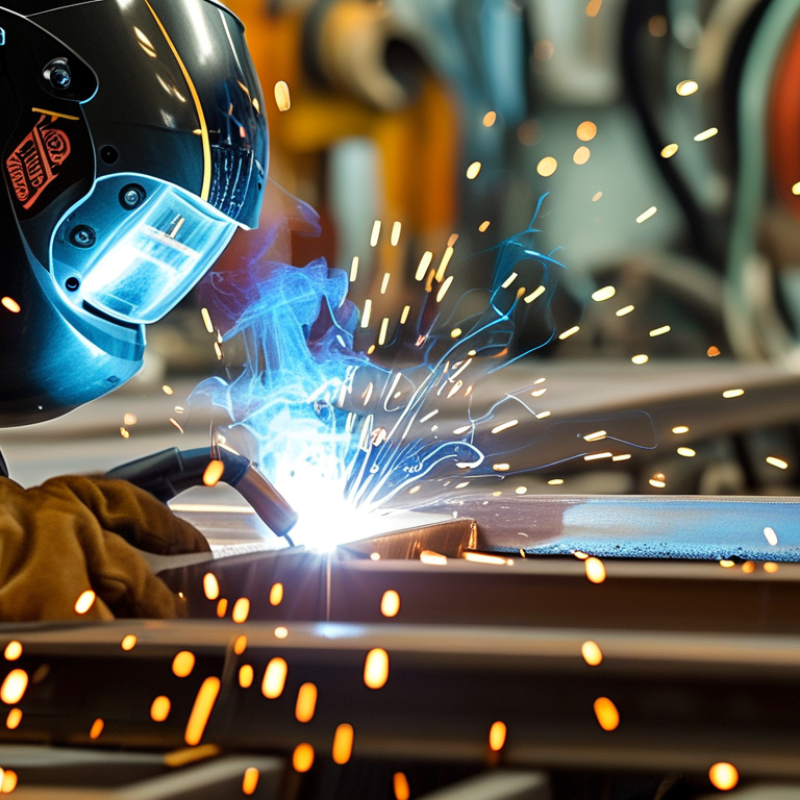
Tungsten Inert Gas (TIG) welding is highly regarded for its precision. This process utilizes a non-consumable tungsten electrode to produce the weld. It creates a strong, clean, and high-quality joint, suitable for thin materials. A gas inert environment prevents contamination. This is essential for achieving optimal results.
Industry reports indicate that TIG welding accounts for approximately 25% of the welding market. Its applications span various sectors, including aerospace and automotive. TIG's advantages include versatility and ability to weld a range of metals. However, the process can be slow and requires skilled operators. A lack of proper training may lead to defects in the weld.
The heat generated in TIG welding can be very intense. This requires a careful approach to avoid warping or damaging the workpiece. Effective heat control is crucial. Despite its challenges, TIG welding remains vital in high-stakes industries. Data suggests continuous growth in demand for skilled TIG welders. This highlights the importance of ongoing training and development in the field.
TIG welding, or tungsten inert gas welding, is a precise and versatile process. It relies on key components and equipment to ensure quality results. The main components include the tungsten electrode, filler metal, and shielding gas. Each plays a vital role in the welding operation.
The tungsten electrode is crucial for generating the arc. It must withstand high temperatures without melting. The choice of electrode type influences bead appearance and penetration depth. Filler metal adds strength to the weld joint and is selected based on the base materials. An inadequate choice can lead to weak welds.
Shielding gas protects the weld pool from contamination. Argon is the most common choice, providing excellent coverage. But, using a mix of gases can enhance performance in some applications. Proper gas flow is essential too; too much can blow away the shielding, while too little can allow impurities. Understanding these components improves welding outcomes significantly. Learning to adjust them requires practice, as incorrect setups can lead to frustrating results.
TIG welding, or Tungsten Inert Gas welding, offers numerous advantages for various applications. This process is known for its precision and control, making it ideal for intricate tasks. According to a report by the American Welding Society, TIG welding accounts for about 25% of the global welding market. This indicates a significant preference among professionals for its high-quality output.
One of the primary benefits of TIG welding is its versatility. It can be used on a wide range of materials, including stainless steel, aluminum, and even exotic metals. Its ability to produce clean and strong welds has led industries such as aerospace and automotive to favor it. A recent study revealed that TIG welding can reduce contamination risk by over 30% compared to other methods. This is especially critical in sectors where integrity and safety are paramount.
While TIG welding is advantageous, there are challenges as well. The process requires skilled operators, and the setup time is longer than MIG welding. Additionally, the equipment can be more expensive. For small-scale operations, these factors could hinder choice. However, understanding these trade-offs is vital for global buyers seeking to maximize efficiency and quality in their welding projects.
| Application | Advantages of TIG Welding | Materials Suitable for TIG Welding | Common Industries |
|---|---|---|---|
| Aerospace | High precision, excellent control, clean welds | Aluminum, titanium, stainless steel | Aerospace manufacturing |
| Automotive | Strong welds, versatility with different materials | Steel, aluminum | Automotive fabrication and repairs |
| Fabrication | Clean appearance, great for aesthetics | Stainless steel, copper alloys | Metal fabrication shops |
| Medical Devices | Precise welds, hygienic and clean welds | Stainless steel, specialty alloys | Medical equipment manufacturing |
| Marine | Corrosion resistance, strong joints | Aluminum, marine-grade stainless steel | Boat building and repairs |
TIG welding, or Tungsten Inert Gas welding, has become increasingly popular across various sectors. This method offers precise control and exceptional weld quality, making it ideal for several applications. Industries like aerospace rely on TIG welding for its ability to create strong, clean joints in materials like aluminum and stainless steel. The aerospace sector often prioritizes safety and integrity, which makes TIG a preferred choice for critical components.
In the automotive world, TIG welding plays a crucial role in fabricating exhaust systems and frames. The ability to maintain control over heat input results in less distortion. This aspect is vital for maintaining the structural integrity of vehicle parts. Moreover, food and beverage industries utilize TIG for sanitary applications, ensuring that welds do not harbor bacteria. This underscores the method's versatility and reliability across diverse fields.
Despite its advantages, TIG welding requires skilled operators. The learning curve can be steep, and not everyone masters it quickly. Some may find themselves struggling with inconsistent welds initially. Reflection on personal experiences in the field has shown that practice and patience are essential for improvement. It's this journey of refining skills that solidifies the importance of expertise in the TIG welding process.
TIG welding, or tungsten inert gas welding, requires strict safety measures. Arc flashes pose risks, making protective gear essential. Operators should wear helmets with appropriate filters to shield their eyes. Safety glasses can provide additional eye protection. Using gloves and flame-resistant clothing adds an extra layer of safety.
Air quality is another concern. Fumes from certain metals can be hazardous. According to data from the American Welding Society, about 20% of welders experience respiratory issues. Adequate ventilation systems are pivotal. Local exhaust ventilation can reduce airborne contaminants effectively.
Operators must also be aware of the electric shock hazard. Electric shock can be lethal, especially in moist conditions. Proper grounding of equipment is critical. Regular inspection of cables and connectors should not be overlooked. Even minor frays can lead to accidents, underscoring the need for vigilance.
: TIG welding uses a non-consumable tungsten electrode for precise, high-quality welds.
Key components include the tungsten electrode, filler metal, and shielding gas. Each is essential for quality results.
Shielding gas protects the weld pool from contamination, ensuring clean and strong joints.
Industries such as aerospace, automotive, and food processing benefit from TIG's precision and weld quality.
Proper heat control prevents warping and damage to the workpiece. It is crucial for successful outcomes.
Beginners may struggle with inconsistent welds. Practice and patience are vital for improving skills.
Choosing the right filler metal adds strength. An incorrect choice can lead to weak, unreliable welds.
Continuous training enhances skills, addressing the steep learning curve associated with mastering TIG welding.
Too much gas can blow shielding away; too little allows impurities, compromising the weld's integrity.
The process can be slow and requires skilled operators. Inadequate training can lead to defects in welds.
The Tig Welding Process, known for its precision and versatility, is an essential method in various industries. This process utilizes a non-consumable tungsten electrode to produce welds, providing clean and high-quality joints. Key components, including the welding torch, power source, and shielding gas, play a critical role in ensuring effective operation.
TIG welding offers numerous advantages, such as the ability to weld thin materials and a cleaner work environment due to minimal spatter. Its applications range from aerospace to automotive industries, making it a preferred choice for high-quality fabrication. However, to ensure safety and optimal results, adhering to safety precautions and best practices is vital in every TIG welding operation.

Duomu