In the evolving landscape of welding technology, "Plasmaschweißen" emerges as a pivotal method. This technique utilizes plasma, a highly ionized gas, to achieve precise and efficient welding. The ability to control heat input makes it an ideal choice for various materials, enhancing weld quality. A skilled operator can produce stronger joints with minimal distortion.
However, mastering Plasmaschweißen requires extensive knowledge and expertise. Ideal parameters must be established for different thicknesses and materials. Many practitioners may overlook small details, leading to inconsistent results. Understanding the intricacies of plasma arc behavior is crucial for successful application. As technology advances, ongoing training becomes essential for operators to stay updated.
Furthermore, there can be challenges regarding equipment setup and maintenance. Not every workshop is equipped for optimal use of Plasmaschweißen. Investing in proper tools and regularly reviewing processes can significantly improve outcomes. Reflecting on these aspects is vital for efficiency and reliability. Embracing both the potential and limitations of Plasmaschweißen can lead to more effective welding solutions.
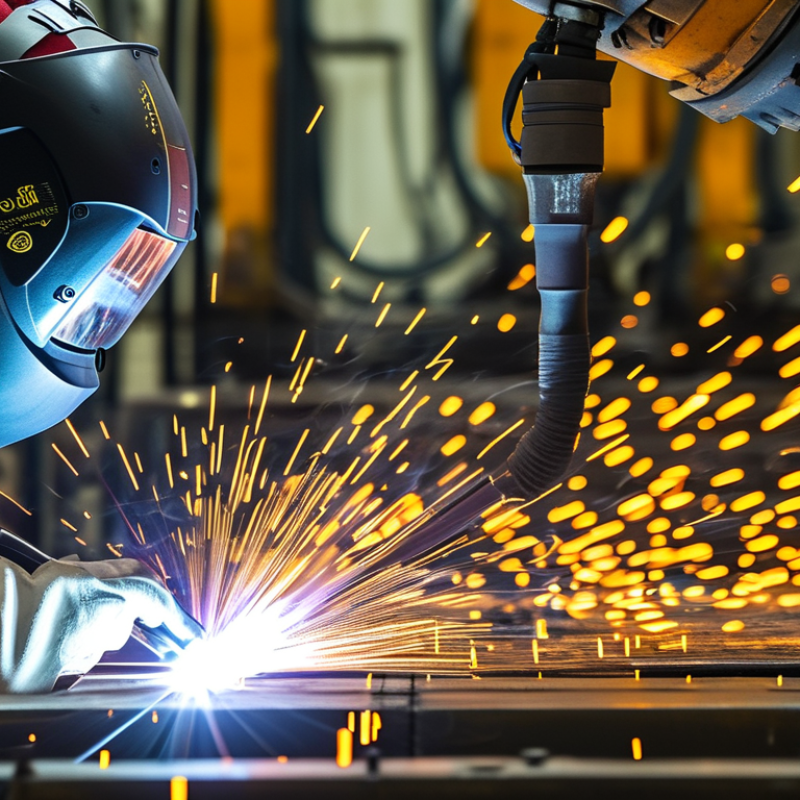
Understanding Plasmaschweißen: Definition and Applications
Plasmaschweißen, or plasma welding, is a process that uses a plasma arc to join materials. This technique operates at high temperatures, making it suitable for a variety of metals, including steel and aluminum. According to industry reports, plasma welding can achieve a penetration rate of up to 90%, significantly enhancing weld strength. The precision of the arc allows for minimal heat distortion, which is crucial for thin-walled components.
Applications of plasmaschweißen are diverse. It is used in aerospace, automotive, and shipbuilding industries. In aerospace, for instance, the use of plasma welding helps reduce weight while maintaining structural integrity. A recent technical study indicates that around 30% of aerospace components are made using such high-precision welding techniques.
However, adopting plasmaschweißen is not without challenges. Initial setup costs can be prohibitive for smaller operations. Additionally, the skill required to operate plasma welding equipment is higher than traditional methods. A closer examination reveals that operators need comprehensive training to harness the full potential of this technology.
Advantages of Plasmaschweißen in Welding Processes
Plasmaschweißen, or plasma welding, has gained recognition for its efficiency and precision in various industries. One remarkable advantage of this process is its ability to weld thin materials with minimal distortion. According to industry reports, plasma welding can achieve a heat-affected zone that is 40% smaller than that of traditional welding methods. This precision reduces material waste, which is crucial in cost-sensitive operations.
The versatility of plasmaschweißen allows it to work on diverse metals, including stainless steel and titanium. A study by the Welding Institute noted that welds produced by plasma processes have higher strength and less susceptibility to corrosion. These qualities are essential when manufacturing parts for aerospace or automotive applications. However, the initial investment in plasma equipment can be substantial, posing a challenge for smaller companies.
Training is vital for operators to maximize the benefits of this technique. Misguided handling can lead to weld defects, undermining the process's advantages. Continuous professional development in plasma welding helps ensure that technicians maintain high standards. As the industry evolves, adapting and reflecting on practices can lead to further optimization of plasmaschweißen.
Advantages of Plasmaschweißen in Welding Processes
Step-by-Step Guide to Implementing Plasmaschweißen
Plasmaschweißen, or plasma welding, is becoming a go-to method for efficient welding solutions. This technology excels in precision and speed. According to industry reports, plasma welding can increase productivity by up to 40% compared to traditional methods. It’s crucial to understand the steps involved in implementation to fully leverage its advantages.
Begin by assessing your welding needs. This involves selecting the right materials and determining the required joint configurations. Preparation is key. Ensure surfaces are clean, as contaminants can impact quality. A report from the American Welding Society highlights that improper preparation can lead to a 25-30% increase in defect rates.
Next, focus on the setup. Proper alignment of the plasma torch and workpiece directly influences the weld quality. Regular calibration of the equipment is essential. Data shows that even minor misalignment can lead to significant quality issues. Operators should get trained on the nuances of the plasma arc. This hands-on experience is invaluable for troubleshooting. Implementing feedback mechanisms in your workflow can help refine the process over time. Adapting to these guidelines can dramatically enhance your welding operations.
2026 How to Use Plasmaschweißen for Efficient Welding Solutions?
| Welding Parameter |
Recommended Value |
Effect on Weld Quality |
Notes |
| Arc Voltage |
15-25 V |
Affects bead appearance and penetration |
Adjust for material thickness |
| Travel Speed |
150-350 mm/min |
Influences heat input and distortion |
Modify based on joint design |
| Gas Flow Rate |
5-15 L/min |
Protection from contamination |
Ensure proper shielding |
| Electrode Type |
Tungsten |
Critical for stability |
Select based on alloy |
| Filler Material |
Matching Alloy |
Ensures compatibility |
Use similar properties |
Safety Precautions and Best Practices for Plasmaschweißen
Plasmaschweißen, or plasma welding, is increasingly used for its efficiency. However, safety precautions are critical in ensuring a secure working environment. Workers should wear protective gear, including helmets and gloves, to guard against heat and sparks. Eye protection is essential to block harmful UV radiation emitted during the welding process.
Proper ventilation is another crucial element. Plasmaschweißen produces fumes that can be hazardous. Make sure the workspace is well-ventilated to reduce the inhalation of these potentially toxic fumes. When setting up the workspace, keep flammable materials away. Spills and clutter can escalate risks significantly.
Training is vital for operators. Understanding the equipment is key, yet many overlook this. Regular practice sessions can help refine skills. However, new users should always work under supervision until they gain confidence. Reflecting on accidents, learning from them, and sharing knowledge can significantly improve safety culture. It's not just about following rules but fostering a mindset that prioritizes safety at all times.
Future Trends in Plasmaschweißen Technology and Efficiency
Plasma welding, or Plasmaschweißen, is gaining traction as industries seek greater efficiency. Reports suggest that the global plasma welding market is expected to reach $400 million by 2026, driven by demand for high precision. This indicates a shift from traditional welding methods to plasma-based solutions, primarily due to their superior control and adaptability.
Future trends show a focus on automation and integration with smart technologies. As industries adopt Industry 4.0 principles, plasma welding processes are likely to become more streamlined. For instance, the integration of AI in plasma welding can optimize parameters in real-time, increasing productivity. However, the challenge lies in the adaptation of existing workforce skills. Many technicians may need retraining, which can be a hurdle for companies.
Sustainability is another critical trend. According to recent studies, plasma welding contributes significantly less to carbon emissions compared to conventional methods. Despite this, the energy consumption during operation raises concerns. Companies may need to reconsider their energy sources to maximize efficiency while minimizing environmental impact. Addressing these issues will be key for the successful implementation of future plasma welding technologies.
FAQS
: Plasma welding is an efficient welding method that offers high precision and speed.
Clean surfaces and proper alignment significantly enhance weld quality.
Contaminants can increase defect rates by 25-30%. Preparation cannot be overlooked.
Protective helmets and gloves are crucial. Eye protection is vital against harmful UV rays.
Plasmaschweißen produces harmful fumes. Good ventilation reduces inhalation risks.
Always work under a supervisor until you feel confident. Training is essential for skill development.
Automation and smart technology integration are key trends shaping plasma welding's future.
It produces fewer carbon emissions. However, energy use during operations must be addressed.
Many overlook equipment knowledge, yet training minimizes accidents and improves safety culture.
Retraining existing staff can pose challenges, but it's necessary for leveraging new technology.
Conclusion
Plasmaschweißen, or plasma arc welding, is a cutting-edge technique that enhances efficiency in various welding applications. This method utilizes a concentrated plasma arc to achieve high-quality welds, making it ideal for thin materials and complex geometries. The advantages of Plasmaschweißen include its precision, speed, and versatility, which can significantly improve production processes across industries.
To effectively implement Plasmaschweißen, it's essential to follow a step-by-step guide that outlines setup, operation, and troubleshooting. Safety precautions and best practices must also be prioritized to ensure a safe working environment. As technology evolves, the future of Plasmaschweißen promises increased efficiency and automation, positioning it as a key player in the welding landscape.

 Duomu
Duomu