Choosing among China’s Plasma Cladding suppliers requires more than comparing prices, brochures, or polished factory photographs. The strongest partners demonstrate stable arc control, accurate powder feeding, qualified operators, and repeatable metallurgical results. Their samples should show a dense bonding zone, limited porosity, controlled dilution, and a smooth transition between substrate and coating. Small details matter. A worn nozzle can change the bead profile. Poor powder storage can affect hardness and surface finish.
Professor Narendra B. Dahotre, a recognized surface-engineering researcher, has stated, “Surface engineering succeeds when process control matches the service environment.” This principle should guide every supplier evaluation. A capable Chinese manufacturer will ask where the component operates, whether abrasion or corrosion dominates, and how much dimensional restoration is required. It should not recommend one alloy for every application. That would be convenient, but rarely reliable.
This article examines who may be considered among the best China Plasma Cladding suppliers. It focuses on equipment capability, alloy selection, inspection procedures, production experience, and technical support. Factory scale alone is not enough. Request cross-section images, hardness maps, trial reports, and references from comparable industries. Ask how they manage heat input and repair defects. Some suppliers may provide excellent laboratory samples but struggle with large, irregular components. That difference deserves attention.
There is no perfect shortlist. Supplier claims can be incomplete, and published specifications may hide practical limitations. Buyers should verify performance through documented trials and independent testing when necessary. The best choice is the supplier that can explain its process clearly, measure results consistently, and improve when the first attempt is not ideal.
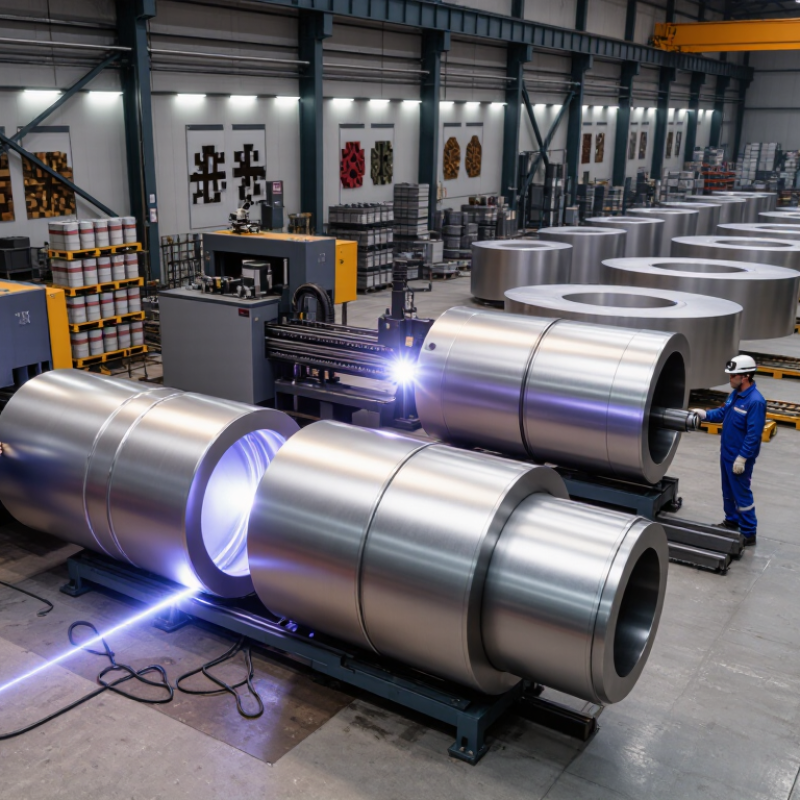
Plasma cladding is a surface repair and protection process. It deposits a wear-resistant alloy onto a metal component. A plasma arc creates intense, controlled heat above the workpiece. At the same time, alloy powder or wire enters the molten pool. The material melts and forms a metallurgical bond with the base metal.
In a properly adjusted system, the cladding layer shows low dilution and limited heat distortion. Shielding gas protects the molten metal from oxidation. Travel speed, arc current, powder feed rate, and stand-off distance all affect the result. A small change can create pores, cracks, or uneven thickness. The process is precise, not effortless.
During supplier evaluation in China, buyers should request cross-section reports, hardness data, and production samples. Ask how operators control powder flow and substrate temperature. A reliable supplier should explain inspection methods, including visual checks, dimensional measurement, and non-destructive testing when suitable.
The ideal layer depends on the application. A pump sleeve needs different alloy performance than a mining roller.
I once assumed higher hardness always meant longer service life. That view is incomplete. Toughness, bonding quality, machining allowance, and operating temperature matter too. Supplier claims should match documented tests and actual working conditions.
What Makes a China Plasma Cladding Supplier the Best?
The best China plasma cladding supplier proves performance with measured evidence, not attractive brochures. Experienced engineers should explain powder selection, dilution control, heat input, and substrate preparation clearly. They should also show real experience with valves, shafts, molds, mining parts, or other demanding components. Practical knowledge matters because a coating can look smooth yet fail beneath the surface.
Independent testing is essential. ISO 14923:2013 identifies important thermal-spray evaluation methods, including hardness, adhesion, porosity, and wear resistance. A reliable supplier should provide test records, coating maps, material certificates, and batch traceability. ASTM-based testing can strengthen confidence when specifications require it. Grand View Research valued the global thermal spray coatings market at about USD 11 billion in 2023, showing strong industrial demand. However, this figure does not prove every plasma cladding supplier performs equally well.
Ask for process data before discussing price. Look for stable thickness, controlled dilution, repeatable hardness, and documented repair procedures. A capable workshop should welcome sample trials and destructive testing. It should also explain equipment calibration and operator qualifications. Short answers are warning signs.
No supplier is perfect. Some technical claims may still need verification. Audits should inspect powder storage, machine records, and finished-part inspection areas. Clear communication about defects, rework, and delivery risks often reveals more than sales language. Reliable suppliers share limitations early, then improve the process with evidence.
China’s plasma cladding suppliers increasingly serve steel, power generation, mining, oil and gas, and heavy machinery. Their core advantage is practical manufacturing depth. China produced about 54% of global crude steel in 2023, according to World Steel Association data. This large industrial base supports local access to shafts, valves, rolls, wear plates, and repair workshops.
Suppliers serving steel mills typically clad work rolls, guide plates, and continuous-casting components. Mining customers need carbide-reinforced layers for crushers, buckets, and conveyor parts. In power generation, suppliers protect boiler tubes, valve seats, and turbine-related surfaces from erosion and corrosion. The International Energy Agency expects global electricity demand to grow by an average 3.4% annually through 2026. That outlook strengthens demand for longer-lasting power equipment. Marine and petrochemical users also seek controlled heat input, stable hardness, and traceable inspection records.
A capable supplier should provide metallurgical reports, hardness maps, dilution data, and repair procedures. ISO 9001 certification helps, but it does not prove field performance. Buyers should request samples from similar service conditions. Published case studies often hide wear rates and downtime figures. That is a weakness. Supplier comparisons should examine operator experience, powder selection, surface preparation, and post-cladding machining. Delivery speed matters, but repeatable quality matters more. One overlooked detail can shorten service life.
| Supplier Profile | Key Industries Served | Typical Components | Common Cladding Materials | Typical Substrate Metals | Core Capability to Verify | Recommended Qualification Evidence |
|---|---|---|---|---|---|---|
| Profile A — Precision PTA Specialist | Oil and gas; chemical processing; valve manufacturing | Valve seats, sealing surfaces, pump parts, stems | Cobalt-based alloys, nickel-based alloys, stainless steel powders | Carbon steel, alloy steel, stainless steel | Low dilution, controlled heat input, consistent layer thickness | Procedure qualification record, dilution measurement, hardness mapping, metallographic cross-sections |
| Profile B — Heavy-Equipment Repair Provider | Mining; construction equipment; cement production | Crusher parts, hydraulic rods, wear plates, earthmoving components | Iron-based wear alloys, nickel-based alloys, carbide-reinforced powders | Medium- and high-carbon steels, quenched-and-tempered steels | Large-part handling, preheating, distortion control, post-cladding machining | Representative wear-test results, dimensional inspection reports, repair case records, NDT reports |
| Profile C — Power-Generation Cladding Provider | Thermal power; hydropower; waste-to-energy | Boiler components, turbine parts, hydraulic machinery, erosion shields | Stainless steel, nickel-based corrosion alloys, cobalt-based wear alloys | Low-alloy steel, stainless steel, heat-resistant steel | Corrosion and erosion resistance, thermal-cycle control, repair repeatability | Chemical composition certificates, bend or bond testing where applicable, PT/MT/UT records, service references |
| Profile D — Steel and Continuous-Process Specialist | Steelmaking; metal processing; rolling mills | Rolls, guide rollers, shear blades, wear-resistant tooling | Iron-based alloys, nickel-based alloys, cobalt-based alloys | Tool steel, alloy steel, stainless steel | Surface hardness control, crack prevention, profile restoration and finishing | Hardness uniformity data, surface-finish records, dimensional reports, non-destructive testing procedures |
| Profile E — Aerospace and High-Value Repair Provider | Aerospace maintenance; precision engineering; defense-related manufacturing | Small rotating parts, tooling, shafts, localized repair areas | Nickel-based alloys, cobalt-based alloys, stainless steel powders | Heat-resistant alloys, stainless steel, tool steel | High-precision positioning, traceability, controlled atmosphere and process documentation | Material traceability, calibrated equipment records, qualified welding or cladding procedures, detailed inspection plans |
| Profile F — New-Part Manufacturing Supplier | Industrial machinery; pumps; valves; general engineering | New valve bodies, pump sleeves, shafts, wear-resistant surfaces | Stainless steel, nickel-based alloys, iron-based alloys | Carbon steel, stainless steel, alloy steel, cast steel | Integration of cladding with CNC machining, dimensional control and production consistency | First-article inspection, process-control plan, powder certificates, dimensional inspection and sample approval |
When comparing China plasma cladding suppliers, start with the process, not the catalogue. Ask how they control arc current, powder feed rate, shielding gas, and travel speed. These settings shape dilution, hardness, bonding, and crack resistance. Request cross-section photographs and test data from the same alloy and substrate you will use. Generic samples prove little. An experienced supplier should explain parameter changes clearly, including the limits they have observed. That honesty matters more than impressive claims.
Quality depends on repeatability. Check whether each batch has material certificates, powder lot records, operator records, and dimensional inspection results. Useful evidence includes metallographic analysis, hardness mapping, porosity checks, and adhesion or bend testing where appropriate. Ask for acceptance criteria before production begins. In factory audits, look at powder storage, calibration labels, extraction systems, and repair procedures. Small gaps appear. Poor traceability can turn one acceptable coating into an unreliable production run. Still, test reports should be verified against actual parts; paperwork alone is not quality.
Production capacity requires more than a large workshop. Compare available plasma stations, shift patterns, fixture size, skilled technicians, and monthly output for comparable components. Ask how urgent orders affect normal quality controls. Pilot production is valuable: send several parts, measure cycle time, inspect repaired areas, and compare results across operators. A supplier may promise high volume but lack enough trained staff. I have learned to examine bottlenecks, not just equipment counts. Clear communication, documented changes, and realistic delivery dates often separate a dependable partner from a merely capable one.
The chart uses published industry reference ranges for plasma transferred arc cladding. Higher values are generally preferable for powder utilization, deposition efficiency, hardness, and production capacity, while lower dilution is preferred. These benchmarks support supplier evaluation without presenting company-specific or brand-specific data.
Choosing a China plasma cladding supplier requires more than comparing hourly rates. According to MarketsandMarkets, the global thermal spray coatings market was valued at about USD 11.4 billion in 2023. This figure signals strong demand, but plasma cladding remains highly application-specific. Ask for recent case records involving your alloy, substrate, operating temperature, and wear mechanism. A polished sample proves little.
Request process evidence before signing. Reliable suppliers should provide powder certificates, batch traceability, equipment calibration records, and documented control of current, travel speed, shielding gas, and dilution. Check hardness maps, metallographic cross-sections, porosity results, and bond-strength testing. ISO 14923 offers useful guidance for thermal-spray coating qualification, although it does not replace a project-specific procedure. The test method matters.
Audit the factory, remotely or in person. Watch how operators prepare a rough steel surface, measure preheating, and inspect a repaired edge. Ask whether independent laboratories verify results. Suppliers should explain acceptance limits in writing, not promise “zero defects.” That sounds reassuring, but it is rarely realistic. The World Bank reports that quality-related production losses can materially affect industrial productivity, so inspection costs deserve a place in the budget. Confirm lead times, rework responsibilities, technical support, export documents, and warranty exclusions. One overlooked detail remains common: the supplier may qualify the coating, but not the complete component under real service conditions.
Steel mills use it on work rolls, guide plates, and casting components. Mining companies protect crusher parts, buckets, and conveyor components. Power plants treat boiler tubes, valve seats, and turbine surfaces. Marine and petrochemical equipment also needs erosion and corrosion protection.
Ask how it controls arc current, powder feed, shielding gas, and travel speed. These settings affect dilution, hardness, bonding, and crack resistance. Request samples using your actual alloy and substrate. Generic samples are weak evidence.
Request powder certificates, batch records, operator logs, and dimensional inspection results. Useful evidence includes hardness maps, cross-sections, porosity checks, and adhesion tests. Calibration records matter too. Paperwork alone is not quality.
Compare test methods with your real component and service conditions. Check the alloy, substrate, temperature, and wear mechanism. Ask whether an independent laboratory verified the results. A polished test coupon may hide practical weaknesses.
Inspect powder storage, calibration labels, extraction systems, and repair procedures. Watch operators prepare the steel surface and control preheating. Check how repaired edges are measured. Small gaps can become expensive failures.
Check plasma stations, fixture sizes, technician experience, shift patterns, and comparable monthly output. A large workshop proves little. Ask how urgent orders affect normal inspections. More equipment does not always mean more reliable capacity.
Send several real components for a controlled trial. Measure cycle time and inspect the repaired areas. Compare results between operators and batches. The trial may reveal bottlenecks. It may also disappoint.
Confirm delivery dates, rework duties, technical support, export documents, and warranty exclusions. Ask for written acceptance limits before production begins. Discuss machining after cladding and required final dimensions. “Zero defects” sounds attractive, but it is rarely realistic.
Plasma Cladding is an advanced surface-engineering process that uses a focused plasma heat source to fuse wear-resistant alloy powders onto a metal component. The resulting layer can improve resistance to abrasion, corrosion, heat, and impact while extending service life and reducing maintenance costs. The best China Plasma Cladding suppliers combine stable cladding technology, skilled technical teams, reliable powder control, and strict quality management to deliver consistent results.
When evaluating suppliers, buyers should consider their experience in key industries such as mining, energy, metallurgy, manufacturing, and heavy equipment. Important comparison points include equipment capability, coating thickness control, bonding strength, production capacity, testing procedures, customization support, delivery reliability, and after-sales service. Before placing an order, buyers should request technical data, sample results, inspection standards, production timelines, and clear communication about material compatibility. A careful review of these factors helps identify a supplier capable of providing dependable Plasma Cladding solutions for demanding applications.

Duomu