Engineered for maximum lifecycle enhancement, low dilution rates, and extreme metallurgical bonding strength
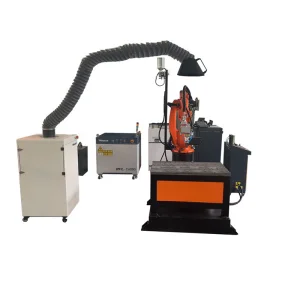
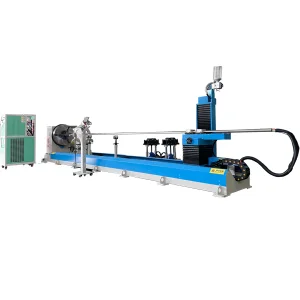
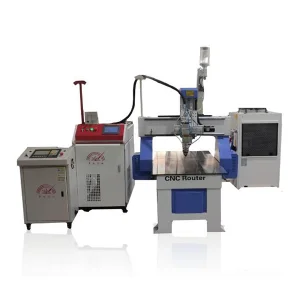
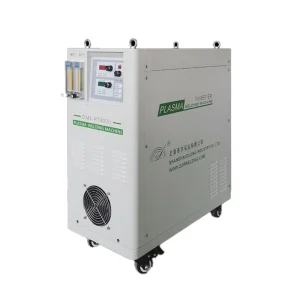
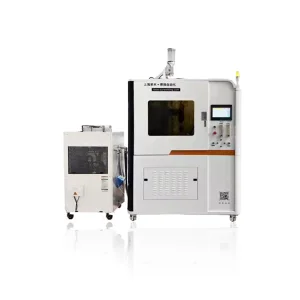
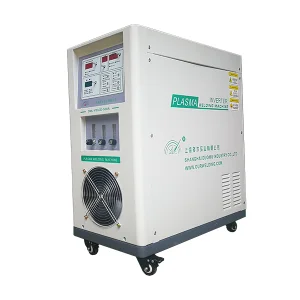
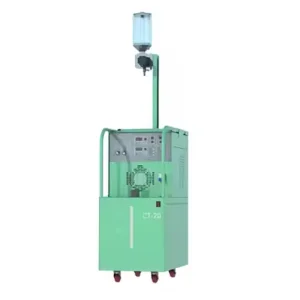
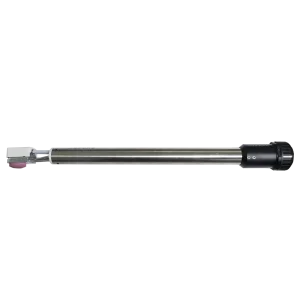
In the modern manufacturing landscape, equipment reliability, operating efficiency, and material longevity are major indicators of competitive advantage. Plasmaschweißgerät (Plasma Transferred Arc - PTA welding machines) and Laser Cladding Systems have evolved from niche repair methods to key solutions in global surface rebuild technologies.
As global supply chains face challenges with metal alloy shortages and environmental regulations, the concept of remanufacturing has taken center stage. Instead of scrapping worn-out industrial equipment, companies in the DACH region, the Americas, and APAC are utilizing plasma and laser cladding technologies to apply high-performance protective layers. By depositing premium cobalt-based, nickel-based, or tungsten carbide powders, base metals can match or exceed original equipment specifications.
"PTA cladding delivers a high-density metallurgical bond with minimal heat-affected zones, reducing raw material usage by up to 70% compared to new component fabrication."
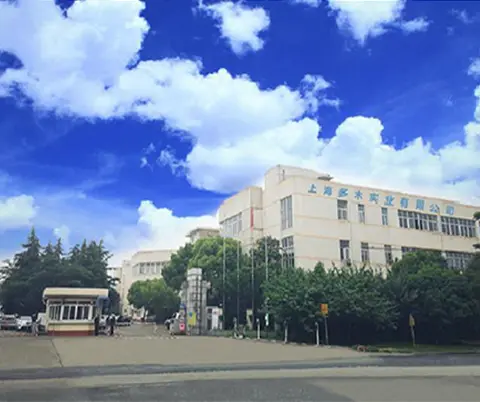
Meeting the extreme operational demands of aerospace, energy, mining, and agriculture through tailored PTA processes

Shielding soil-engaging tools, tillers, and harvesting blades from abrasive wear and impact damage using tungsten carbide overlays.

Providing precision cladding for turbine blade tips and high-stress rotor components with minimal thermal distortion.
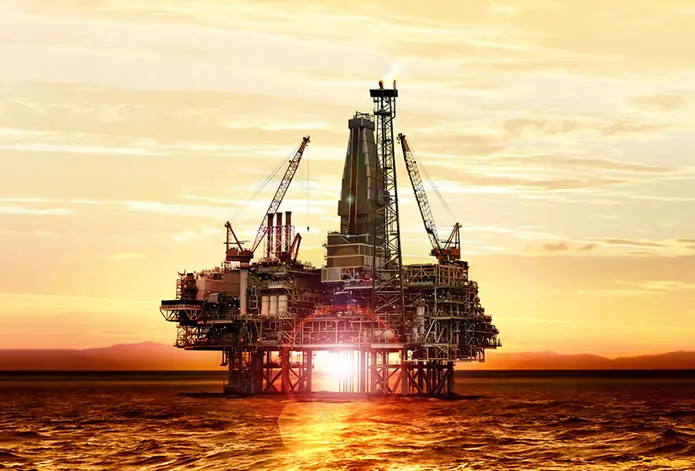
Corrosion-resistant overlays (Inconel, Stellite) for downhole tools, mud motors, and control valves operating in H2S and high-pressure zones.
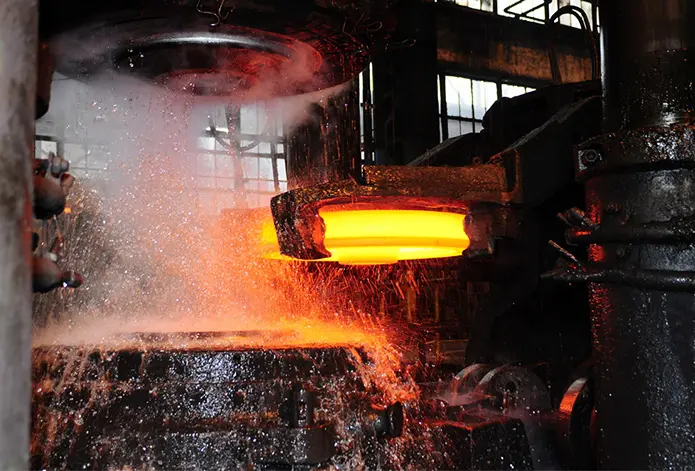
Hardfacing of heavy rolls, continuous caster guides, and hot forging dies to withstand high thermal fatigue cycles.
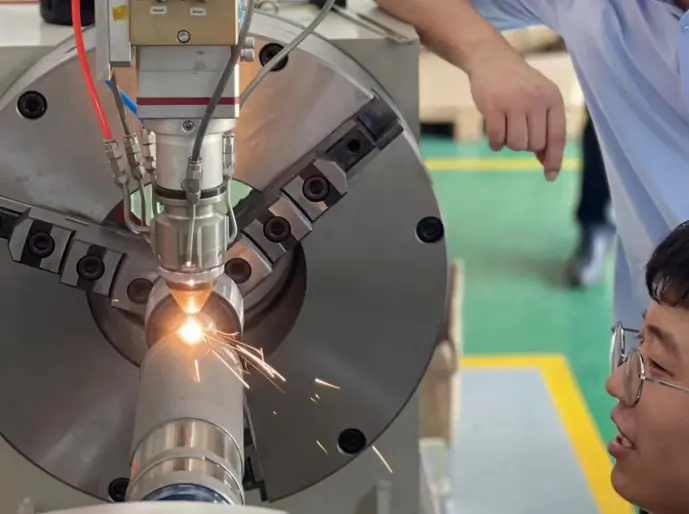
Shanghai Duomu maintains a dedicated research and development team focused entirely on PTA (Plasma Transferred Arc) cladding machinery and robotic laser integration. We design and deliver complete, automated industrial packages that feature stable performance, closed-loop thermal control systems, and high-efficiency long-term operation.
By integrating smart robotics, we cater to specific application requirements. Whether you require automated laser cladding, automatic plasma cladding, or dedicated systems for hydraulic rods and shearer picks, our equipment delivers optimized deposition rates, minimal porosity, and metallurgical bond integrity.
Explore our highly integrated equipment designed for customized surface treatment processes
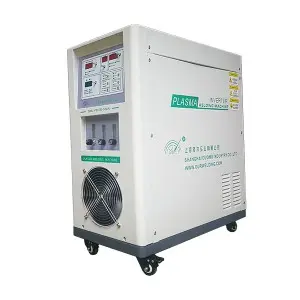
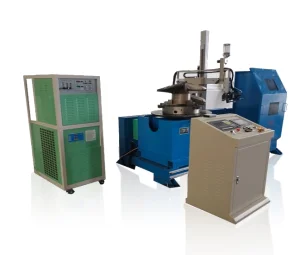
High-efficiency surface protection with integrated control systems.
View Details →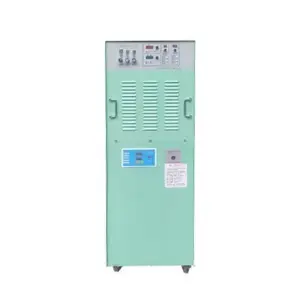
All-in-one system for flexible hardfacing and precise thermal overlays.
View Details →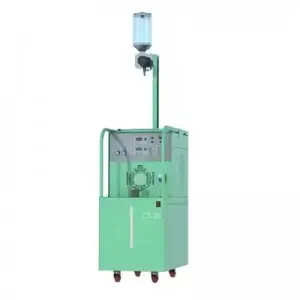
Engineered for heavy-duty alloys and multi-pass surface welding.
View Details →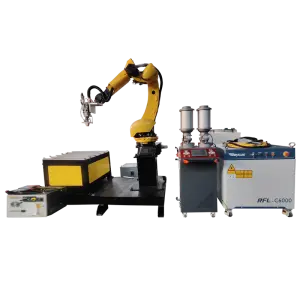
Ultra-precise laser metal deposition (LMD) with low thermal stress.
View Details →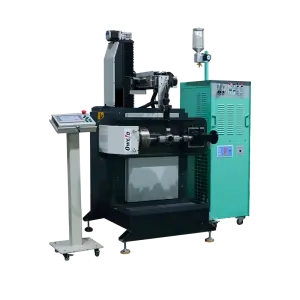
Optimized for valve seats and spherical surfaces in severe service environments.
View Details →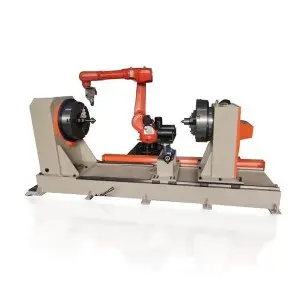
Multi-axis industrial robot for selective heat treatment and hardening.
View Details →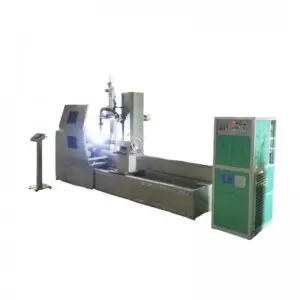
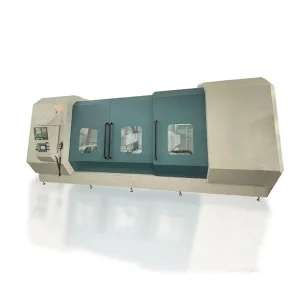
Continuous rotary welding system for hydraulic pistons and cylinder bores.
View Details →Deep insight into dilution rates, valve cladding guides, and industrial application engineering
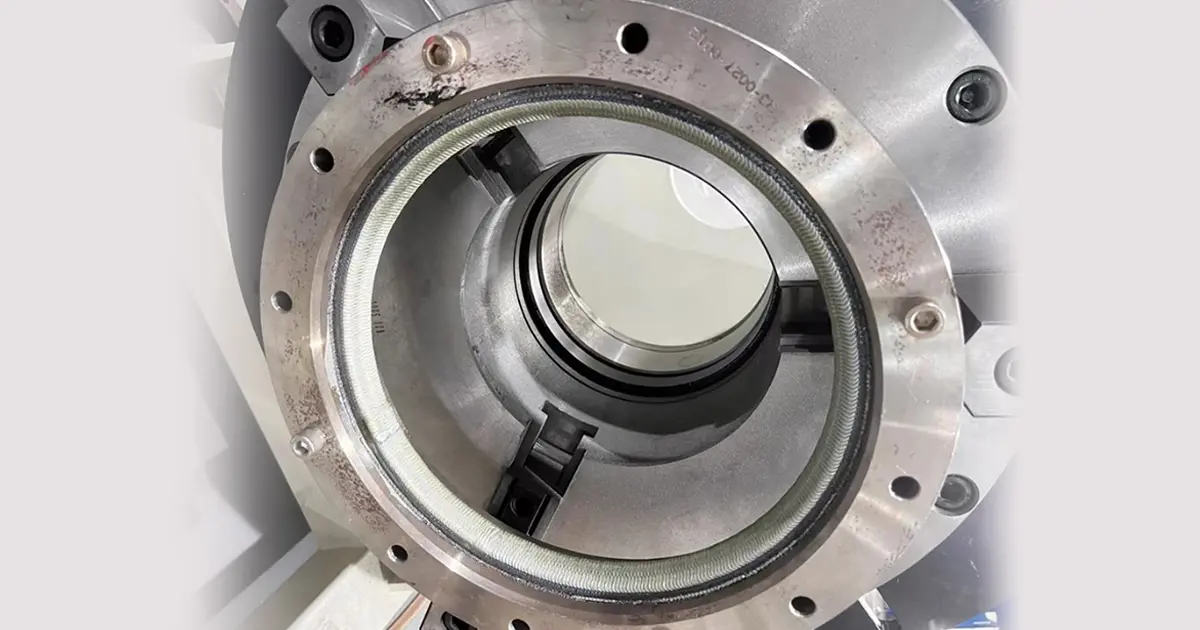
PTA Welding Valve Application Guide: A reference guide for valve manufacturers dealing with high wear, corrosion, and high-temperature erosion. Upgrading protective hardfacing improves durability in severe petrochemical processes.
Learn More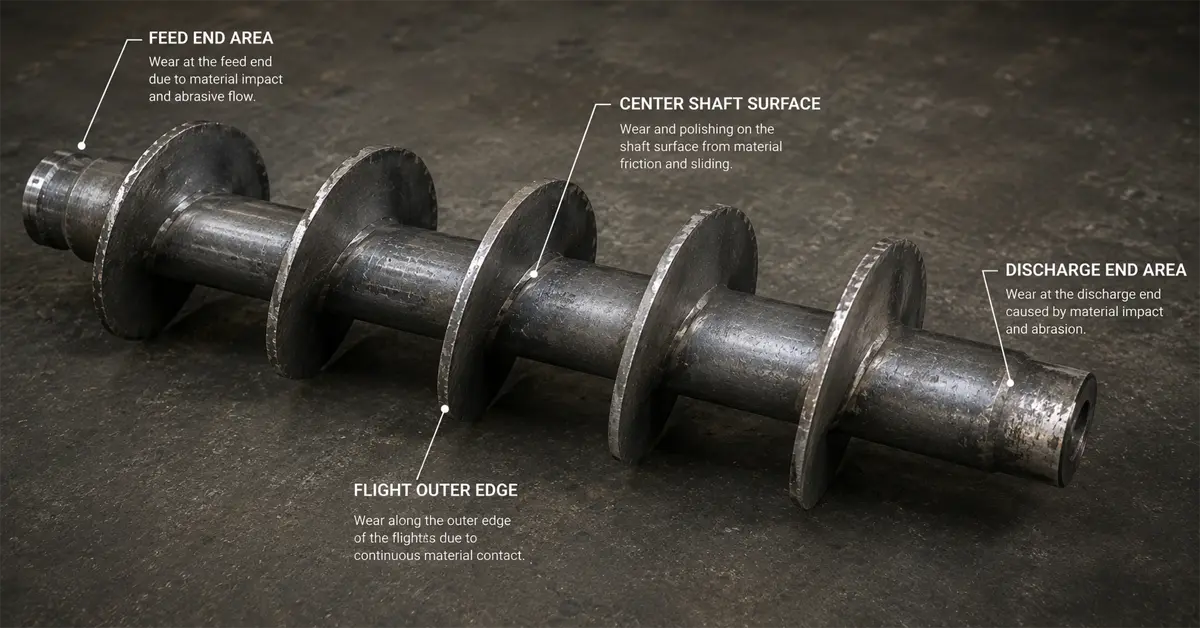
Protecting Screw Conveyors: Screw flights in power generation, cement, and mining suffer from severe abrasive wear. Hardfacing flights with automatic PTA cladding systems helps reduce unplanned shutdowns.
Learn More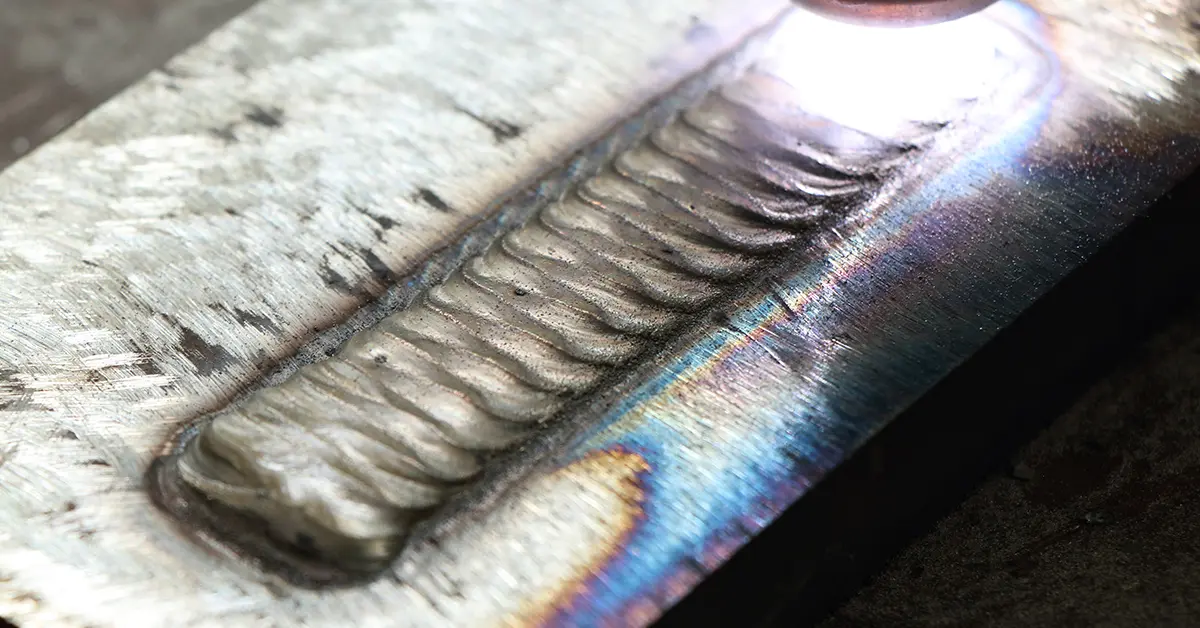
Controlling Dilution Rates: Managing dilution is key to overlay performance. Learn how optimizing powder feeding, gas flow, and current levels keeps dilution under 5% with Duomu PTA systems.
Learn More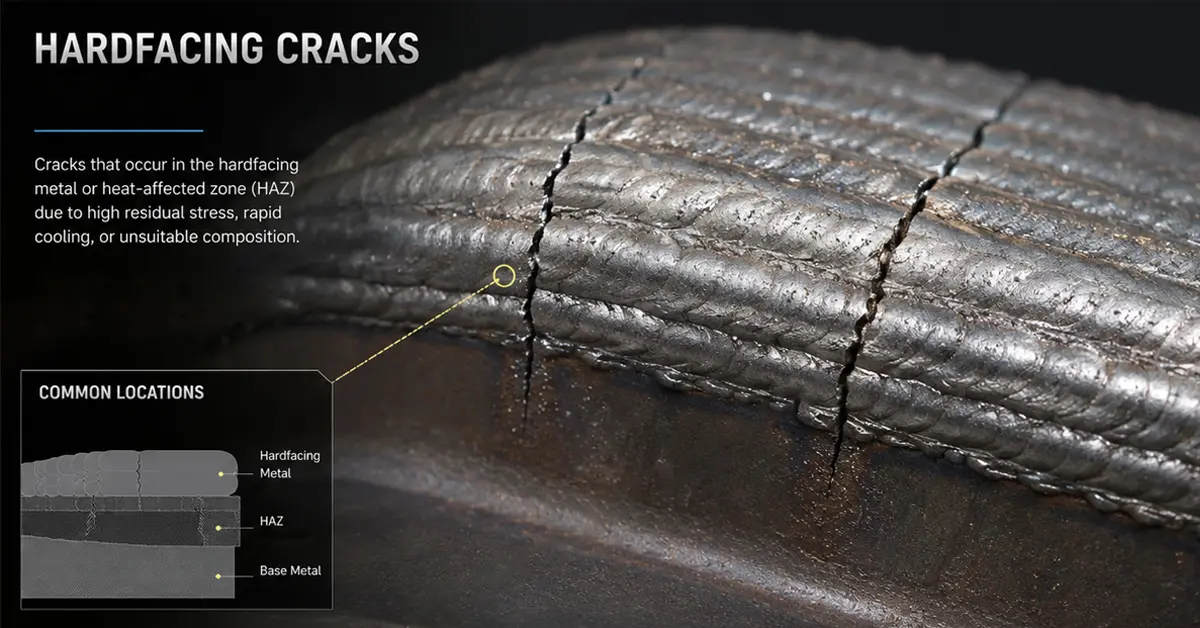
Industrial Hardfacing for Heavy Equipment: In mining and construction, hardfacing has moved from a repair option to a proactive manufacturing process that extends equipment life and reduces maintenance overheads.
Learn More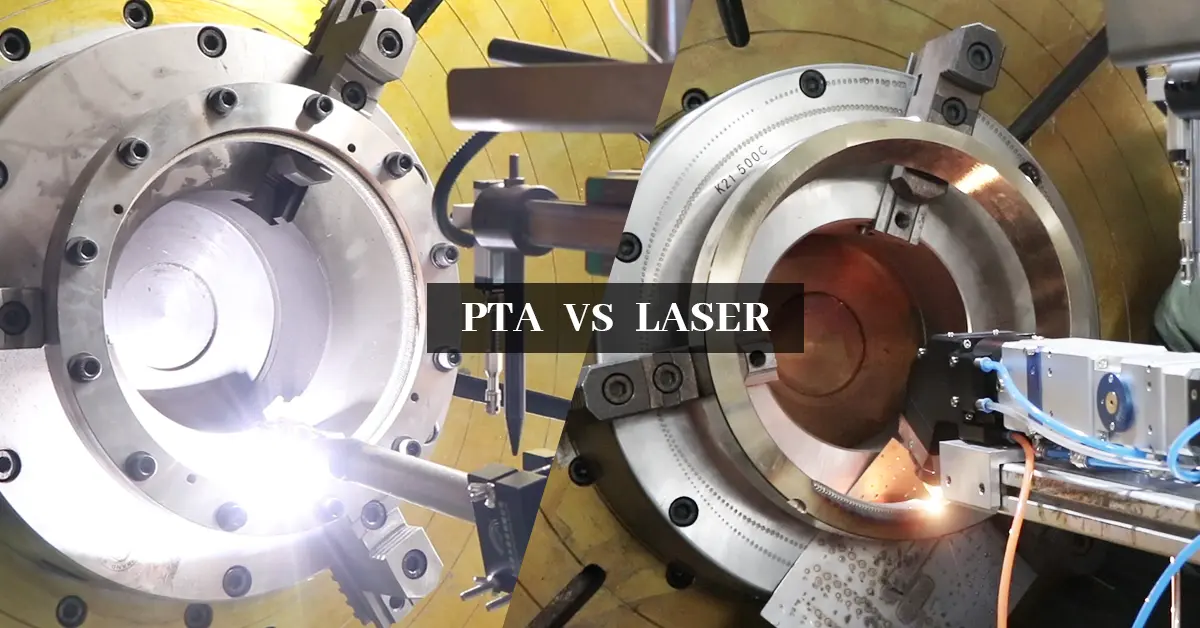
Valve Performance Under Wear and Heat: Industrial valves operating under extreme temperatures, abrasive media, and high pressures require specialized overlay solutions to avoid early failure.
Learn MoreWhere modern cladding technology is headed: automation, high-deposition efficiency, and zero-carbon manufacturing
Integrating 6-axis robotic arms with 2-axis tilting positioners to enable continuous, automated overlays on complex geometries like screw flights, impellers, and valve gates.
Utilizing high-speed thermal cameras and optical sensors to monitor the molten pool in real time. Dynamic parameter adjustment keeps dilution constant and helps eliminate thermal defects.
Reducing energy consumption by optimizing power sources and shifting towards dry-powder deposition processes, helping manufacturers meet carbon emission reduction goals.
Exporting industrial machinery requires high standards of reliability and compliance. All Shanghai Duomu PTA welding systems and laser cladding units are built to meet international directives, including CE conformity, ISO 9001:2015 quality systems, and safety standards for laser enclosures.
We support our international customers through robust technical support networks:
Every PTA and laser cladding system undergoes a 48-hour continuous test cycle prior to export. This ensures that electrical setups, water cooling loops, and high-frequency igniters operate reliably in demanding environments.
Technical answers to common questions about PTA cladding, laser overlays, and system selection
PTA (Plasma Transferred Arc) cladding uses a high-energy plasma arc to melt both the base metal surface and the metal powder, creating a strong metallurgical bond. It offers high deposition rates and cost efficiency for thick overlays. Laser cladding uses a focused laser beam as the heat source, creating a smaller melt pool, which results in very low heat input, minimal dilution (under 3%), and precise control for thin-walled parts.
Our PTA power sources feature digital control over current, plasma gas, shielding gas, and powder carrier gas. By optimizing the arc length and using our proprietary water-cooled torches, we keep the heat input steady. This ensures dilution rates stay below 5%, preserving the wear-resistant properties of the overlay alloy.
Yes, we design specialized internal bore plasma and laser torches (such as the DNPT16018-HQ and DNPT30018-HQ series) for cladding the inner surfaces of pipes, barrels, and cylinders. These systems can work inside bores down to 80 mm in diameter, helping protect parts from wear and corrosion.
Our powder feeders are designed to handle a range of spherical powders. This includes cobalt-based alloys (Stellite series), nickel-based alloys (Inconel, Colmonoy), iron-based alloys, and tungsten carbide (WC-Co) composites for high-wear environments.
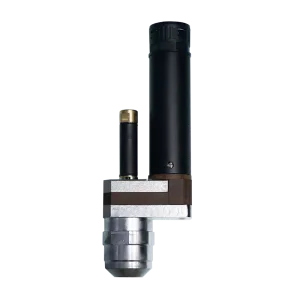
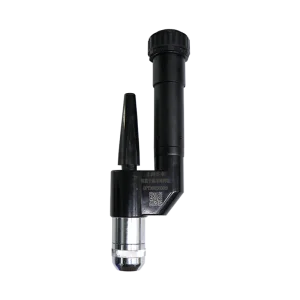
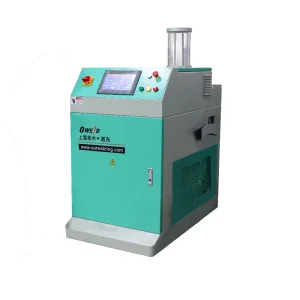
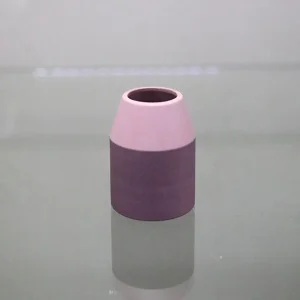
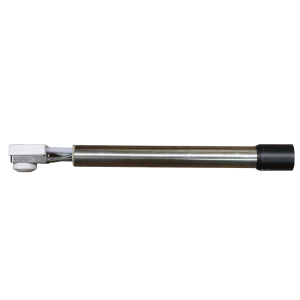
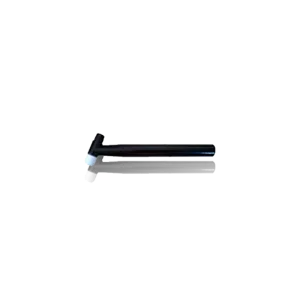
Complete your surface treatment workflow with our range of specialized torches, gas shields, and portable systems
Discuss your wear resistance challenges, request system pricing, or schedule a metallurgical review. Our engineering team responds to inquiries within 24 hours.
Send Technical Inquiry








 Duomu
Duomu