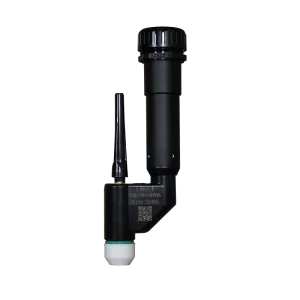
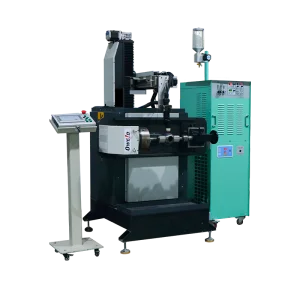
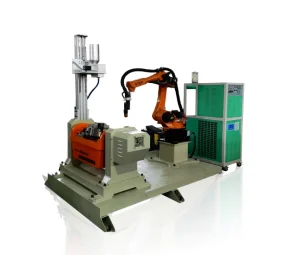
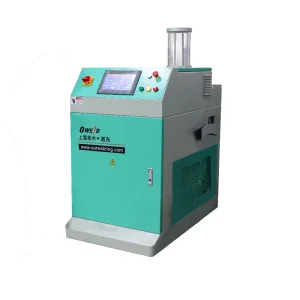
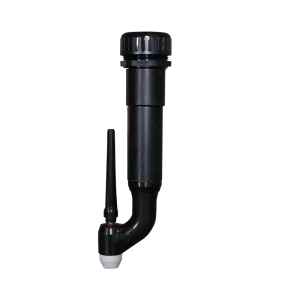
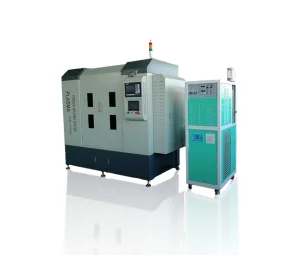
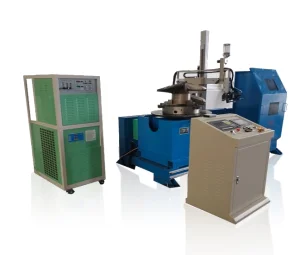
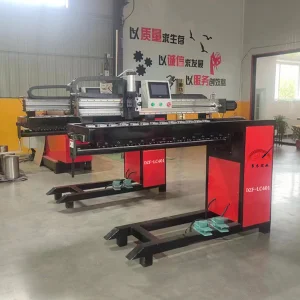
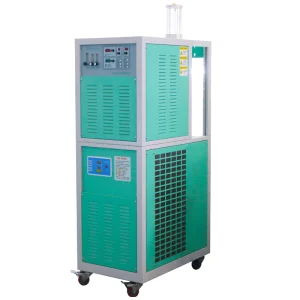
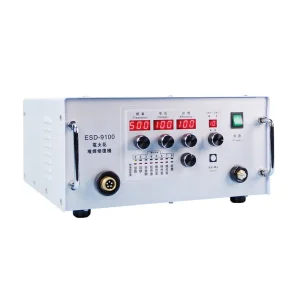
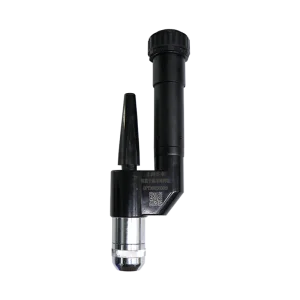
Explore our core engineering catalog featuring advanced robotic automation, custom-engineered torches, and heavy-duty surfacing systems.
A comprehensive analysis of Plasma Transferred Arc processes, applications, and metallurgical progress.
In the demanding landscapes of modern industrial processing, mechanical elements are subjected to progressive degradation due to tribological friction, high-temperature thermal loads, intense chemical corrosion, and solid-liquid erosion. The global cost of industrial wear runs into billions of dollars annually, steering modern engineering toward sustainable reclamation, remanufacturing, and surface life extension technologies.
Plasma Transferred Arc (PTA) Hardfacing has emerged as a state-of-the-art thermal process for depositing high-performance metallic alloys onto wear-prone base metals. Key industrial sectors—such as coal mining, petrochemicals, aerospace, forging metallurgy, agricultural machinery, and power generation—rely on PTA's distinct ability to construct metallurgical bonds that feature highly refined microstructures, extremely low weld dilution rates, and minimal heat-affected zones (HAZ).
Industrial operators are continually tasked with optimizing lifecycle performance and reducing unscheduled maintenance downtime. Unlike traditional metal inert gas (MIG) cladding or shielded metal arc welding (SMAW) overlays, PTA deposits are formed with a highly concentrated, plasma-constricted arc. This constriction focuses high-energy density on the component's surface, melting only a superficial layer of the base substrate while fully fusing the wear-resistant powder.
This process achieves a chemical purity in the cladding layer that other weld overlay techniques cannot duplicate. In industries like power generation and petrochemical refining, where valve components must handle supercritical fluids under extreme pressure, the PTA method ensures that Stellite, Colmonoy, or tungsten carbide-based coatings retain their designed hardness and chemical stability without being contaminated by the structural steel underneath.
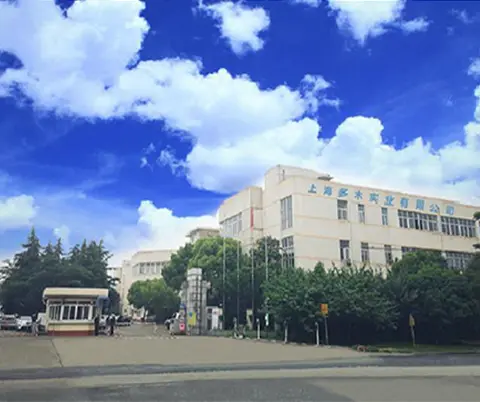
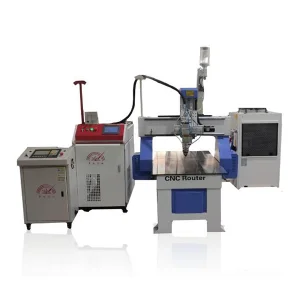
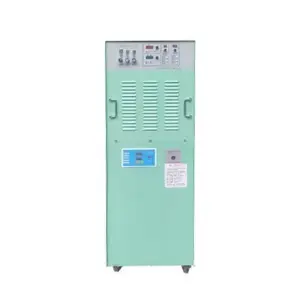
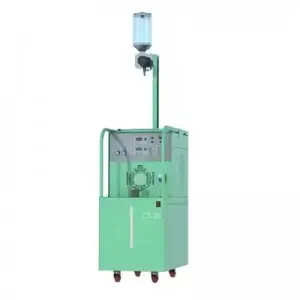
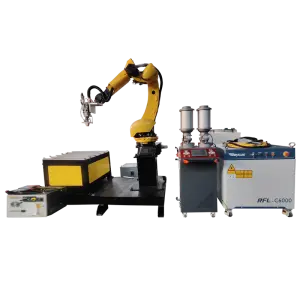
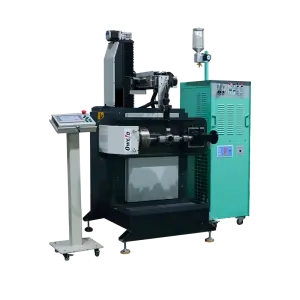
Shanghai Duomu has been a leading manufacturer and exporter of PTA cladding machines and Laser cladding machines for more than ten years with a strong technical background. Our dedication to R&D has enabled us to design and build highly specialized, customizable equipment, including automated laser cladding units, smart robot configurations, and specialized configurations for hydraulic rods, coal mining picks, and industrial valves.
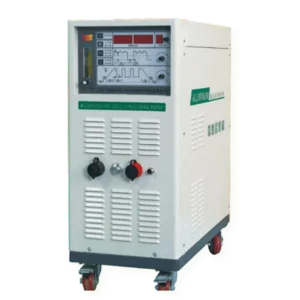
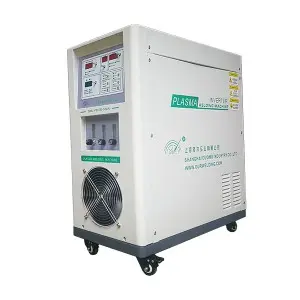
We maintain an independent research and development team that develops, produces, and sells plasma cladding machine equipment. The welding machines we manufacture possess stable operating characteristics and are designed for continuous, high-efficiency, multi-shift operations. Furthermore, the laser cladding equipment sold by the company effectively supports large-scale remanufacturing projects. We have mature technological means to provide complete sets of industrial equipment solutions.
From deep-earth coal extraction to high-altitude defense aerospace, our technologies protect high-value equipment.

Tillage disks, plowshares, and harvester cutting edges face intensive soil abrasion. Standard carbon steels degrade rapidly under highly abrasive soils, requiring periodic replacement. PTA hardfacing adds an ultra-hard layer of iron-chrome-boron or tungsten carbide alloys, expanding the service life of these agricultural parts by up to 300%.

Gas turbine blades, aerospace shaft systems, and structural landing gear components operate under high dynamic stress and severe temperature fluctuation. Precise robotic PTA surfacing repairs critical wear tracks on superalloy substrates without inducing thermal distortion or altering base microstructural integrity, meeting strict military aerospace standards.

Drill stems, pump impellers, and valve sealing rings operate in highly sour gases, sand-slurries, and corrosive acids. By deploying automatic ball valve cladding systems, oilfield manufacturers produce metallurgical overlays that withstand high-pressure fluid erosion and hydrogen-induced cracking.
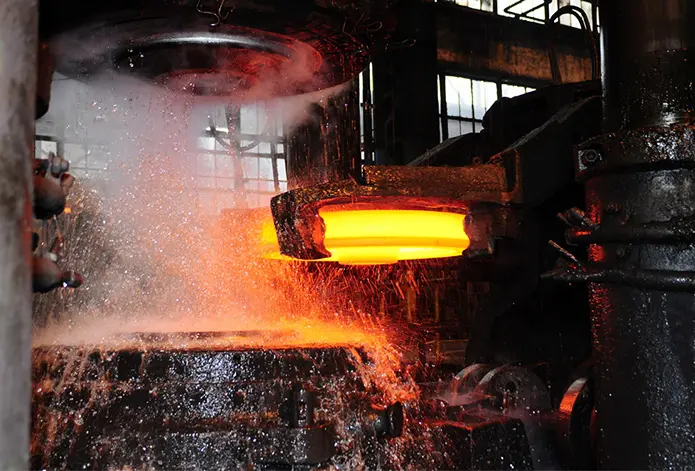
Hot-work forge dies, rollers, and casting guide chutes encounter heavy thermal shock, metal-to-metal sliding wear, and hot oxidation. Plasma-transferred arc surfacing applies robust nickel- or cobalt-based overlays that prevent hot-cracking, keeping production lines operational without unexpected structural breakdown.
An essential factor in achieving high-quality surface overlays lies in optimizing the dilution rate. Dilution measures how much base metal mixes with the surfacing alloy. Higher dilution rates introduce iron or other substrate elements into the protective cladding layer, lowering its hardness and wear resistance.
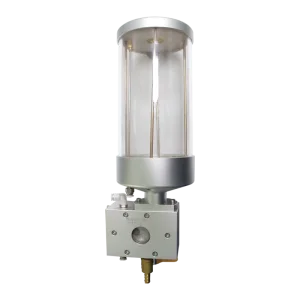
The Shanghai Duomu Technical Department works to control these variables by optimizing gas flow dynamics, powder feed rates, and current densities. Our automated powder feeder systems deliver a stable flow of cobalt-based, nickel-based, or carbide powders into the plasma flame. This precise delivery keeps the dilution rate under 5% in a single pass while maintaining high deposition speeds.
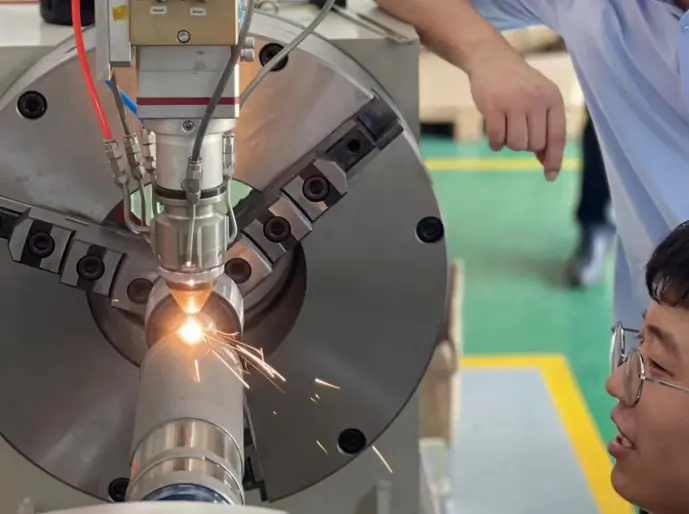
In addition to standard systems, we specialize in high-integration, multi-functional machines that combine PTA and laser cladding capabilities. This flexibility allows engineers to choose between the high deposition speed of plasma arc systems and the low thermal input of fiber laser systems.
Engineered for high-volume manufacturing, heavy components, and complex geometeries.
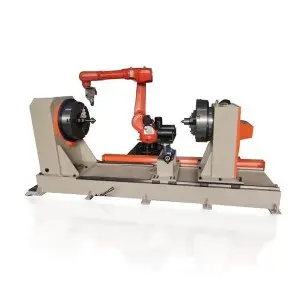
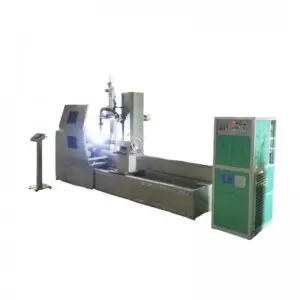
Choosing the right surfacing alloy is key to optimizing wear resistance. Modern industrial settings require alloys that balance hardness, corrosion protection, and thermal stability. PTA hardfacing uses three primary alloy families:
In Plasma Transferred Arc welding, achieving a high-quality overlay requires optimizing dilution. The dilution rate measures the proportion of the base metal that melts and mixes into the deposited alloy layer. For example, if you deposit a cobalt-based alloy on a mild steel part, too much base metal melting can dilute the cobalt and chromium content, reducing the hardness and wear resistance of the overlay.
To keep dilution low, the PTA process constricts the arc to concentrate heat on the surfacing powder rather than the substrate. This constriction maintains a stable plasma flame that melts only a micro-thin layer of the base material. The resulting metallurgical bond is strong, but the cladding layer retains its target chemical composition, ensuring consistent wear resistance.
In industries like cement processing, mining, and steelmaking, screw conveyors handle abrasive raw materials under dry and wet conditions. Friction and abrasion can cause premature screw flight wear, leading to system failure and unplanned downtime. PTA hardfacing helps prevent this wear by applying a wear-resistant alloy layer directly onto the conveyor screw flights, maintaining transport efficiency and extending the service life of these high-wear parts.
Technical answers to common questions about PTA hardfacing processes and system integration.
Explore our complete manufacturing line of automated systems, repair machines, and stable powder feeding platforms.
Our technologies support reliable industrial operations worldwide.








 Duomu
Duomu