 Duomu
Duomu
1 / 1
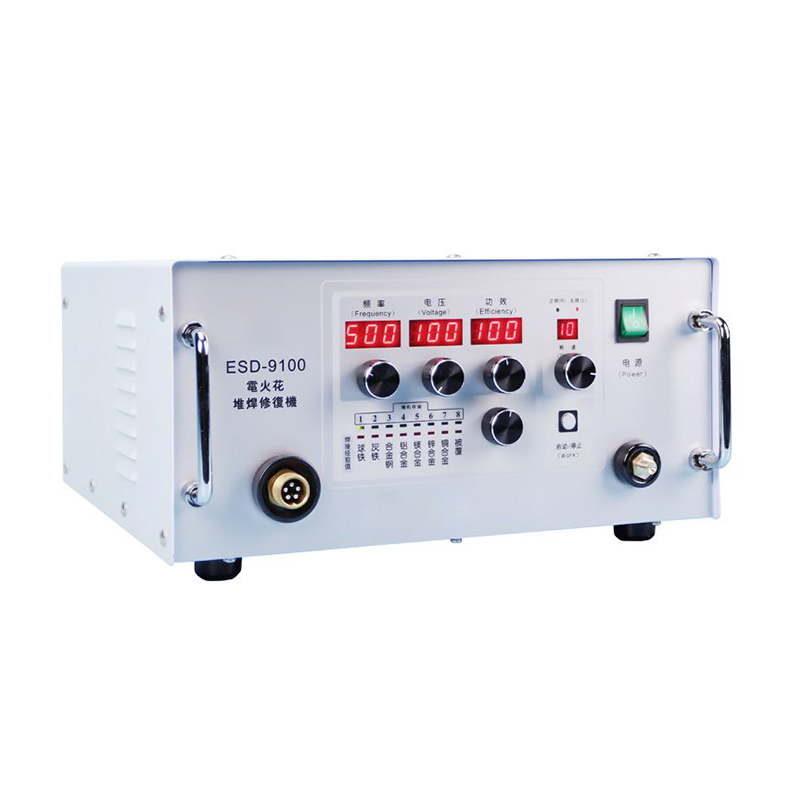
Adopting high performance processor control, no drift of welding parameters, higher quality welding.
Memory multi-group data, commonly used material welding parameters can be directly called, the operation is more intelligent and more convenient.
Adopting unique chopper soft-switching technology, the output control is precise.
Surfacing and surface strengthening are possible. Can weld ferrous metals (ductile iron, grey iron, stainless steel, etc.) and non-ferrous metals (copper, aluminium, magnesium, zinc, etc.).
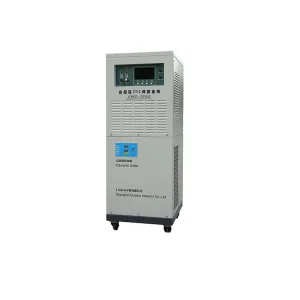
| Models | ESD-9100 |
| Power | 1000w |
| Frequency | 50-500HZ |
| Input Power | AC220V |
| Voltage ranges | 20-100V |
| Percentage output | 10-100% |
| External Dimensions | 405*210*450mm |
| Weight | 18KG |
Automotive casting products: automotive crankshafts, pistons, cylinder blocks, intake and exhaust pipes, brake discs and other casting defects, such as sand holes, air holes and so on! Mechanical industry and machine tool industry: correction of excess or wear of the workpiece, such as the repair of machine tool rails, bed, large machinery shafts, teeth parts! Cold and hot rolls for steel rolling, hydraulic rods of engineering machinery, printing press cylinders and other various parts of the welding. Aviation and shipbuilding industry: compressor shells, air compressor shells, non-steel precision parts, precision shafts, and so on. Petrochemical, coal, engineering machinery and many other industries, product repair.
Non-ferrous metal parts for various industries, such as aluminium alloy parts for SF6 transformers in the power industry, aluminium alloy cylinders and cylinder head hubs in the automobile industry, aluminium alloy impellers for fans, aluminium alloy radiators, and so on. Copper alloy plumbing valves, pipe fittings, impellers, turbines and so on.
Casting Mould: Welding and patching of moulds for wear and tear, bruises and scratches. Die casting mould: zinc and aluminium die casting moulds of etching, peeling, damage, etc., as well as the cavity and sprue mouth of the surface strengthening, to extend the service life of the mould. Copper alloy moulds, aluminium alloy moulds, nitriding moulds and so on.
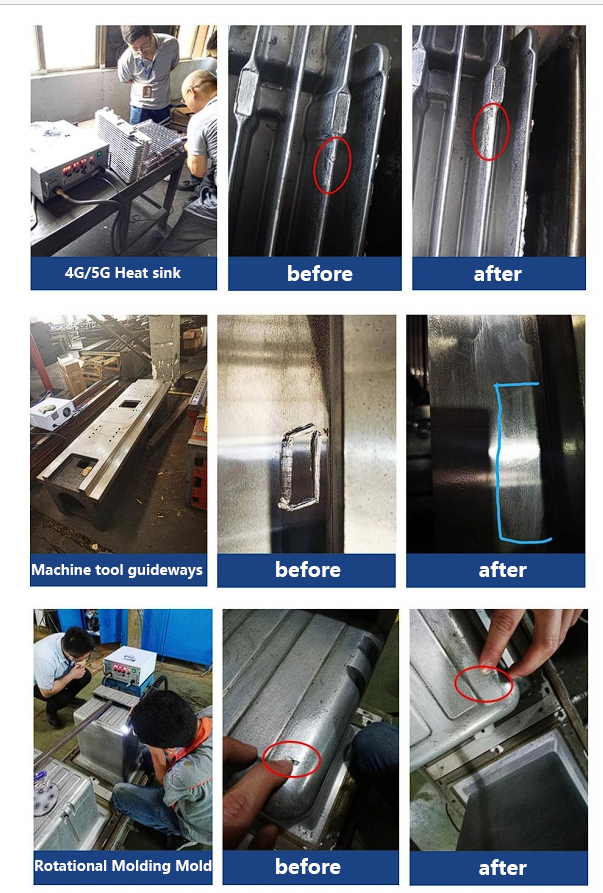
It can weld both ferrous metals (such as ductile iron, grey iron, and stainless steel) and non-ferrous metals (including copper, aluminium, magnesium, and zinc).
The ESD-9100 features a power of 1000w, a frequency of 50-500HZ, input power of AC220V, a voltage range of 20-100V, and a percentage output of 10-100%.
By adopting high-performance processor control, the system ensures there is no drift of welding parameters, resulting in much higher quality welding.
Yes. The system memory stores multi-group data, allowing commonly used material welding parameters to be directly called for more intelligent and convenient operation.
It is highly effective for repairing common defects like sand holes and air holes in casting products, including automotive crankshafts, pistons, cylinder blocks, and brake discs.
Yes, it is designed for welding and patching moulds due to wear, bruises, or scratches. It can also perform surface strengthening on cavities and sprue mouths of die casting moulds to extend their service life.