Leading-edge technology for aerospace, nuclear, and petrochemical applications.
A White Paper on Overcoming Limitations through Customized Engineering and Advanced Manufacturing
Laser welding, or Laserschweißen, has transformed modern manufacturing with its unparalleled precision, speed, and minimal heat-affected zone (HAZ). However, in the pursuit of industrial excellence, it is crucial for procurement officers and engineers to acknowledge the "Nachteile" or disadvantages associated with this technology. At Shanghai Duomu, we believe that understanding these limitations is the first step toward optimizing "Custom Laserschweißen" solutions.
The global manufacturing landscape is shifting. Chinese factories are no longer just "production hubs" but are now R&D powerhouses. Shanghai Duomu’s independent R&D team has spent over a decade perfecting PTA and Laser cladding machines. Our competitive advantage lies in "Information Gain"—we don't just sell a machine; we provide a complete technological ecosystem.
Unlike European counterparts with rigid modular options, Chinese manufacturers excel in bespoke engineering, adapting machines for specific components like hydraulic rods or valve seats.
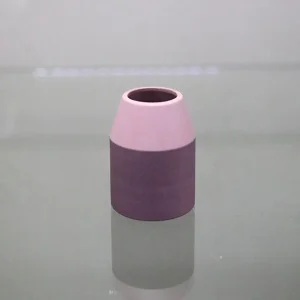
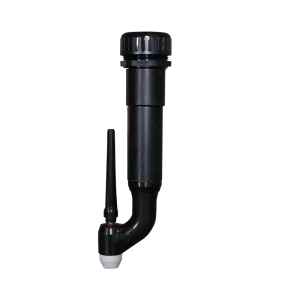
Being situated in a high-density industrial cluster allows us to source high-grade components (like the DNPT series torches) and deliver customized units 40% faster than the global average.
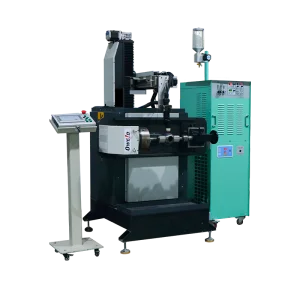
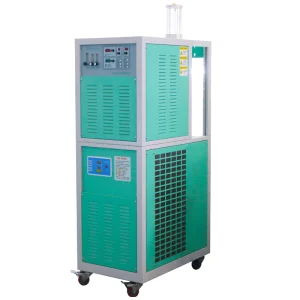
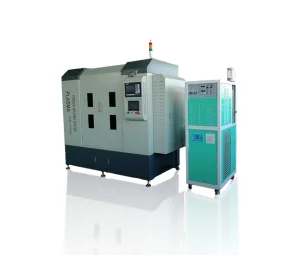
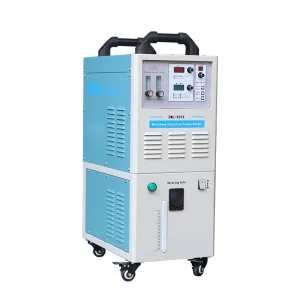
By optimizing the internal architecture of plasma powder surfacing machines, we achieve high integration (DML-V03BD) at a fraction of the cost of legacy systems.
The "Nachteile" of Laserschweißen vary by region and industry. In the German automotive sector, the focus is on cycle time, while in the Middle Eastern oil and gas sector, the challenge is surface durability in harsh environments. Shanghai Duomu provides macro-level solutions that transcend these local barriers.
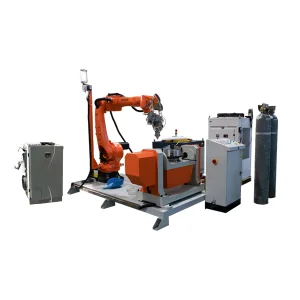
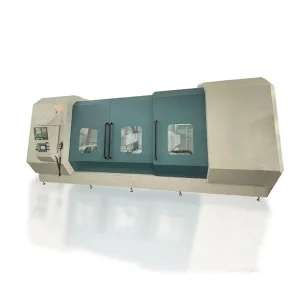
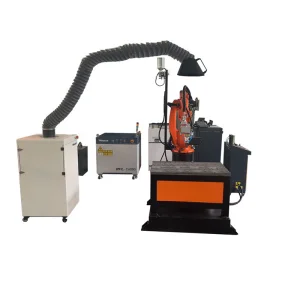
In high-stakes environments, material integrity is non-negotiable. Our Laser Cladding system for blades utilizes robotic precision to ensure the microstructure of the weld remains stable, preventing common laser-induced cracking (a major "Nachteil" in high-alloy steels).
Valves in corrosive environments require hardfacing. Our PTA Welding Valve Application Guide highlights how automated cladding significantly reduces the "Dilution Rate"—a metric where standard laser welding sometimes fails to provide enough protective thickness.
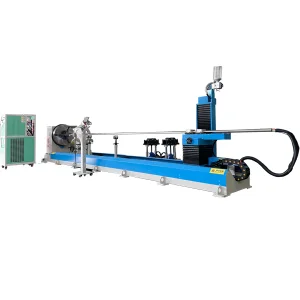
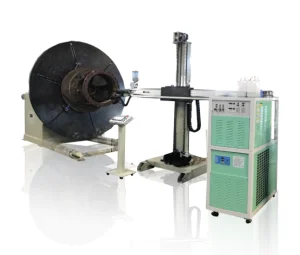
The industry is moving toward "Digital Twins" and AI-assisted welding. Our latest DSL-LC401 double cone injection molding machine barrel inner hole cladding machines now feature real-time data monitoring to preemptively identify welding defects, effectively neutralizing the disadvantage of "High Operator Skill Requirements."
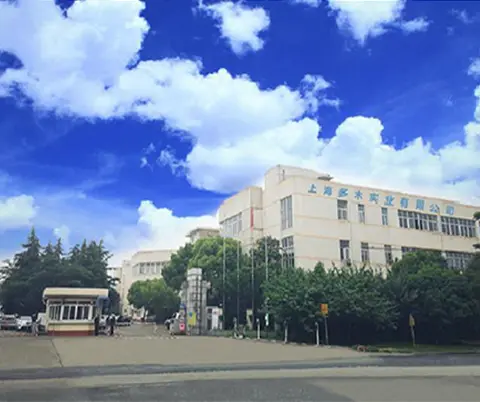
Shanghai Duomu has been a leading manufacturer and exporter of PTA cladding machine and Laser cladding machine for more than ten years with a strong technical background. I have an independent R&D team, which develops, produces and sells plasma cladding machine equipment. The welding machine has stable performance and can maintain efficient long-term operation. In addition, the laser cladding equipment sold by the company can effectively support large-scale remanufacturing projects. We have mature technological means to provide complete sets of industrial equipment solutions.
Read MorePrecision-engineered machines for every industrial challenge.
 Duomu
Duomu