Explore our premium range of custom automated cladding and structural steel welding systems engineered for harsh service environments.
Modern heavy industry demands high-reliability performance from steel components exposed to extreme mechanical stress, intensive friction, chemical corrosion, and elevated temperatures. Standard structural steel welding, while sufficient for static loads, struggles under severe abrasive and erosive working conditions.
Globally, sectors such as mining, power generation, offshore exploration, and heavy metallurgy suffer billions of dollars in losses annually due to unplanned downtime caused by surface deterioration. Standard steel fabrication processes require advanced surfacing (cladding) technologies to prolong the life expectancy of vital components.
By integrating Plasma Transferred Arc (PTA) and Laser Cladding technologies into custom structural steel welding workflows, manufacturers can selectively deposit high-alloy coatings (such as tungsten carbide, stellite, and nickel-based superalloys) only where maximum protection is required. This hybrid approach, combining mechanical stability with superior surface chemistry, constitutes the cutting edge of industrial B2B manufacturing.
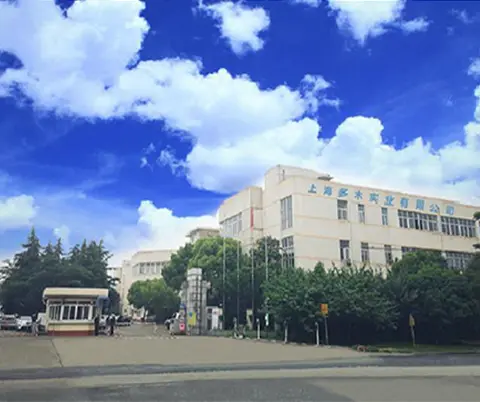
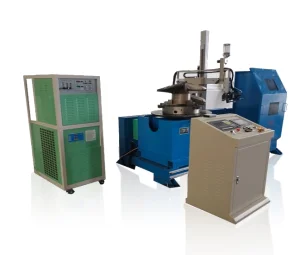
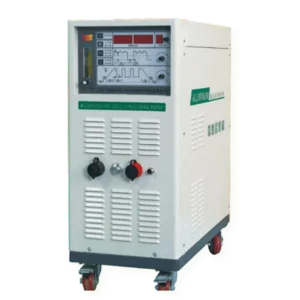
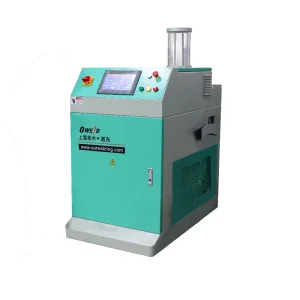
Shanghai Duomu has been a leading manufacturer and exporter of PTA cladding machine and Laser cladding machine for more than ten years with a strong technical background. Our operations are supported by an independent R&D team, which develops, produces, and sells high-performance plasma cladding machine equipment globally.
Our industrial welding machines are designed to maintain efficient long-term operation under heavy continuous duty cycles. Additionally, our high-power laser cladding equipment provides precise thermal control, which effectively supports large-scale industrial remanufacturing projects. We offer mature technological means and fully integrated software platforms to provide complete sets of industrial equipment solutions suited to modern manufacturing lines.
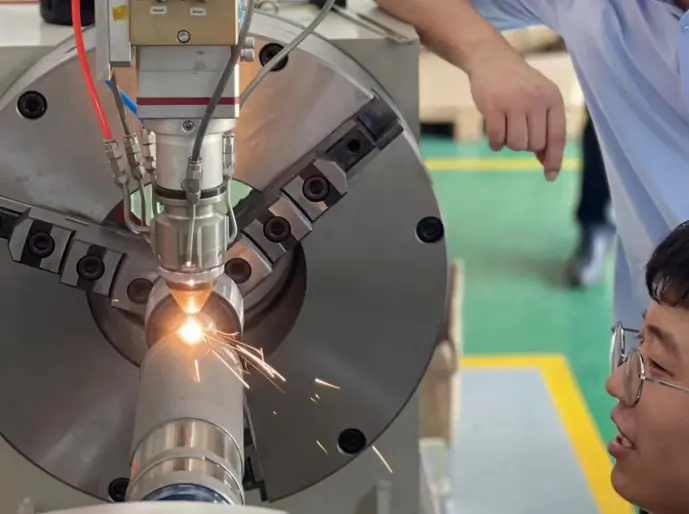
At present, the company's products have penetrated into many fields such as aerospace military industry, nuclear power, petrochemical industry, coal mines, metallurgy and forging, agriculture, water conservancy and electric power, etc.

Cladding and hardfacing solutions for earth-engaging tools, tillage parts, and harvester components to resist extreme soil abrasion and extend field operation cycles.

High-precision laser hardening and alloy welding for turbine blades, critical engine mounts, and dynamic actuators requiring strict structural certifications.
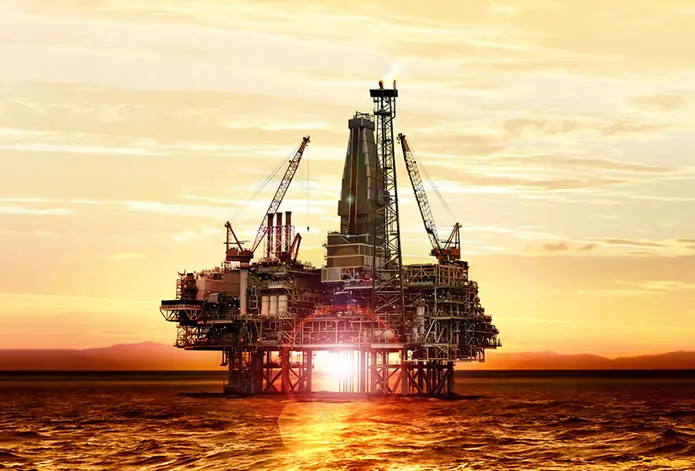
Corrosion-resistant overlays and internal bore cladding for drill pipes, mud pumps, valves, and offshore drilling components subjected to chemical attack.
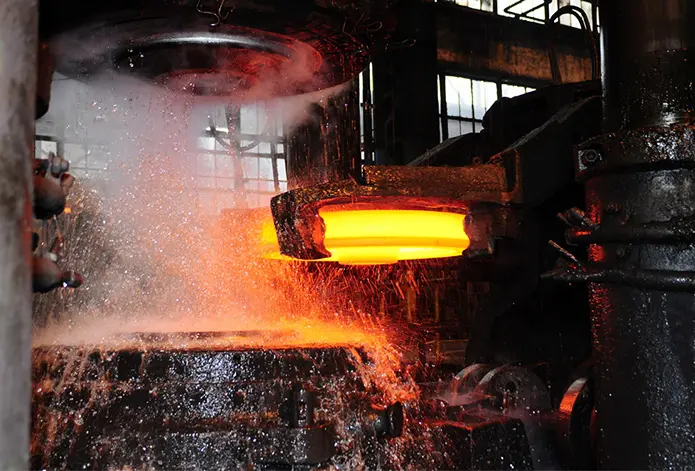
Heavy cladding systems for steel mill rollers, casting molds, screw bricks, and transport screws operating in high-heat and aggressive wear environments.
Choosing the correct industrial deposition technology is vital to ensure maximum material bonding, optimal dilution control, and minimal distortion of the steel substrate.
| Performance Parameter | Laser Cladding (DYY-LC Series) | PTA Cladding (DML Series) | Traditional Arc Welds (TIG/MIG) |
|---|---|---|---|
| Heat Affected Zone (HAZ) | Extremely Narrow (0.2 – 0.8 mm) | Moderate (1.0 – 2.5 mm) | Wide (3.0 – 8.0 mm) |
| Dilution Rate | < 2% (Superior purity) | 3% – 5% (Low) | 15% – 30% (High dilution) |
| Metallurgical Bond Strength | Excellent (> 400 MPa) | Excellent (> 380 MPa) | Good but highly diluted |
| Deposition Efficiency | High (Up to 98% powder utilization) | Very High (Lower running costs) | Moderate (Wire/Gas losses) |
| Substrate Distortion | Negligible (Ideal for shafts/sleeves) | Low (Controlled via parameters) | High (Requires straightening) |
We provide fully customizable equipment configurations depending on the technical parameters of your application. This includes automatic laser cladding equipment, automatic plasma cladding systems, and intelligent robotic cladding setups configured specifically for workpieces like hydraulic rods, coal cutter picks, screw bricks, and industrial valve seats.
Field reports on how industrial cladding and precise thermal surfacing address chronic wear and fatigue on critical infrastructure.
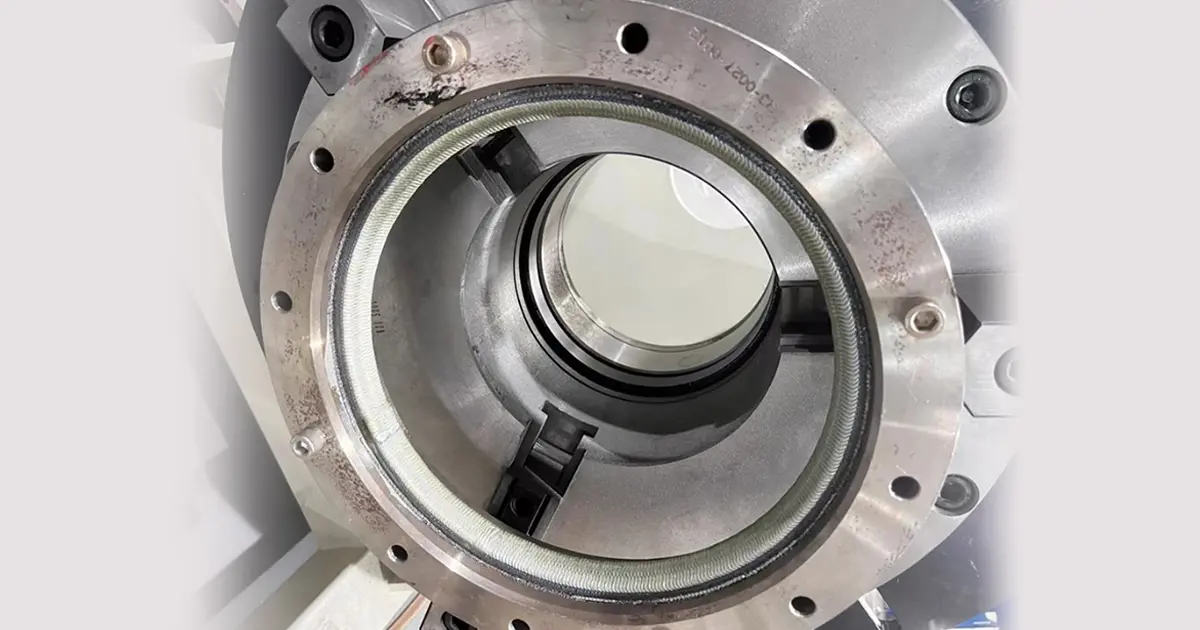
The PTA Welding Valve Application Guide is not just a process choice for valve manufacturers facing high wear, high corrosion, and high-temperature erosion working conditions, but also a key path to improving product competitiveness. As industries such as petrochemical and thermal power demand longer maintenance intervals, using PTA systems ensures zero-defect alloy deposits on critical valve sealing faces.
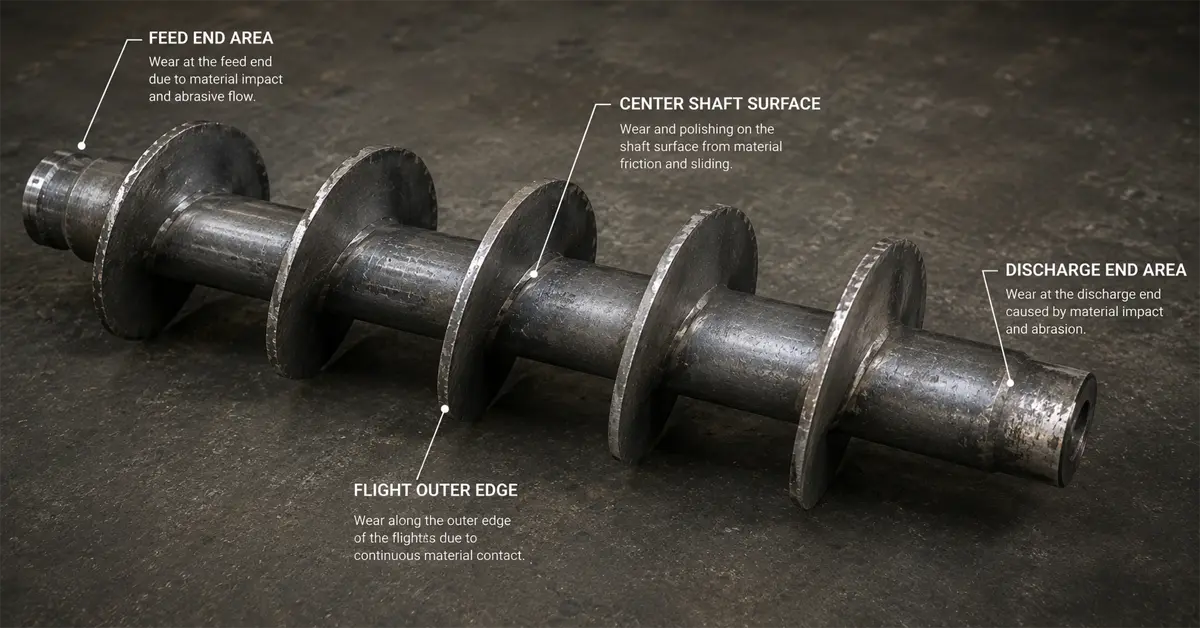
In industries such as mining, cement, power generation, steelmaking, chemical processing, and biomass energy, screw conveyors are often regarded as auxiliary equipment. However, maintenance data shows that they are among the most frequent causes of unplanned production stoppages. Automated plasma surfacing of the screw flight outer diameters with chromium carbides mitigates abrasive wear and halves replacement frequency.
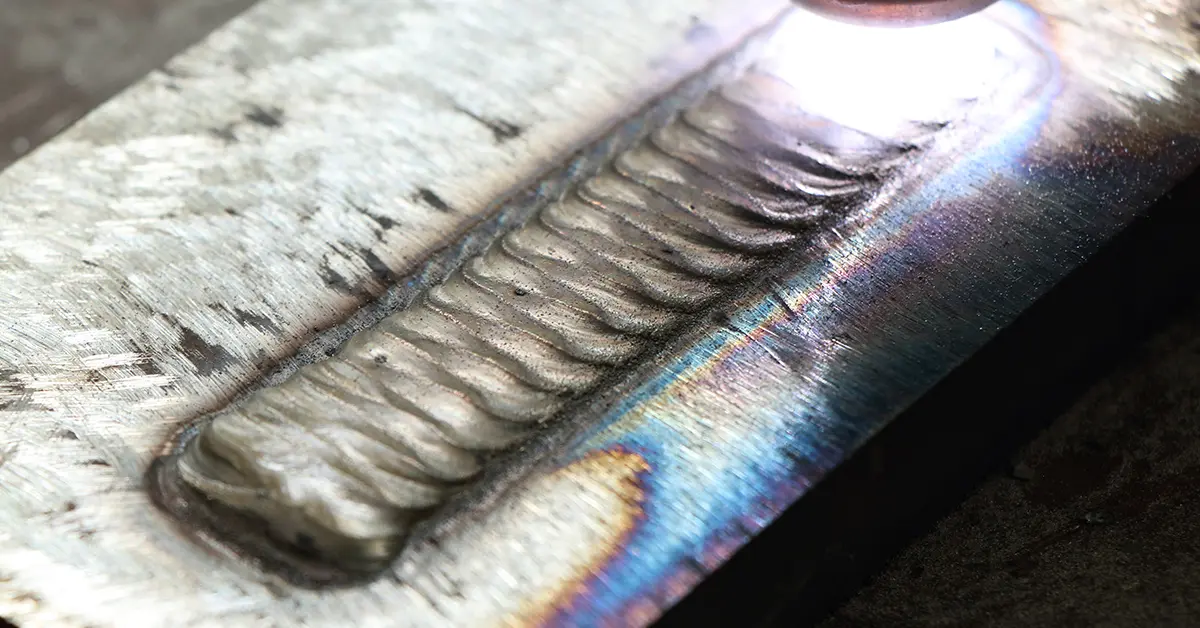
In Plasma Transferred Arc (PTA) hardfacing, achieving a high-quality overlay is not only about selecting the right alloy powder or optimizing welding parameters. One of the most critical factors that directly affects overlay performance is the dilution rate. Whether you seek to deposit a single layer or multiple layers, keeping the dilution rate below 5% preserves the microstructural hardness of the raw tungsten or stellite carbide.
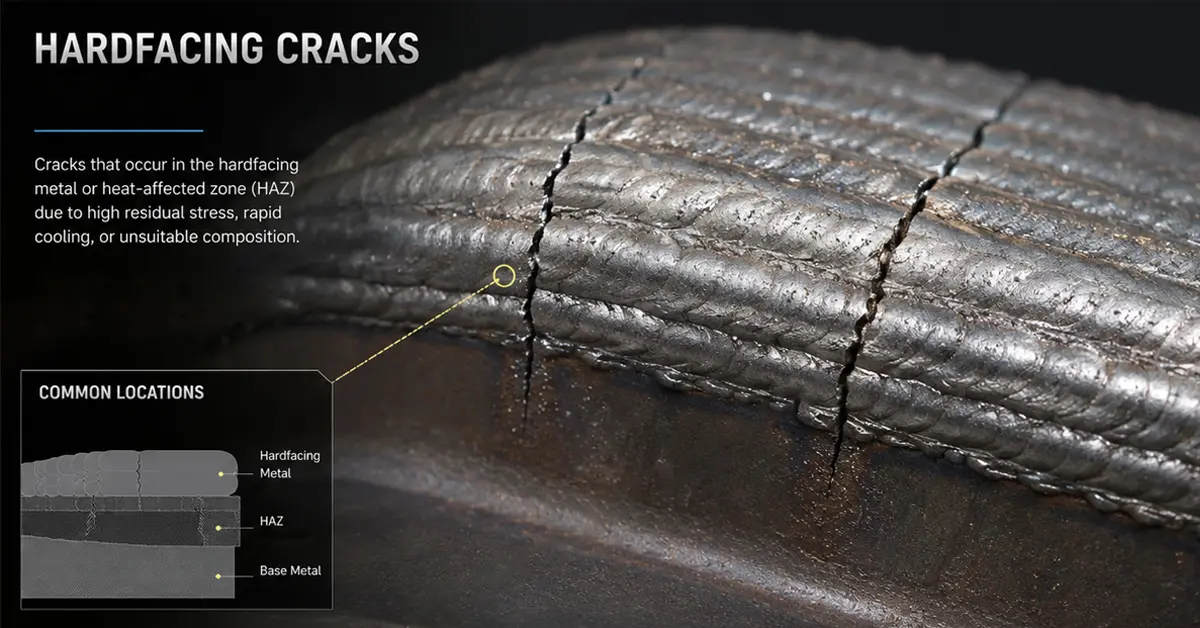
In industries such as Oil & Gas, Mining, Power Generation, Cement, and Heavy Equipment Manufacturing, hardfacing is no longer just a repair process. It has become a critical technology directly related to equipment lifespan, downtime costs, maintenance frequency, and structural reliability. Implementing automated cladding reduces long-term operational costs by reclaiming worn-out parts instead of replacing them.
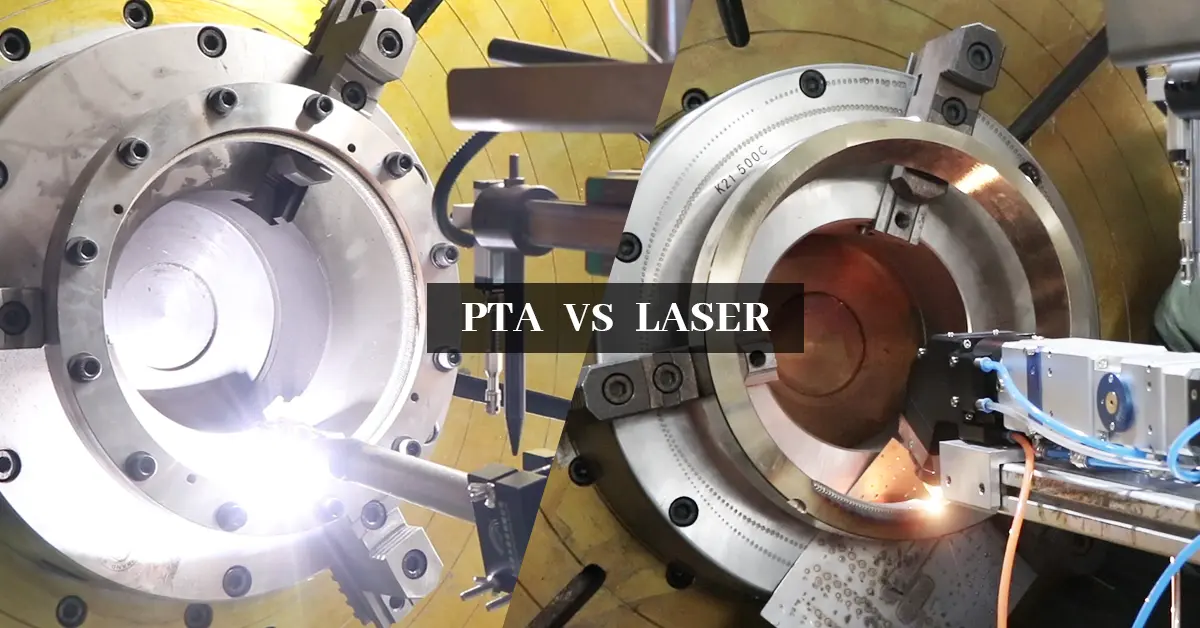
Industrial valves are constantly exposed to severe operating conditions including: High pressure, extreme temperatures, corrosive media, abrasive wear, and sand erosion. Custom automated cladding systems allow manufacturers to apply cobalt-based alloys (Stellite) with micron-level precision, preventing localized stress corrosion cracking and guaranteeing leak-free operation over extended lifecycles.
Choose from our specialized systems, or request a custom-engineered station tailored for your production footprint.
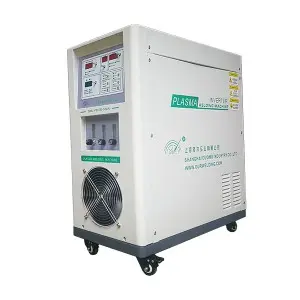
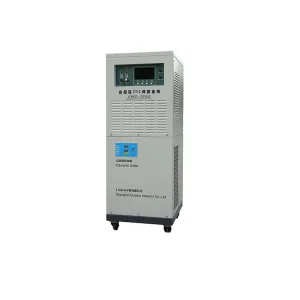
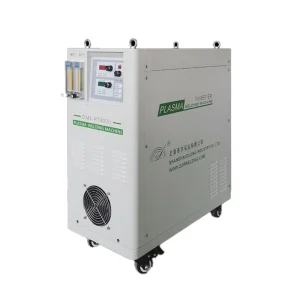
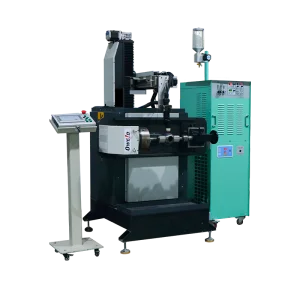
Optimized for rapid metal deposition with stable continuous plasma arc power controls.
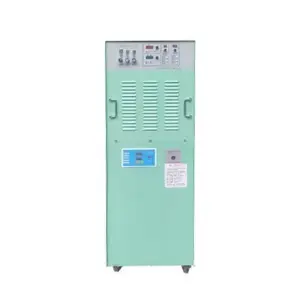
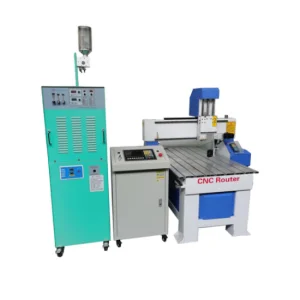
Combines multi-axis motion controls with high-precision powder feeders for irregular parts.
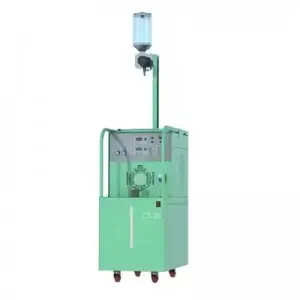
Designed for heavy wear components requiring thick protective alloy layers.
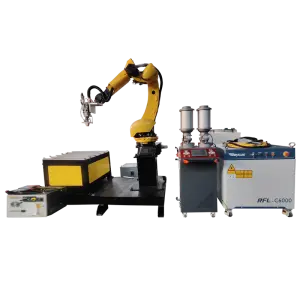
Achieves ultra-precise metallurgical bonding with minimal distortion on thin-walled blade geometries.
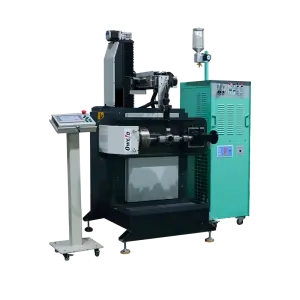
Continuous rotating fixture system for uniform wear protection overlays on valve spheres.
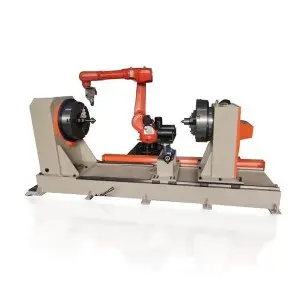
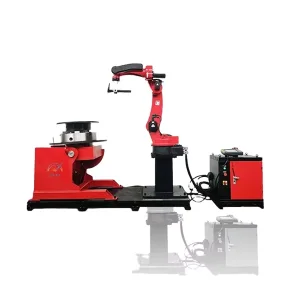
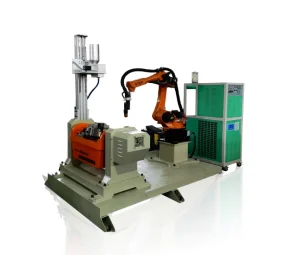
6-axis articulated robot system providing dynamic localized surface hardening path programming.
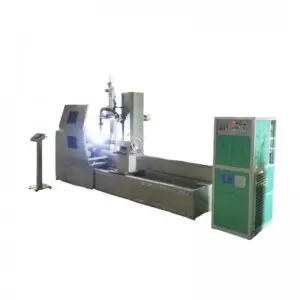
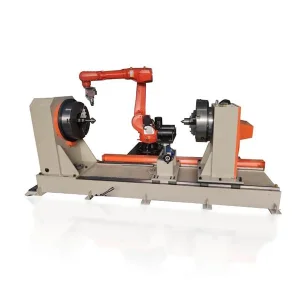
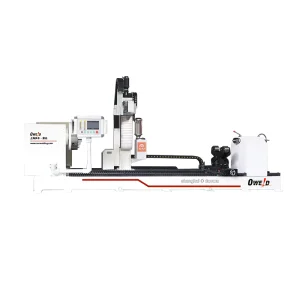
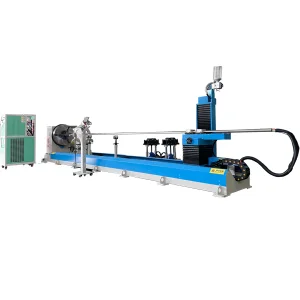
Custom lathe-bed setup designed specifically for rapid cladding of hydraulic shafts and pistons.
Exporting advanced welding machinery requires strict adherence to international quality standards. Shanghai Duomu constructs its hardware according to rigorous global frameworks, ensuring seamless integration into modern manufacturing facilities.
For European and Polish markets, our equipment conforms to structural steel fabrication and execution standards, including EN 1090-2 and ISO 3834-2 (Quality requirements for fusion welding of metallic materials). Our systems feature full CE Certification, integrated safety enclosures, dual-channel emergency stops, and smoke extraction interfaces to protect local operators.
Additionally, we provide localized technical support and remote telemetry software. Our field service technicians can perform real-time diagnostic checks, debug motion paths, and assist in process qualification (WPQR) to minimize operational risks for international clients.
The next generation of steel welding ("Spawanie Stali") focuses on automation, real-time sensing, and closed-loop process control. Our engineering team is currently developing:
In-depth technical answers regarding our custom welding, PTA, and laser cladding manufacturing capabilities.
Our systems support a wide variety of base metal substrates, including low-carbon structural steels, high-strength alloy steels, cast iron, and various grades of stainless steel (e.g., Duplex, 304, 316). Available cladding powders include Cobalt-based alloys (Stellite series), Nickel-based alloys (Colmonoy series), Iron-based alloys, and Tungsten Carbide composite matrix powders designed for severe abrasion resistance.
Dilution occurs when the substrate melts and mixes with the cladding material. Our PTA systems feature precision PLC controllers that regulate current, voltage, and powder feed rates, keeping dilution under 5%. Our Laser Cladding systems achieve dilution rates of less than 2% by utilizing a highly focused fiber laser source that melts only a micron-thin layer of the substrate, preserving the properties of the cladding alloy.
Yes. Our custom 6-axis robotic arm setups are integrated with off-line programming software and optical tracking sensors. This allows the system to follow non-linear paths, perform corner welds, and coat inner bore surfaces. We configure specialized double-axis positioners to coordinate complex motion profiles for circular or irregular shapes.
Absolutely. Over 60% of our production consists of custom-engineered systems. We design custom cladding setups, integrated rotators, pneumatic tailstocks, internal bore torches, and powder feeders to suit your workspace dimensions and production requirements.
We provide full remote telemetry capabilities on all PLC-controlled systems, allowing our engineers to diagnose issues, calibrate parameters, and update software remotely. For on-site setup, we offer commissioning services, operator training, and ship replacement parts via express international logistics to ensure minimal downtime.
Review additional custom models engineered for high-volume manufacturing and component remanufacturing.
For inquiries about our products or pricelists, please leave your contact details below and we will get back to you within 24 hours.







 Duomu
Duomu