An authoritative analysis of Gas Tungsten Arc Welding with Hot Wire (GTAW-HW) technology and its role in modern industrial remanufacturing.
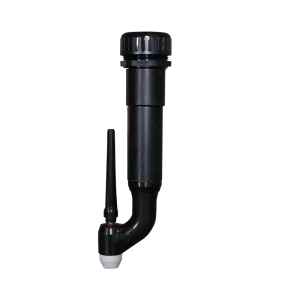
In high-precision manufacturing, Gas Tungsten Arc Welding (GTAW / TIG) has long stood as the gold standard for weld quality, metallurgical integrity, and defect-free bonding. However, traditional TIG's primary limitation has always been its low deposition rate. By introducing a secondary independent power supply to pre-heat the filler wire before it enters the weld pool, Hot Wire TIG (GTAW-HW) transforms this bottleneck. Pre-heating the wire close to its melting point allows the primary tungsten arc to focus its thermal energy entirely on melting the base material. The result is a dramatically increased wire feed speed, reaching deposition rates comparable to MIG/MAG (GMAW) while preserving the superior, spatter-free quality of conventional TIG.
At the center of this thermal dynamic is the reduction in dilution rate. For critical surfacing applications, such as cladding carbon steel with Inconel 625 or Stellite alloys, preventing the migration of iron (Fe) into the overlay is critical. Hot Wire TIG allows manufacturers to maintain dilution rates under 5% in single-pass overlays, preserving the corrosion-resistant or wear-resistant properties of the expensive cladding alloy. The independent control of the wire heating current, combined with synchronized pulsed-arc parameters, ensures that engineers can precisely modulate the weld pool dynamics for a wide range of positions, base metals, and geometry constraints.
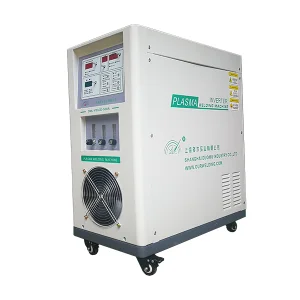
Sourcing advanced thermal surfacing and Hot Wire TIG equipment from China offers significant structural, technical, and supply chain advantages. As a primary global manufacturing hub, companies like Shanghai Duomu integrate complete industrial ecosystems to provide state-of-the-art cladding equipment with exceptional cost-performance metrics.
Key drivers of our manufacturing capability include:

Exploring how advanced Hot Wire TIG and PTA surfacing systems protect mission-critical equipment globally.
Cladding and repair of high-stress turbine blades, structural frame components, and exhaust manifolds. Hot Wire TIG prevents defects, micro-voids, and heat-induced warpage in titanium and nickel-based superalloys.
Internal bore cladding of drill collars, mud pumps, riser pipes, and subsea Christmas tree components. The low-dilution overlay of Inconel 625 protects carbon steels from severe sour gas corrosion and high temperatures.
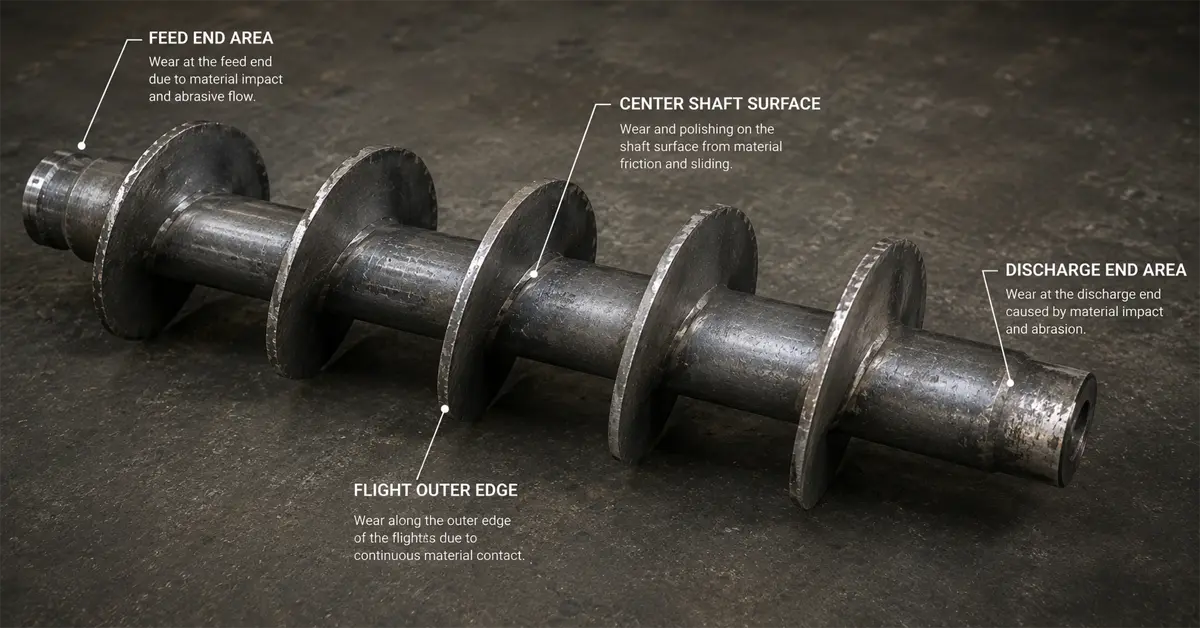
Reclaiming heavy roll assemblies, conveyor screws, pulverizer teeth, and high-impact mining buckets. PTA and Hot Wire TIG hardfacing using tungsten carbide matrices significantly extends operational wear life.



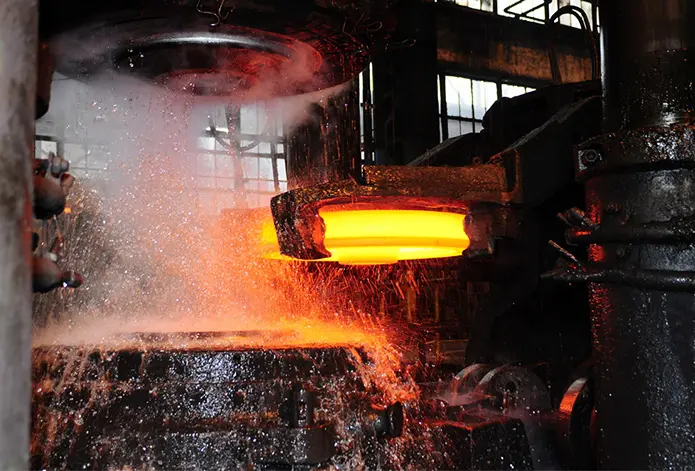
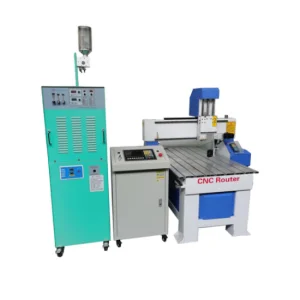
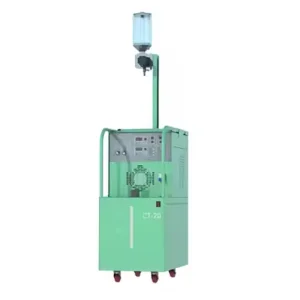
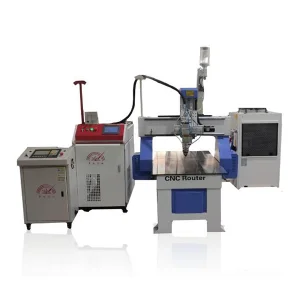
Our independent technical department comprises mechanical engineers, metallurgical experts, and software developers specialized in automation and robotics. We design, produce, and sell our advanced plasma cladding and laser cladding machine systems in-house.
By controlling all stages from initial design to programming and commissioning, our machinery maintains consistent, efficient operations over long service lifetimes. Furthermore, our laser cladding systems are built to handle intensive, large-scale industrial remanufacturing projects with minimal downtime.
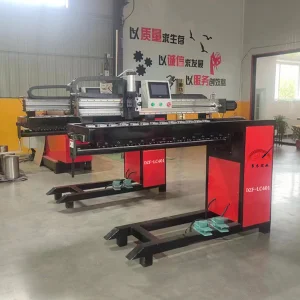
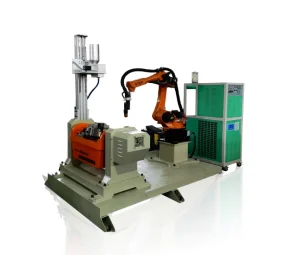
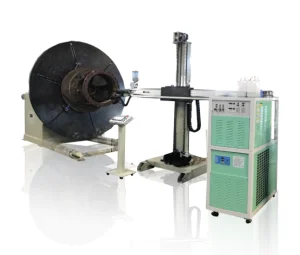
We provide complete, customized equipment lines according to requirements, including special cladding setups such as hydraulic rod cladding machines, valve cladding systems, and specialized robotic manipulators.
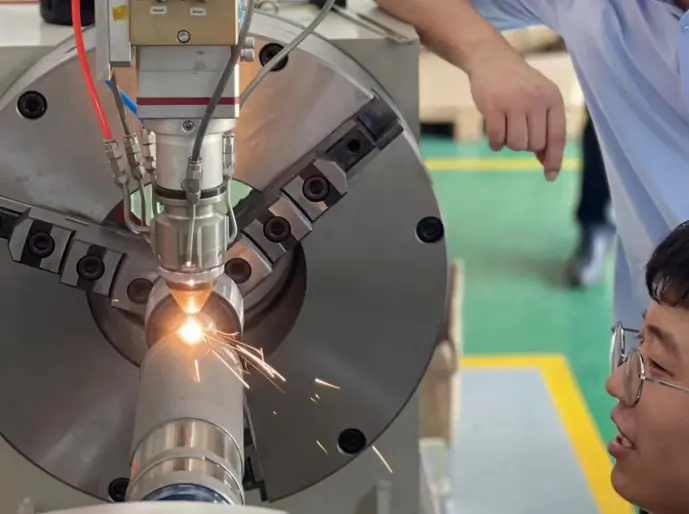
Meeting the strict engineering and compliance demands of international procurement managers.
For multinational corporations and EPC contractors, procuring advanced thermal surfacing machinery is not just about equipment pricing; it is about absolute adherence to safety and quality regulations. High-quality Hot Wire TIG and PTA surfacing systems must satisfy standards such as ASME Section IX (for welding and cladding qualifications), ISO 15614-7 (overlay welding parameters), and relevant CE directives for electrical and robotic safety.
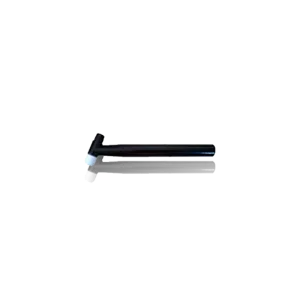
Shanghai Duomu enforces a strict quality control workflow that begins with material sourcing. High-grade components, robust wiring, Siemens PLCs, and premium copper torch elements are integrated into our systems. Every machine undergoes multi-hour continuous duty cycle tests under simulated operational stresses. Ultrasonic Testing (UT) and Dye Penetrant testing (PT) are conducted on sample cladding test plates to guarantee porosity-free deposits, minimal dilution, and excellent adhesion before shipment.
In-depth technical papers on dilution rates, screw conveyors, and industrial valve hardfacing.
Industrial valves in oil, gas, and chemical processing encounter extreme pressure, heat, and corrosive media. Overlaying seats and discs with Stellite or Inconel alloys using PTA welding is essential for extending valve operational life and preventing fluid bypass.
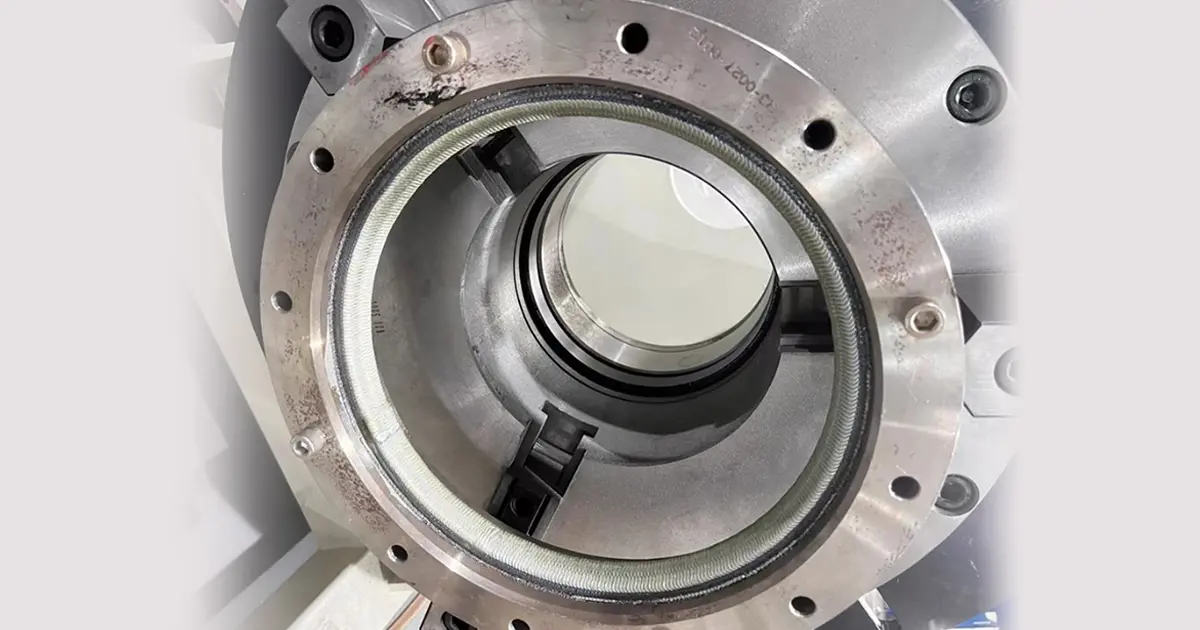
Conveyor screws in cement and mining sectors experience constant abrasive wear. Utilizing automatic plasma cladding system setups, we apply durable tungsten carbide composites that dramatically minimize downtime and avoid unplanned maintenance.
Overlay performance depends heavily on the dilution rate. High dilution compromises the chemistry of the deposit. Our closed-loop parameters in Hot Wire TIG and PTA setups guarantee optimal control of the dilution layer, protecting critical alloy chemistry.
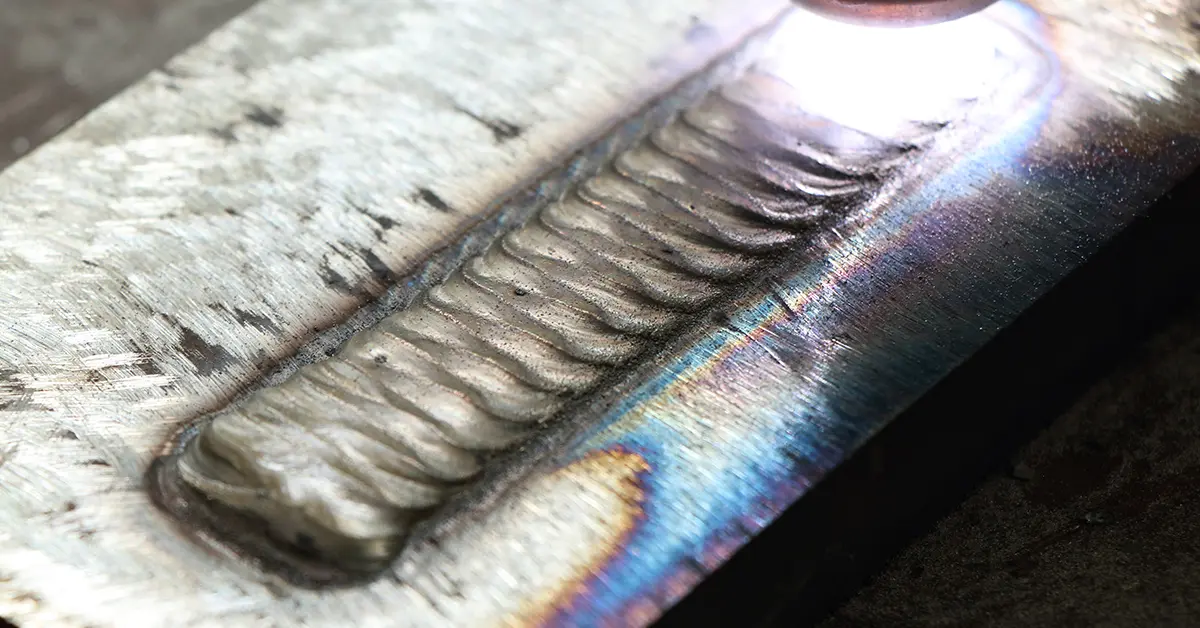
PTA cladding remains critical for heavy equipment manufacturing. The technology allows precise deposition of powder alloys on large surfaces. Integrating robotic controllers ensures consistent bead shapes and uniform thickness across irregular workpieces.
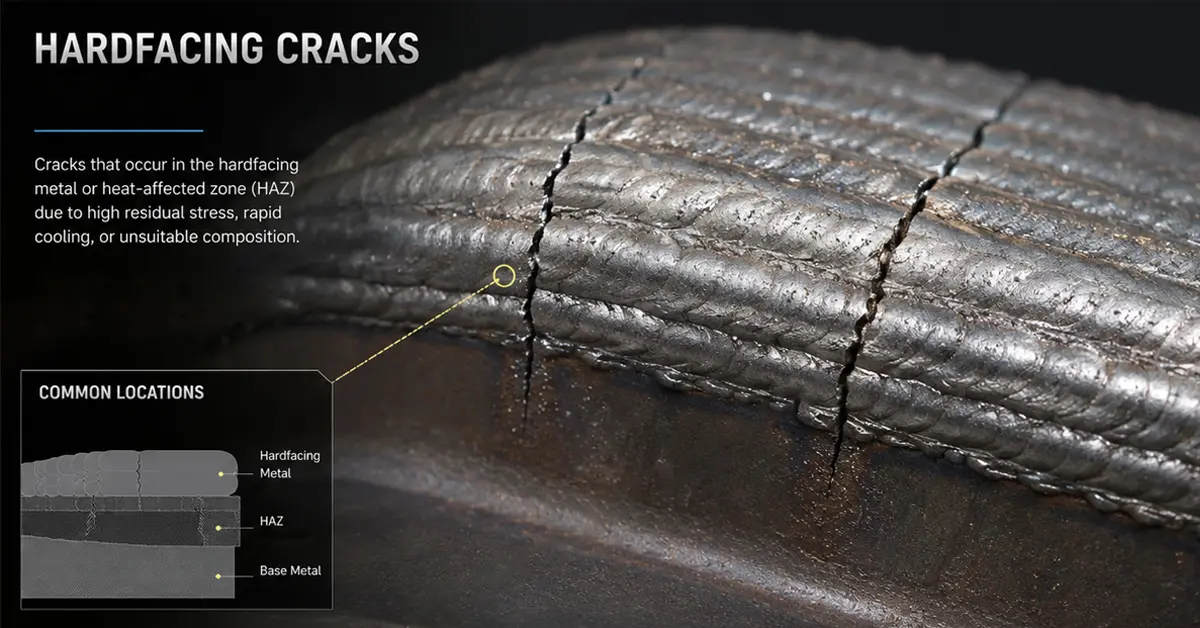
Answering key technical questions regarding Hot Wire TIG, PTA cladding systems, and ordering parameters.
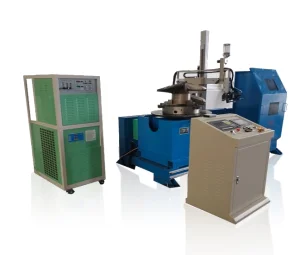
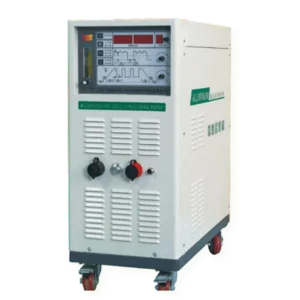
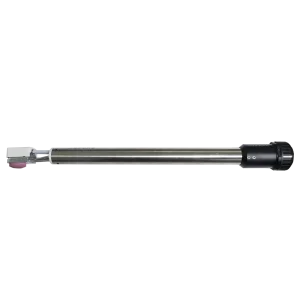
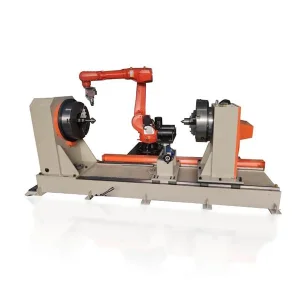
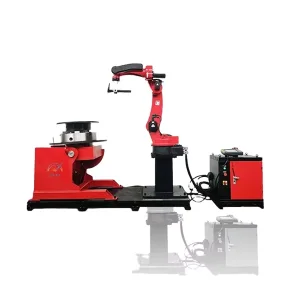








Request details or a price list from our team. We will get back to you within 24 hours with custom parameter specifications and configurations.
 Duomu
Duomu