China Cladding Welding Process Factory & Factories

Precision Hardfacing, Plasma Transferred Arc (PTA) & Laser Cladding Technology Systems

Premium Cladding Systems & Equipment Solutions

Explore our advanced CNC-controlled, robotic, and automated cladding systems engineered for heavy-duty industrial surface protection.
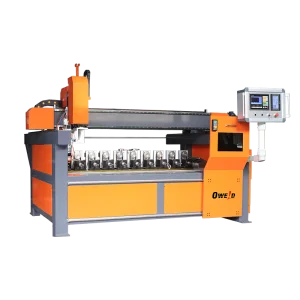
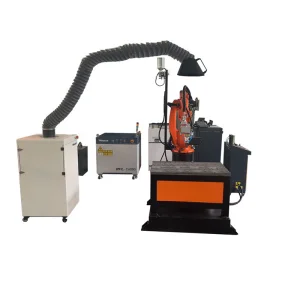
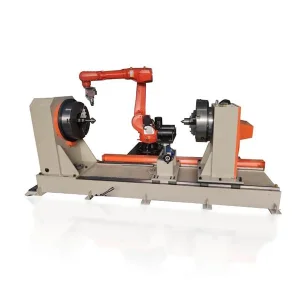
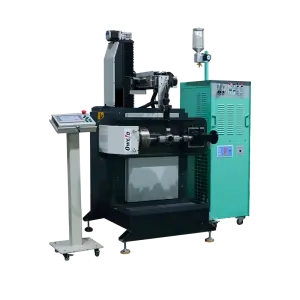
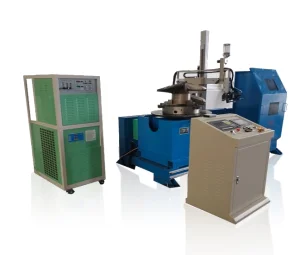
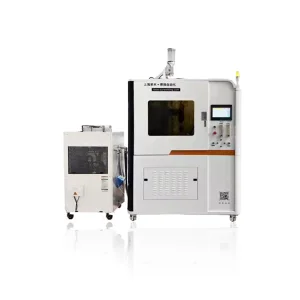
China Laser cladding of plane gantry Manufacturer

China Laser cladding of plane gantry Manufacturer, Manufacturers

View Details
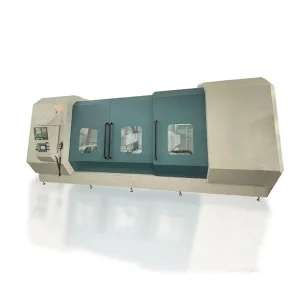
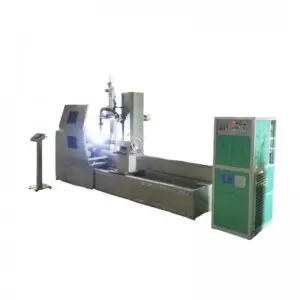
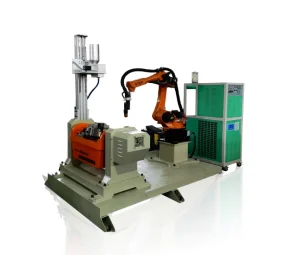
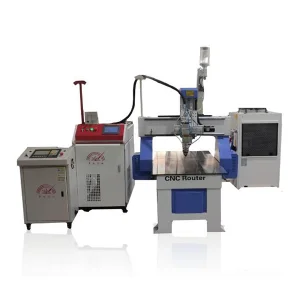
High-Quality Gantry Laser Cladding Machine

High-Quality Gantry Laser Cladding Machine for Medium & Small Components Suppliers, Factory

View Details
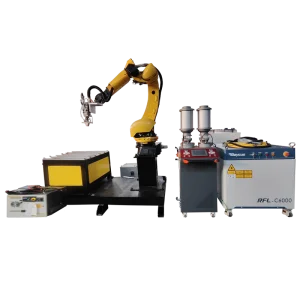
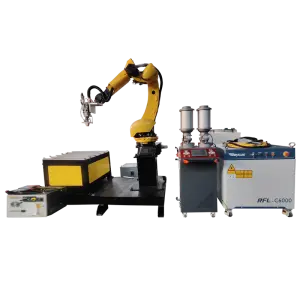
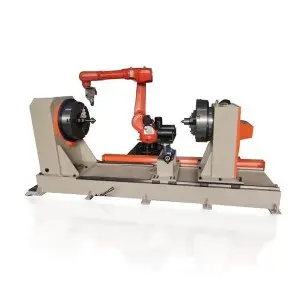
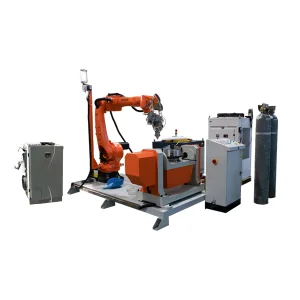
China Robotic Laser cladding System for blades

China Robotic Laser cladding System for blades Manufacturer, Factory

View Details
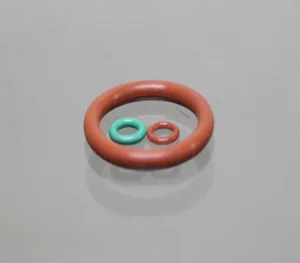
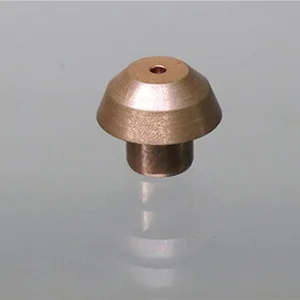
China Rubble Ring for Plasma Torch

China Cheap And Serviceable Rubble Ring For Plasma Torch Manufacturer, Factories

View Details
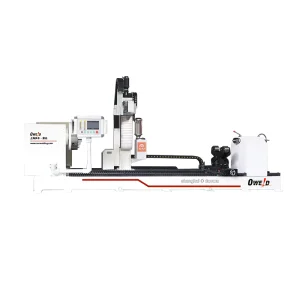
Custom Laser cladding machine for blades

Custom Laser cladding machine for blades Factory, Factories

View Details
Laser cladding equipment for hydraulic rod

China Laser cladding equipment for hydraulic rod Supplier, Factory

View Details
Laser hardening robot

China Laser hardening robot Suppliers, Factory

View Details
Plasma torch 80A

China Plasma torch 80A Suppliers, Factories

View Details

Understanding Advanced Cladding Welding Process Technologies

An Industrial Deep Dive into Plasma Transferred Arc (PTA) & Laser Cladding Systems

The Mechanics of Surface Protection

Cladding welding processes, particularly Plasma Transferred Arc (PTA) and Laser Cladding (LC), are modern surface engineering milestones. Unlike traditional welding, which primarily fuses two base components, cladding involves melting a feedstock material (in the form of powder or wire) and combining it with a thin surface layer of the substrate. The goal is to establish a true metallurgical bond with minimal dilution, creating a protective layer with superior properties such as heat, corrosion, and wear resistance.

"Dilution is the enemy of performance in surface hardfacing. By optimizing energy density profiles, modern laser and plasma systems reduce substrate dilution to under 5%, preserving the pure chemistry of advanced cobalt, nickel, and tungsten carbide alloys."

By controlling parameters such as specific heat input, powder feed rates, and scanning speed, cladding factories in China can precisely customize the deposition profile. This creates highly stable microstructures, characterized by refined dendritic matrices, that outlast conventional flame spraying or chrome plating options by a factor of five.

Comparing PTA Hardfacing and Laser Cladding

Both methods offer distinct advantages depending on component scale, geometrical complexity, and material specifications:

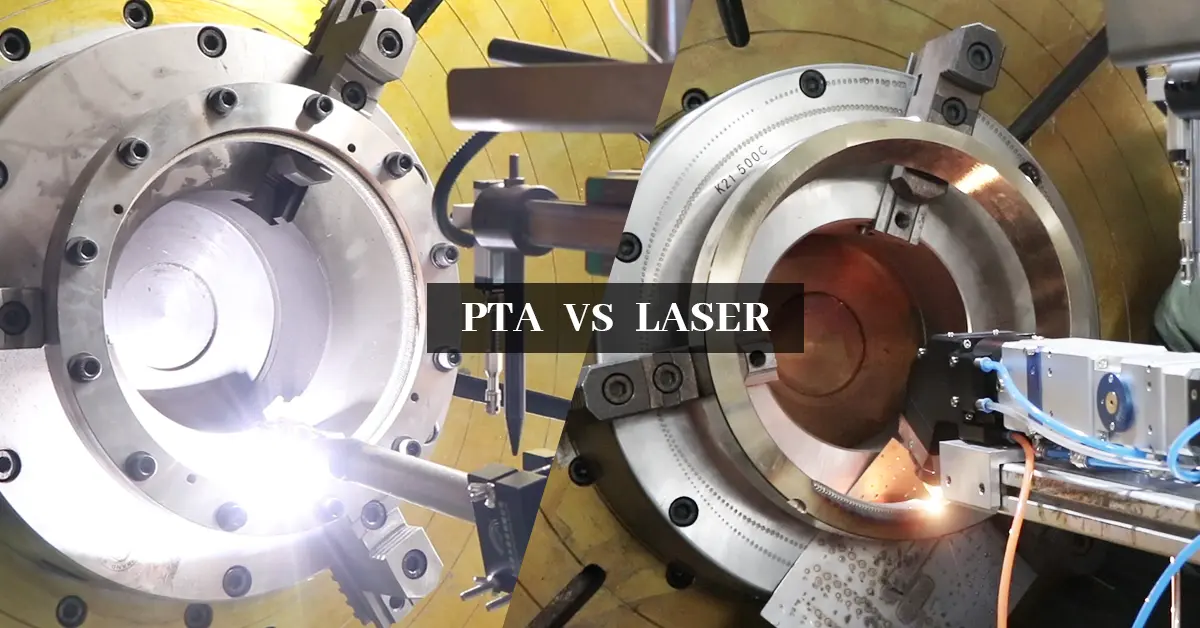
  • Laser Cladding (LC): Utilizes a coherent high-power laser beam (usually fiber or diode laser) as the heat source. It produces a very narrow heat-affected zone (HAZ), exceptionally low dilution rates (1% to 3%), and superior precision. This makes it ideal for complex, close-tolerance components such as turbine blades, hydraulic rods, and specialized calibration devices.
  • Plasma Transferred Arc (PTA): Uses a constricted arc plasma to melt both the powder feedstock and the substrate. PTA is known for high deposition rates (often exceeding 5 kg/hr) and robust, thick coatings. It is the preferred method for heavy agricultural implements, petrochemical valves, and deep-well drilling stabilizer bands where thickness is critical to combating extreme wear.

Selecting the right method depends on balancing thermal stress tolerance, surface roughness requirements, coating thickness, and cost limitations.

< 5%
Dilution Rate for Laser Cladding
65+ HRC
Hardness in WC-Co Depositions
10+ Years
R&D and Industrial Export Experience
50%
Extension of Component Life Cycles

The Strategic Advantages of China's Cladding Factories

Why global industrial equipment manufacturers source their hardfacing systems and services from Chinese production hubs

Integrated Value Chains

China's cladding hubs unify key suppliers under one roof, integrating high-power laser manufacturing, precision robotics, and powder metallurgy. This ensures reliable sourcing of specialized materials like Stellites and Inconel at scale.

Smart Automation & Robotics

Equipped with 6-axis articulated robots, multi-axis gantry positioners, and advanced closed-loop thermal sensors, Chinese factories maintain stable deposition quality even over long production runs.

Unparalleled R&D Agility

Chinese research divisions quickly adapt to changes in materials science, helping OEMs refine powder feeding systems, design custom shielding nozzles, and test advanced deposition layers.
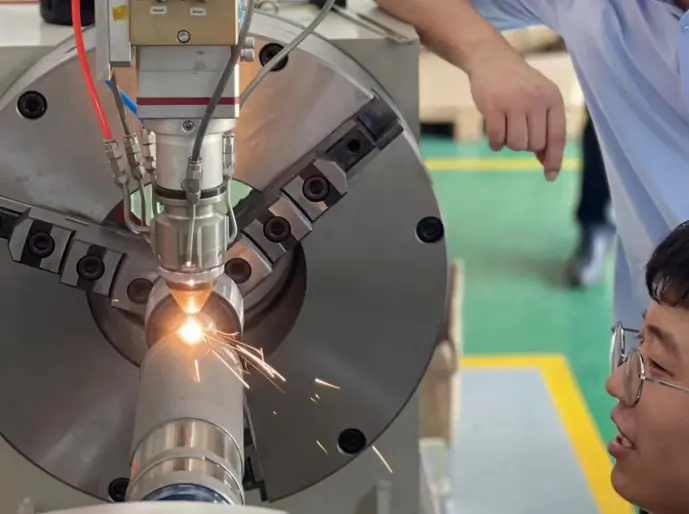
Technical Department

Our Specialized Technical & R&D Infrastructure

We rely on an independent R&D team specialized in designing, producing, and supporting plasma cladding systems. Our workhorse machines are built to deliver stable, high-uptime performance across intensive manufacturing cycles.

Our large-scale laser cladding setups support demanding industrial remanufacturing projects. We offer mature technological processes to deliver integrated system solutions for heavy industrial applications.

By refining beam diagnostics, powder-focus nozzles, and real-time melt pool monitoring, we help global clients transition away from high-pollution options like hard chromium plating to clean, efficient, and cost-effective cladding processes.

Industrial Application Scenarios for Cladding Solutions

Providing custom hardfacing and cladding solutions to protect critical equipment in demanding operating environments.

Agricultural machinery

Agricultural Machinery

Protecting tillage tools, subsoilers, and harvester blades from severe soil abrasion.

Aerospace military industry

Aerospace & Defense

Providing high-precision cladding for turbine blades, engine guides, and structural components.

Petroleum machinery

Petroleum Machinery

Applying wear-resistant overlays to drill collars, pump components, and downhole tools.
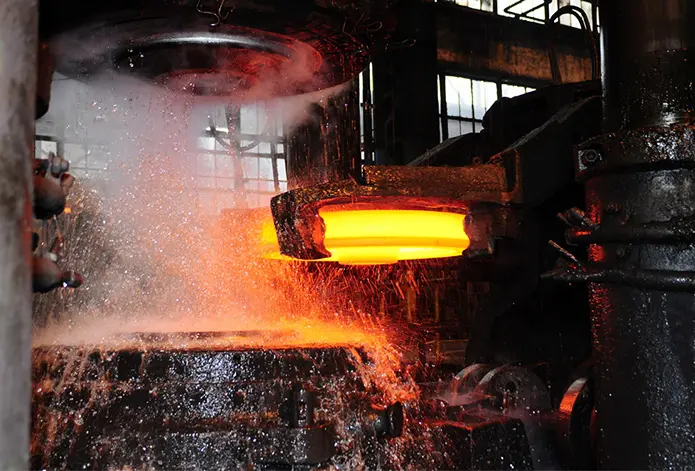
Metallurgy casting

Metallurgy Casting

Extending the service life of continuous casting rollers, pinch rolls, and extrusion dies.

About Shanghai Duomu

Shanghai Duomu has been a manufacturer and exporter of PTA cladding machines and Laser cladding machines for over ten years, supported by a strong technical background.

We supply automated systems, laser equipment, plasma options, and robotic setups designed to meet specific client needs. This includes specialized machinery for hydraulic rods, cutting picks, valves, and other complex parts.

Through close technical collaborations and reliable field engineering, we continue to help international industrial clients lower manufacturing downtime and improve component lifetimes.

About Duomu

Technical Insights & Field Performance Reports

Read about our engineering approach and how we optimize cladding results in challenging service conditions.

"The PTA Welding Valve Application Guide is a key reference for valve manufacturers facing severe wear, corrosion, and high-temperature erosion. As industries like petrochemicals and power generation push for longer lifetimes, choosing the right hardfacing alloys and dilution controls determines the final product's competitiveness."
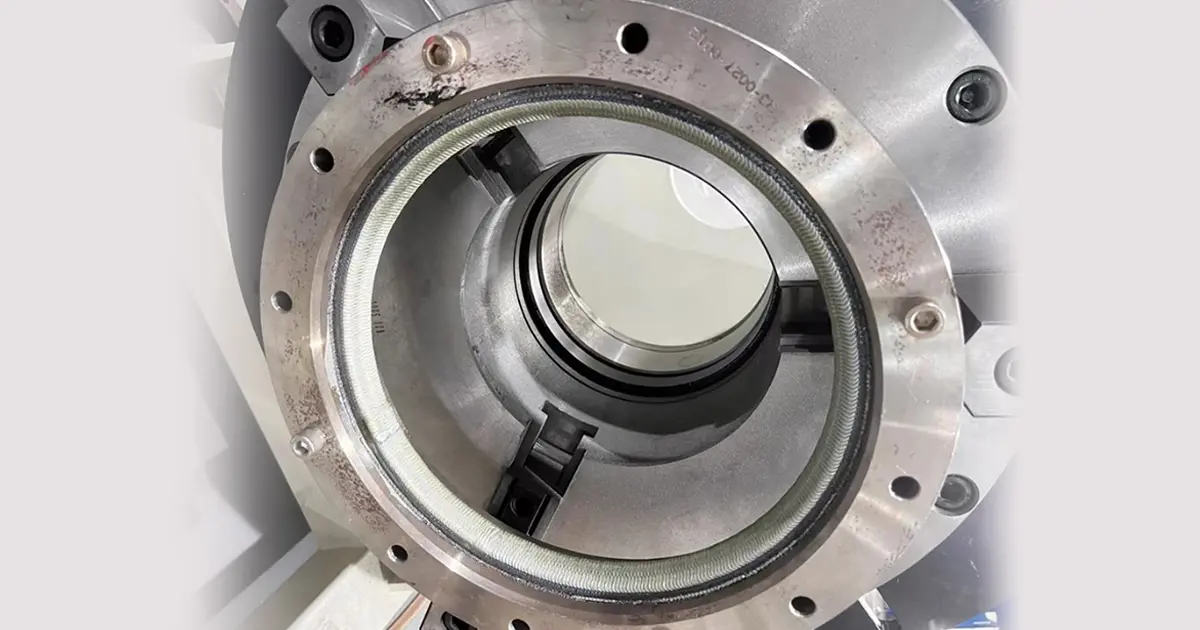
Valve Cladding Guide
Valve Hardfacing Guide Industrial Valve Applications

"In mining, cement, and power generation, screw conveyors are essential parts of the handling system. Maintenance data shows that they are a common source of unplanned production downtime. Applying tungsten carbide overlays via automated plasma cladding systems can prevent this wear and keep operations running."
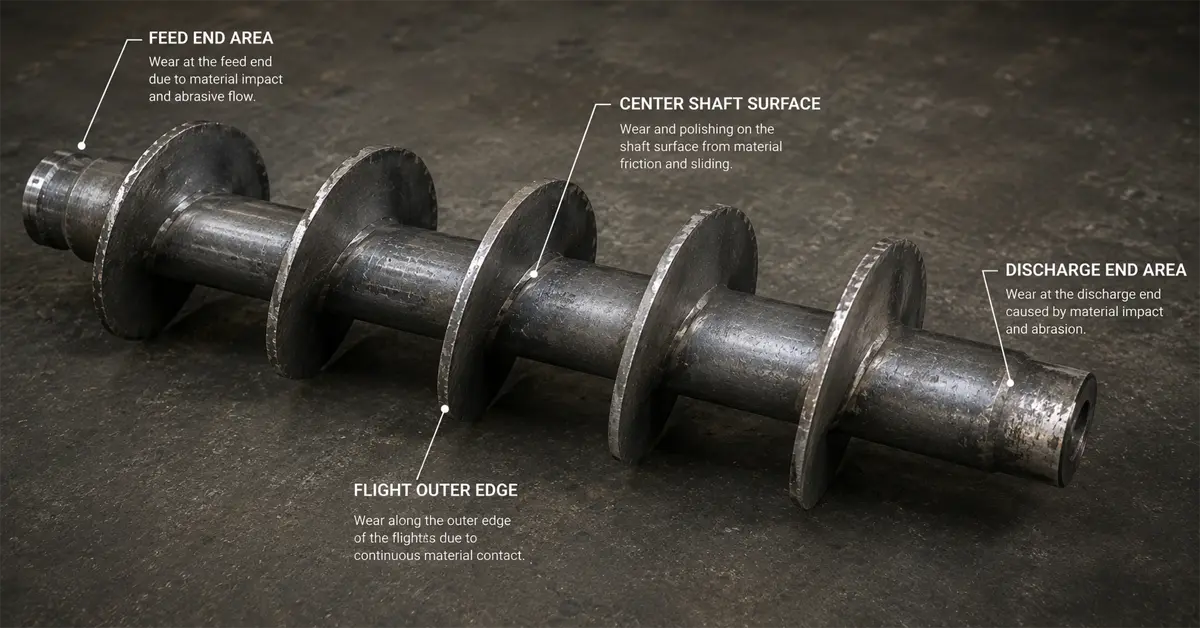
Screw Conveyor Wear Protection
Screw Conveyor Reliability Mining & Cement Processing

"In Plasma Transferred Arc (PTA) hardfacing, a high-quality overlay depends on more than just alloy selection and welding parameters. Controlling the dilution rate is critical to maintaining the properties of the wear layer. Keeping base metal dilution low is key to meeting performance targets."
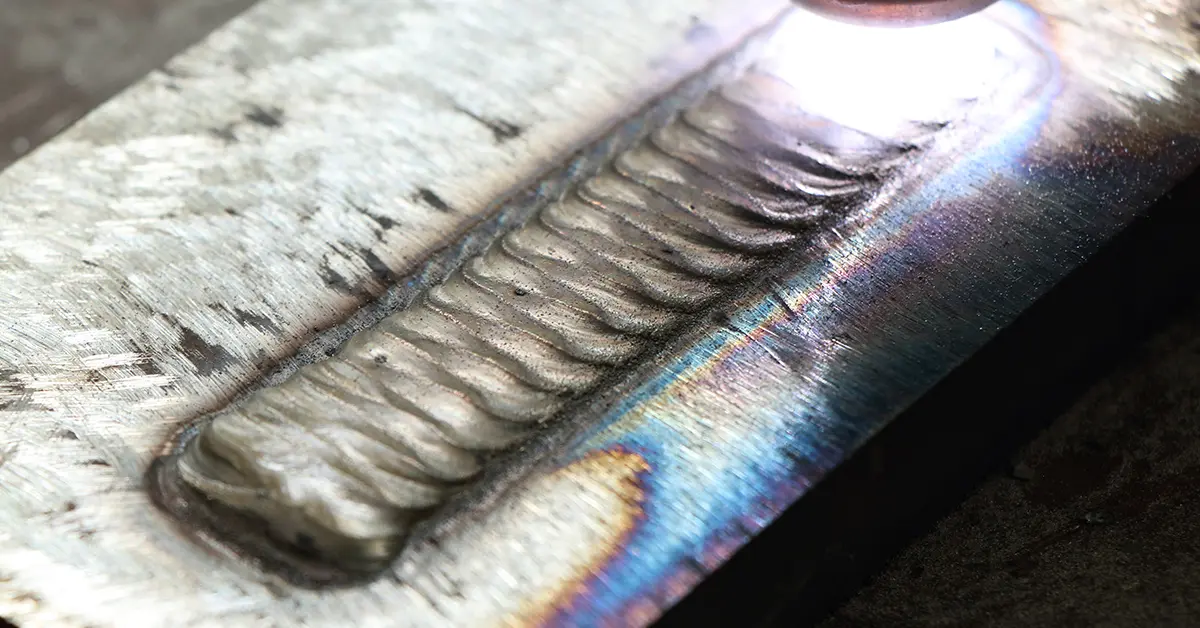
PTA Dilution Optimization
Dilution Engineering Metallurgical Analysis

"In Oil & Gas, Power Generation, and Heavy Manufacturing, hardfacing is no longer treated as just a repair option. It has become a design tool directly related to equipment lifespan, downtime costs, and overall project economics."
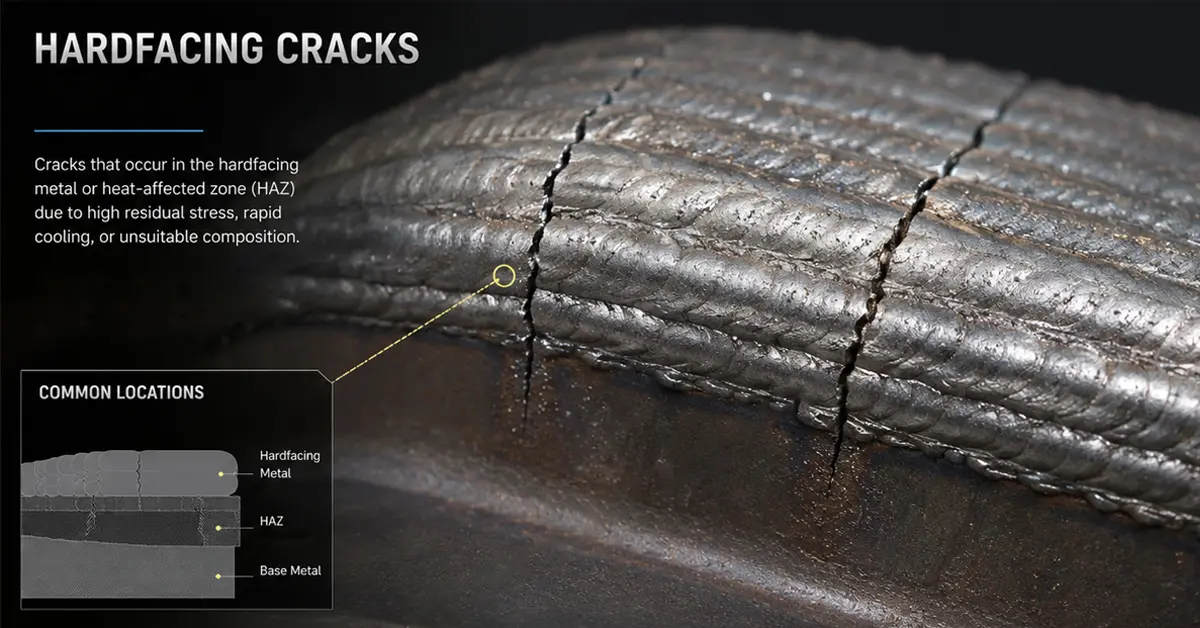
Hardfacing Economics
Equipment Lifespan Global Cost & Life Cycle Analysis

"Industrial valves are exposed to high pressures, temperature swings, corrosive fluids, and abrasive slurries. Advanced cladding overlays provide the necessary protection to maintain sealing performance and safety in these harsh operations."
Valve Sealing Performance
Corrosive Fluid Control Severe Service Valve Engineering

Global Sourcing, Standards & Future Trends

A Professional Procurement Guide for Engineering and Purchasing Departments

Key Quality Metrics for Sourcing Cladding Systems

Global engineering teams should consider several core parameters when sourcing cladding equipment from Chinese manufacturers:

  • Thermal Input Control: Automated systems must monitor and adjust the arc or laser power output in real-time to avoid thermal distortion, particularly on thin-walled shafts or complex geometries.
  • Feed Accuracy: Consistent powder flow is required to avoid porosity and density variations in the protective layer. Look for dual-hopper pressurized feeders that support continuous, metered flow.
  • Integration of Motion Control: Multi-axis CNC systems or robotic positioners must coordinate their speeds to maintain uniform thickness across curved surfaces, corners, and internal bores.

Emerging Technology Trends

The surface engineering industry is moving toward higher speed and greater precision. High-speed laser cladding (EHLA) is growing in popularity as a replacement for hard chrome plating. It deposits thin coatings (25 to 250 microns) at speeds up to 100 times faster than conventional laser cladding.

Additionally, the integration of artificial intelligence and machine learning allows for real-time adjustments of laser output and powder feed based on sensor feedback. This closed-loop control helps maintain consistent deposition quality across varying production runs.

Frequently Asked Questions (FAQ)

Answers to common questions about cladding processes, equipment options, and sourcing logistics.

Q1: What is the main difference between PTA and Laser Cladding?
The main differences are the energy source and the thermal input. Laser cladding uses a focused laser beam to produce a very narrow heat-affected zone and low dilution rates (typically 1-3%). PTA uses a constricted plasma arc, which yields higher deposition rates and thicker individual layers, making it a robust option for large, heavy-duty parts.
Q2: How do you control the dilution rate during the cladding process?
Dilution rate is controlled by balancing energy density, travel speed, and powder feeding rate. Modern cladding setups feature closed-loop monitoring systems that adjust power output dynamically, helping to keep substrate dilution under 5% and preserve the properties of the alloy.
Q3: Which alloys are most commonly used for industrial wear protection?
Common alloys include Cobalt-based alloys (such as Stellite) for high-temperature wear and corrosion resistance, Nickel-based alloys (like Inconel) for extreme corrosion environments, and Tungsten Carbide matrices (WC-Co/Ni) for severe abrasive wear.
Q4: Can cladding processes be used to repair worn components?
Yes, both PTA and laser cladding are commonly used for remanufacturing and repair. They can deposit new material onto worn shafts, hydraulic cylinders, and turbine blades to restore their original dimensions and improve their wear resistance.
Q5: How does high-speed laser cladding (EHLA) differ from conventional laser cladding?
EHLA melts the alloy powder while it is still in the beam path, before it reaches the substrate. This allows for much higher travel speeds and thinner individual coatings, making it a faster alternative to traditional hard chrome plating.
Q6: What quality control standards apply to cladding operations?
Cladding operations follow industry quality standards including ISO 3834, ASME Section IX, and ASTM G65 (for wear testing) and ASTM G48 (for corrosion testing). Non-destructive testing methods like dye penetrant and ultrasonic testing are used to verify coating integrity.
Q7: Can automated cladding systems handle complex part geometries?
Yes, modern systems integrate 6-axis robots and multi-axis turn-tilt positioners controlled by offline programming software. This coordinates the motion of the part and the cladding head to maintain consistent deposition on complex shapes.
Q8: What is the typical lead time for custom cladding equipment from China?
Lead times vary depending on the system's complexity. Standard standalone systems typically ship within 60 to 90 days. Large, custom robotic lines that require custom tooling, integration, and factory testing may require 120 to 180 days.

Optimize Your Surface Engineering Today

For inquiries about our products or pricing, please leave us a message. Our technical team will get back to you within 24 hours.

Specialized Automated & Robotic Cladding Equipment

Custom-engineered PTA systems, laser hardening configurations, and dedicated machinery components.

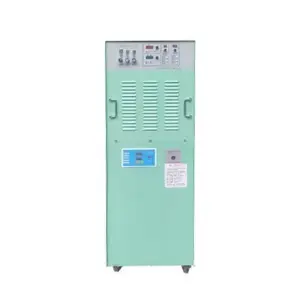
plasma powder surfacing machine DML-V03CD

plasma powder surfacing machine DML-V03CD

Learn More
integrated multifunctional plasma powder weldin...

integrated multifunctional plasma powder weldin...

Learn More
multifunctional plasma powder welding machine

multifunctional plasma powder welding machine (...)

Learn More
Laser cladding machine for blades

Laser cladding machine for blades

Learn More
Ball Valve Automated Welding Equipment DQF-LC602

Ball Valve Automated Welding Equipment DQF-LC602

Learn More
Laser hardening robot

Laser hardening robot

Learn More
DYY-LC501 Hydraulic rod automatic plasma cladding

DYY-LC501 Hydraulic rod automatic plasma cladding...

Learn More
View all catalog

Engineering Components & Specialized Spares

Explore our selection of cladding components, plasma torches, and calibration devices.
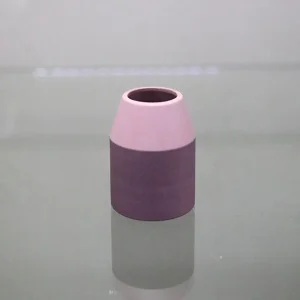
Custom Gas shield cover

Custom Gas shield cover Manufacturer, Factories

View Details
Robust Plasma Transferred Arc Nozzle

High-Quality Robust Nozzle With Firm And Strong Plasma Transferred Arc Manufacturers, Suppliers

View Details
Custom DH6-LC501-B06 Automatic cladding system

Custom DH6-LC501-B06 Automatic cladding system of screw brick machine Manufacturers, Factories

View Details
Automated laser cladding machine Supplier

High-Quality Automated laser cladding machine Supplier, Factory

View Details
Automatic plasma surfacing robot

China DH1440-B06 Automatic plasma surfacing robot Manufacturers, Suppliers

View Details
Laser Cladding & PTA Cladding Machine

High-Quality DYY-LC501 Laser Cladding & PTA Cladding Machine for Shaft Repair and Cylindrical Components Manufacturer, Supplier

View Details
Cutting picks automatic laser cladding equipment

Custom Cutting picks automatic laser cladding equipment DJC-LC305 Factory, Factories

View Details
Tungsten Calibrator Manufacturer

Custom Durable Service And High Precision Tungsten Calibrator Manufacturer, Factories

View Details
Partner Logo 1 Partner Logo 2 Partner Logo 3 Partner Logo 4 Partner Logo 5 Partner Logo 6 Partner Logo 7 Partner Logo 8 Partner Logo 9 Partner Logo 10