Custom Laser cladding machine for blades Factory, Factories

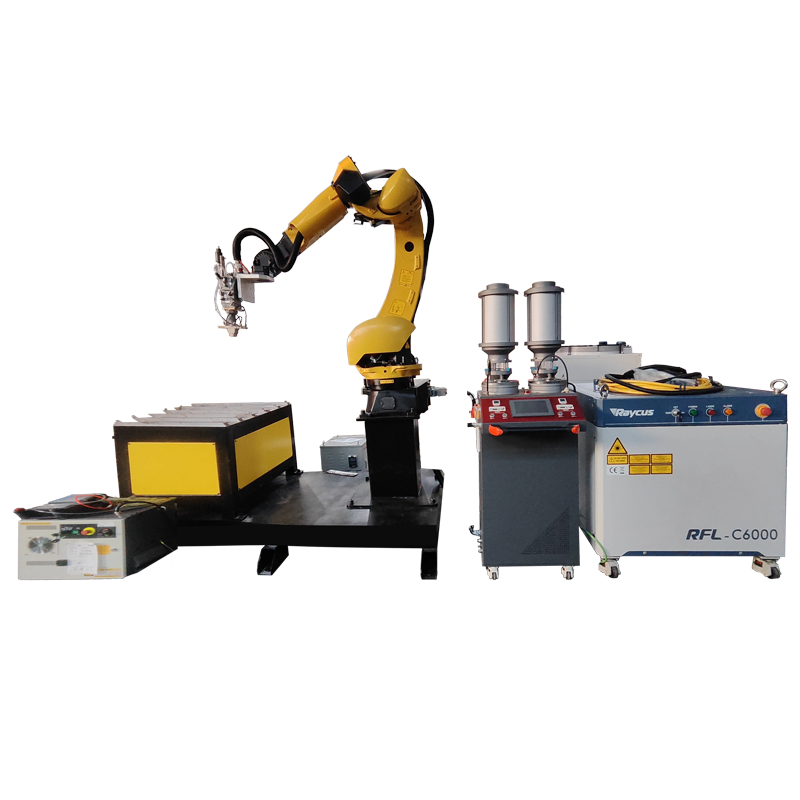
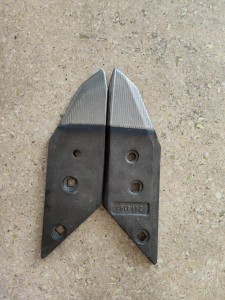
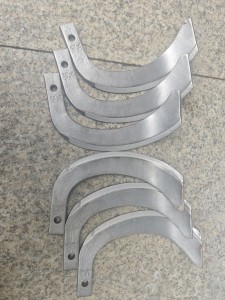
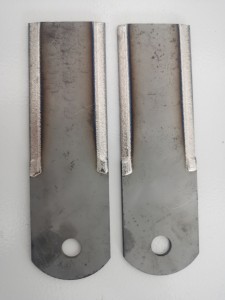
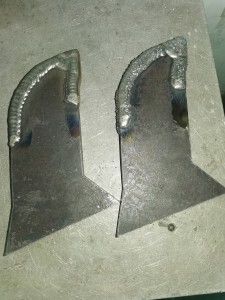
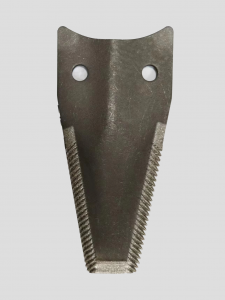
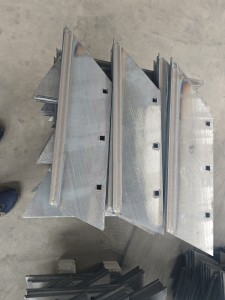
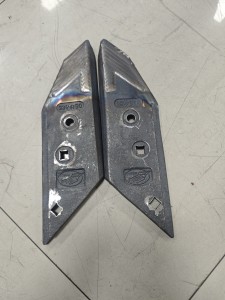
This is a high-end automated laser cladding machine designed for blades repair and remanufacturing. The laser welding machine employs a mainstream international “six-axis industrial robot” as its core motion platform, integrated with a high-energy-density “fiber laser” and an “automatic powder feeding system” to achieve multi-angle, multi-directional spatial cladding processing. The laser welding machine offers high flexibility, precision, and consistency, making it particularly suitable for repairing and reinforcing complex curved components such as aircraft engine blades, flat blades, and precision cutting tools.

Product Description

1. Multi-axis coordination for spatial freedom in cladding
The six-axis robotic structure covers any spatial angle, enabling uniform cladding on complex curved surfaces.
2. Stable laser control system
Utilizes fiber lasers (1–6kW power) with stable energy output, automatically adjusting power and scanning speed based on material type and layer thickness.
3. High-Quality Clad Layer
Delivers dense clad layers with low dilution rates and high bond strength; compatible with nickel-based, cobalt-based, stainless steel, and iron-based alloy powders.
4. Automated and Data-Driven Management
Supports process parameter monitoring, cladding process logging, and intelligent report generation for full production traceability.
Applications
  • Remanufacturing of aircraft engine and gas turbine blades
  • Surface strengthening and repair of cutting tools and molds
  • Extended service life of high-temperature alloy components
  • Enhanced surface performance of critical components in specialized equipment
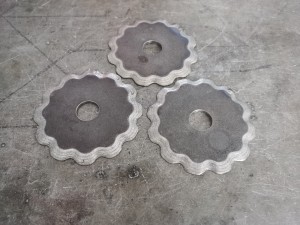
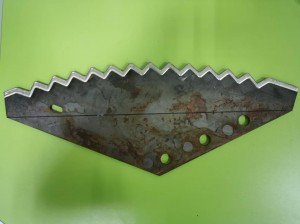
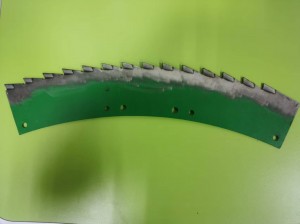
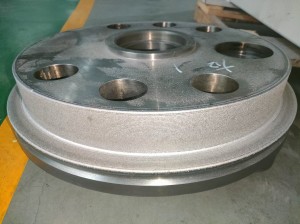
Product Gallery
Frequently Asked Questions
Q1: What materials can be used with this laser cladding system?
A: The system is compatible with a wide range of alloy powders, including nickel-based, cobalt-based, stainless steel, and iron-based alloy powders.
Q2: How does the system achieve uniform cladding on complex surfaces?
A: It utilizes a six-axis robotic structure that covers any spatial angle, providing the spatial freedom necessary for precise and uniform cladding on complex curved surfaces.
Q3: What type of laser power output does the system provide?
A: The system features stable fiber lasers with a power output ranging from 1kW to 6kW, automatically adjusting settings based on material properties and layer thickness.
Q4: Does the system support automated quality control and logging?
A: Yes, it includes automated, data-driven management featuring process parameter monitoring, detailed cladding logging, and intelligent report generation for full production traceability.
Q5: What are the primary applications of this cladding technology?
A: Key applications include remanufacturing turbine blades, surface strengthening of tools/molds, extending high-temperature alloy component service life, and enhancing specialized equipment surfaces.
Related Products