 Duomu
Duomu
1 / 1
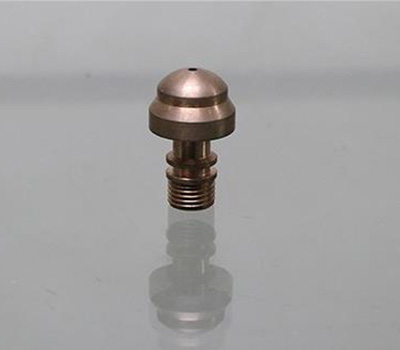
PTA welding is a thermal process that applies wear and corrosion-resistant layers to metallic surfaces. A constricted plasma arc melts both the base metal surface and the metal powder alloy feed simultaneously, producing a high-strength metallurgical bond with minimal dilution.
PTA hardfacing offers precise control over dilution rates, low heat input, high deposition speed, and excellent surface finish. This significantly increases the lifespan of industrial components subjected to heavy wear, impact, and high temperatures.
A wide variety of metal powders can be applied, including cobalt-based alloys, nickel-based alloys, iron-based alloys, and tungsten carbide composites. This allows customization based on specific industrial wear resistance requirements.
PTA welding is widely adopted in industries such as oil and gas (valves, drilling tools), mining (excavation components), power generation (turbine parts), steel processing, and automotive manufacturing.
While laser cladding offers a lower heat input, PTA welding is highly cost-effective, offers faster deposition rates for thick coatings, and provides outstanding metallurgical bond strength, making it ideal for heavy-duty industrial components.