Home >
Laser Cladding >
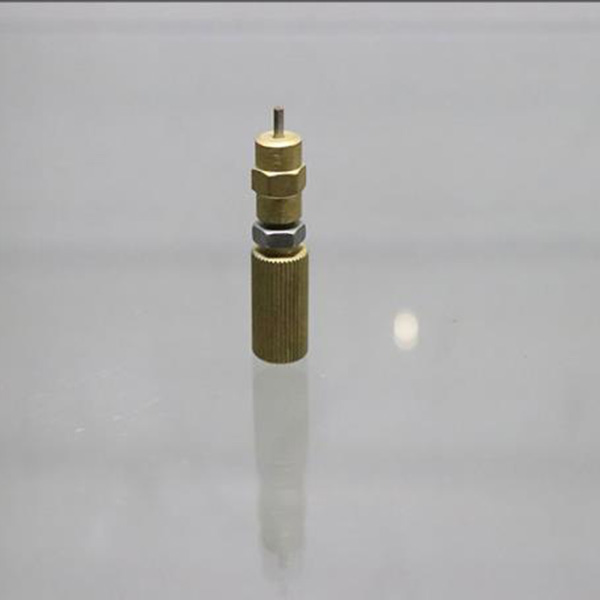
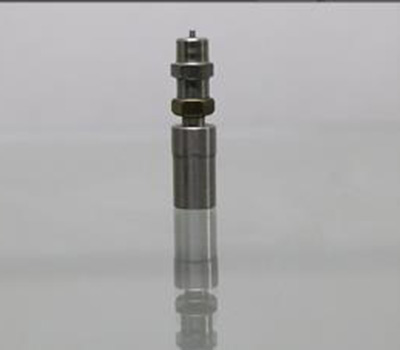
Custom Durable Service And High Precision Tungsten Calibrator Manufacturer, Factories
1 / 1
Custom Durable Service And High Precision Tungsten Calibrator Manufacturer, Factories
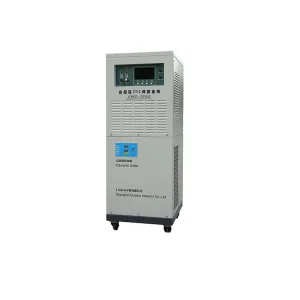
This type of Tungsten Calibrator for PTA welding torch, the main work purpose is to calibrate internal shrinkage of tungsten electrode that pledges discharge normally. Generally speaking, it is 2-4mm of the tungsten electrode shrinking inside the nozzle that we have to use it to measure.
Plasma Transferred Arc (PTA) welding is an industrial thermal process used to apply wear and corrosion-resistant layers onto the surfaces of metallic materials. It uses a collimated plasma arc to melt both the base metal and the protective alloy powder.
Q
What are the primary benefits of PTA hardfacing?
PTA hardfacing offers high deposition efficiency, low dilution with the substrate material, a very narrow heat-affected zone, and a strong metallurgical bond. It significantly extends the service life of components subjected to heavy wear.
Q
Which industries commonly use PTA welding systems?
PTA welding is widely implemented in mining, oil and gas, steel manufacturing, power generation, valve production, and agricultural equipment manufacturing to protect parts from severe abrasion, impact, and high temperatures.
Q
What materials can be deposited using this technology?
A diverse range of alloy powders can be deposited, including cobalt-based alloys (Stellite), nickel-based alloys, iron-based alloys, and tungsten carbide composites (FTC) to achieve customized surface hardness.
Q
How does PTA welding compare to conventional laser cladding?
While laser cladding provides minimal heat distortion, PTA welding offers a much higher deposition rate, a lower initial investment cost, and is highly effective for thick-layer overlays on heavy-duty industrial components.
 Duomu
Duomu