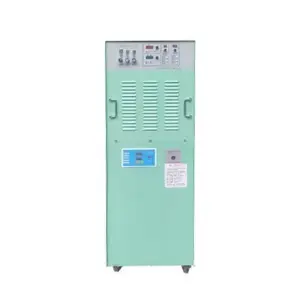
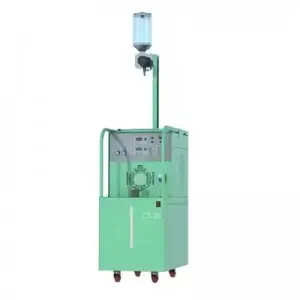
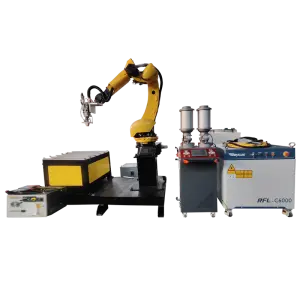
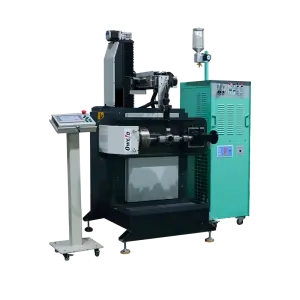
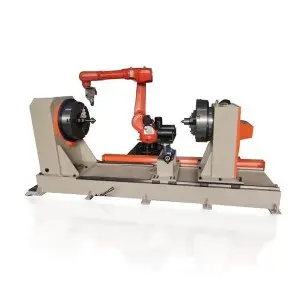
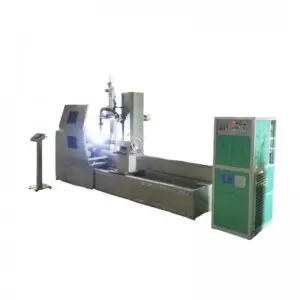
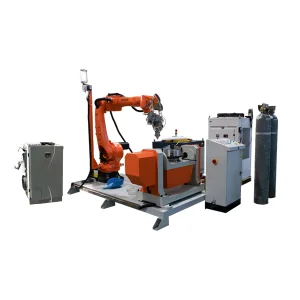
Explore our industrial-grade automated systems designed for high-wear environments and precise metallurgical bonding.
In modern heavy industries, machinery parts operate under extremely hostile environments. Severe abrasion, high-temperature corrosion, impact deformation, and chemical attacks constantly shorten equipment service life. This is where Soldagem a Plasma (commonly known in global markets as Plasma Transferred Arc, or PTA cladding) serves as an indispensable surface modification process.
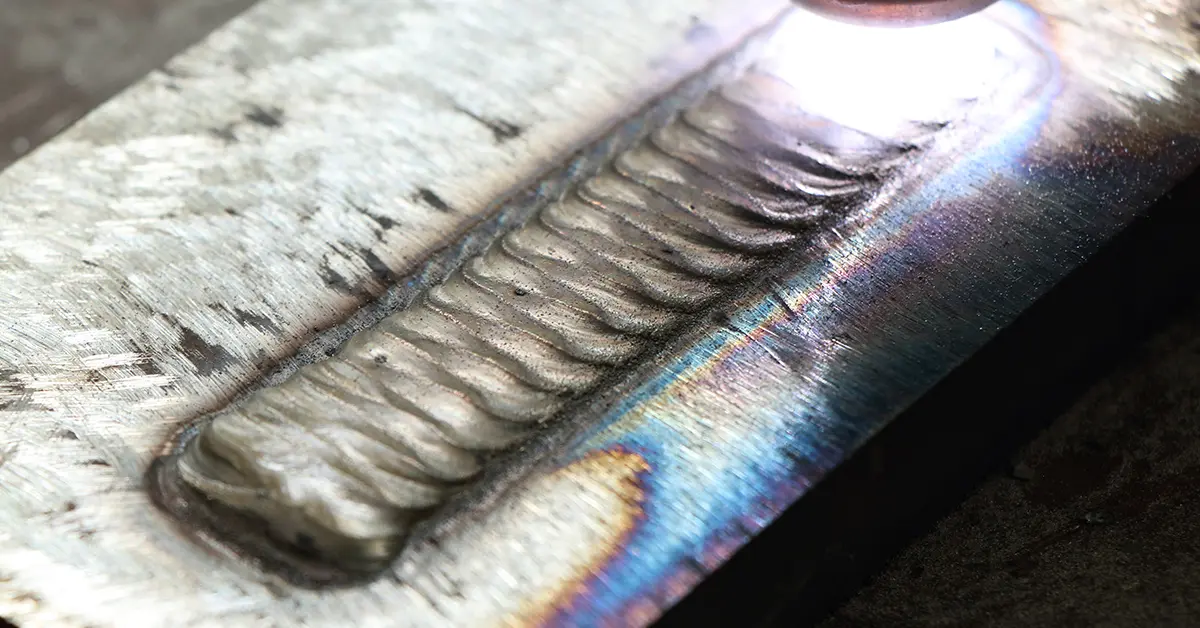
Unlike conventional welding processes, PTA cladding utilizes a highly constricted plasma arc that melts both the surface of the substrate and the metal powder alloy feed simultaneously. This results in a true metallurgical bond with remarkably low dilution rates (typically less than 5% to 10%), ensuring that the wear-resistant cladding layer retains its optimal chemical and physical properties.
By combining extreme energy density, stable heat delivery, and advanced robotics, Chinese manufacturers like Shanghai Duomu have revolutionized the cost-structure of surface protection. Our systems deliver wear resistant coatings that extend part lifespans by up to 300% to 800% compared to untreated or traditionally hardfaced surfaces.
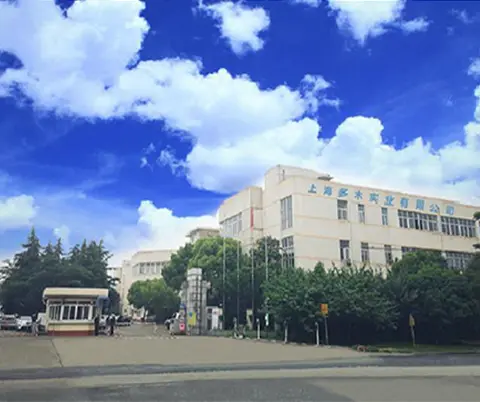
Why modern PTA surfacing is replacing traditional ARC welding and manual flame spraying.
Traditional welding methods (such as MIG or stick welding) generate a massive heat-affected zone, melting up to 30% of the base metal. This dilutes the hardfacing alloy, neutralizing its wear and corrosion protection. Duomu's PTA cladding controls dilution to under 5%, keeping the overlay chemical composition clean and strong right from the first layer.
Our PTA systems utilize powder consumables rather than wire. This allows us to feed customized alloy powders, including Cobalt-based alloys (Stellite series), Nickel-based alloys, Iron-based alloys, and Tungsten Carbide (WC-Co) composites. These materials resist extreme mechanical abrasion, high-temperature degradation, and corrosive chemicals.
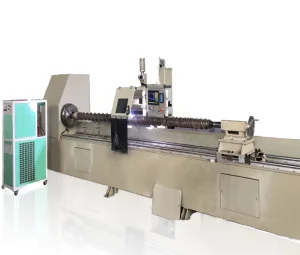
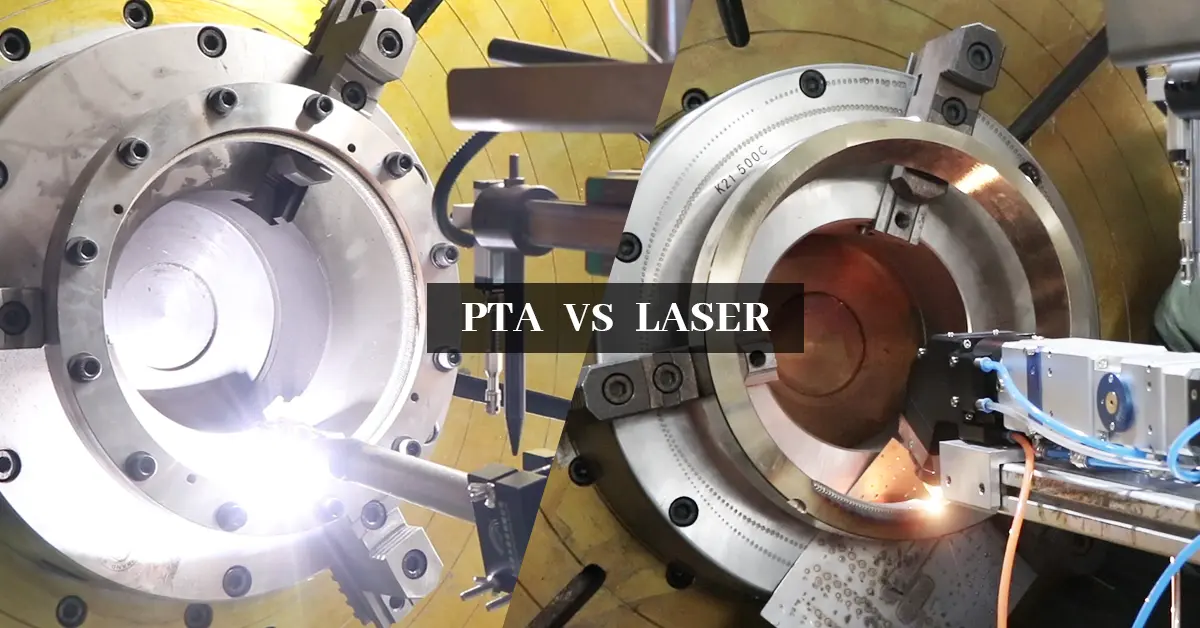
Compared to high-precision laser cladding, PTA surfacing offers a significantly higher deposition rate (up to 6-10 kg/hour). It strikes the perfect balance between metallurgical precision and high productivity, making it the ideal process for large industrial components like hydraulic rods, extrusion screws, and valve seats.
Our PTA and laser cladding machinery serves critical industrial processes across multiple sectors globally.



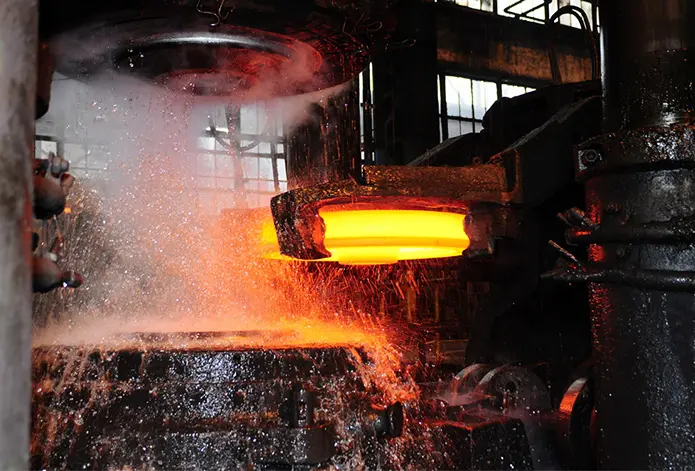
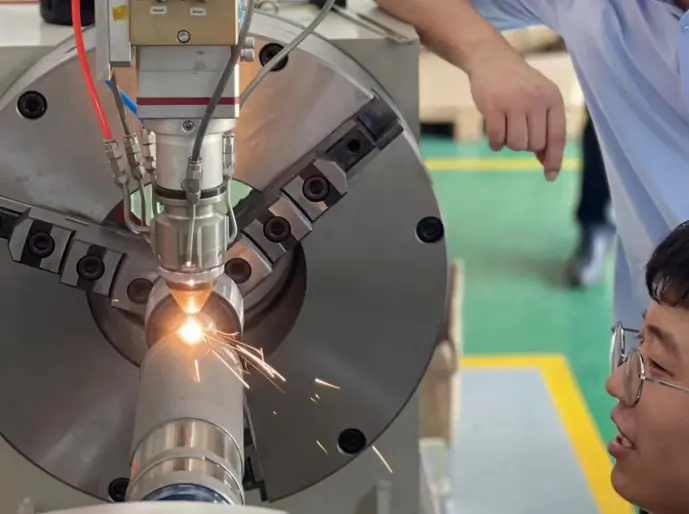
Shanghai Duomu has been a leading manufacturer and exporter of PTA cladding machines and Laser cladding machines for more than ten years, backed by a strong technical foundation. We maintain an independent, dedicated R&D team that develops, produces, and sells plasma cladding machinery. Our systems are known for stable performance, keeping your operations running efficiently over long production cycles.
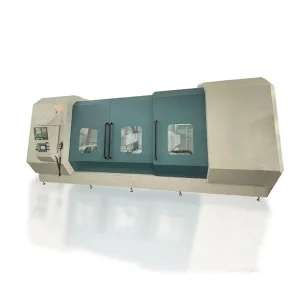
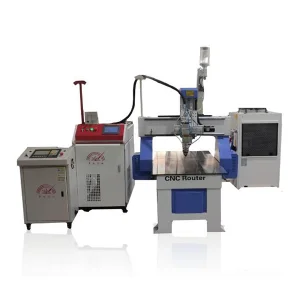
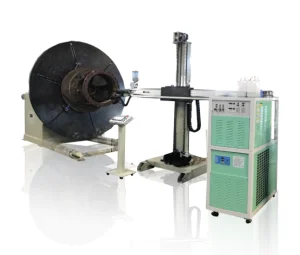
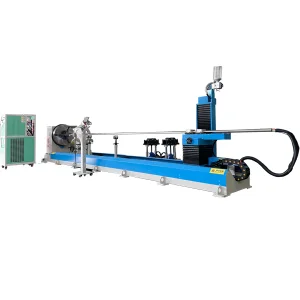
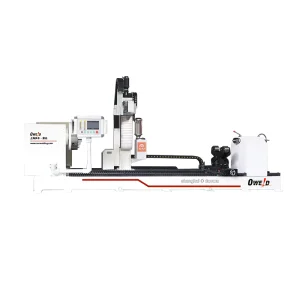
In addition to PTA surfacing, the laser cladding equipment developed by the company supports large-scale remanufacturing projects. We offer complete sets of industrial equipment solutions, providing customized setups, automated laser cladding systems, automated plasma cladding machines, and intelligent robotic integration. Whether you need hydraulic rod cladding machines, pick cladding setups, or specialized valve cladding machines, our team can customize solutions to match your needs.
Explore our targeted product offerings built for specific industrial components.
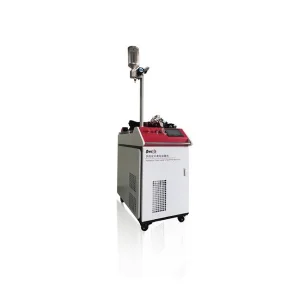
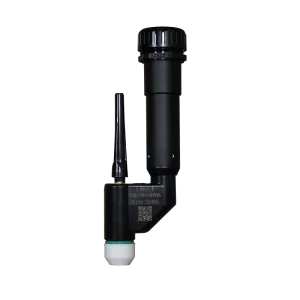
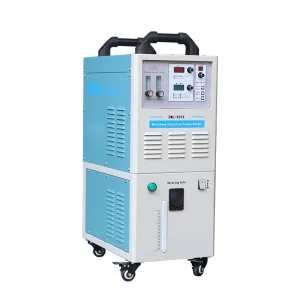
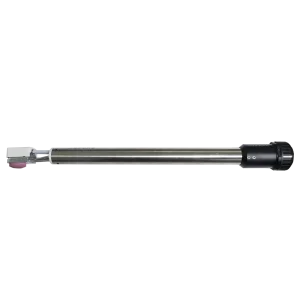
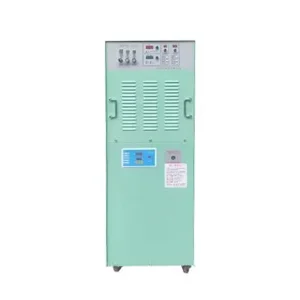
Complete your production line setup with high-precision torches, automated positioners, and compact cladding units.
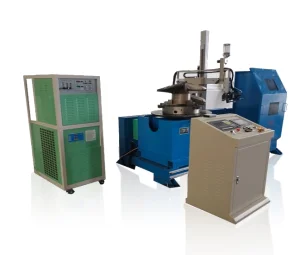
How Shanghai Duomu meets international manufacturing standards and ensures localized support.
Our manufacturing processes conform to ISO 9001:2015 quality systems, and our complete machines are CE certified. The electrical integration is built with components from brands like Siemens, Schneider, and Omron, ensuring compliance with global industrial safety codes.
Equipped with smart industrial internet routers, our CNC and robotic systems support remote troubleshooting, software updates, and parameter tuning. Our engineers are ready to support your operators, minimize downtime, and maximize productivity, no matter where your facility is located.
Choosing the right hardfacing equipment is only the first step. We help customer engineering teams select the right powders, calculate dilution rates, set preheat and post-weld heat treatments (PWHT), and optimize robotic tool paths. This comprehensive support helps you achieve optimal metallurgical properties from day one.
Insights from field operations and research reports on PTA hardfacing.
"The PTA Welding Valve Application Guide is not just a process choice for valve manufacturers facing high wear, high corrosion, and high-temperature erosion working conditions, but also a key path to improving product competitiveness. As industries such as petrochemical and power generation demand longer equipment service lives, PTA has become our default surfacing technology."
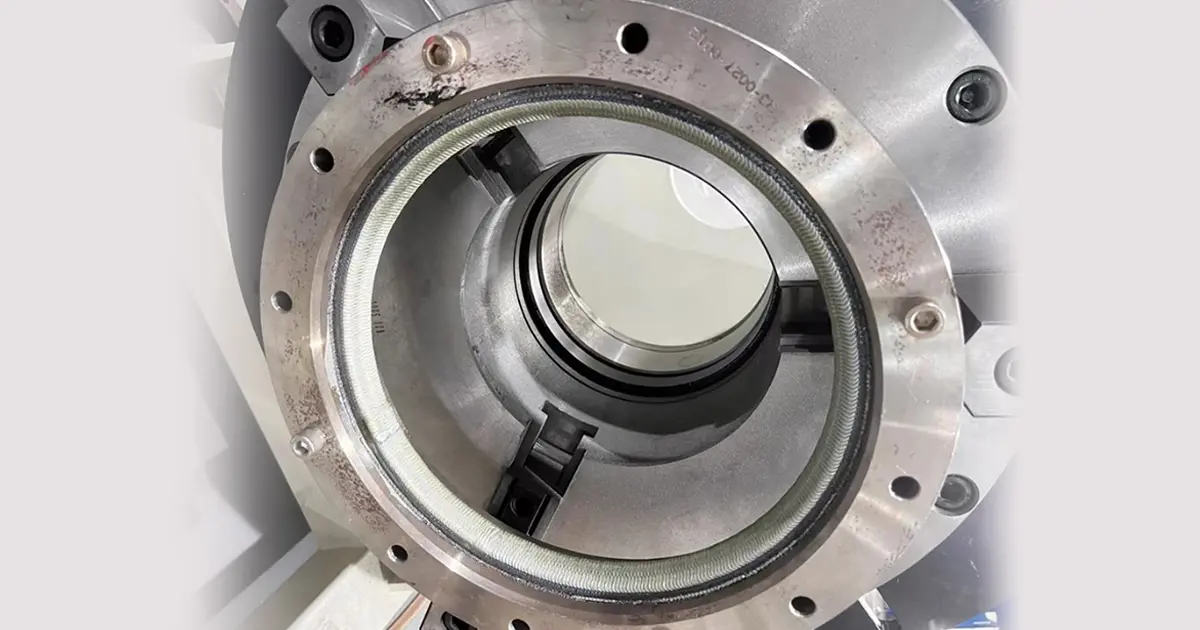
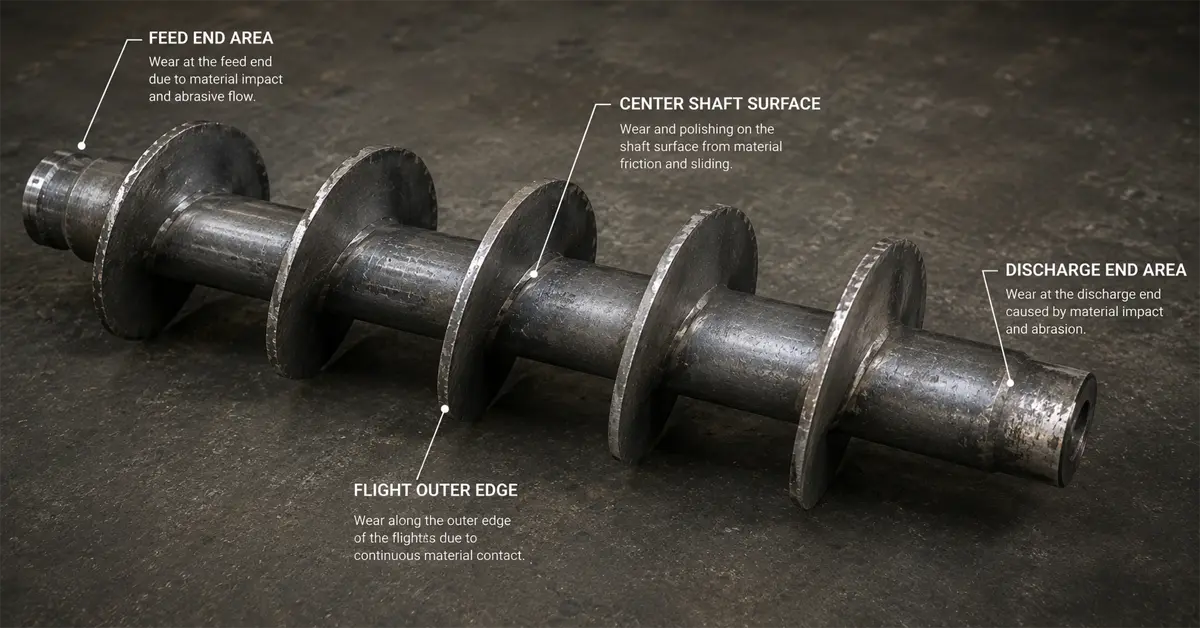
"In industries such as mining, cement, power generation, steelmaking, chemical processing, and biomass energy, screw conveyors are often regarded as auxiliary equipment. However, maintenance data shows that they are among the most frequent causes of unplanned production shutdowns. Applying PTA overlays on conveyor flights reduced our maintenance interventions by 70%."
"In Plasma Transferred Arc (PTA) hardfacing, achieving a high-quality overlay is not only about selecting the right alloy powder or optimizing welding parameters. One of the most critical factors that directly affects overlay performance is the dilution rate. Shanghai Duomu's precise control system allows us to keep dilution under 4.5% on thin-walled tubes."
"In industries such as Oil & Gas, Mining, Power Generation, Cement, and Heavy Equipment Manufacturing, hardfacing is no longer just a repair process. It has become a critical technology directly related to equipment lifespan, downtime costs, maintenance frequency, and production safety. Using Duomu's PTA and Laser cladding systems helped us optimize our remanufacturing operations."
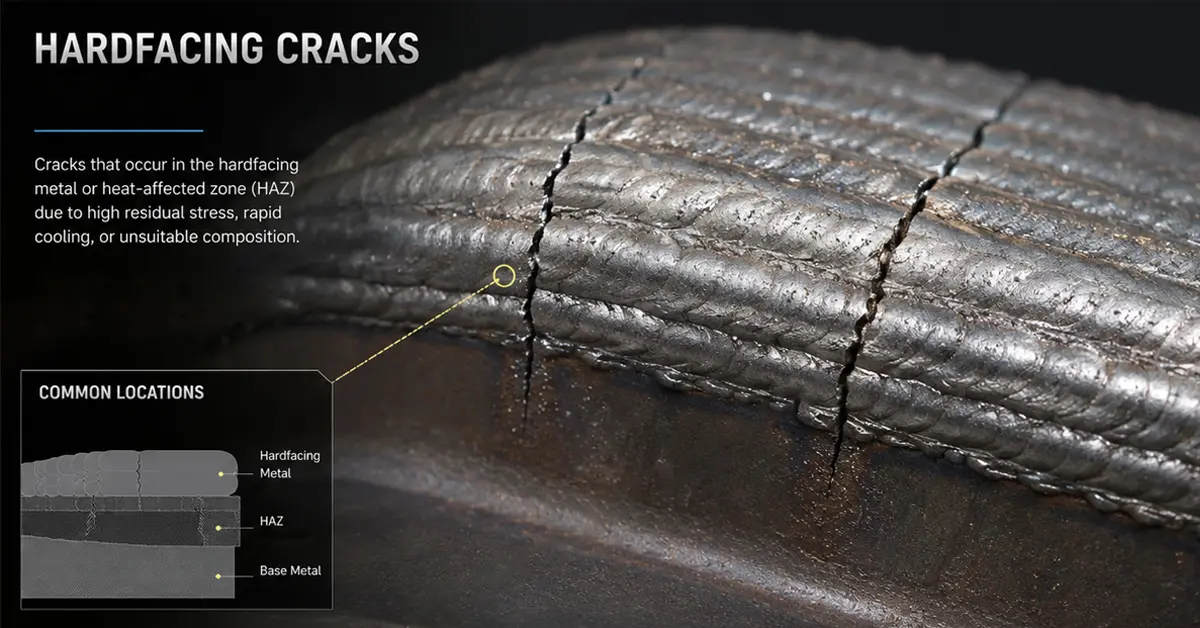
"In industries such as oil & gas, petrochemical, power generation, mining, and marine engineering, industrial valves are constantly exposed to severe operating conditions including high pressure, extreme temperatures, corrosive media, and sand erosion. Hardfacing using Stellite 6 alloy via automated PTA torches is the gold standard for sealing integrity."
As manufacturing shifts toward Industry 4.0, Shanghai Duomu is leading the way by developing and integrating smarter technologies:
By investing in these advanced surface-treatment technologies, heavy industries can reduce raw material consumption, lower energy footprints, and transition toward sustainable, circular-economy business models.
Get answers to common technical and operational questions from our material science and mechanical design team.
PTA cladding uses a plasma arc as its heat source and has a higher deposition rate, making it ideal for thick coatings and larger surface areas. Laser cladding uses a laser beam, which delivers lower heat input and is better suited for high-precision, thin coatings on heat-sensitive components. Modern hybrid machines, like the DYY-LC501, integrate both technologies to leverage their respective strengths.
The dilution rate is the percentage of the base metal that melts and mixes with the cladding alloy. A high dilution rate dilutes the alloy, reducing its hardness, wear resistance, and corrosion resistance. Our PTA torches and power control systems keep dilution rates below 5%, ensuring the overlay retains its optimal properties in a single pass.
Yes. Shanghai Duomu's PTA systems are designed for high-duty, continuous operation. Equipped with advanced liquid cooling loops, heavy-duty powder feeders, and robust industrial control systems, our machines maintain arc stability and feed consistency over long, multi-hour production cycles.
We support a wide range of metal alloys, including Cobalt-based powders (Stellite 1, 6, 12, 21), Nickel-based powders (Colmonoy series), Iron-based alloys, and Tungsten Carbide (WC/Co) composites. The choice of powder depends on your application's wear mechanism, operating temperature, and chemical environment.
We build custom setups tailored to your specific application, including specialized cladding systems for hydraulic rods, picks, valve gates, and screw conveyors. Our team assists with mechanical design, robotic automation, programming, and process parameter optimization to integrate the system into your production line.
We offer CE-certified machinery with documentation in English, Spanish, and Portuguese, and provide global support through remote diagnostics, video training, and on-site commissioning. Inquiries are handled within 24 hours, and spare parts are shipped using fast international couriers.







 Duomu
Duomu