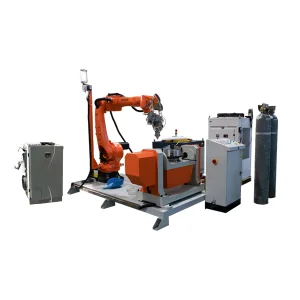
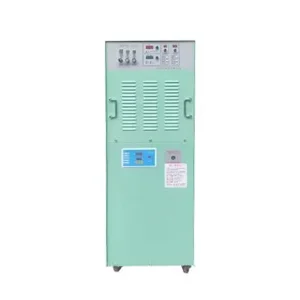
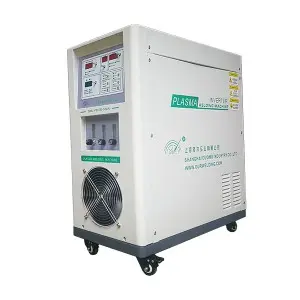
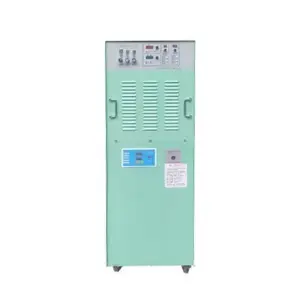
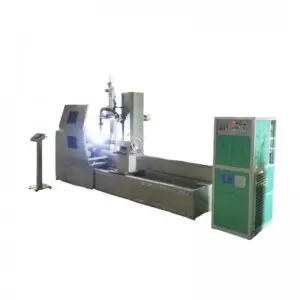
Engineered for extreme performance: high deposition rates, low dilution, and long-term operating stability.
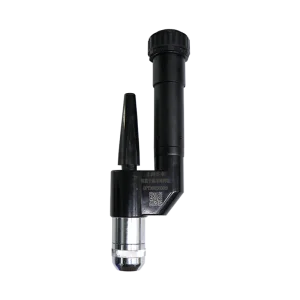
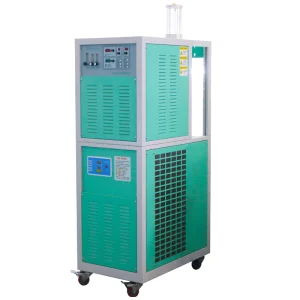
A comparative overview of Tungsten Inert Gas welding and its evolution into plasma & laser hardfacing technologies.
"O Que É Soldador Tig?" refers to the fundamental question asked by engineers globally: What is TIG (Tungsten Inert Gas) welding? It is a high-precision, manual arc welding process that uses a non-consumable tungsten electrode to produce the weld. While ideal for joints, modern B2B buyers seeking advanced surface engineering are shifting from manual TIG systems to automated Plasma Transferred Arc (PTA) and Laser Cladding solutions to ensure optimal wear resistance.
Traditional TIG welding utilizes an inert gas (usually argon or helium) to shield the weld pool from atmospheric contamination. This provides a highly clean, precise weld line, making it a staple in structural sheet metal fabrication, aerospace piping, and fine detail repair. However, when it comes to high-volume industrial wear protection, manual TIG welding faces severe limitations. The deposition rate of TIG is relatively low (typically under 1.5 kg/h), and it induces a broad Heat-Affected Zone (HAZ), which can compromise the metallurgical integrity of sensitive substrate metals. Furthermore, the reliance on manual skill introduces variations in dilution rate and weld consistency.
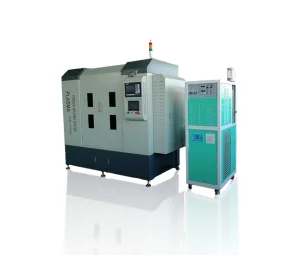
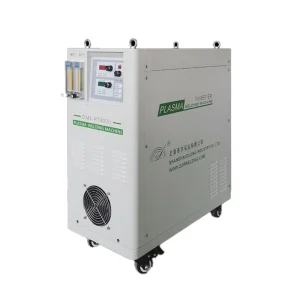
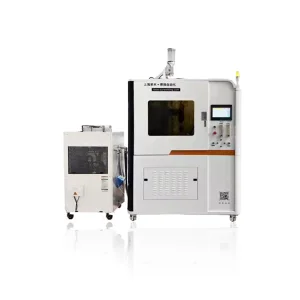
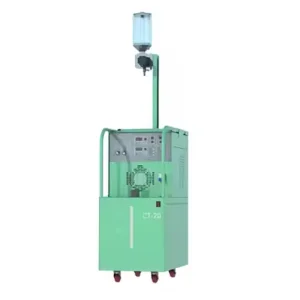
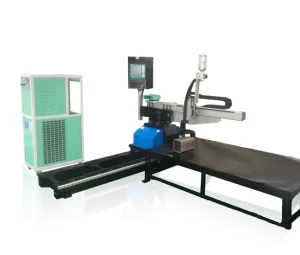
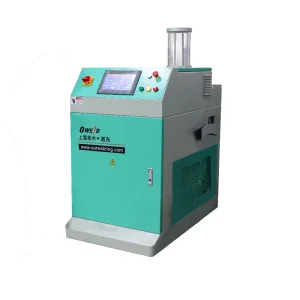
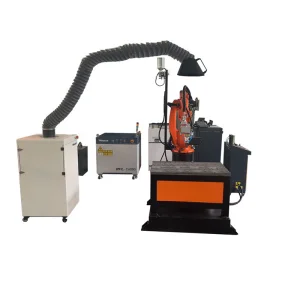
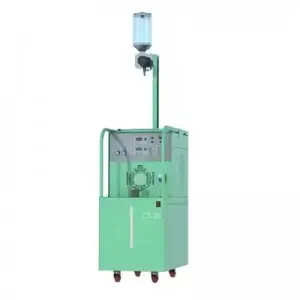
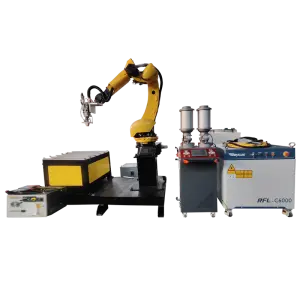
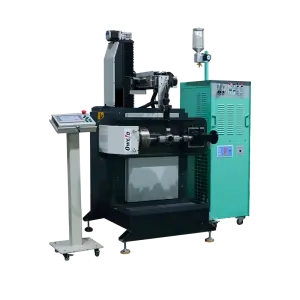
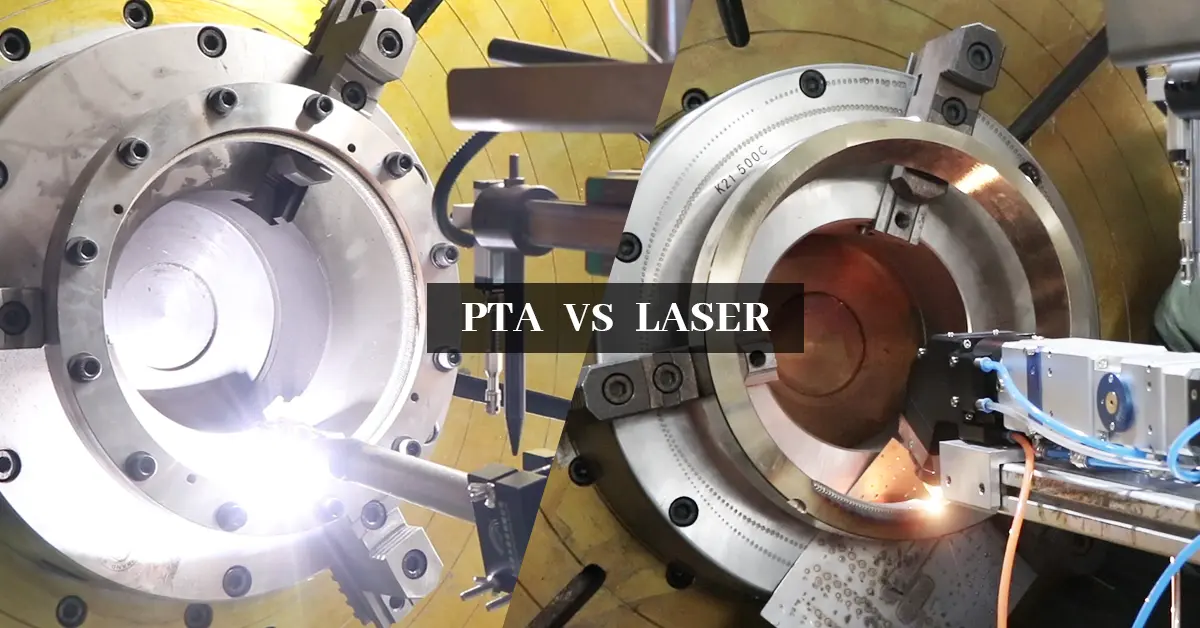
To overcome these challenges, leading factories like Shanghai Duomu have transitioned traditional "Soldador TIG" concepts into highly integrated, automated systems, including Plasma Transferred Arc (PTA) Cladding and Laser Cladding. By utilizing a constrained arc (plasma) or a coherent light beam (laser), these systems achieve energy densities several orders of magnitude higher than standard TIG. This results in minimal dilution rates (often under 5% for PTA and under 1% for laser), ensuring that the cladding alloy (e.g., Stellite, Colmonoy, or Tungsten Carbide) retains its full wear and corrosion-resistant properties immediately from the fusion boundary.
| Process Characteristic | Traditional TIG (Soldador TIG) | Plasma Transferred Arc (PTA) | Advanced Laser Cladding |
|---|---|---|---|
| Heat Input / HAZ | High / Broad HAZ | Medium / Controlled HAZ | Very Low / Minimal HAZ |
| Dilution Rate | 10% - 15% | 3% - 8% | < 1% - 3% |
| Deposition Rate | 0.5 - 1.5 kg/h | 2.0 - 6.0 kg/h | 1.0 - 4.0 kg/h (High Precision) |
| Material Feeding | Manual Wire / Rod | Automated Powder Feeding | Automated Powder / Wire |
| Automation Compatibility | Low (Highly manual) | Excellent (CNC & Robotic) | Excellent (Fully Integrated) |
The convergence of artificial intelligence, robotic trajectories, and additive manufacturing in surface engineering.
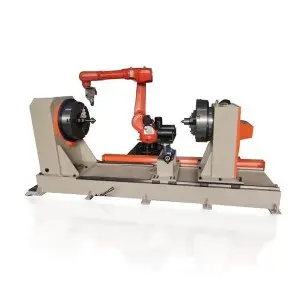
The future of industrial surface modification lies in automation, real-time closed-loop monitoring, and advanced additive manufacturing. Standard manual TIG setups are being replaced by robotic configurations that can execute complex trajectories with sub-millimeter precision.
1. AI-Driven Parameter Optimization: By integrating real-time sensor feedback (optical pyrometers, weld pool cameras) into the control units of machines like the DML-V03CD, our systems can dynamically adjust arc voltage, powder feed rate, and travel speed. This eliminates porosity and ensures consistent overlay depth.
2. Hybrid Cladding Systems: Combining the high deposition speed of PTA with the ultra-low heat input of diode lasers allows for dual-stage cladding. This hybrid approach is ideal for repairing critical aerospace components and heavy mining tools that require both structural rebuild and a highly wear-resistant outer skin.
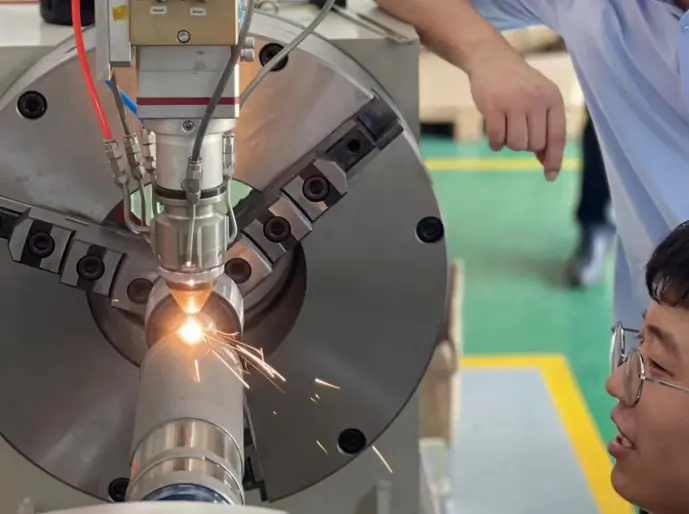
Proven industrial applications where custom PTA and Laser Cladding systems outshine traditional TIG welding.
At present, the company's products have penetrated into many fields such as aerospace military industry, nuclear power, petrochemical industry, coal mines, metallurgy and forging, agriculture, water conservancy and electric power, etc. These high-stress environments require surface coatings that can withstand extreme mechanical and chemical duress.


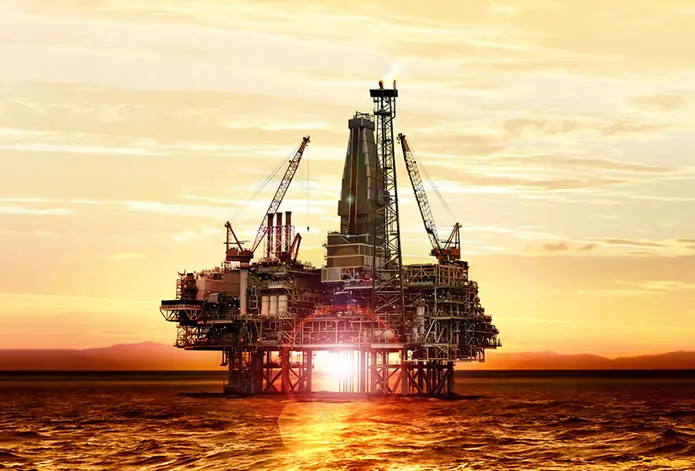
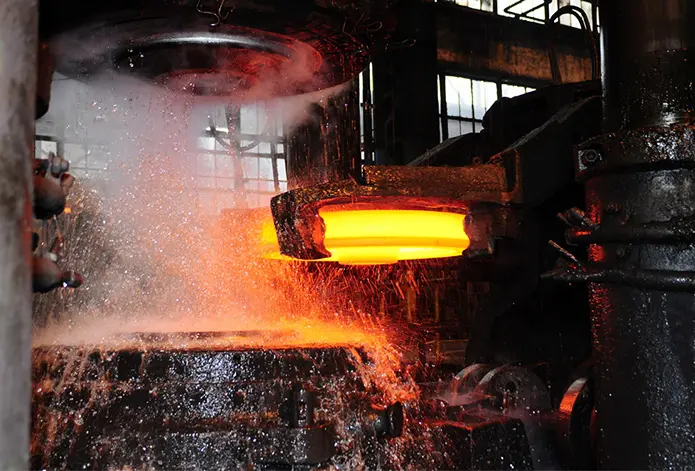
How Shanghai Duomu leverages modern manufacturing ecosystems to provide customized, robust hardware solutions.
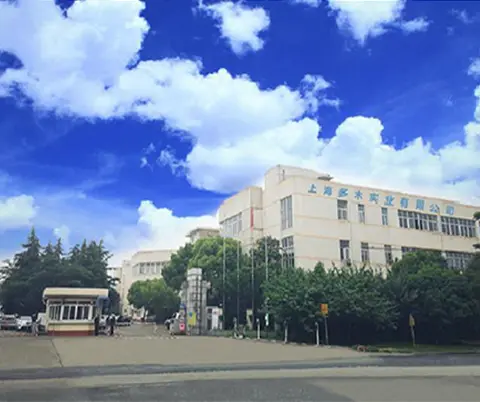
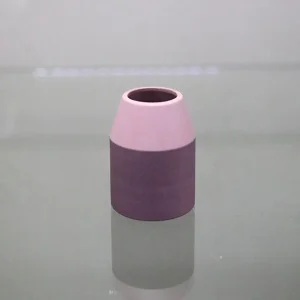
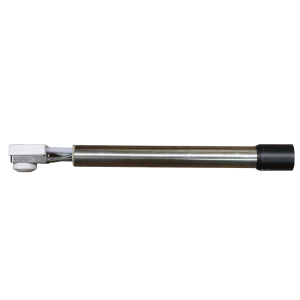
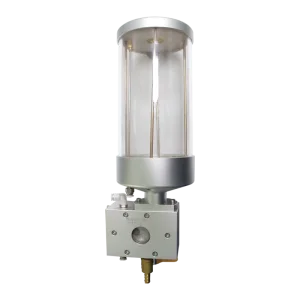
Shanghai Duomu has been a leading manufacturer and exporter of PTA cladding machine and Laser cladding machine for more than ten years with a strong technical background. Our production facility implements Industry 4.0 standards, which ensures that every critical part—from the custom gas shield cover to the automated plasma bore welding torch—is manufactured with high reproducibility and traceable quality control parameters.
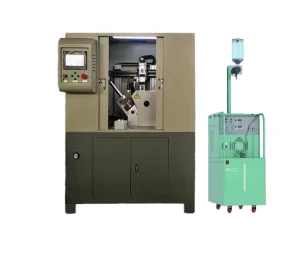
By utilizing a highly localized and specialized industrial supply chain in China, we guarantee shortened delivery times for custom machinery. Whether a client requires an integrated multifunctional plasma powder welding machine (such as the DML-V03AD) or a customized pick cladding unit, our R&D team can refine the mechanical design, write the CNC paths, and conduct rigorous laboratory trial runs before the final shipment. This level of supply chain agility protects global buyers from sudden supply chain disruptions.
Facilitating smooth transactions, international regulatory compliance, and post-installation support.
Procuring heavy machinery from overseas requires trust, clear documentation, and solid after-sales infrastructure. Shanghai Duomu ensures that all international orders are backed by a complete compliance dossier, including CE markings, ISO 9001 quality certificates, and customized manuals in English, Portuguese, Spanish, or German.
Our global support lifecycle includes:
Real-world examples of how advanced hardfacing extends product life and improves process efficiencies.
"The PTA Welding Valve Application Guide is not just a process choice for valve manufacturers facing high wear, high corrosion, and high-temperature erosion working conditions, but also a key path to improving product competitiveness. As industries such as petrochemical, power generation, and mining demand higher performance, choosing the right automated PTA system is crucial."
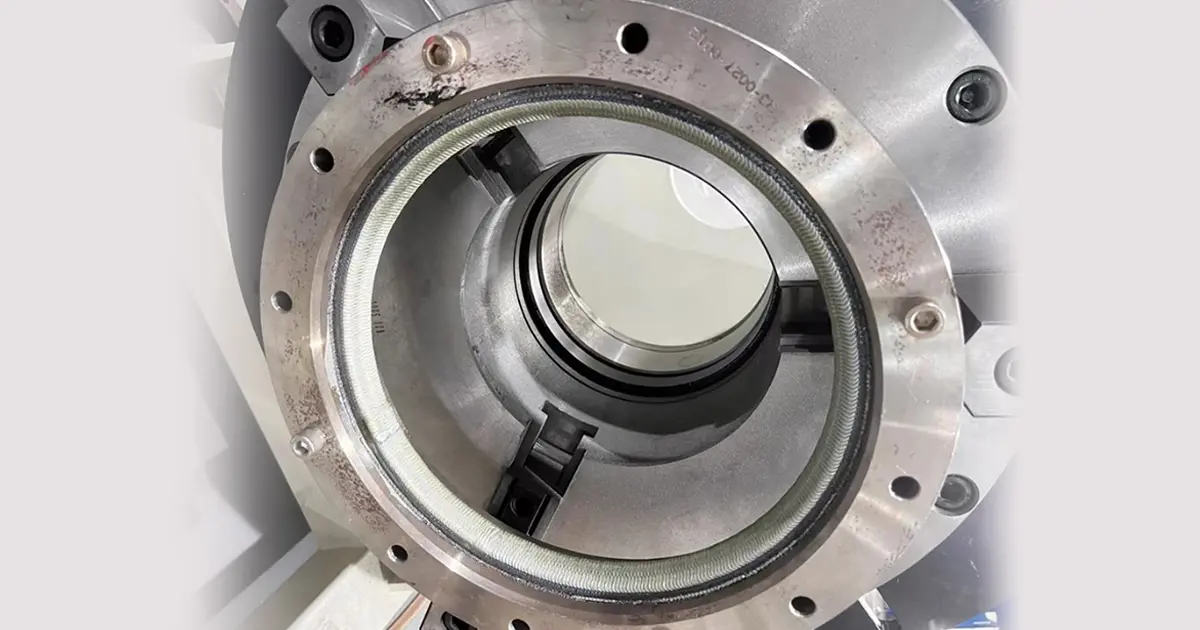
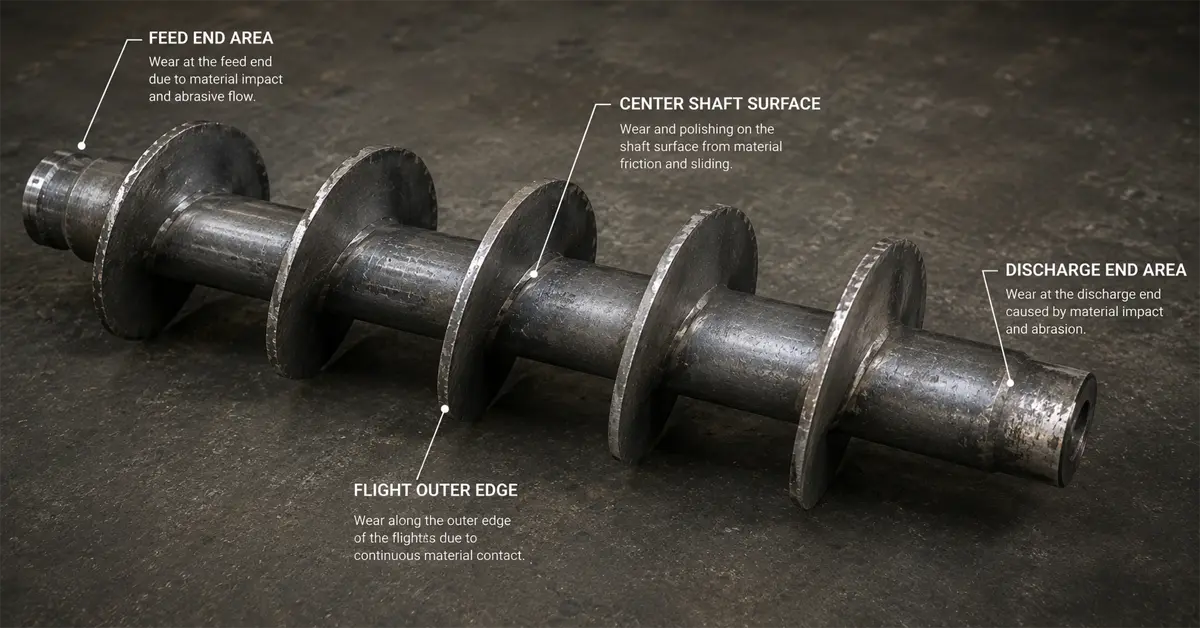
"In industries such as mining, cement, power generation, steelmaking, chemical processing, and biomass energy, screw conveyors are often regarded as auxiliary equipment. However, maintenance data shows that they are among the most frequent causes of unplanned production downtime. Using automated PTA surfacing ensures a thick, durable layer of tungsten carbide that resists severe abrasion."
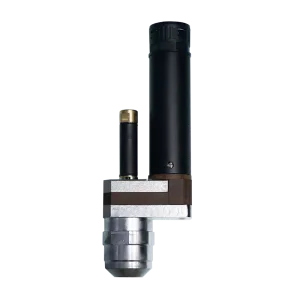
"In Plasma Transferred Arc (PTA) hardfacing, achieving a high-quality overlay is not only about selecting the right alloy powder or optimizing welding parameters. One of the most critical factors that directly affects overlay performance is the dilution rate. Shanghai Duomu's precision torches provide exceptional heat control to keep dilution at an absolute minimum."
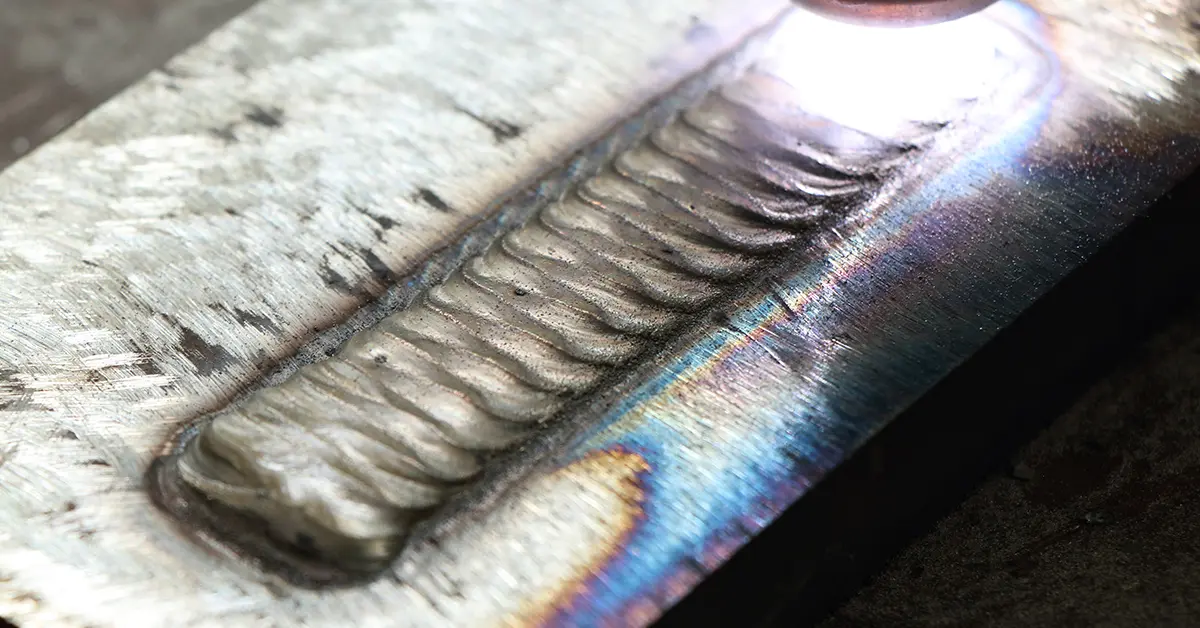
"In industries such as Oil & Gas, Mining, Power Generation, Cement, and Heavy Equipment Manufacturing, hardfacing is no longer just a repair process. It has become a critical technology directly related to equipment lifespan, downtime costs, maintenance frequency, and raw material efficiency. The shift to laser cladding has revolutionized our component lifespan."
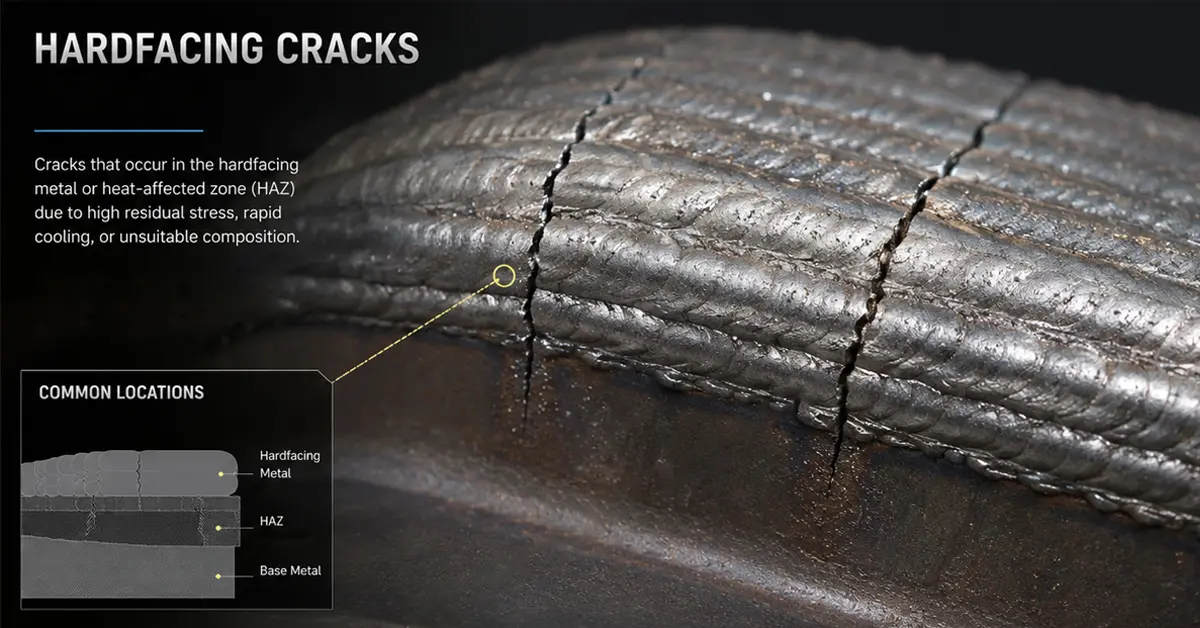
"In industries such as oil & gas, petrochemical, power generation, mining, and marine engineering, industrial valves are constantly exposed to severe operating conditions including: High pressure, extreme temperatures, corrosive media, abrasive wear, and sand erosion. Choosing Duomu's automated ball valve cladding machine helped us achieve zero defect rates."








Answering core technical and procurement questions regarding TIG, PTA, and Laser Cladding.
Explore our extended catalog of advanced plasma and laser cladding hardware designed for global factories.
High configuration PTA welding stations and robotic units developed by Shanghai Duomu.
For inquiries about our PTA/Laser cladding machines, torches, or custom pricing, please leave us a message and we will get back to you within 24 hours.
Send Inquiry & Subscribe Duomu
Duomu