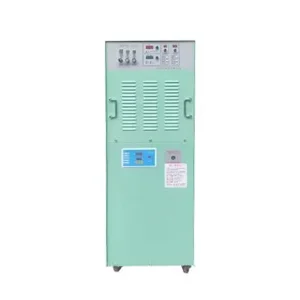
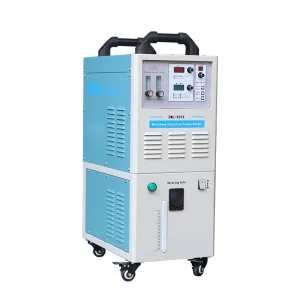
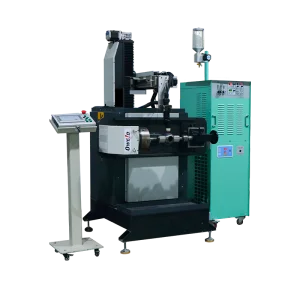
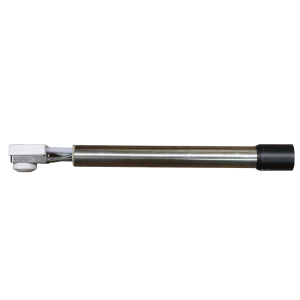
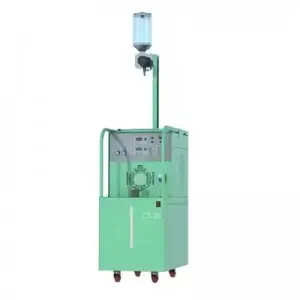
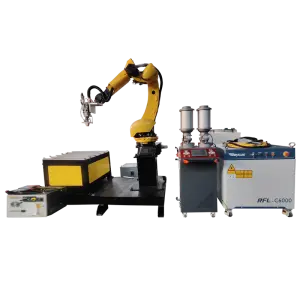
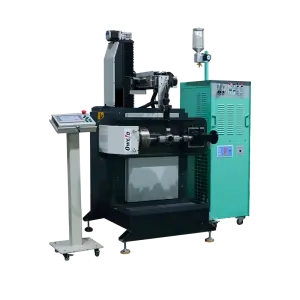
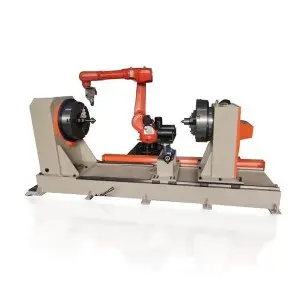
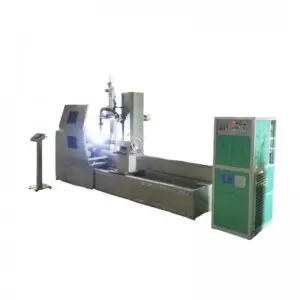
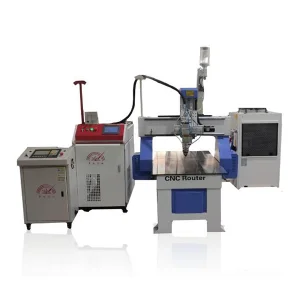
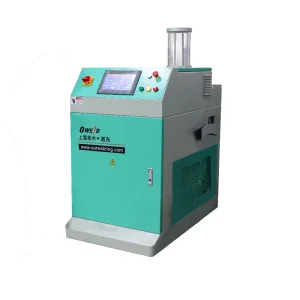
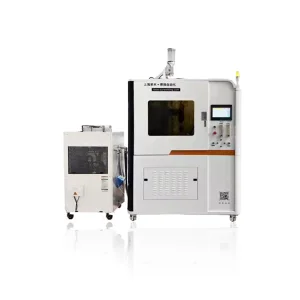
Explore our premium selection of integrated PTA and laser welding stations designed by industry experts for thermal surfacing, automated structural repairs, and wear layer cladding.
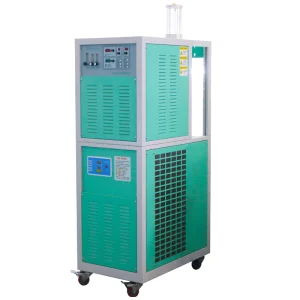
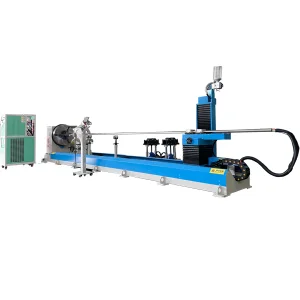
Shanghai Duomu houses an independent research and development center specializing in high-energy plasma arcs and laser cladding configurations.
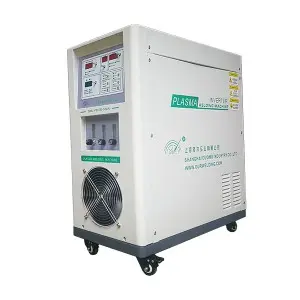
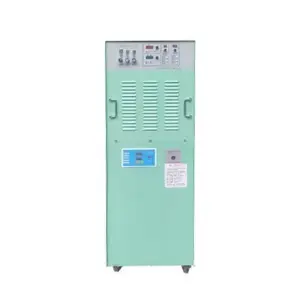
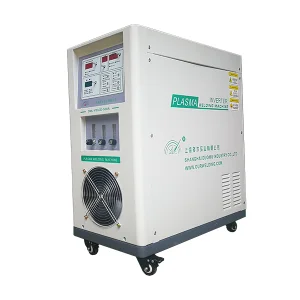
Our engineering division designs, manufactures, and commissions cutting-edge plasma powder cladding systems that maintain unparalleled stability under heavy production loads. The core integration of digital inverter technology ensures a stable pilot arc and consistent power output up to 160 Amps and beyond. Additionally, our industrial laser cladding units support automated multi-axis remanufacturing of heavy turbine components, valves, and mining blades, offering complete metallurgical systems built to survive extreme industrial environments.
Consult Technical Engineers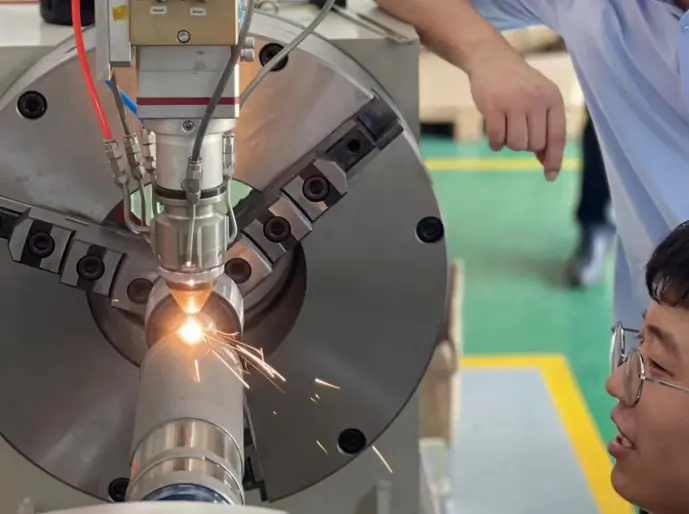
In high-wear industrial sectors, surface degradation remains the primary cause of equipment failure, driving substantial downtime and replacement costs. The **Custom Plasma 160** class systems represent a monumental shift in thermal surfacing technology. Operating on the principle of Plasma Transferred Arc (PTA) cladding, these systems establish a highly focused thermal column that introduces metal powder directly into a precisely controlled weld pool. Unlike conventional manual metal arc welding (MMAW) or gas metal arc welding (GMAW), the Plasma 160 system uses a constrained plasma arc localized between a tungsten electrode and the substrate.
The system features a dual-gas architecture: a primary plasma gas (typically ultra-pure Argon) that initiates the pilot arc and shields the core column, and a secondary carrier gas that delivers the alloy powder directly into the melting pool. At 160 Amps, the system achieves an optimal energy density that minimizes dilution—a critical parameter in cladding engineering. Standard dilution rates of MIG or TIG cladding hover around 15% to 25%, blending the hardfacing alloy extensively with the base steel. In contrast, the **Plasma 160 system limits dilution to 3% to 8% in a single pass**, ensuring that the high-alloy deposit retains its raw structural properties directly at the metallurgical interface.
Around the world, petrochemical operations, power generation plants, and aerospace manufacturers are moving rapidly away from simple repair methods toward circular economy remanufacturing. The global demand for wear-resistant alloy coatings—such as Cobalt-base Stellite alloys, Nickel-base Colmonoy coatings, and Tungsten Carbide matrices—is accelerating. Custom Plasma 160 configurations are highly regarded due to their efficiency. Operating at duty cycles of 100% at maximum output, these machines deposit alloy coatings up to three times faster than conventional arc processes, while significantly reducing gas consumption and post-weld machining requirements.
The practical field deployment of Shanghai Duomu’s Plasma 160 systems spans diverse industrial frameworks, resolving high-stress engineering hurdles in several sectors:
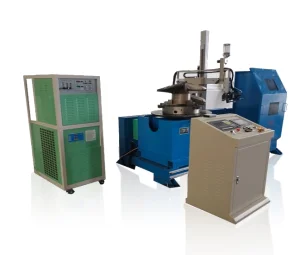
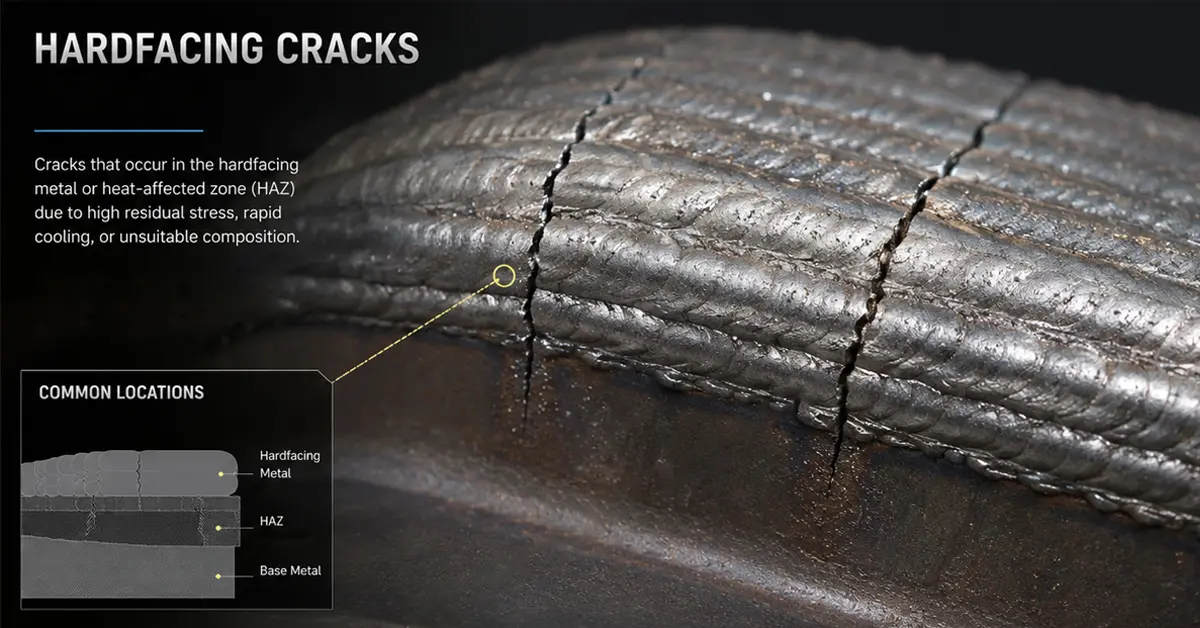
The trajectory of thermal surfacing technology is defined by digitalization, optical closed-loop sensing, and automated robot integration. Shanghai Duomu is currently developing intelligent, multi-axis robotic cladding work cells that utilize laser profiling sensors to scan worn workpieces. By dynamically adjusting the Plasma 160's current, gas flow rates, and powder feed rates based on real-time melt pool temperature feedback, we ensure defect-free, zero-porosity deposits regardless of complex geometry variations. In addition, we are integrating hybrid PTA-laser heads to deliver high deposition rates combined with minimized heat-affected zones (HAZ).
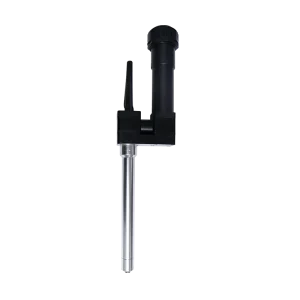
For global buyers, the security and speed of the equipment supply chain are critical. Operating from Shanghai, Duomu harnesses the advanced manufacturing ecosystem of the Yangtze River Delta. This vertical integration allows us to build heavy structural components, custom plasma torches (such as the DNPT30018-HQ bore torch), and advanced IGBT power sources entirely in-house. For global clients, this translates to lead times that are 40% shorter than European manufacturers and ensures the long-term availability of consumable parts like nozzles, powder feed tubes, and high-durability rubble rings.
Engineered to support heavy industrial operations worldwide, achieving exceptional efficiency and deposition parameters.
Our automated plasma surfacing systems are deployed across critical global industries to combat intensive wear and corrosion.



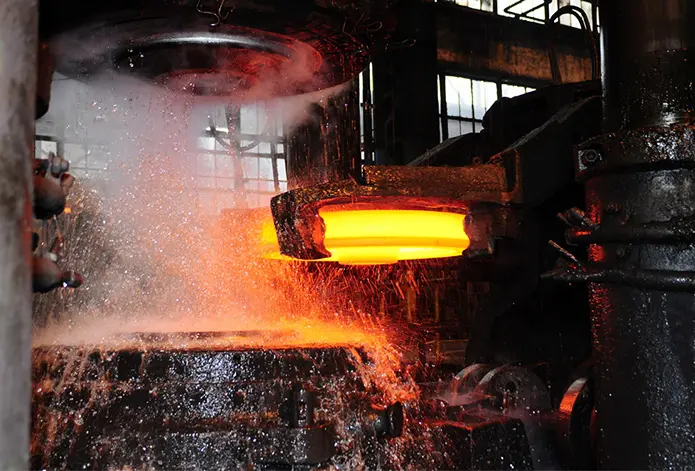
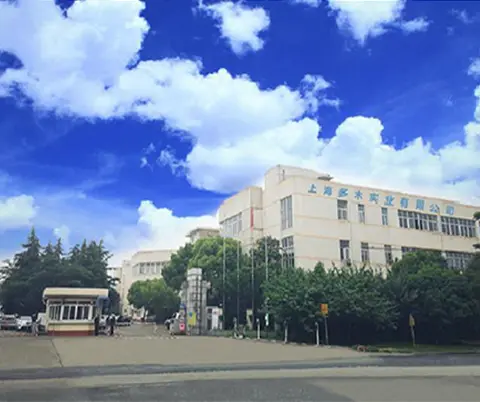
Shanghai Duomu has been a pioneering manufacturer and exporter of automated PTA cladding machinery and high-precision laser cladding equipment for over a decade. Powered by a robust technical team and deep academic ties to surface science laboratories, we provide fully integrated, customized setups configured to your specific production demands.
From micro-plasma welding systems for thin-walled precision aerospace elements to large-scale robotic gantry cladding systems for heavy mining components, Duomu machines are engineered for industrial reliability. Our focus remains on delivering high-efficiency solutions that reduce raw material consumption and improve component life.
Discover More About UsWe supply custom configurations including intelligent robotic cladding systems, hydraulic rod specialists, and vertical pick hardfacing units.
Read insights and feedback from engineering specialists deploying PTA cladding on high-wear components.
"The PTA Welding Valve Application Guide is not just a process choice for valve manufacturers facing high wear, high corrosion, and high-temperature erosion working conditions, but also a key path to improving product competitiveness."
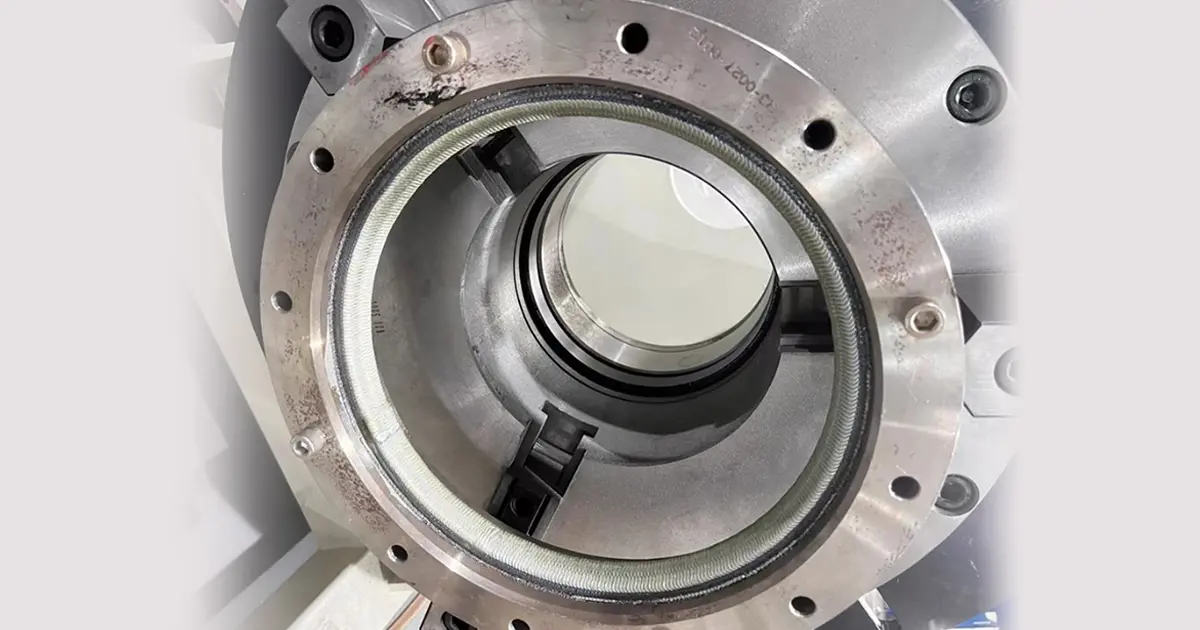
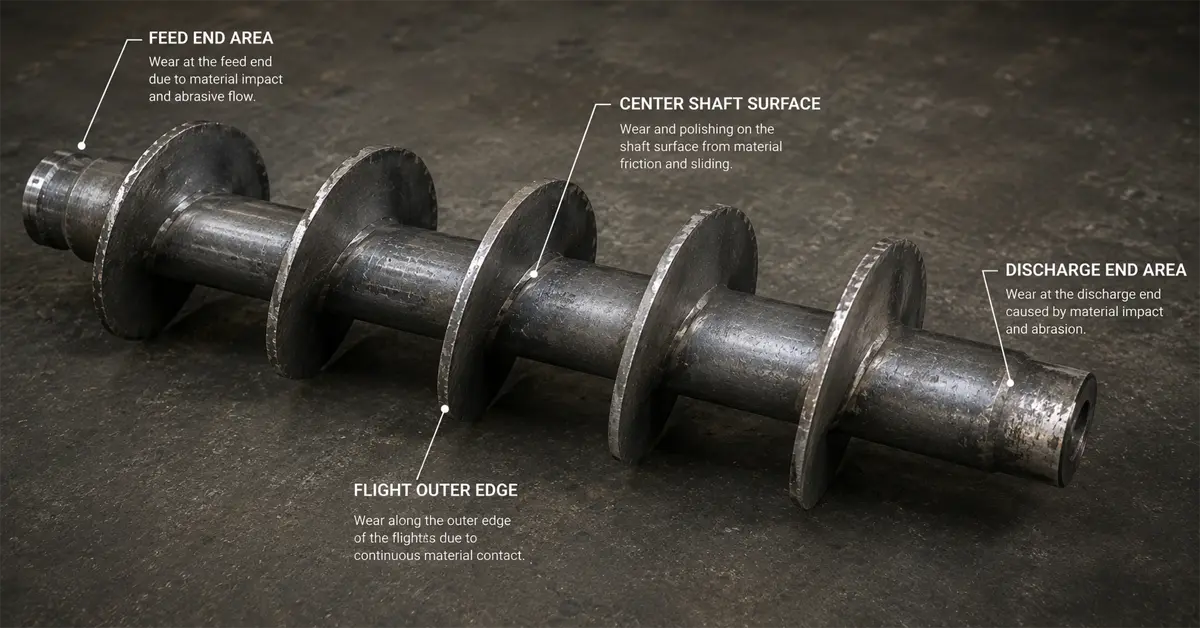
"In industries such as mining, cement, power generation, and heavy steelmaking, screw conveyors are frequent causes of unplanned production shutdowns. Hardfacing screw flights using Duomu's automated system has dramatically lowered maintenance frequency."
"In PTA hardfacing, achieving a high-quality overlay relies on control of the dilution rate. Shanghai Duomu's precision arc tracking allows us to keep dilutions below 5%, ensuring excellent cobalt alloy performance."
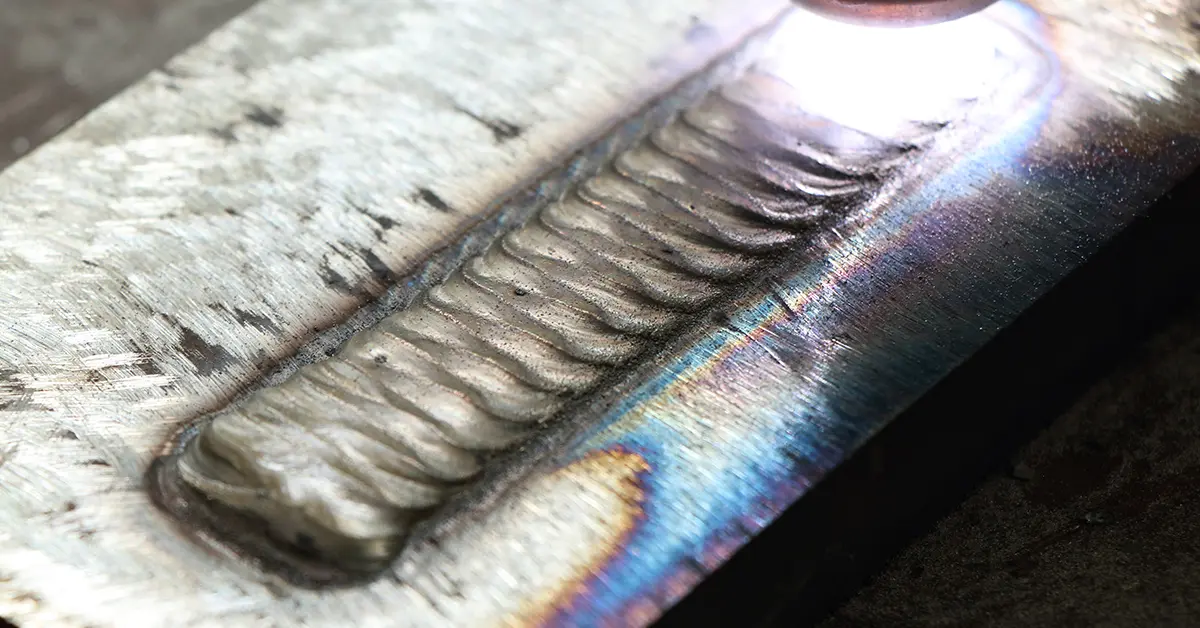
"For heavy-duty industries like Oil & Gas and mining, hardfacing is no longer a simple repair method. It is a critical component design strategy directly linked to equipment lifespan and plant efficiency."
"Industrial valves are constantly exposed to severe pressure, abrasive slurry, and corrosive liquids. Automated cobalt-base cladding has proven to be the most reliable defense."
Read comprehensive technical explanations regarding PTA cladding settings, deposition efficiency, and customization parameters.
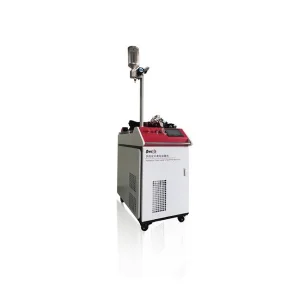
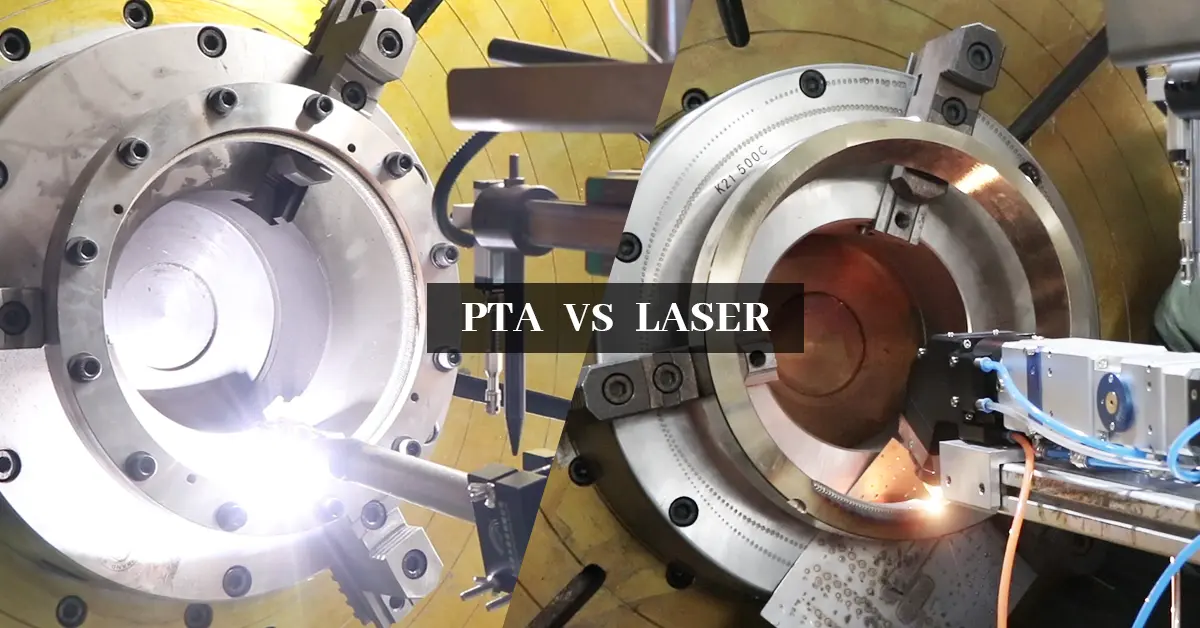
PTA cladding utilizes a transferred plasma arc as the heat source to melt alloy powder, producing a high deposition rate (typically 2-10 kg/h) and a solid metallurgical bond. Laser cladding uses a focused laser beam, resulting in lower heat input and smaller heat-affected zones (HAZ). However, PTA systems like the Plasma 160 offer significantly lower initial investment costs and are ideal for laying down thick, highly durable coatings on heavy components.
By using a highly constrained pilot arc alongside the transferred arc, the energy density is focused precisely on the surface. Operating at a controlled 160 Amps, operators can adjust powder feed rates and travel speeds to achieve dilution rates as low as 3% in a single pass. This minimizes the mixing of the base metal into the protective alloy coating.
Yes. The Plasma 160 is designed to handle nickel-base tungsten carbide powders. The precise temperature control of the arc prevent the tungsten carbide particles from overheating and sinking, ensuring they remain evenly distributed within the matrix for maximum wear resistance.
Cladding internal bores has traditionally been difficult due to heat accumulation. The DNPT30018-HQ is engineered for tight spaces, incorporating high-efficiency water cooling directly into the nozzle tip to allow continuous internal cladding inside tubes and cylinders without overheating the torch.
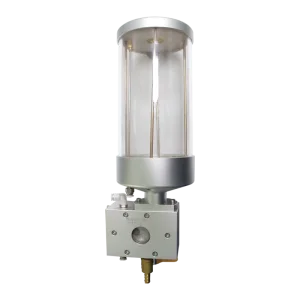
A consistent powder flow is essential to maintain uniform coating thickness. Systems like the DSL-LC401 double-cone powder feeder utilize high-precision rotation and gas-assist mechanisms to feed powder smoothly, preventing blockages and ensuring a uniform deposition layer.
Operating a PTA system at 160 Amps at 100% duty cycle requires a dedicated dual-stage water chiller. This chiller circulates coolant through the torch head, protecting the copper nozzle and tungsten electrode from high thermal stress.
Yes. All our systems feature standardized digital interfaces (like Profinet, DeviceNet, or Modbus) that integrate with 6-axis robotic manipulators. This allows for automated, multi-axis cladding of complex, three-dimensional components.
We provide remote commissioning support and video training. For complex automated lines, we can send field service engineers to help set up parameters, run test pieces, and train local staff to operate the equipment safely and efficiently.
Explore additional heavy-duty systems, portable laser units, and high-performance torches designed for diverse surfacing processes.
Reach out to our engineering consultants to receive specialized parameter setups, powder recommendations, and custom equipment quotes within 24 hours.








 Duomu
Duomu