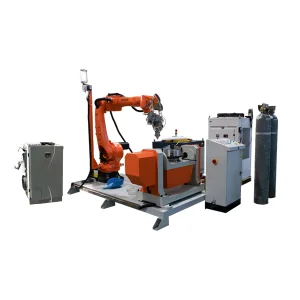
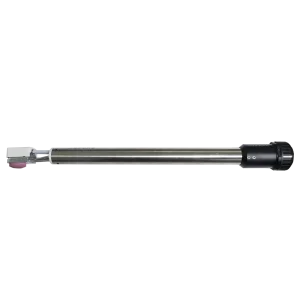
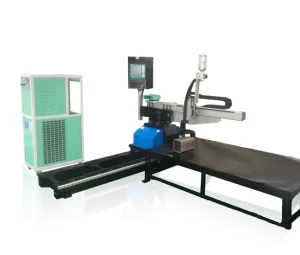
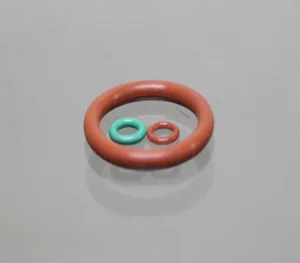
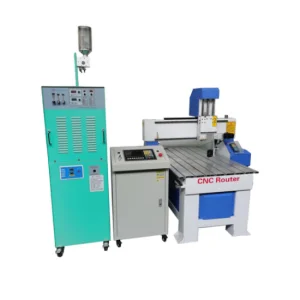
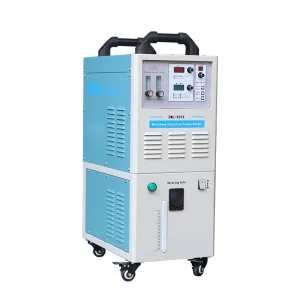
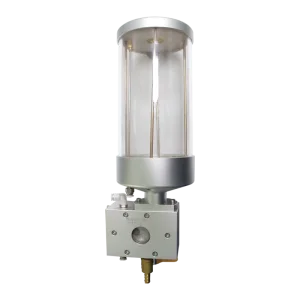
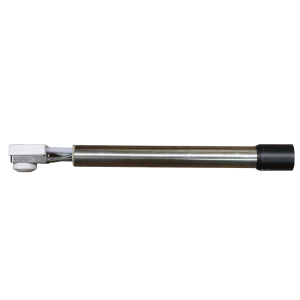
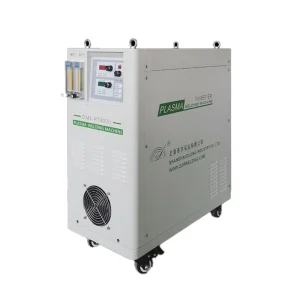
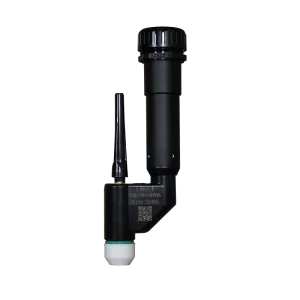
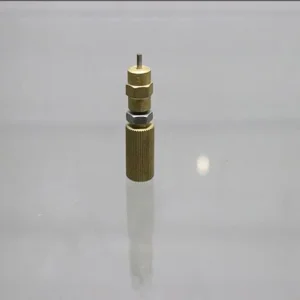
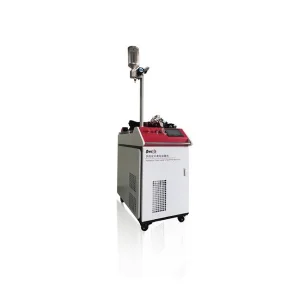
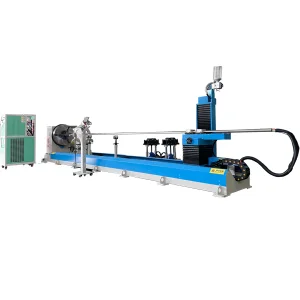
Explore our heavy-duty, high-precision automated systems designed for seamless integration and robust hardfacing operations.
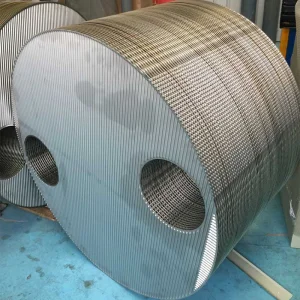
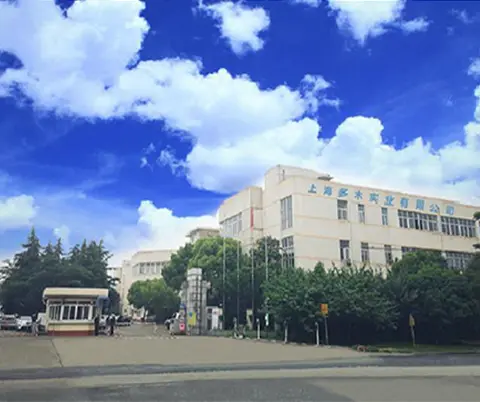
For more than ten years, Shanghai Duomu has been recognized globally as a pioneering manufacturer and exporter of PTA cladding machines, Laser cladding systems, and specialized Tig (Saldare Tig) automation systems. Built on a foundation of rigorous technical expertise, we specialize in high-efficiency industrial surface engineering.
Our commitment to engineering excellence ensures that every system we design meets the demanding performance requirements of the world’s leading manufacturers. From basic manual equipment to complex, multi-axis robotic setups, we deliver structural integrity and high-deposition solutions that increase service life, minimize thermal deformation, and optimize production workflows.
Through persistent material R&D, we offer key components that withstand the most corrosive environments in modern industry.
An in-depth whitepaper look at how Saldare Tig, PTA, and Laser Cladding shape heavy engineering across international markets.
In high-stakes manufacturing environments such as oil extraction, nuclear generation, and aerospace defense, traditional manual TIG (commonly referred to in European markets as Saldare Tig) is undergoing rapid transformation. The industrial demand for zero-defect cladding overlays, combined with labor shortages, has prompted a structural shift toward highly automated, high-precision PTA (Plasma Transferred Arc) and laser-based surface restoration.
Custom manufacturers must now balance parameters such as dilution rate, heat input, and deposition velocity. While traditional GTAW (TIG) provides excellent precision for small components, its limited deposition rate restricts its application in high-volume, structural surface protection. Automated PTA welding bridging systems resolve this issue by offering a constricted plasma arc that yields low dilution rates, uniform microstructures, and minimized post-weld machining requirements.
Globally, heavy machinery operating under severe pressure and temperature conditions requires targeted cladding rather than complete fabrication from expensive alloys like Inconel, Stellite, or Tungsten Carbides. By localizing the application of premium alloys to critical wear faces, manufacturers realize significant cost efficiencies. Custom factories are increasingly deploying multi-axis gantry and robotic cladding systems to automate this application.
This localized treatment reduces raw material costs by up to 70% while improving the mechanical resistance of the base component. Consequently, custom surfacing and cladding setups have become standard requirements for procurement managers in the Americas, Western Europe, and highly industrialized Asian markets.
Our dedicated, in-house technical department is tasked with advancing the limits of plasma and laser cladding technologies. Our R&D team designs, tests, and manufactures plasma cladding systems engineered for stable, continuous operation in heavy industrial environments.
Additionally, our high-power laser cladding equipment is built to support large-scale industrial remanufacturing programs. Combining state-of-the-art power electronics, precision CNC control modules, and closed-loop powder feed control, we provide complete, integrated system solutions to solve complex wear and corrosion problems across multiple industries.
By constantly testing new shielding gas profiles, mechanical wire-feed systems, and powder delivery dynamics, we help our partners achieve consistent cladding runs with virtually zero porosities.
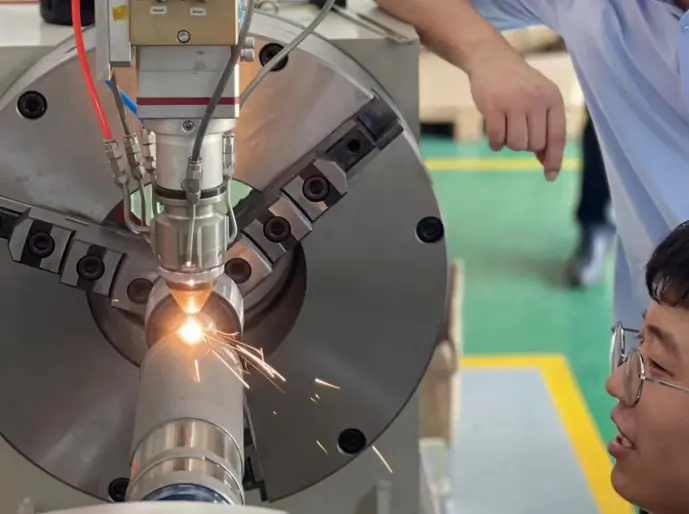
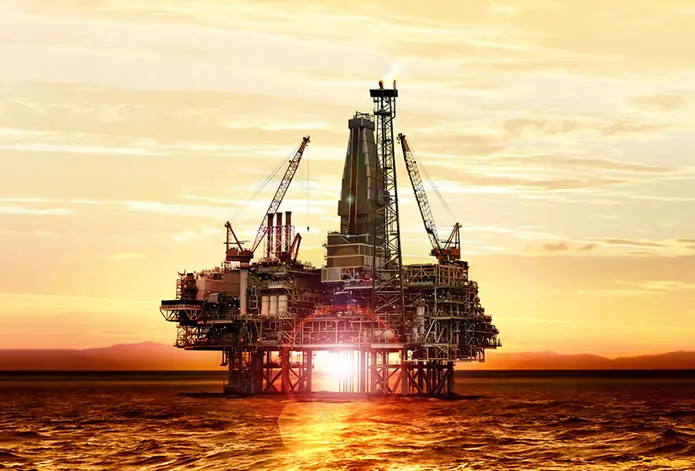
Our cladding systems and automated machinery are deployed globally to support operations in demanding sectors, including aerospace, agriculture, oil extraction, and casting.


How modern material science and real-time monitoring systems are transforming high-deposition welding and additive manufacturing.
Next-generation cladding systems integrate pyrometric sensors and vision systems to monitor the melt pool in real time. By adjusting current, travel speed, and powder feed rates dynamically, these systems minimize defects and ensure a uniform deposition track.
With tightening environmental regulations surrounding hexavalent chromium, the industry is transitioning to iron-based and nickel-based superalloys. Our systems are optimized to run these alternative materials, providing equal or superior wear performance without the associated health and environmental hazards.
Additive and subtractive integration allows the workpiece to be cladded and finish-ground inside a single machining envelope. Our automated cantilever and gantry platforms are designed to integrate seamlessly with standard CNC control systems to enable automated hybrid manufacturing paths.
Custom automated setups tailored for specific high-wear components, including hydraulic rods, extruders, valves, and industrial mixer blades.
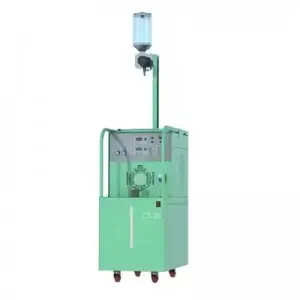
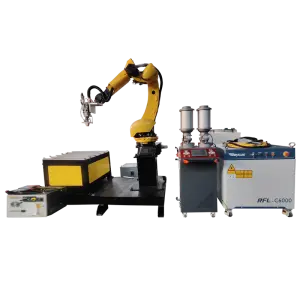
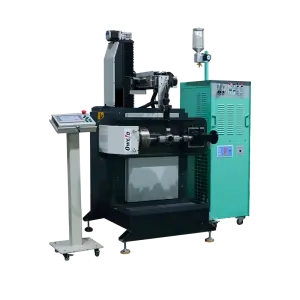
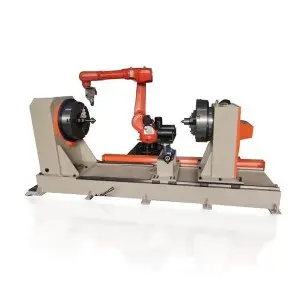
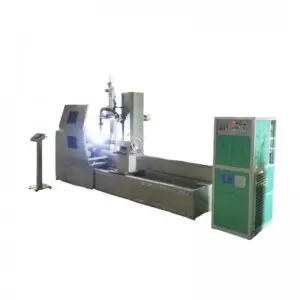
Valuable operational field data and process guidelines compiled by our application engineers on site.
"The PTA Welding Valve Application Guide is not just a process choice for valve manufacturers facing high wear, high corrosion, and high-temperature erosion working conditions, but also a key path to improving product competitiveness. As industries such as petrochemical, gas delivery, and power generation push their envelopes, achieving low-dilution hardfacing on wear rings and seals becomes critical to avoiding catastrophic equipment failures."
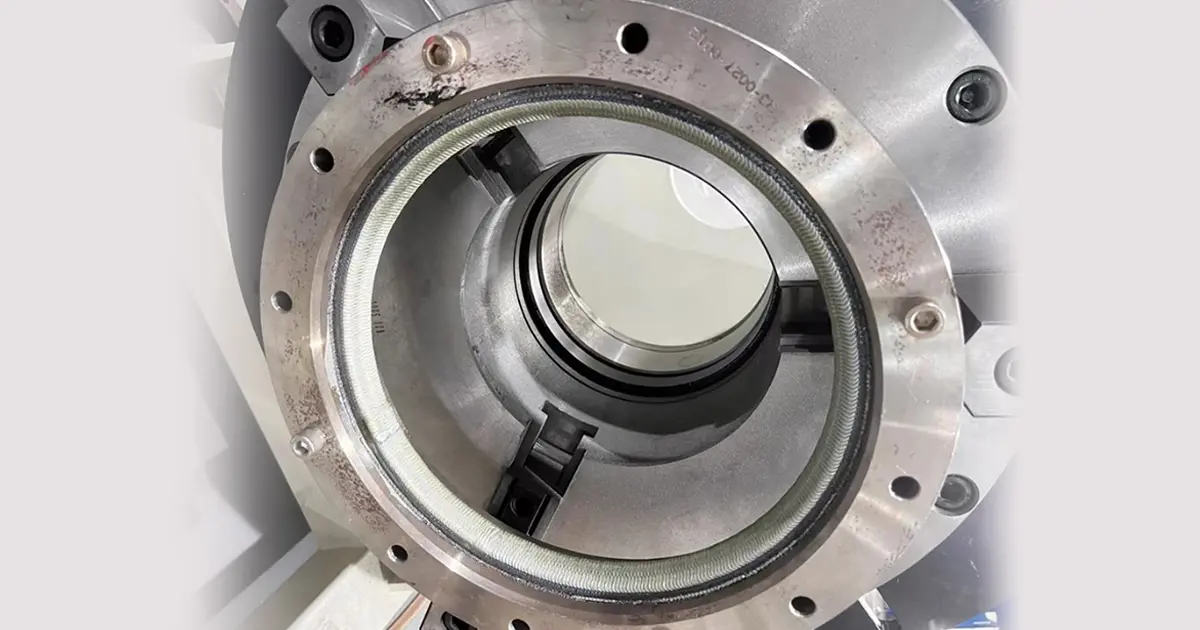 Valve Process Engineering Lead
"In industries such as mining, cement, power generation, steelmaking, chemical processing, and biomass energy, screw conveyors are often regarded as auxiliary equipment. However, maintenance data shows that they are among the most frequent causes of unplanned production shutdowns. Applying a custom laser-clad layer of nickel-based cobalt alloy to the flight tips drastically reduces abrasive wear and extends operation cycles by multiple folds."
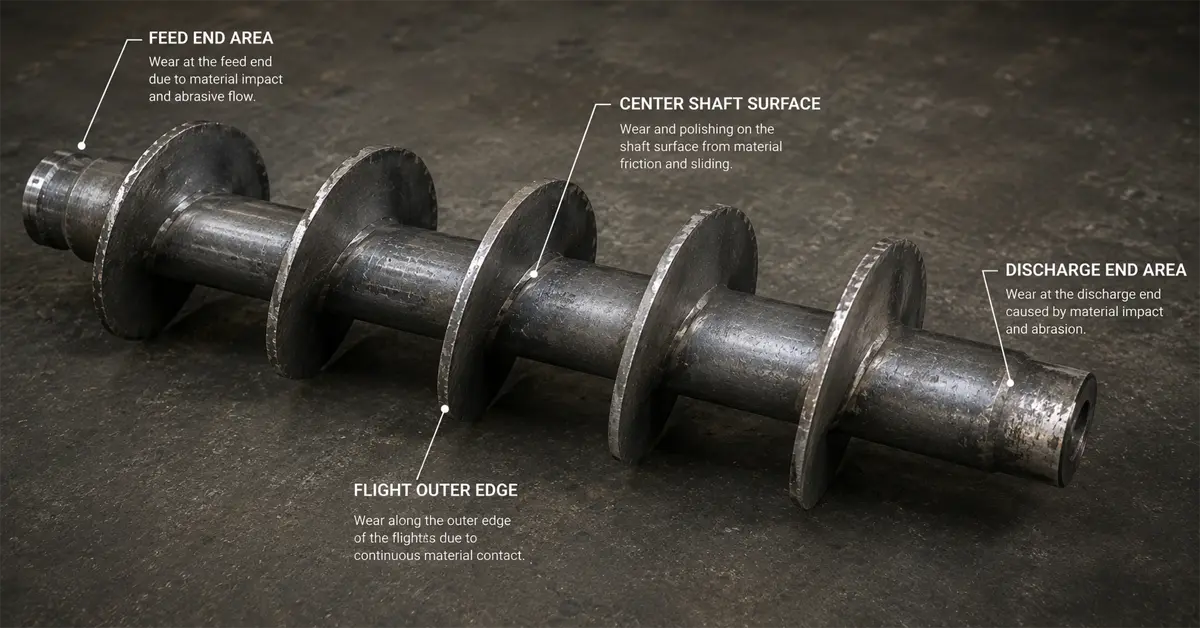 Maintenance & Reliability Director
"In Plasma Transferred Arc (PTA) hardfacing, achieving a high-quality overlay is not only about selecting the right alloy powder or optimizing welding parameters. One of the most critical factors that directly affects overlay performance is the dilution rate. Keeping dilution rates under 5% ensures that the hardfaced overlay retains its design hardness without compromising the base material's ductility."
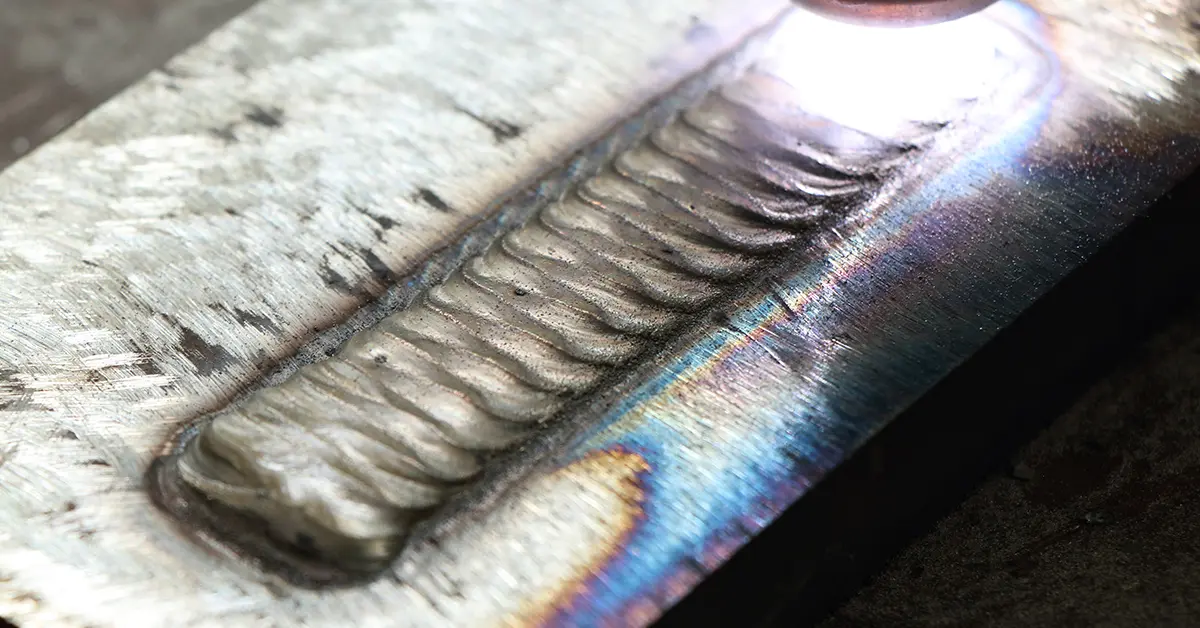 Surface Engineering Research Scientist
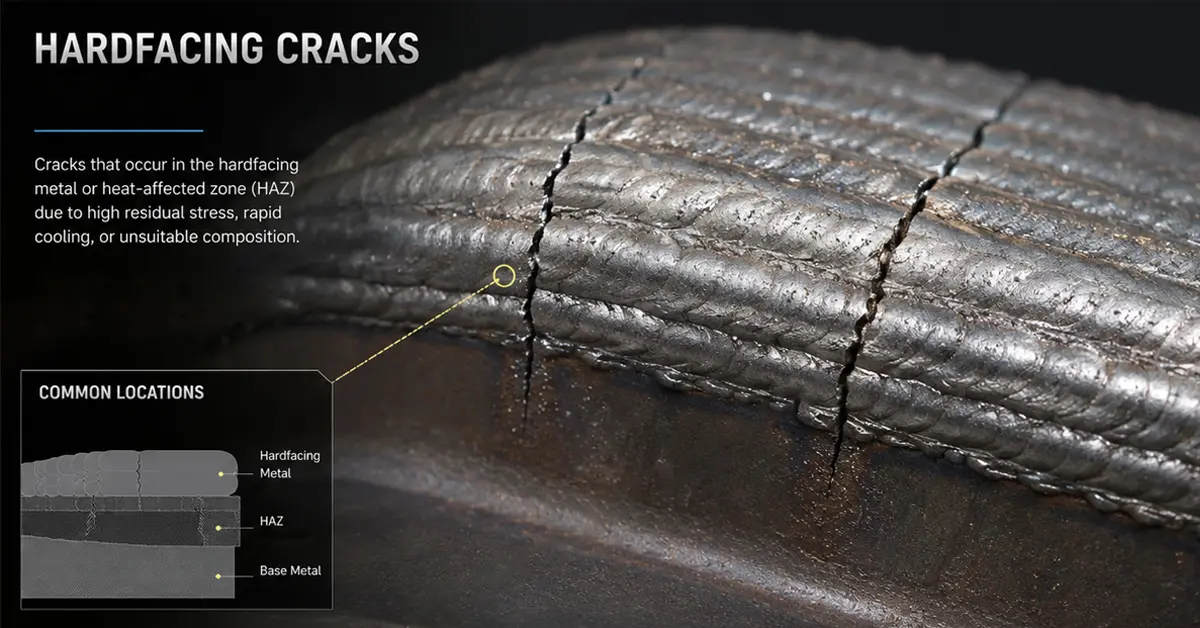
"In industries such as Oil & Gas, Mining, Power Generation, Cement, and Heavy Equipment Manufacturing, hardfacing is no longer just a repair process. It has become a critical technology directly related to equipment lifespan, downtime costs, maintenance frequency, and raw material conservation. Investing in robotic systems yields rapid paybacks."
 Plant Operations VP
Our engineering team answers common industry questions on hardfacing, equipment configuration, and material science.
A: PTA (Plasma Transferred Arc) cladding uses a highly constricted plasma arc to melt both the substrate surface and the metal alloy powder feed. Because the arc is concentrated, the dilution rate (mixing of substrate material into the cladding layer) is typically kept under 5%, compared to 10-15% for traditional manual TIG (Saldare Tig). Additionally, automated PTA provides significantly higher deposition rates and improved consistency, making it better suited for production scaling in factories.
A: Laser cladding uses a high-power laser beam as the heat source. This approach produces the lowest heat input of any thermal cladding process, resulting in an extremely small heat-affected zone (HAZ), minimal dilution (under 2%), and virtually no thermal deformation. PTA is generally more cost-effective for thick, heavy-duty wear coatings, while laser cladding is preferred for high-precision components, thin walls, and applications requiring minimal post-weld machining.
A: In both PTA and laser cladding, consistency in powder feed rates is vital for deposit uniformity. An unreliable powder feeder leads to fluctuations in deposit thickness, high surface roughness, and porosity. Our high-precision powder feeders utilize stable gas fluidization and feedback control to ensure a steady feed of alloys (like Cobalt, Nickel, and Tungsten Carbides) to the torch or nozzle.
A: Components like extruder barrels, internal bores of heavy cylinders, and pipe fittings require internal cladding to withstand wear and corrosion. Specialized bore torches (such as our DNPT16018-HQ and DNPT30018-HQ) are designed with a compact profile to fit inside small-diameter cylinders. They are equipped with reliable internal cooling channels to prevent overheating during deep-hole operations.
Explore our custom-engineered systems, CNC positioning tables, and critical wear accessories.
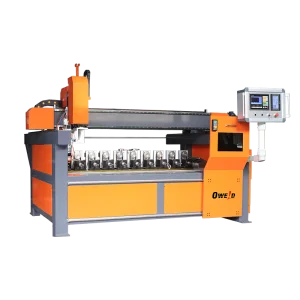
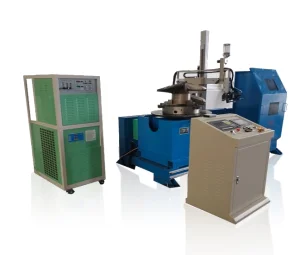
Our systems conform to international manufacturing standards and are integrated into production lines globally.








 Duomu
Duomu