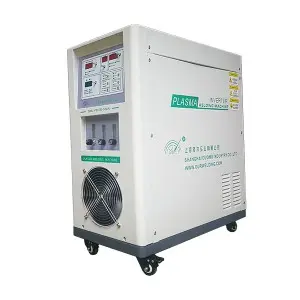
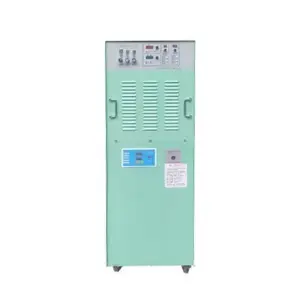
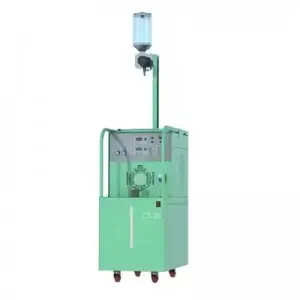
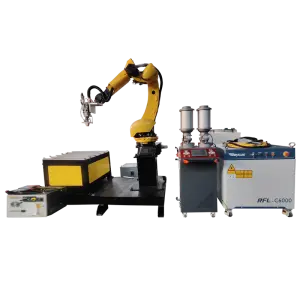
Discover our leading-edge automatic welding systems, plasma cladding setups, and custom torches built for industrial integrity and extreme surface engineering.
Shanghai Duomu has been a leading manufacturer and exporter of PTA (Plasma Transferred Arc) cladding machines and Laser cladding machines for more than ten years, supported by a profound technical heritage. We combine precision metallurgy with advanced automation to serve core sectors requiring high wear resistance, thermal stability, and corrosion prevention.
Our dedicated R&D division operates independently, developing, producing, and distributing proprietary plasma cladding solutions. The welding machines we manufacture feature remarkably stable arcs and robust power duty cycles, ensuring uninterrupted, high-efficiency operations under severe shop-floor conditions.
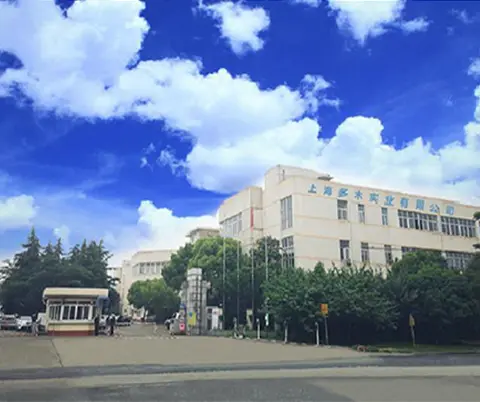
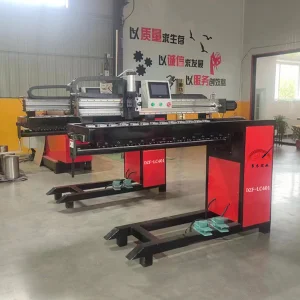
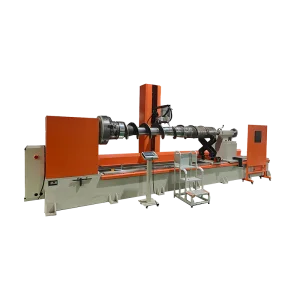
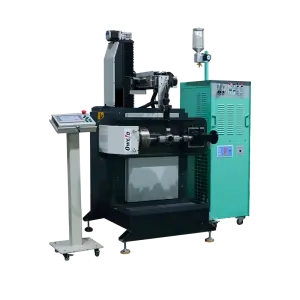
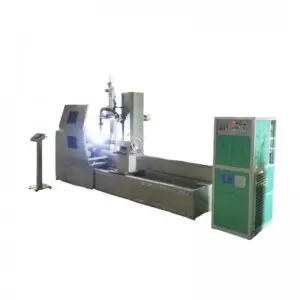
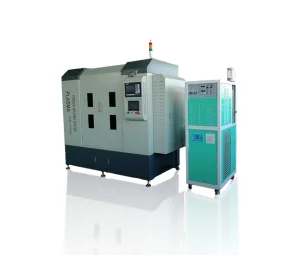
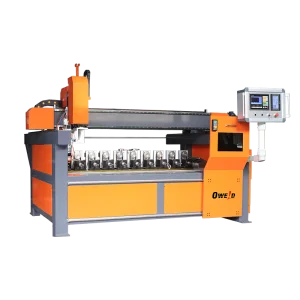
State-of-the-art multi-axis gantry cladding system operating in our assembly shop.
At present, Shanghai Duomu's highly specialized overlay and surface protection systems have penetrated deep into essential global manufacturing chains. Our PTA cladding and laser surfacing lines run 24/7 in demanding industries:
Providing tungsten carbide overlays for tillage disks, feeder plates, and subsoiler points to extend tool service life by up to 500%.
High-precision component reclamation, turbine blade repair, and structural steel reinforcement meeting strict AS9100 quality guidelines.
Corrosion-resistant alloy cladding on drill pipes, stabilizers, and downhole tools facing extreme geological and chemical environments.
Automated surfacing of continuous caster rollers and hot shear blades to counter thermal fatigue, scale abrasion, and high impact load.
In the heavy industrial hubs of Europe, particularly across Poland (Silesian metallurgical basins, Baltic maritime yards, and regional automotive clusters), the demand for high-reliability Tig Spawanie (TIG Welding) and PTA Cladding has surged. Local industrial operations rely on these technologies to meet rigorous EN ISO 3834 and EN 1090 structural fabrication regulations.
In Silesian hard coal mines, continuous conveyor screws and drilling tools encounter intense geological abrasive wear. PTA overlays utilizing stellite and nickel-chromium matrices are widely used to defend against mineral wear, minimizing unexpected machinery breakdowns.
In Gdańsk and Gdynia shipyards, propulsion shafts and marine valves are subject to severe chloride pitting. Implementing specialized TIG spawanie joint configurations and plasma-clad protective layers ensures these parts withstand continuous salt-spray exposure.
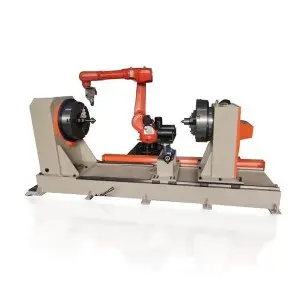
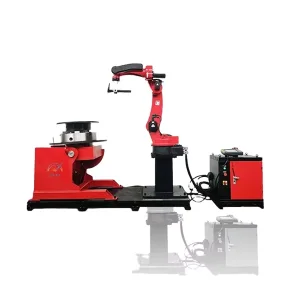
Southern Poland's automotive component suppliers demand precise, automated welding systems. Integrating 6-axis robotic arms with custom TIG and plasma tools ensures low-distortion welds on thin-walled structural frames and exhaust components.
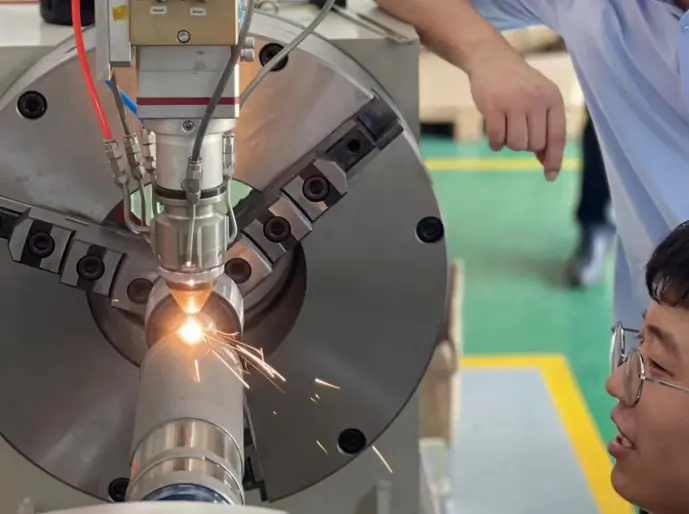
The global welding and cladding landscape is shifting rapidly toward automated, digitalized solutions. Shanghai Duomu's engineering division is actively pursuing this transformation through three main focus areas:
As a global supplier, Shanghai Duomu leverages the highly integrated Chinese industrial ecosystem. This local supply network enables us to maintain fast production cycles, reliable quality control, and secure shipping schedules for international partners.
We source ultra-pure copper, custom tungsten, and advanced electrical micro-controllers directly from domestic manufacturers, which keeps lead times minimal and ensures uniform material composition.
Every automated gantry platform and torch undergoes rigorous load testing and electrical safety inspections. All equipment is certified to CE standards, ensuring smooth integration into European factory networks.
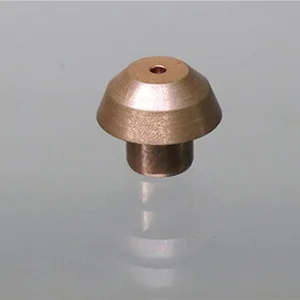
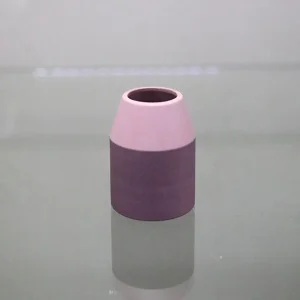
We work with international logistics partners to supply wear components (such as copper PTA nozzles, gas covers, and electrodes) globally within 48 to 72 hours, reducing customer downtime.
Our engineering division regularly publishes technical guides on metallurgy and process optimization. Below are critical highlights from our recent industrial studies:
The PTA Welding Valve Application Guide is not just a process choice for valve manufacturers facing high wear, high corrosion, and high-temperature erosion working conditions, but also a key path to improving product competitiveness. As industries such as petrochemical, power generation, and chemical processing demand longer equipment lifecycles, PTA hardfacing provides an exceptionally dense, defect-free deposition zone.
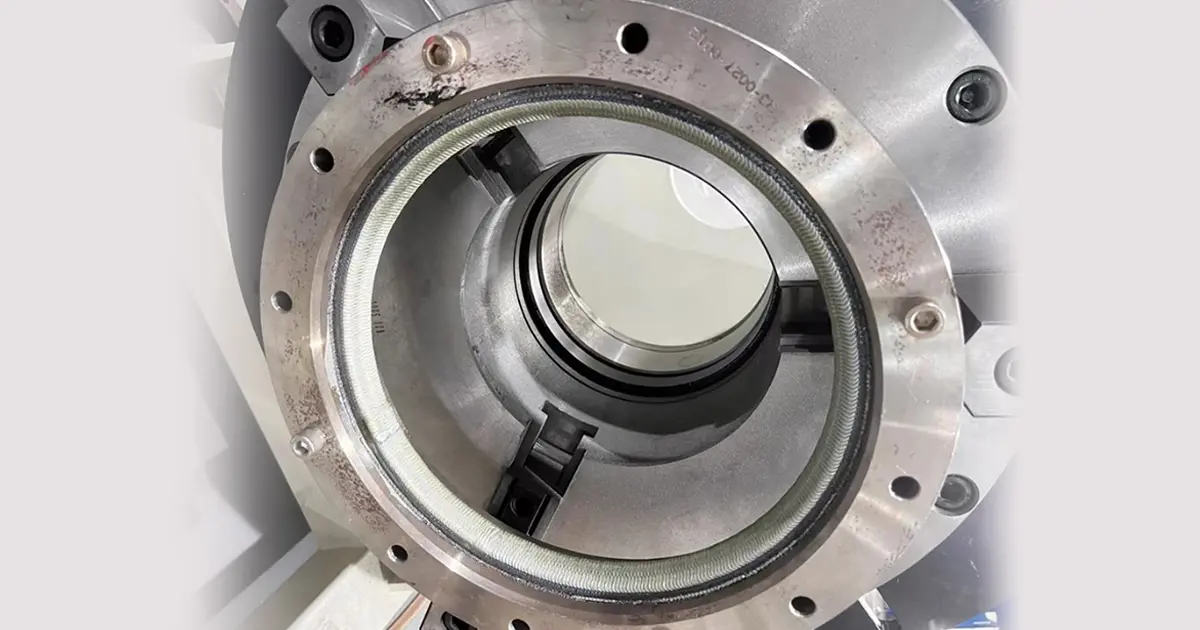
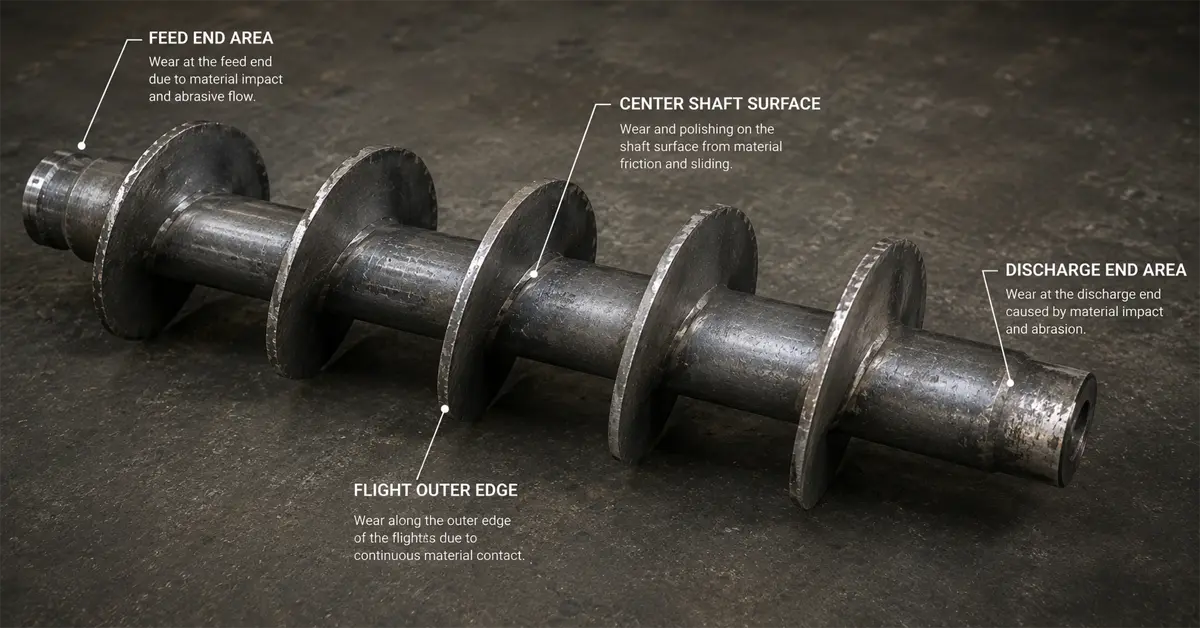
In industries such as mining, cement, power generation, steelmaking, chemical processing, and biomass energy, screw conveyors are often regarded as auxiliary equipment. However, maintenance data shows that they are among the most frequent causes of unplanned production downtime. Applying a specialized chromium-carbide or stellite PTA weld overlay significantly reduces friction and particle abrasion, keeping production active.
In Plasma Transferred Arc (PTA) hardfacing, achieving a high-quality overlay is not only about selecting the right alloy powder or optimizing welding parameters. One of the most critical factors that directly affects overlay performance is the dilution rate. Keeping dilution levels below 5-10% ensures the overlay alloy retains its original chemistry and wear-resistant properties without excessive blending with the base metal.
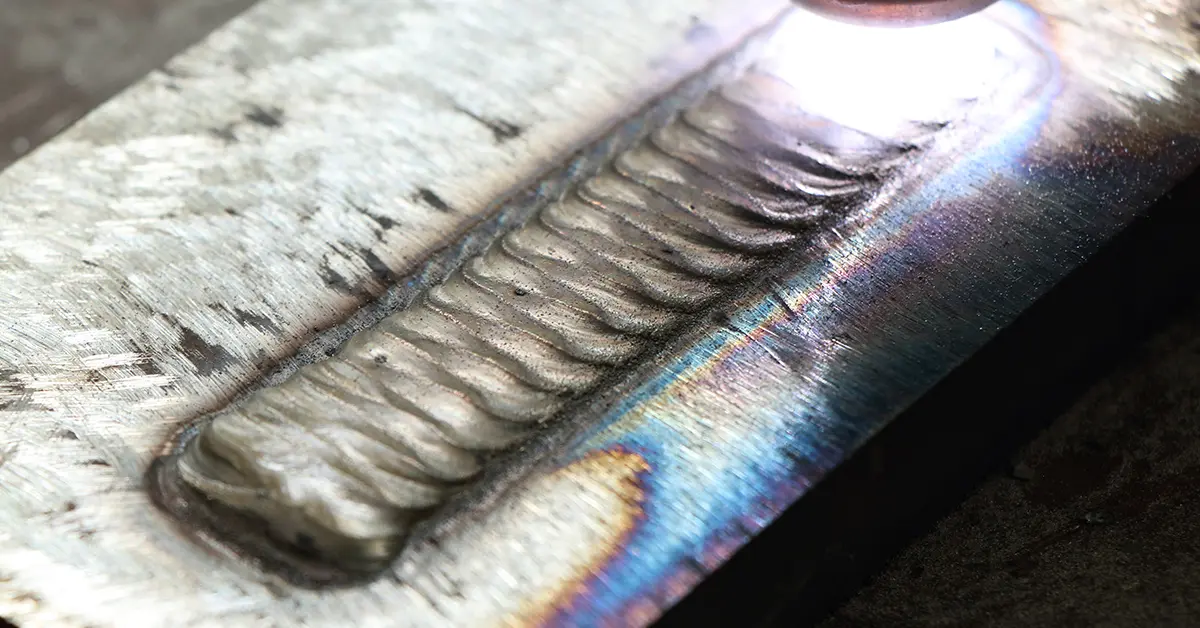
In industries such as Oil & Gas, Mining, Power Generation, Cement, and Heavy Equipment Manufacturing, hardfacing is no longer just a repair process. It has become a critical technology directly related to equipment lifespan, downtime costs, maintenance frequency, and structural integrity. By carefully controlling thermal heat input, engineers prevent cracking and distortion in heavy steel parts.
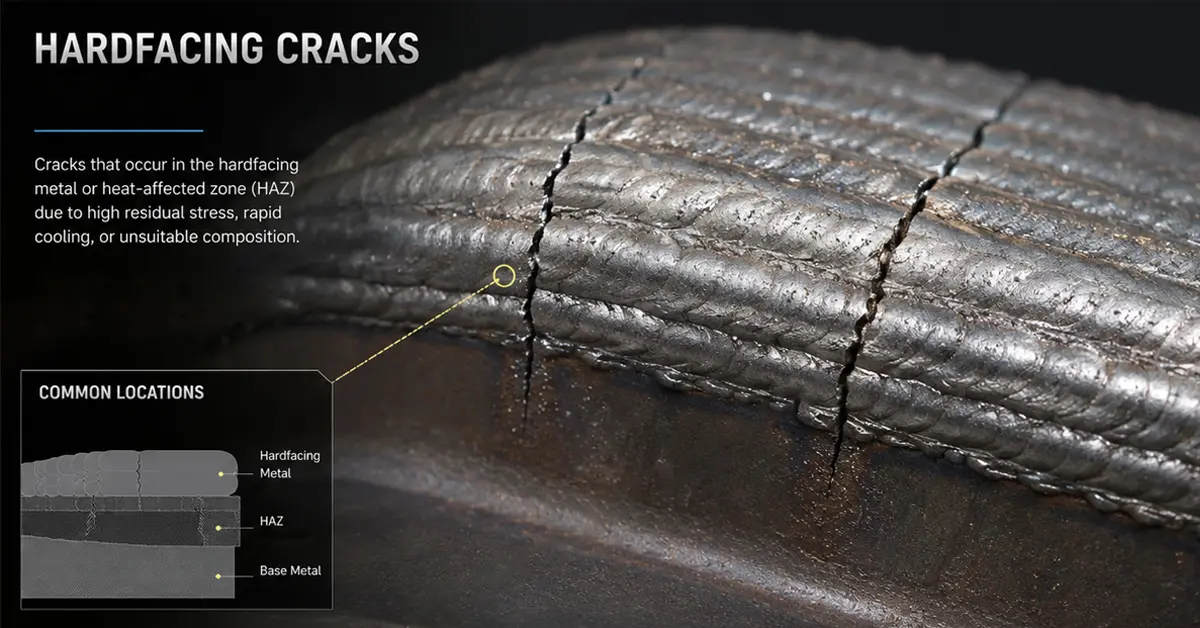
In industries such as oil & gas, petrochemical, power generation, mining, and marine engineering, industrial valves are constantly exposed to severe operating conditions including: high pressure, extreme temperatures, corrosive media, abrasive wear, and sand erosion. Selecting the right alloy matrix via automated PTA surfacing ensures long-term sealing performance and limits chemical corrosion.
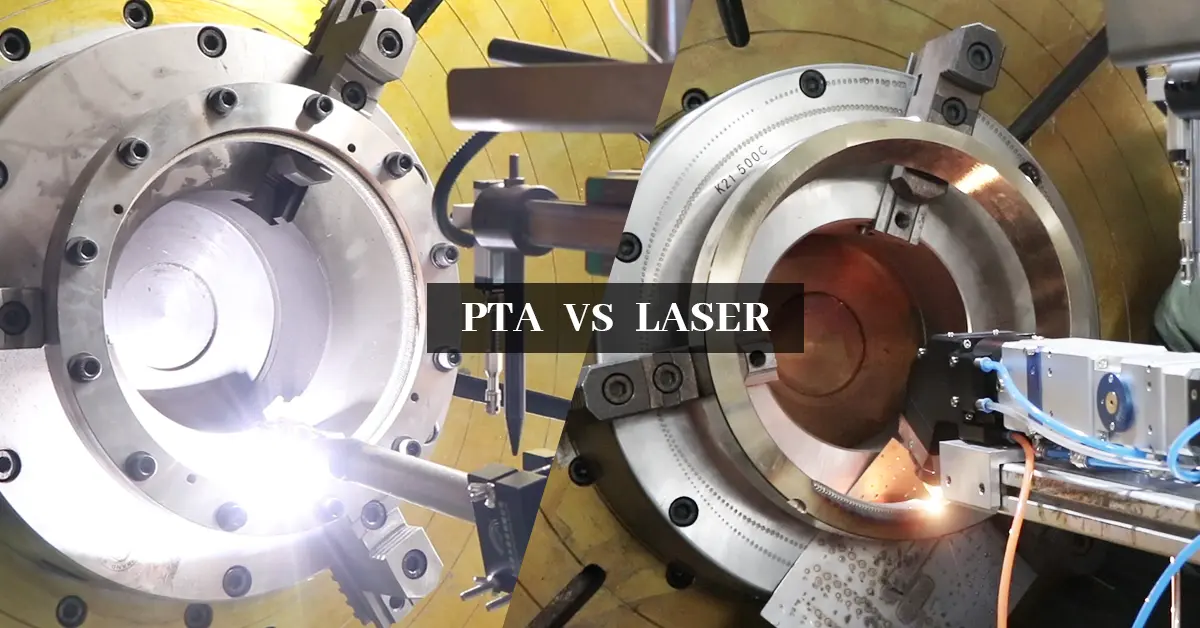
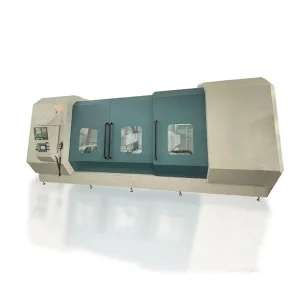
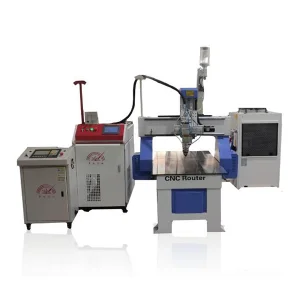
We design custom machinery, automated laser cladding units, integrated plasma cladding equipment, and intelligent robotic systems tailored to custom dimensional specs. This includes specific setups like hydraulic rod systems, pick cladding, and valve face hardfacing equipment:
Find answers to common questions about selecting overlay methods, material dilution, and customization options for heavy-duty components.
TIG spawanie (Tungsten Inert Gas welding) utilizes a non-consumable tungsten electrode and an external shielding gas to create a precise joint weld. PTA (Plasma Transferred Arc) cladding uses a focused plasma arc to melt metal powder feedstock onto the surface. PTA achieves higher deposition rates, a narrower heat-affected zone (HAZ), and a lower dilution rate (under 5%) compared to typical manual TIG welding overlays.
Dilution measures how much base material mixes with the weld overlay. If dilution is too high, the surface alloy becomes contaminated with elements from the base steel, reducing its hardness and wear resistance. Keeping dilution low ensures the hardfacing layer retains its intended properties in severe chemical and mechanical operations.
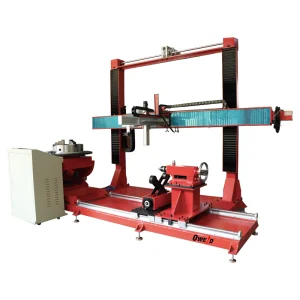
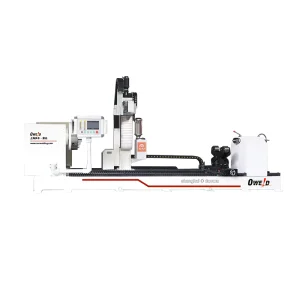
Yes, we customize single units, multi-axis gantry machines, and 6-axis robotic arms. We can integrate dual-column gantry layouts, internal bore torches, and computerized powder feeders designed to match your specific production floor requirements and workpieces.
Our PTA platforms support a wide range of wear-resistant powders, including cobalt-based (Stellite equivalents), nickel-based (with tungsten carbide additions), iron-based alloys, and custom metal matrix composites (MMCs).








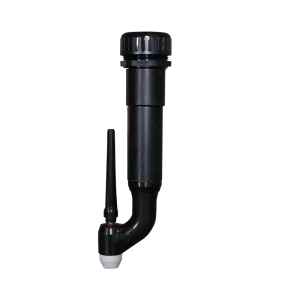
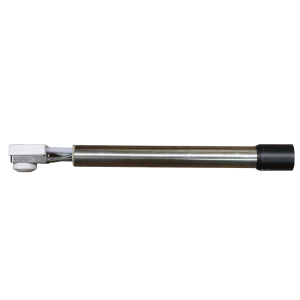
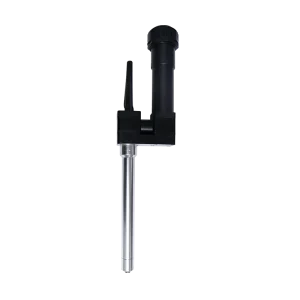
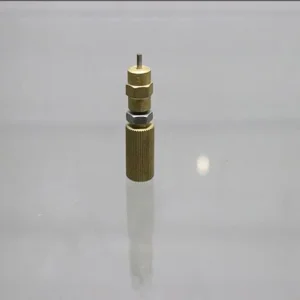
Complete your manufacturing lines with our heavy-duty internal welding torches, heat-resistant electrodes, tungsten calibrators, and custom gas shields.
 Duomu
Duomu