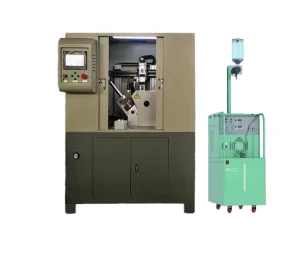
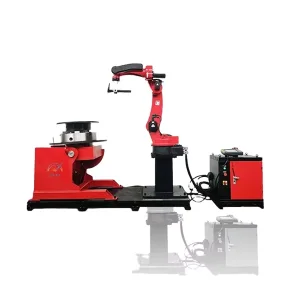
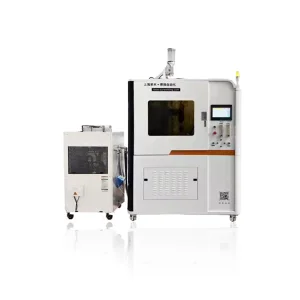
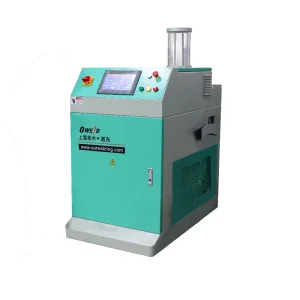
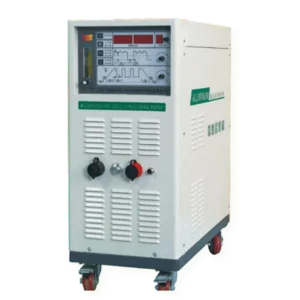
Discover our advanced manufacturing systems engineered to deliver high-integrity metallurgy, minimal heat-affected zones, and exceptional wear resistance.
Industrial components operating in demanding sectors encounter combinations of intensive abrasive wear, high temperature, and aggressive chemical environments. Traditional fabrication cannot sustainably rely on expensive uniform alloys for entire structures. Consequently, surface engineering technologies—particularly Custom TIG Welding (GTAW), Plasma Transferred Arc (PTA) cladding, and Laser Cladding—have transitioned from simple repair techniques to core manufacturing standards.
Modern factories globally deploy custom TIG and plasma-based surfacing systems to deposit wear-resistant overlays on economical base metals. This method allows companies to dramatically increase service lifetime, cut operating costs, and maintain mechanical performance. The market demands robust reliability and precision, driving factories to automate these workflows with multi-axis CNC systems and robotic arms.
While manual custom TIG is highly accurate, it suffers from slower deposition rates and high heat input, which can lead to high dilution of the surfacing alloy. PTA (Plasma Transferred Arc) and Laser Cladding overcome these issues. They offer concentrated energy density, lower dilution rates (<5%), reduced heat-affected zones (HAZ), and significantly faster processing times, making them the standard choice for modern manufacturers.

Our technological solutions have successfully penetrated high-stakes heavy industries worldwide, optimizing equipment endurance and cycle efficiency.
Rototillers, plowshares, harvester blades, and cutting components face relentless soil abrasion. Plasma powder surfacing and laser hardfacing increase the operational life of agricultural tools up to four times, minimizing replacement cycles.
Turbine blade tips, combustion chambers, and structural parts undergo intense thermal load. High-precision PTA and laser cladding restore damaged aerospace metals without compromising structural integrity or introducing warping.
Downhole tools, drilling stabilizers, hydraulic pistons, and valving wear out rapidly from sand slurry erosion and corrosive hydrocarbons. Cladding with nickel or cobalt-base alloys provides crucial protective layers.
Continuous casting rolls, extrusion screws, and forge dies suffer from high mechanical forces under high thermal loads. Hardfacing through automated PTA extends replacement cycles and maintains production line uptime.
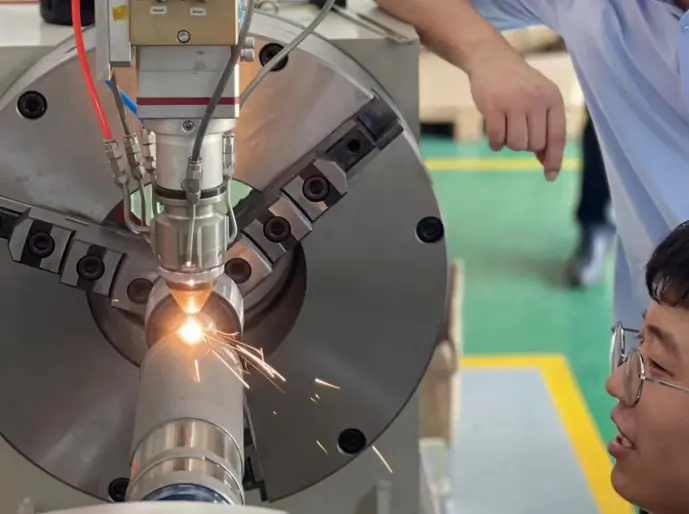
For more than ten years, Shanghai Duomu has stood at the forefront of the surface engineering sector as an established manufacturer and exporter of PTA cladding and laser cladding machines. Equipped with a strong technical background, our facility handles complex requirements, bridging design, material engineering, and mechanical execution.
Our independent R&D department designs, manufactures, and commissions custom plasma powder surfacing and laser cladding systems. These systems maintain high-efficiency, long-term operation under heavy industrial cycles. Furthermore, our laser cladding technologies support large-scale remanufacturing initiatives, delivering complete industrial equipment solutions with mature technical processes.
We work to support custom setups, providing specific designs for wear-prone parts such as hydraulic rods, road header picks, valves, and gantry structures.
The industrial surfacing landscape is transitioning toward intelligent, closed-loop feedback systems that minimize scrap and maximize quality.
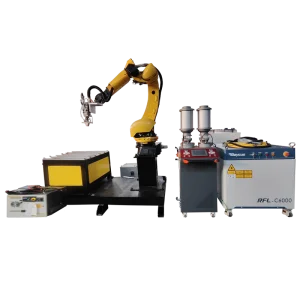
Manual TIG depends heavily on technician skill. Modern factories integrate 6-axis robotic arms with automated path-planning software. By analyzing 3D CAD data, these systems calculate exact torch angles and velocities to deposit clean layers with uniform thickness across complex geometry.
Future setups incorporate melt-pool temperature monitors, visual sensors, and acoustic analysis. By tracking thermodynamic parameters in real-time, the system can instantly adjust laser/plasma output, shielding gas flow, and feed rate to eliminate weld defects like cracking, voids, or oxide inclusions.
Standard welding wires are giving way to custom composite powders. Mixing tungsten carbides with nickel, cobalt, or iron-based alloys enables factories to adjust hardness, corrosion resistance, and thermal tolerance. This customization maximizes part lifetimes in specific field conditions.
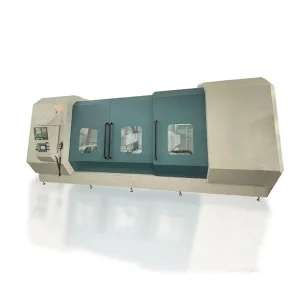
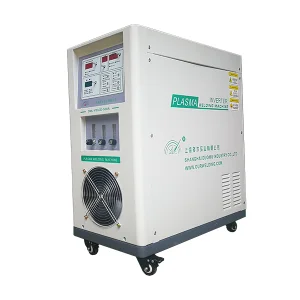
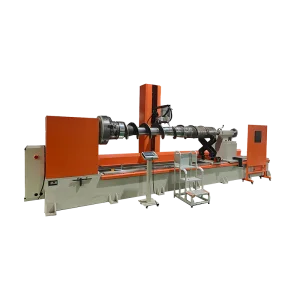
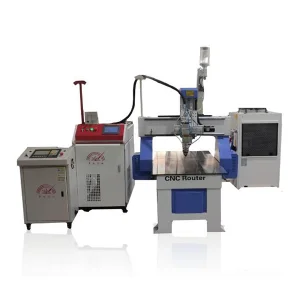
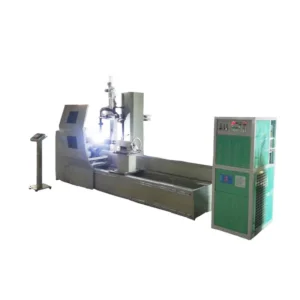
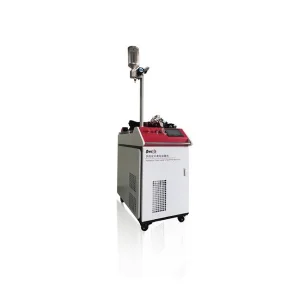
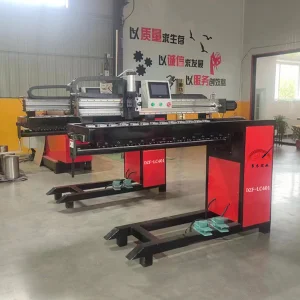
Review our selection of industrial gantry systems, custom laser cladders, and portable welding packages designed to resolve production bottleneck issues.
Examine how PTA, TIG, and laser technologies resolve wear, corrosion, and cost challenges in high-consequence environments.
The PTA Welding Valve Application Guide is not just a process choice for valve manufacturers facing high wear, high corrosion, and high-temperature erosion working conditions, but also a key path to improving product competitiveness. As industries such as petrochemical, power generation, and refining demand longer lifespans, choosing the correct powder deposition setup directly determines the reliability of valve seals.
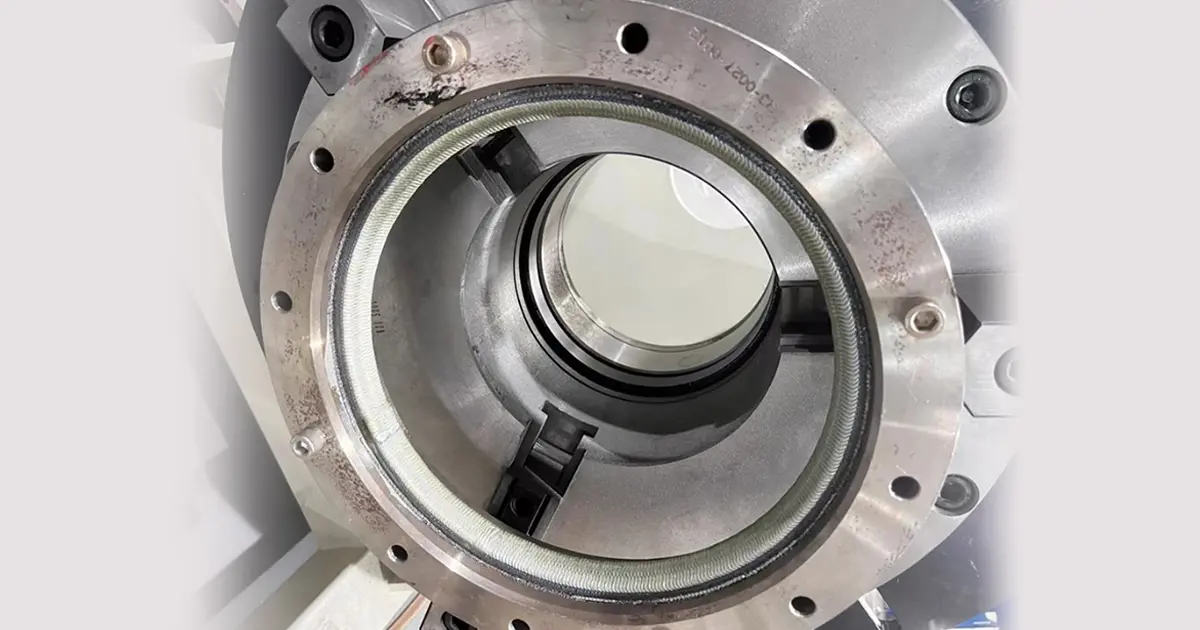
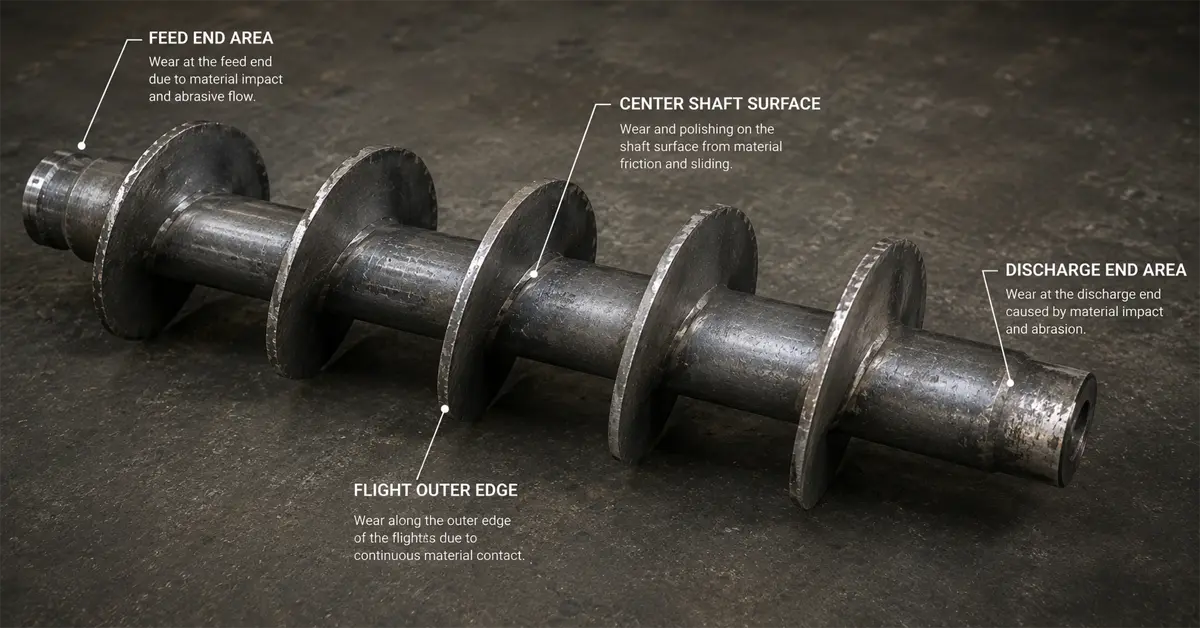
In industries such as mining, cement, power generation, steelmaking, chemical processing, and biomass energy, screw conveyors are often regarded as auxiliary equipment. However, maintenance data shows that they are among the most frequent causes of unplanned production shutdowns due to abrasion. Standard repair options include cladding flight edges with custom TIG alloys or robotic PTA surfacing to extend flight lifetime by 300%.
In Plasma Transferred Arc (PTA) hardfacing, achieving a high-quality overlay is not only about selecting the right alloy powder or optimizing welding parameters. One of the most critical factors that directly affects overlay performance is the dilution rate. Keeping dilution below 5% ensures the wear-resistant properties of the hard alloy remain intact, rather than getting degraded by mixing with the soft base steel.
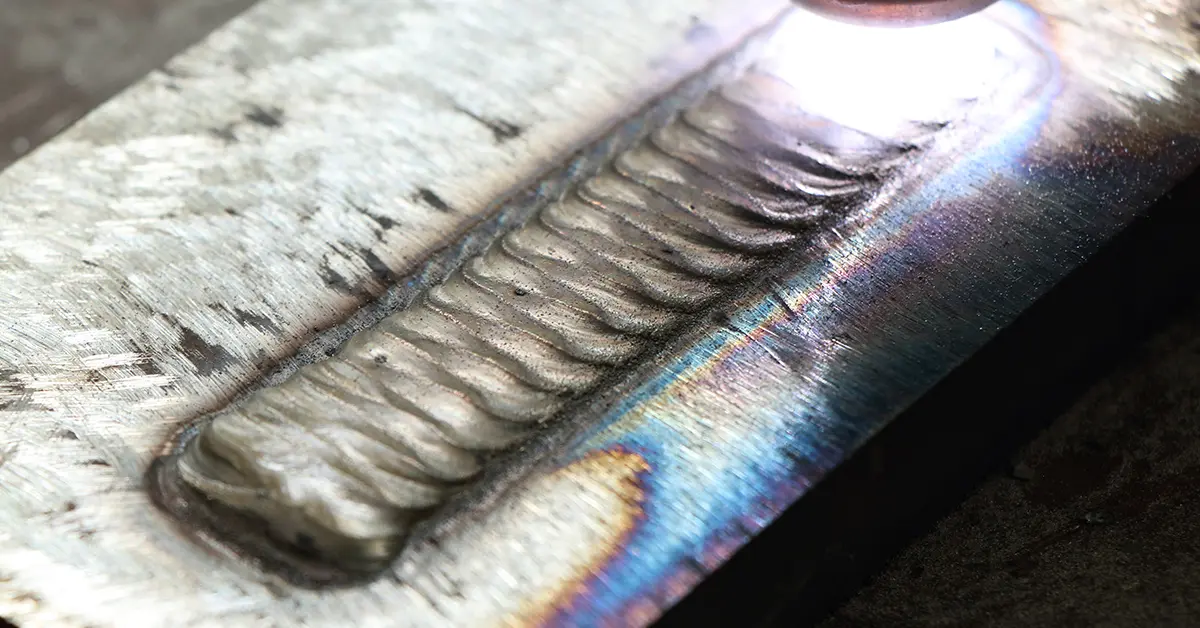
In industries such as Oil & Gas, Mining, Power Generation, Cement, and Heavy Equipment Manufacturing, hardfacing is no longer just a repair process. It has become a critical technology directly related to equipment lifespan, downtime costs, maintenance frequency, and process safety. Automated cladding allows for precise material deposition on critical components, reducing maintenance costs.
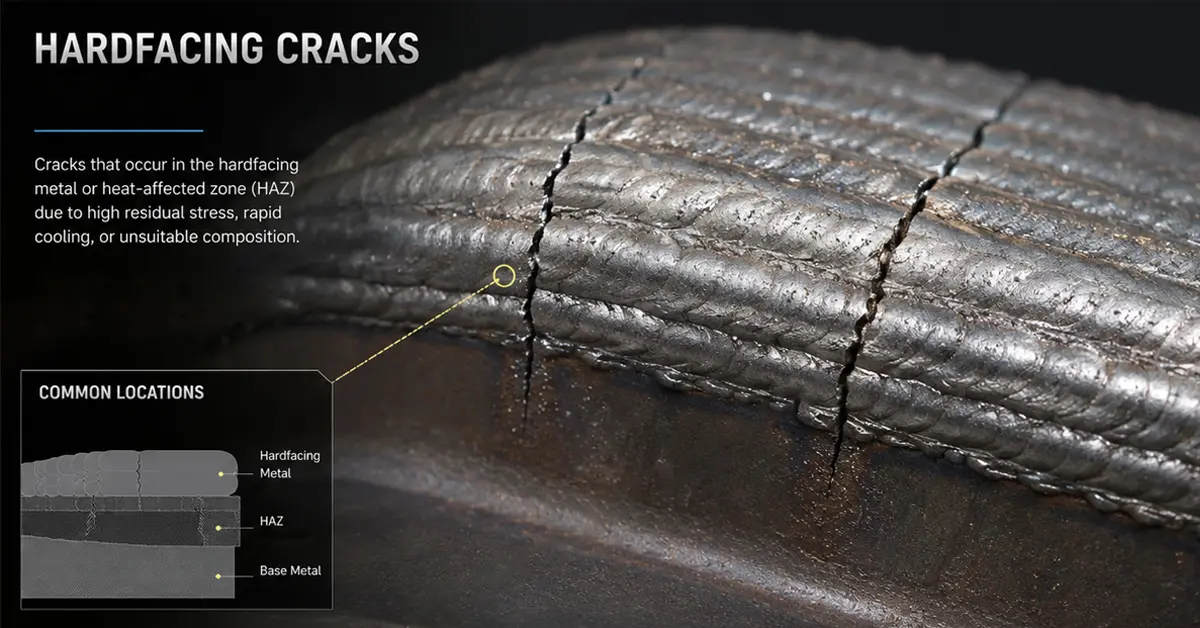
In industries such as oil & gas, petrochemical, power generation, mining, and marine engineering, industrial valves are constantly exposed to severe operating conditions including: high pressure, extreme temperatures, corrosive media, and abrasive wear. Under these circumstances, PTA surfacing of cobalt-based alloys (Stellite) on the valve seat is necessary to ensure tight seals and long operational life.
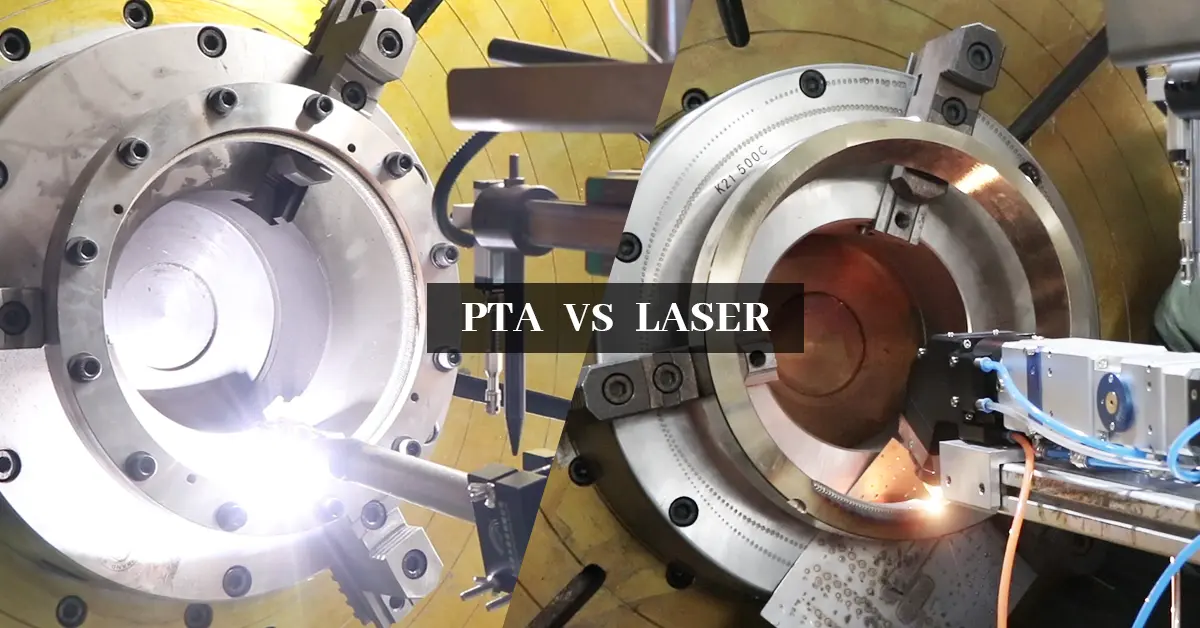
Achieving zero-defect surfacing requires precise control over heat inputs. PTA technology offers high power density, allowing rapid melting of the alloy powder with minimal melting of the substrate. This ensures high-hardness deposits even in single-pass overlays, which helps reduce production time and costs for valve manufacturers.
How geographical industrial hubs choose surfacing technologies based on resources, environmental guidelines, and labor conditions.
In North America, high labor costs and strict regulatory standards drive the demand for automation. Factories in the oil sands and heavy agricultural sectors prefer integrated robotic 6-axis arm systems and automated laser cladding platforms. These systems run continuously with minimal operator supervision, reducing variables in weld quality.
European factories emphasize sustainability, carbon footprints, and high material efficiency. Consequently, they tend to adopt laser cladding and PTA surfacing technologies. These processes minimize material waste and allow precise refurbishment of expensive parts, supporting circular economy initiatives.
With rapid infrastructure, mining, and maritime expansions in the Asia-Pacific region, factories require robust machinery capable of processing high volumes. Multi-functional plasma powder welding machines are commonly deployed here to balance performance, cost, and high deposition rates.
Review our expert answers to common engineering questions regarding custom TIG uses, PTA cladding setups, and system optimization.
Custom TIG (GTAW) uses a non-consumable tungsten electrode and gas shielding, with alloy wire fed manually or mechanically into the arc. PTA (Plasma Transferred Arc) uses a column of constricted plasma to melt both the base metal surface and an alloy powder. PTA offers higher deposition rates, lower dilution rates (<5% compared to TIG's 10-15%), and more concentrated energy density, reducing part distortion.
Dilution rate measures the percentage of base metal that melts and mixes into the deposited cladding layer. High dilution introduces softer substrate material into the wear-resistant overlay, reducing its hardness and wear resistance. Maintaining a low dilution rate, typically under 5% via PTA or laser cladding, preserves the properties of the surfacing alloy.
Laser cladding uses a laser beam as the heat source. The localized energy input minimizes the heat-affected zone, reduces substrate distortion, and achieves low dilution rates (down to 1-2%). This allows thin, precise overlays on delicate components (like turbine blades or high-pressure cylinders) where thermal stress must be minimized.
Common choices include: cobalt-base alloys (e.g., Stellite for high temperatures and corrosion), nickel-base alloys (e.g., Colmonoy for corrosion and wear), and iron-base alloys for general abrasive applications. Tungsten carbide particles are often blended into these alloys to form metal matrix composites (MMCs) for extreme abrasive wear resistance.
For inquiries about our products or pricelist, please leave your message with us. We will analyze your application requirements and contact you within 24 hours.









 Duomu
Duomu