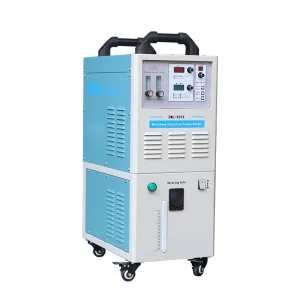
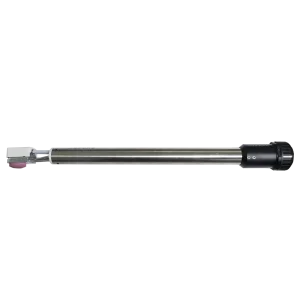
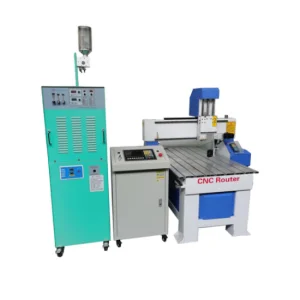
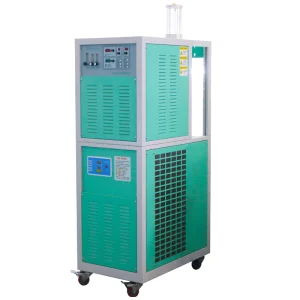
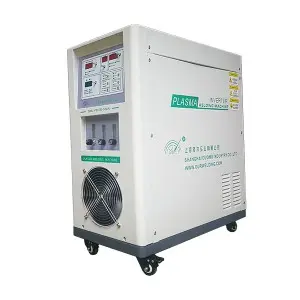
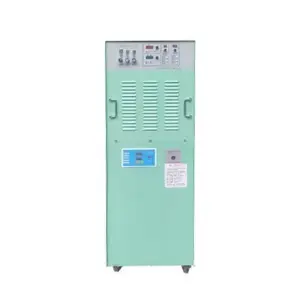
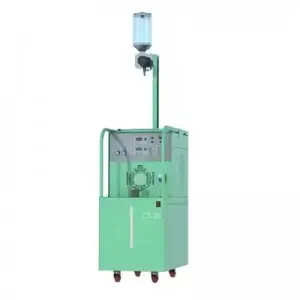
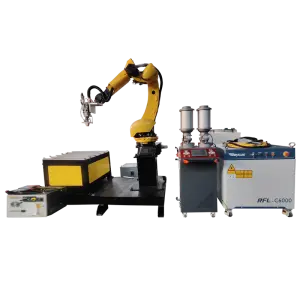
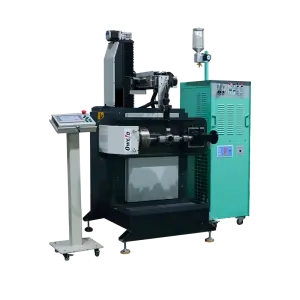
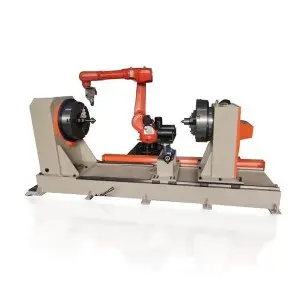
Explore our industrial grade configurations optimized for high duty cycle surface restoration and wear resistance.
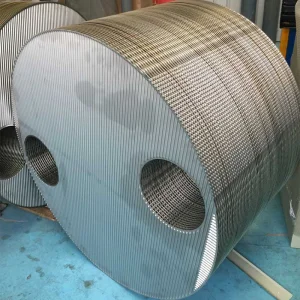
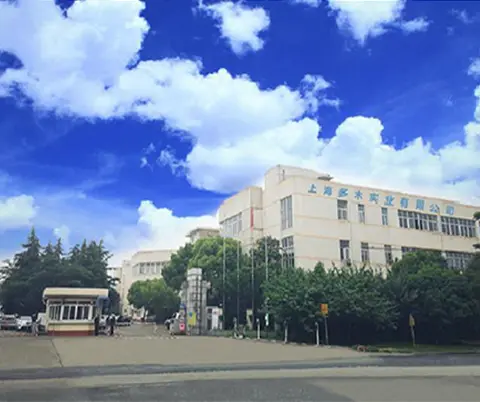
Shanghai Duomu has been a leading manufacturer and exporter of PTA cladding machine and Laser cladding machine for more than ten years with a strong technical background. Our dedication to optical precision, structural thermal management, and reliable alloy metallurgy defines our market-leading reputation.
By constantly researching and iterating on the mechanical dynamics of laser and plasma cladding heads, we deliver robust solutions that reduce downtime and elevate process capability. Our systems run stably under continuous loads, ensuring the integrity of deposit layers across demanding metallurgical setups.
Read More About UsIn modern high-speed laser deposition, the laser cladding head represents the critical nexus where optical energy and material feedstock converge. The engineering challenges involved in handling power ranges from 4 kW up to 20 kW require a sophisticated understanding of thermodynamics, optoelectronic engineering, and fluid dynamics.
"Optimizing the interface between the optical focal plane and the powder convergent stream is key to achieving dilution rates below 5% and minimizing the Heat Affected Zone (HAZ) in critical structural alloys."
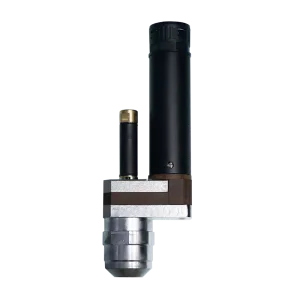
Typical configurations involve coaxial, multi-channel, or off-axis powder feeding designs. Our R&D focuses heavily on coaxial powder nozzle mechanics, where advanced gas dynamics envelope the powder particles in an inert carrier gas stream. This ensures minimum powder scattering, shielding the melt pool from atmospheric oxidation. Future directions show progress toward active nozzle geometries that can shape the powder feed stream to match rectangular or customized beam profiles.
Advanced optical paths inside the cladding head now integrate infrared pyrometry and CCD cameras. By continuously monitoring the thermal signature of the melt pool, closed-loop control systems can dynamically adjust the laser power, travel speed, and powder flow. This prevents thermal accumulation and guarantees uniform hardness profiles over complex, multi-layered deposit structures.
At high power densities, optical elements absorb trace amounts of laser energy, causing refractive index variations known as "thermal lensing." Shanghai Duomu mitigates this by implementing proprietary quartz materials, anti-reflective optical coatings optimized for 1060-1080 nm wavelengths, and dual-loop water cooling circuits surrounding both the collimating and focusing optics blocks.
Deploying specialized cladding technologies across major heavy industries to prolong mechanical component lifetime.
Enhancing wear plates, soil tillers, and cutter blades with ultra-hard cobalt-based or carbide overlays to survive severe abrasive environments.
Precision refurbishment of gas turbine components, titanium structural members, and high-temperature alloy compressor sections.
Applying corrosion-resistant nickel-chromium superalloys onto drill stems, marine risers, valves, and stabilizer surfaces.
Thermal fatigue cladding of roll guides, casting mold copper plates, and heavy forging dies subject to thermal shock cycles.



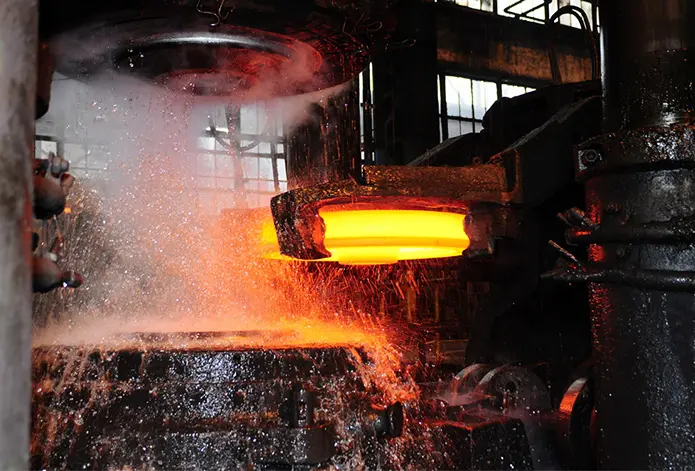
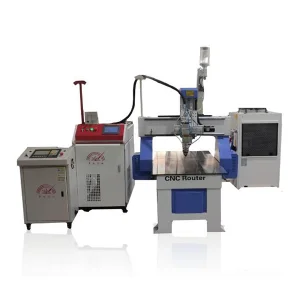
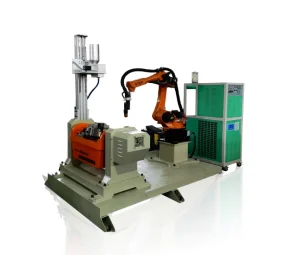
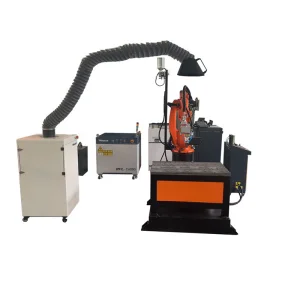
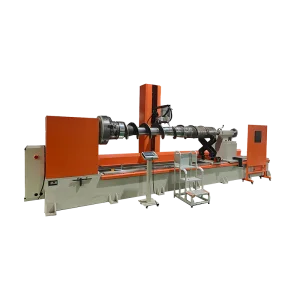
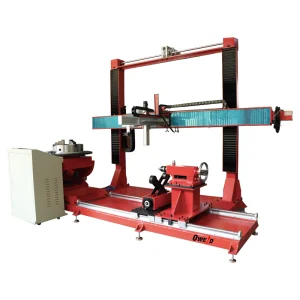
We boast an independent R&D team that designs, programs, and configures both custom robotic configurations and large gantry-type plasma/laser cladding stations. This end-to-end expertise allows Shanghai Duomu to develop the cladding nozzle geometries alongside the electronic control systems for unified system operation.
Our cladding solutions are designed to satisfy demanding heavy remanufacturing demands. We offer complete hardware configurations, customized system programming, and mechanical integration support, ensuring clients transition smoothly from conventional welding processes to high-throughput cladding lines.
Get Technical Support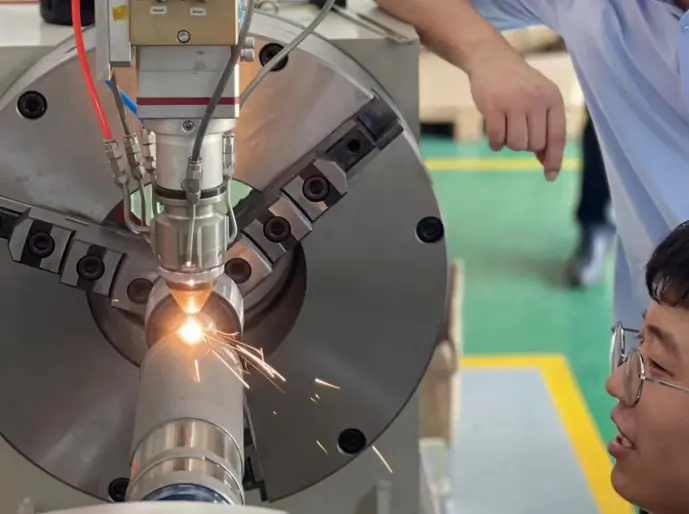
In the globalized industrial equipment market, sourcing from China-based advanced factories provides decisive structural advantages. At Shanghai Duomu, we leverage a comprehensive domestic supply chain to manufacture, calibrate, and ship cladding systems with highly competitive turnaround cycles.
Our factory controls the manufacturing sequence from base casting processing to optoelectronic lens assembly in cleanrooms. By localizing raw materials, optical machining, CNC components, and structural housings, we minimize exposure to international shipping and trade interruptions. Standardized processes ensure that every laser cladding nozzle undergoes strict helium-leakage checks and high-pressure water channel testing before leaving the floor.
Through active CNC manufacturing scheduling and lean warehousing practices, we offer scalable manufacturing capacities that handle volume runs for OEMs without sacrificing detail on customized orders. This optimization results in accessible pricing structures, shorter manufacturing schedules, and direct access to specialized engineers during design iterations.
For international buyers and procurement managers, ordering industrial machinery demands strict adherence to performance metrics, material traceability, and regulatory compliance. We structure our systems to simplify global deployment.
Deploying heavy equipment abroad demands reliable support networks. Shanghai Duomu provides diagnostic procedures, standardized optical replacement packages, and remote commissioning services.
We work with distribution partners in major markets to ensure quick delivery of critical parts, such as copper nozzles, protective glass lenses, and collimating lenses. Our technical team is equipped to guide local operators through installation, set-up routines, and optimal parameter development for diverse metals.
Answers to common technical and operational questions regarding laser cladding heads and hardfacing integration.
Explore our industrial range of automatic gantry setups, micro-plasma systems, and multi-axis cladding configurations.
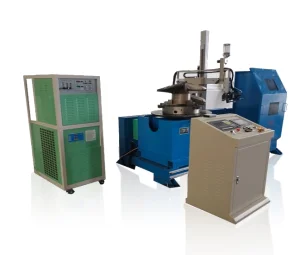
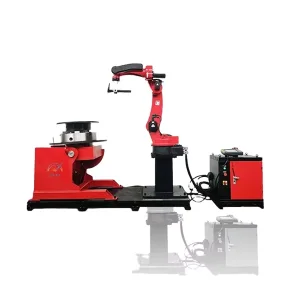
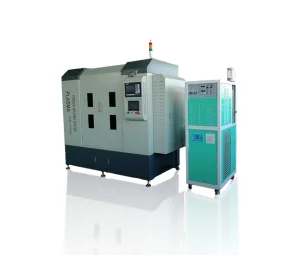
Explore specialized industrial equipment designed for high-precision metallurgical applications.
Real-world studies and industrial applications showing how cladding structures resist high wear and erosion.
The PTA Welding Valve Application Guide is not just a process choice for valve manufacturers facing high wear, high corrosion, and high-temperature erosion working conditions, but also a key path to improving product competitiveness. As industries such as petrochemical...
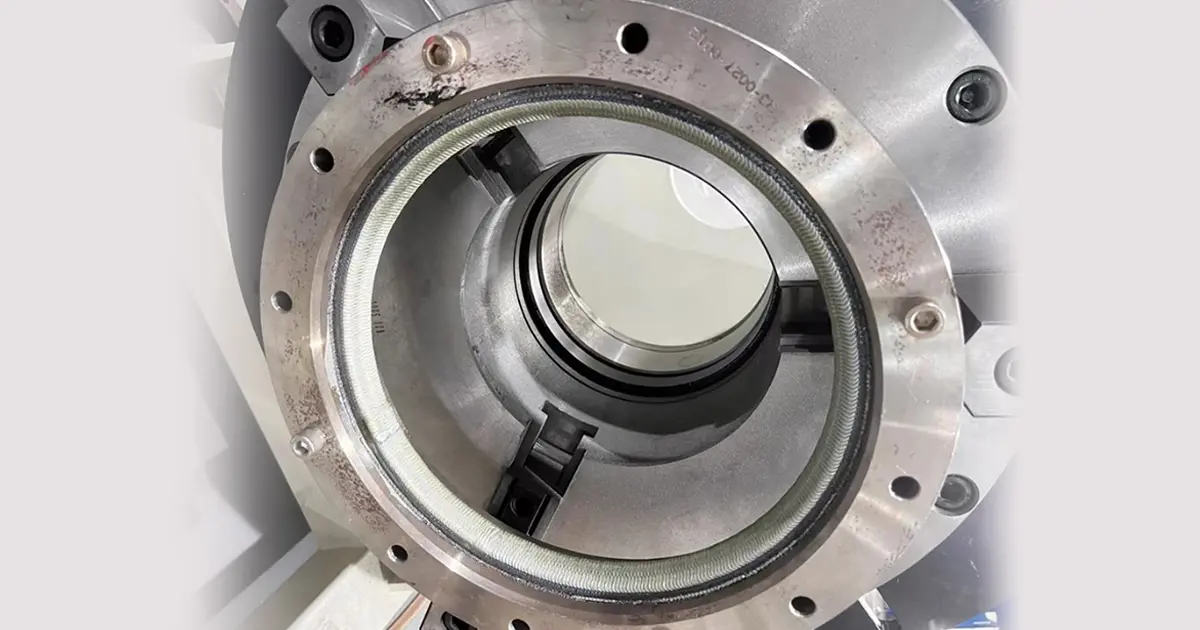 Petrochemical Valve Engineering
In industries such as mining, cement, power generation, steelmaking, chemical processing, and biomass energy, screw conveyors are often regarded as auxiliary equipment. However, maintenance data shows that they are among the most frequent causes of unplanned production d...
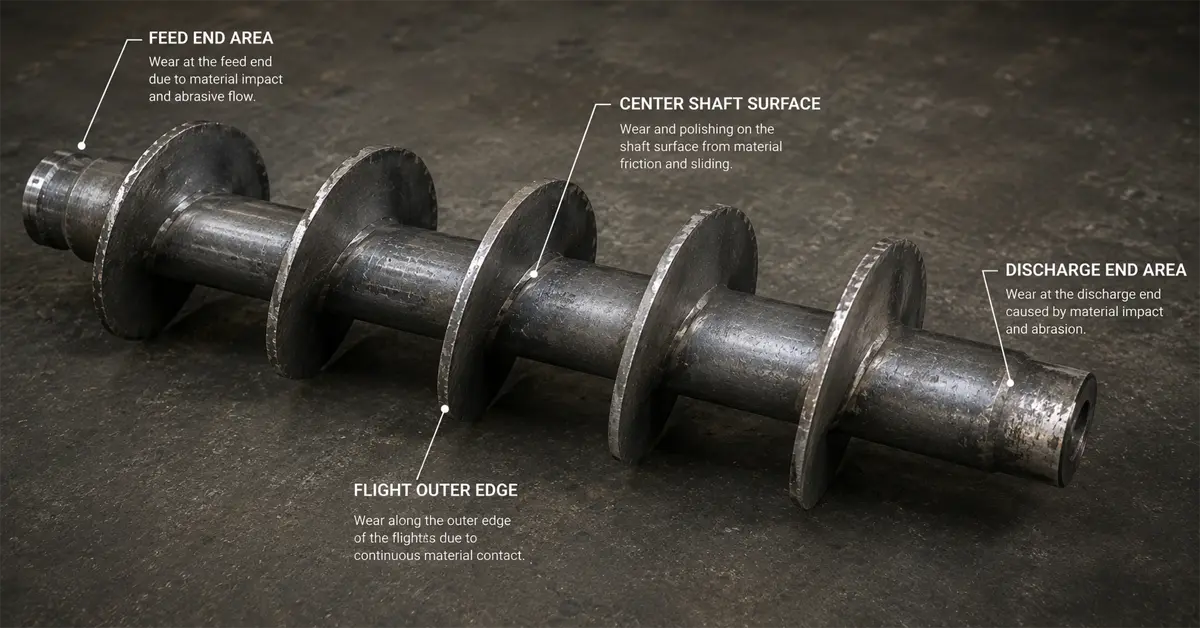 Heavy Machinery Maintenance
In Plasma Transferred Arc (PTA) hardfacing, achieving a high-quality overlay is not only about selecting the right alloy powder or optimizing welding parameters. One of the most critical factors that directly affects overlay performance is the dilution rate. Whether you...
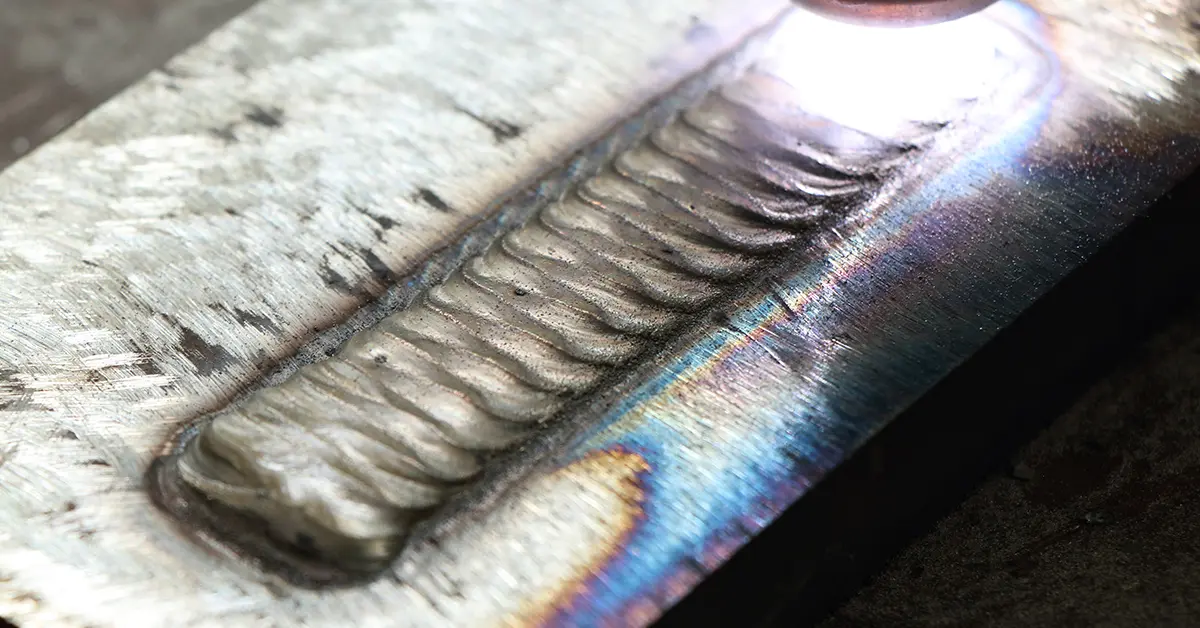 Hardfacing Quality Specialist
Shanghai Duomu follows rigorous manufacturing standards, working alongside domestic and international testing agencies.







 Duomu
Duomu