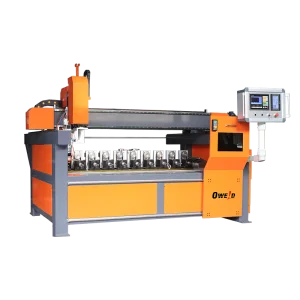
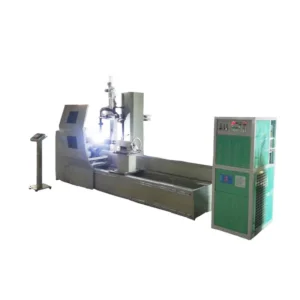
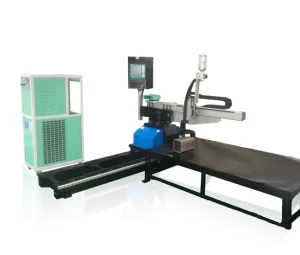
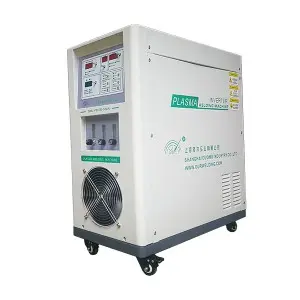
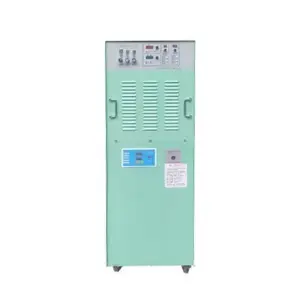
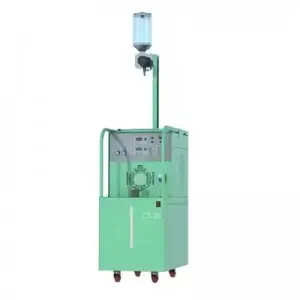
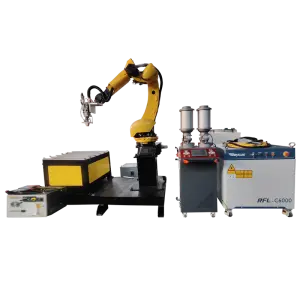
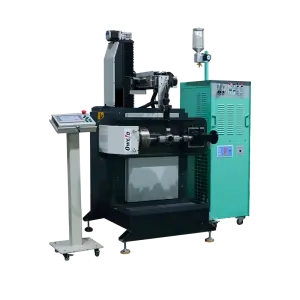
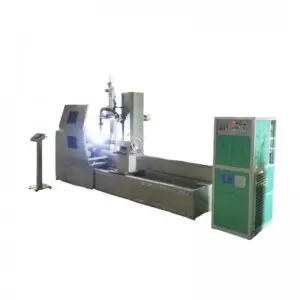
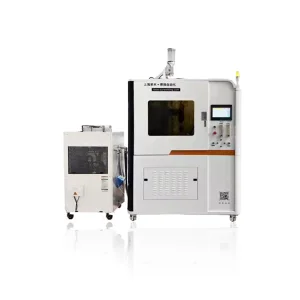
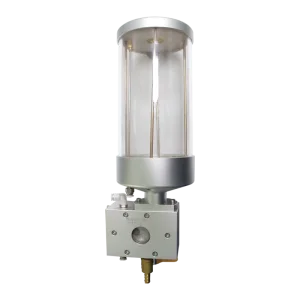
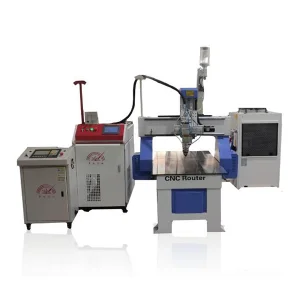
Explore our industrial-grade laser and plasma surfacing hardware engineered to satisfy strict international maritime tolerances and high deposition efficiency requirements.
In modern maritime engineering and shipbuilding, equipment structural integrity faces relentless degradation from saltwater corrosion, mechanical cavitation, severe silt abrasion, and high-load friction. Traditional thermal spraying, electroplating, and arc welding methods often present inherent structural flaws, such as high heat-affected zones (HAZ), low adhesion strength, and environmental disposal issues like Hexavalent Chromium restrictions.
As a leading supplier of industrial metal deposition solutions, Shanghai Duomu has introduced next-generation laser cladding technology to address these critical performance gaps. Laser cladding utilizes a highly focused, high-energy laser beam to melt metallurgical powders—such as Cobalt-based, Nickel-based, or Tungsten Carbide blends—directly onto the substrate surface. This creates a fully metallurgical bond characterized by minimum dilution (typically less than 5%), exceptional density, and near-zero porosity. The resulting coating enhances the operational life of vital components like rudder shafts, diesel engine cylinder valves, and propeller drive linkages up to 300% to 500% compared to standard uncoated elements.
Our current laser cladding roadmap prioritizes automation, real-time closed-loop parameter control, and the transition toward hybrid subtractive-additive manufacturing. In close collaboration with international marine institutes, our R&D team has mapped out three definitive developmental milestones:
Traditional cladding melts the substrate surface to a significant extent. High-Speed Laser Cladding (EHLA) melts the powder particles while still in the laser flight path, causing them to land on the substrate in a liquid state. This allows feed speeds of up to 200 m/min, dramatically reducing heat input and making it ideal for thin-walled marine shafts and hydraulic tubes.
Our upcoming systems feature real-time melt pool temperature monitoring via infrared cameras and pyrometers. By dynamically adjusting the laser output power within milliseconds, we guarantee uniform cladding layers regardless of geometric variations, preventing thermal cracking in complex alloy surfaces.
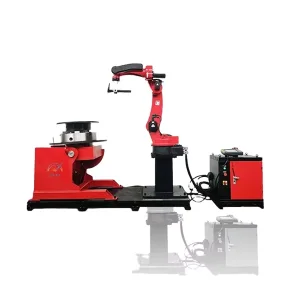
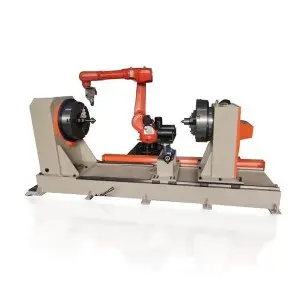
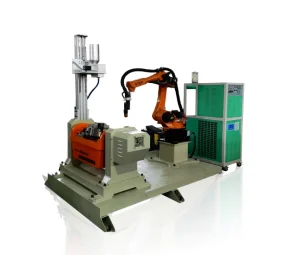
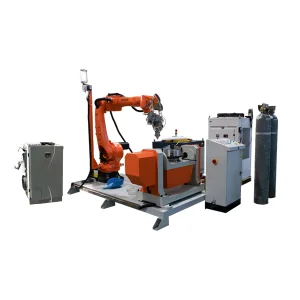
By pairing 6-axis robotic arms with customized multi-dimensional positioning turntables, Duomu allows complex geometries—such as massive helical propeller blades and dual-eccentric cams—to be processed with absolute CNC path accuracy.
Looking to the future, the integration of artificial intelligence (AI) in generative toolpath programming will allow operators to scan a damaged shipyard component and instantly generate an optimized robotic cladding path. This reduces manual setup times by over 80%, providing shipyards with rapid repair options that minimize costly drydock times.
The maritime industry demands specialized surface treatments that comply with stringent class rules (such as DNV GL, Lloyd’s Register, and ABS). Below is an analytical breakdown of our macro solutions engineered to combat common maritime operational failure points:
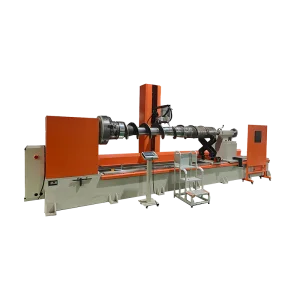
Tail shafts and propeller hubs suffer from continuous crevice corrosion and electrochemical degradation. Our gantry-style laser cladding setups deposit high-density Nickel-Chromium-Silicon-Boron alloys, creating an impermeable barrier against seawater infiltration without risking the shaft's core structural temper.
Heavy-duty marine diesel engines operate using heavy fuel oil (HFO), generating corrosive sulfurous compounds at temperatures exceeding 600°C. PTA and laser hardfacing of Cobalt base Alloys (Stellite 6 & 12) onto exhaust valve seats ensures thermal stability and high-temperature erosion resistance.
Offshore crane cylinders, steering gears, and hatch cover pistons are constantly exposed to salty atmospheric spray. Traditional chromium plating is prone to micro-cracking and eventual flaking. Laser-deposited overlay materials yield a dense, micro-crack-free structure with excellent sliding wear characteristics.
At present, Shanghai Duomu's products have penetrated into many fields such as aerospace military industry, nuclear power, petrochemical industry, coal mines, metallurgy and forging, agriculture, water conservancy, electric power, and shipbuilding.

Extending life of ploughshares, rotary cultivators, and feeding screws against severe soil erosion.

Ultra-precise metallurgical repairs on turbine blades and high-strength titanium airframe structures.

Wear-resistant carbide surfacing for drill stabilizers, mud motor rotors, and downhole tooling.
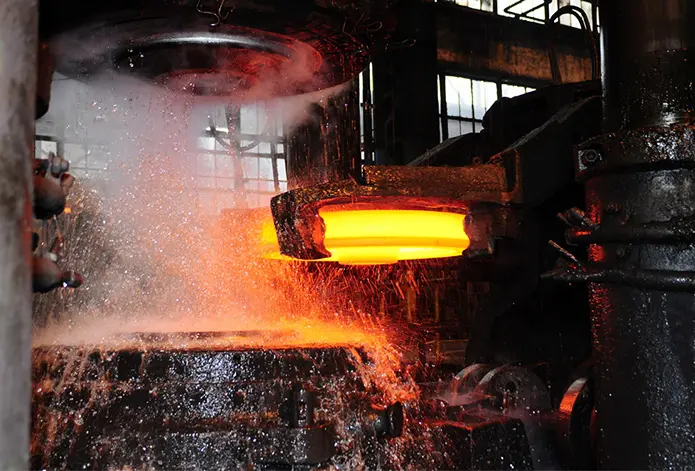
High-temperature thermal fatigue protection on continuous casting rolls and forge dies.
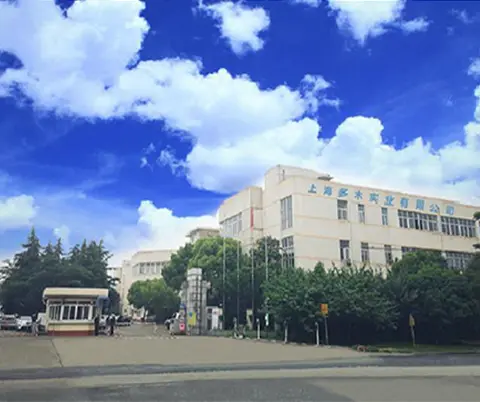
Leading manufacturer and exporter of PTA cladding and Laser cladding systems for over a decade.
Shanghai Duomu has been a leading manufacturer and exporter of PTA cladding machine and Laser cladding machine for more than ten years with a strong technical background. Armed with extensive industry experience and state-of-the-art laboratory facilities, our machines serve global sectors striving to achieve carbon-neutral remanufacturing goals.
By focusing on reliability, high deposition rates, and precise energy input control, our systems have enabled global partners to significantly reduce raw material usage while extending the duty cycles of critical industrial components.
Read More Details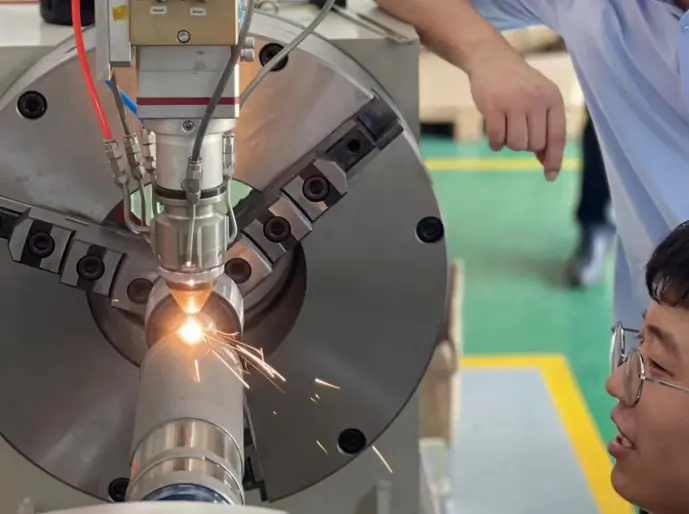
I have an independent R&D team, which develops, produces and sells plasma cladding machine equipment. The welding machine has stable performance and can maintain efficient long-term operation. In addition, the laser cladding equipment sold by the company can effectively support large-scale remanufacturing projects. We have mature technological means to provide complete sets of industrial equipment solutions.
From custom software integration to specialized high-load cladding nozzles, our engineering division supports heavy-duty shipyards and marine repair operators in achieving automated, error-free cladding workflows.
Get in touch with an engineerOperating from Shanghai, Duomu leverages the unique logistical and manufacturing ecosystem of China's premier advanced industrial hub. This environment allows us to optimize supply chains and shorten delivery times, passing significant value back to global procurement managers:
Our production workflow is governed by strict ISO 9001:2015 frameworks. Every high-energy diode laser module, optical fiber, and hydraulic valve used in our equipment is logged, inspected, and serialized for long-term maintenance tracking.
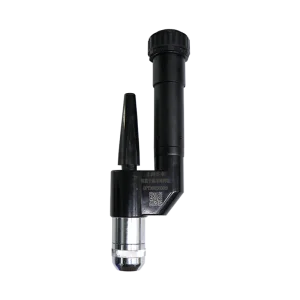
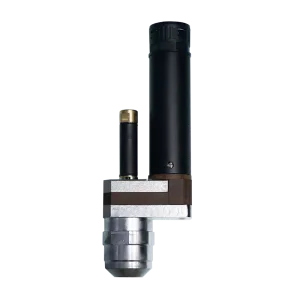
Unlike simple system integrators, we manufacture our own plasma torches, laser heads, and powder feed units. This deep level of vertical integration guarantees seamless communication between hardware subsystems and prevents cross-brand protocol conflicts.
By combining localized component sourcing with optimized engineering workflows, Duomu delivers high-precision systems at a cost-performance ratio that allows shipyards to rapidly achieve system amortization.
For international buyers in Europe, the Americas, and Southeast Asia, buying industrial cladding machinery involves strict risk assessment procedures. Shanghai Duomu provides clear documentation and support to ensure compliance at every stage of the procurement cycle:
To ensure high-uptime operations in active shipyards, Duomu provides global remote diagnostic support, emergency parts supply channels, and on-site training solutions for your welding engineers.
By using remote IoT interfaces, our technicians can securely log into your system to calibrate parameters, update cladding path profiles, and diagnose electronic components instantly, cutting down waiting times from days to hours.
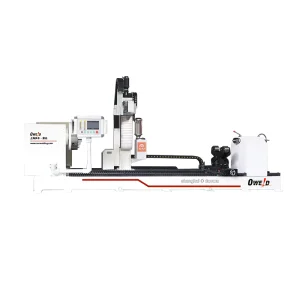
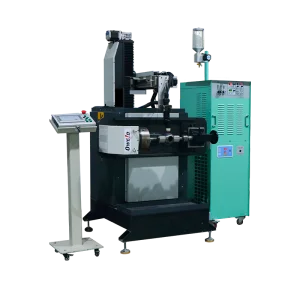
We can provide customized equipment, automatic laser cladding equipment, automatic plasma cladding equipment, intelligent robot cladding equipment, etc. according to customers' requirements, including special equipment in the industry, such as hydraulic rod cladding machine, pick cladding machine, valve cladding machine, etc.
Gain deep insights into industrial parameters, material configurations, and structural guidelines recommended by our top metallurgists.
Hear from engineering directors and heavy equipment operators utilizing Shanghai Duomu’s surfacing systems globally.
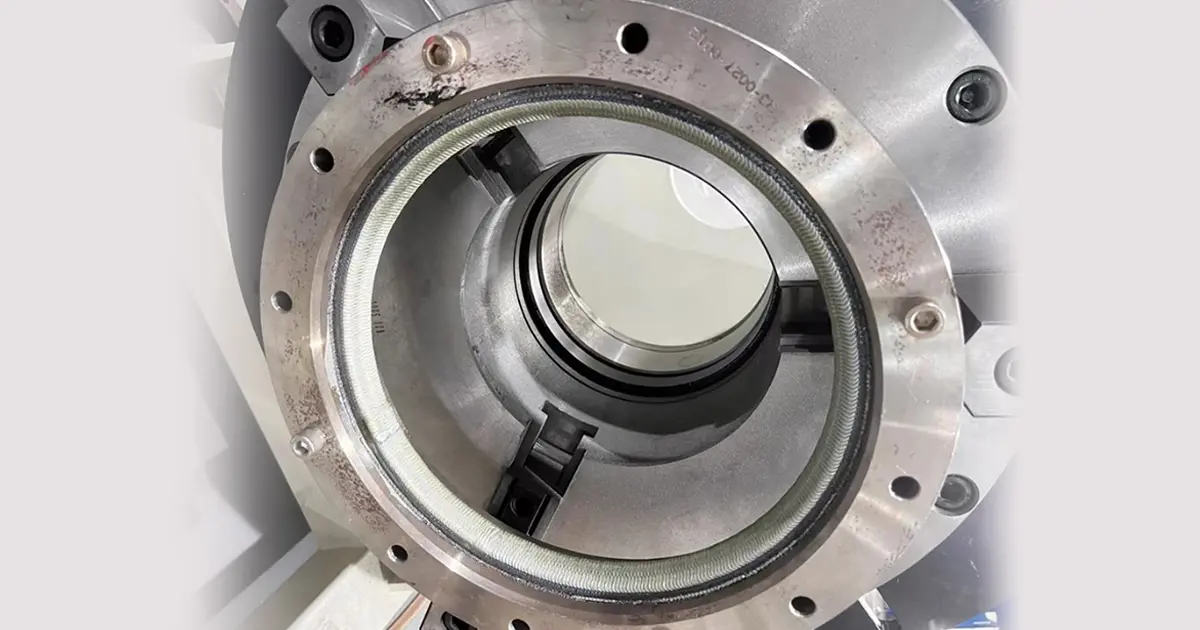
"The PTA Welding Valve Application Guide is not just a process choice for valve manufacturers facing high wear, high corrosion, and high-temperature erosion working conditions, but also a key path to improving product competitiveness."
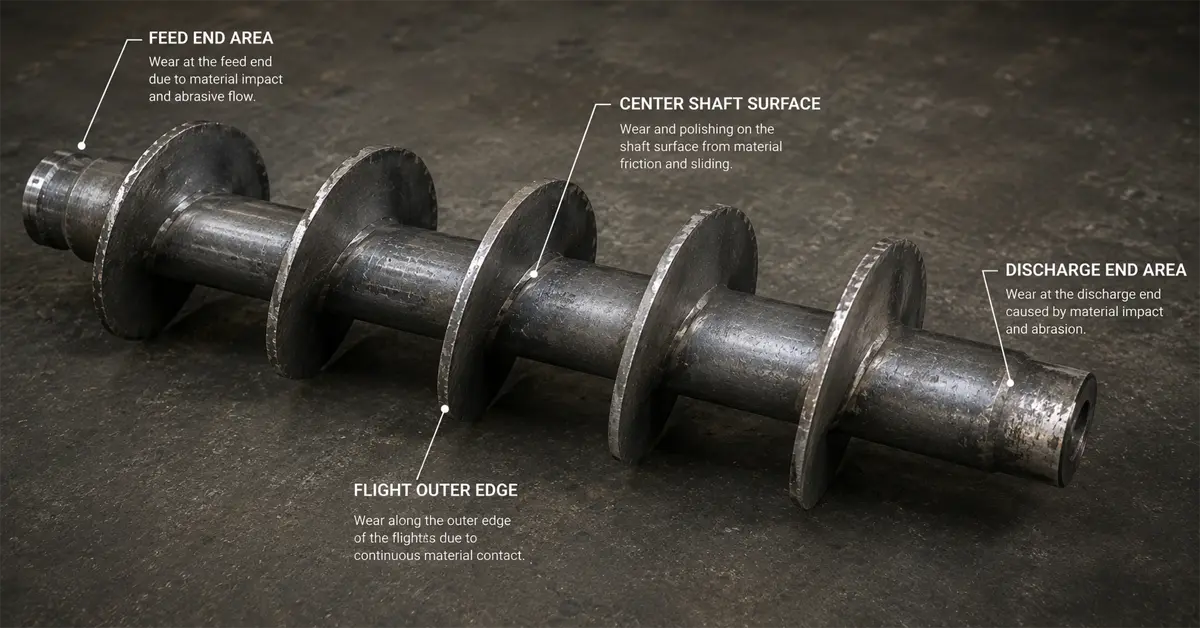
"In industries such as mining, cement, power generation, steelmaking, chemical processing, and biomass energy, screw conveyors are often regarded as auxiliary equipment. However, maintenance data shows that they are among the most frequent causes of unplanned production delays unless cladded."
"In Plasma Transferred Arc (PTA) hardfacing, achieving a high-quality overlay is not only about selecting the right alloy powder or optimizing welding parameters. One of the most critical factors that directly affects overlay performance is the dilution rate. Shanghai Duomu has cracked the code on precision control."
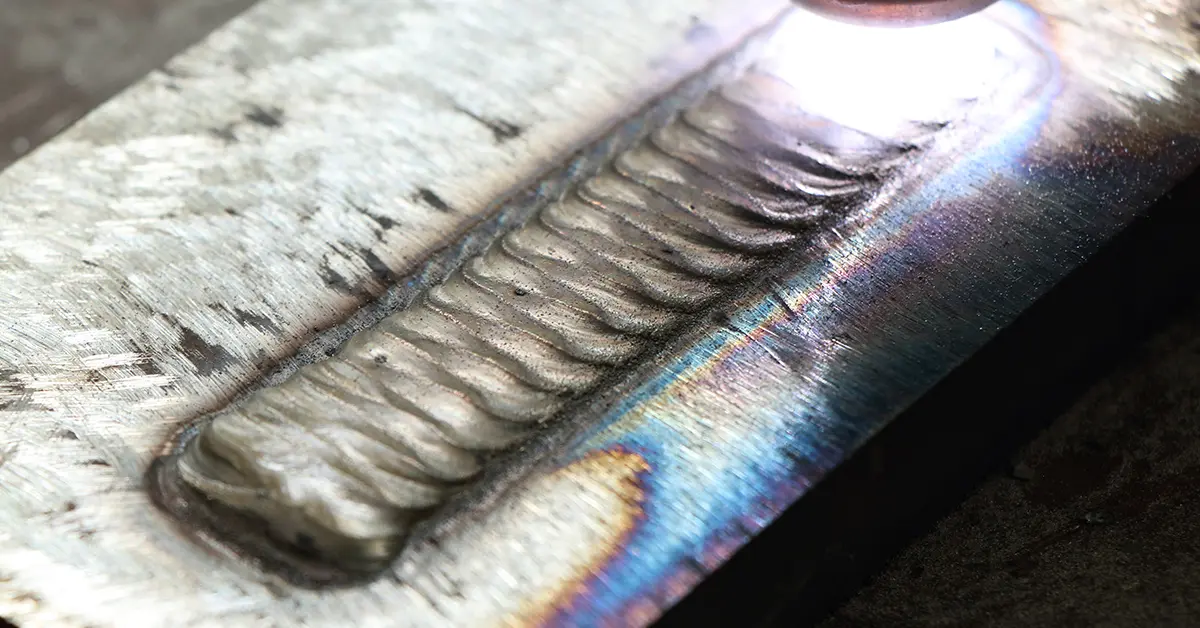
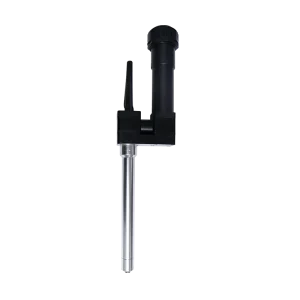
Additional systems, assemblies, and torches engineered for automated industrial production lines and manual repairs.







 Duomu
Duomu