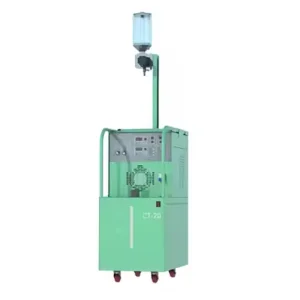
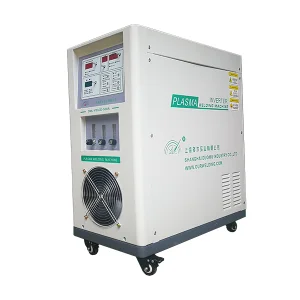
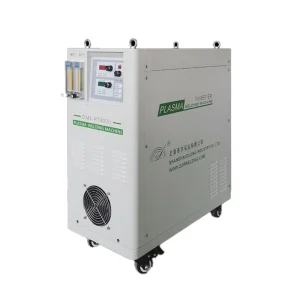
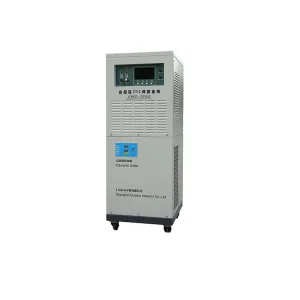
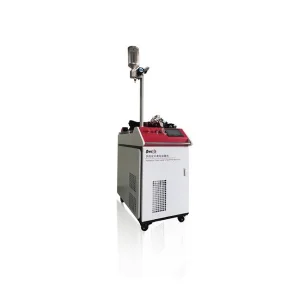
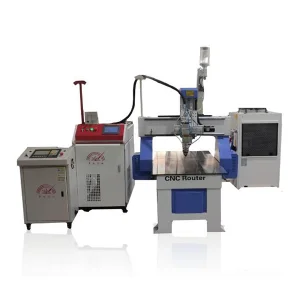
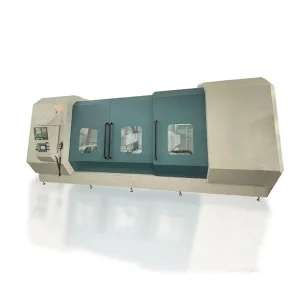
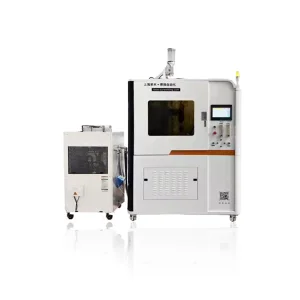
High-efficiency plasma powder and laser surfacing equipment engineered for local heavy manufacturing, marine operations, and aerospace applications.
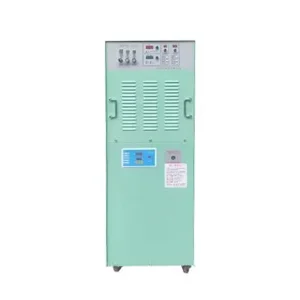
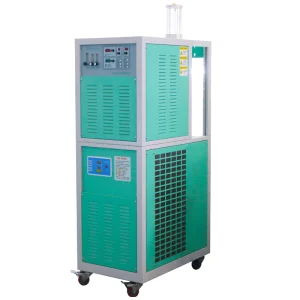
The Greater Philadelphia area and the wider Delaware Valley have long served as a vital node in America’s industrial architecture. Home to marine manufacturing at the Philadelphia Navy Yard, refining and chemical processing facilities in the Delaware corridor, and specialized defense and aerospace installations, the region requires severe-service industrial machinery. Components in these fields endure extreme mechanical wear, abrasive friction, high temperatures, and chemical corrosion. Historically, these parts were periodically replaced at significant capital expense, leading to lengthy production downtimes.
Today, Philadelphia's heavy industries are shifting toward advanced surface remanufacturing technologies. Laser cladding and Plasma Transferred Arc (PTA) welding have emerged as the premier technologies for extending component service life. By depositing high-performance alloys, superalloys, and metal matrix composites (MMCs) onto lower-cost structural substrates, local enterprises can achieve superior surface characteristics while reducing total cost of ownership (TCO) and boosting supply chain resilience.
For procurement managers and metallurgical engineers in the Philadelphia market, selecting between Laser Cladding and PTA processes depends on specific application tolerances:
Integrating multi-axis CNC gantries and multi-joint industrial robots has automated both technologies. This ensures consistent deposition geometry and repeatabilities of ±0.05mm across complex 3D paths.
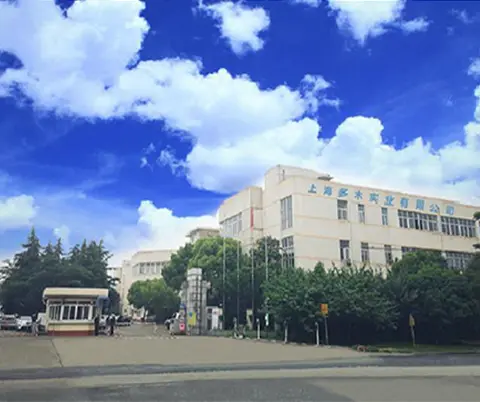
Shanghai Duomu has been a leading manufacturer and exporter of PTA cladding machines and Laser cladding machines for more than ten years with a strong technical background. Our equipment provides surface protection and component restoration for various global industries.
With a comprehensive R&D team and state-of-the-art manufacturing facilities, we deliver solutions that match the highest performance requirements of global industries, including our partners in the Philadelphia metropolitan industrial hubs.
We have an independent R&D team that develops, produces, and sells plasma cladding machine equipment. Our welding machines deliver stable performance and maintain efficient, long-term operation.
Additionally, the laser cladding equipment sold by the company supports large-scale remanufacturing projects. We utilize mature technological processes to provide complete sets of industrial equipment solutions, offering tailored configurations from optical heads to powder feeders.
Connect with our Engineering Team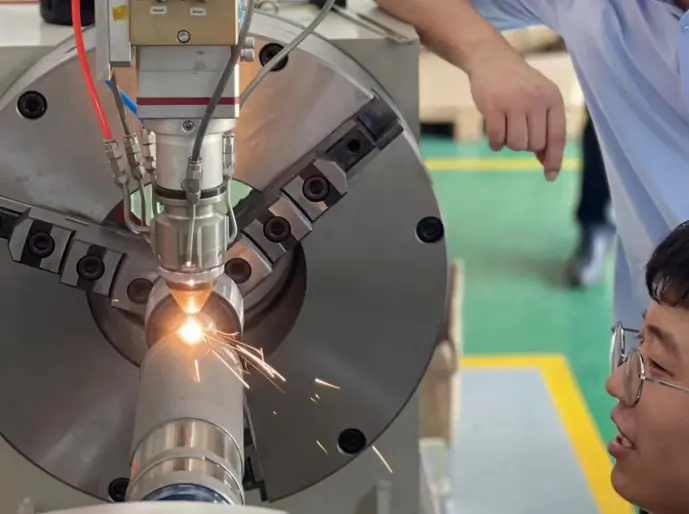
At present, our products have penetrated into many fields such as aerospace, defense, nuclear power, petrochemical industry, coal mines, metallurgy and forging, agriculture, water conservancy, and electric power.


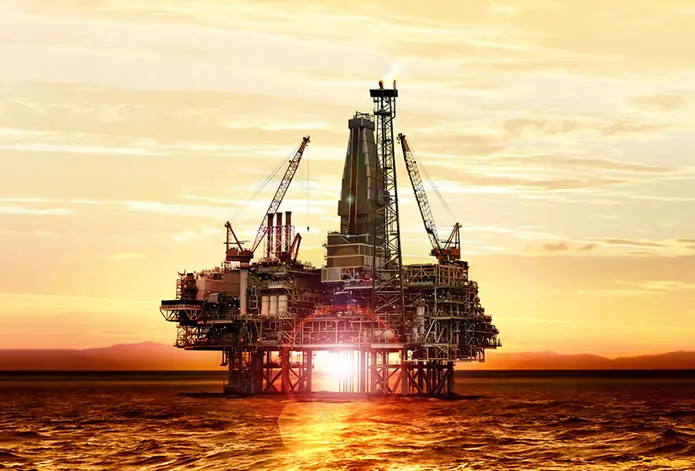
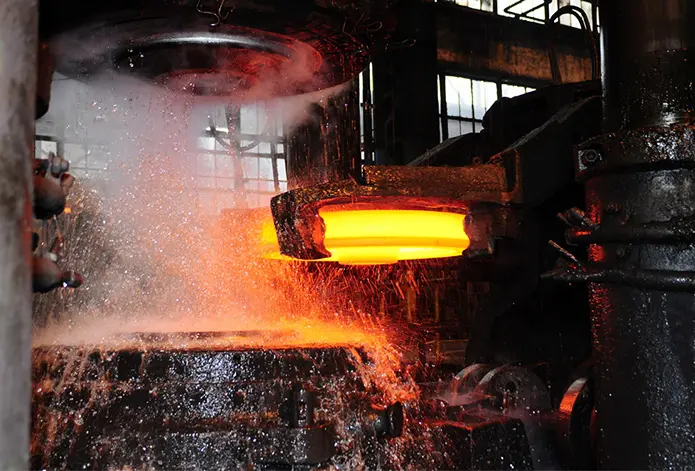
Operating from the hub of advanced manufacturing in Shanghai, our facilities incorporate Industry 4.0 standards. Through end-to-end supply chain integration, automated parts machining, and in-house laser testing laboratories, we reduce capital equipment costs by 35% to 50% compared to Western-sourced equipment—without compromising component tolerances or performance.
For procurement officers in Philadelphia seeking to hedge against supply chain volatility, Shanghai Duomu provides resilient delivery cycles. We source certified high-grade optical elements, high-precision drives, and structural steels from stable domestic and global supply networks, assuring parts availability and system runtimes.
When evaluating global cladding manufacturers for US integration, ensure your supplier meets the following parameters, which Shanghai Duomu supports as standard:
Explore our production-ready systems, custom CNC gantries, robot-arm platforms, and proprietary torches.
In high-stakes industrial environments, such as petrochemical refineries along the Delaware River or power plants in eastern Pennsylvania, the failure of a valve trim or a turbine rotor can lead to millions of dollars in lost revenue. To avoid such outages, engineers must focus on metallurgical details like dilution rate control and the heat-affected zone (HAZ).
Traditional manual arc welding processes (SMAW, GMAW) often lead to dilution rates exceeding 15%. This means the cladding alloy mixes heavily with the base metal, altering the chemical composition of the surface layer. As a result, multiple layers are required to achieve the desired wear properties.
By contrast, Shanghai Duomu's precision laser cladding systems and PTA systems control heat input parameters to limit dilution to less than 5% (and down to 1% in laser cladding). This guarantees that the cladding layer retains its metallurgical properties—such as the high chromium and cobalt concentrations in Stellite™ alloys or the corrosion-resistant nickel matrix in Inconel™ overlays—in a single layer. The resulting thermal profile minimizes tensile residual stresses, preventing micro-cracking and component distortion.
Our research and development division supports a wide range of specialized alloy powders designed to combat specific wear modes:
See how our hardfacing technology extends service life and reduces maintenance costs for our global customers.
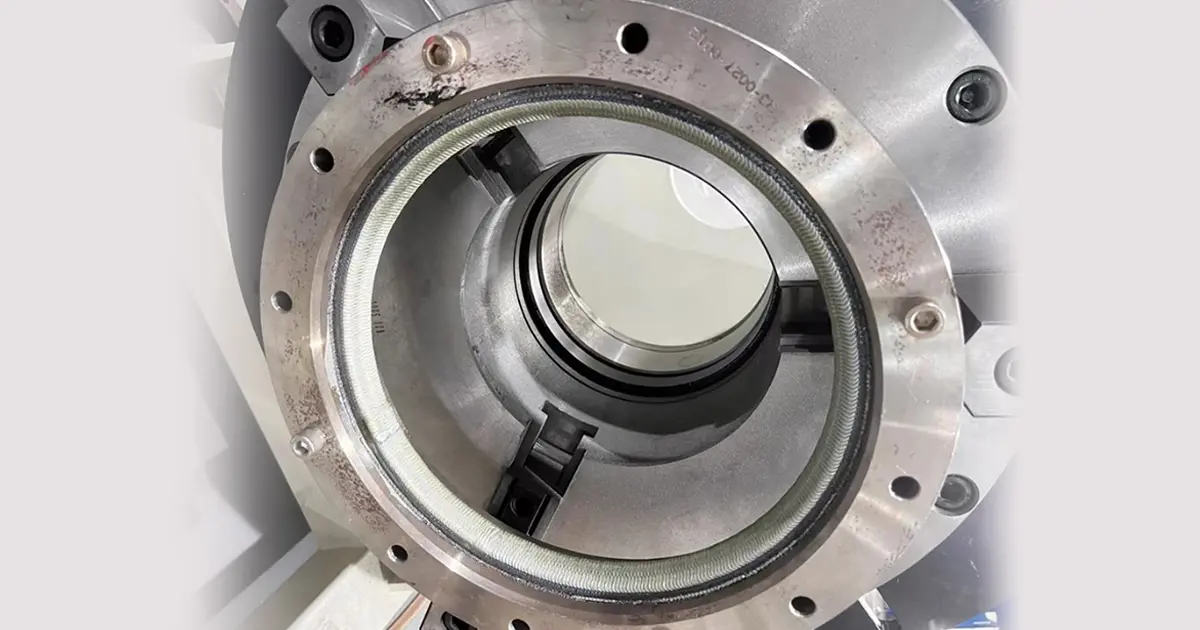
"The PTA Welding Valve Application Guide is not just a process choice for valve manufacturers facing high wear, high corrosion, and high-temperature erosion working conditions, but also a key path to improving product competitiveness. As industries such as petrochemical, gas, and power generation push for higher pressures, our valve surfaces must remain defect-free."
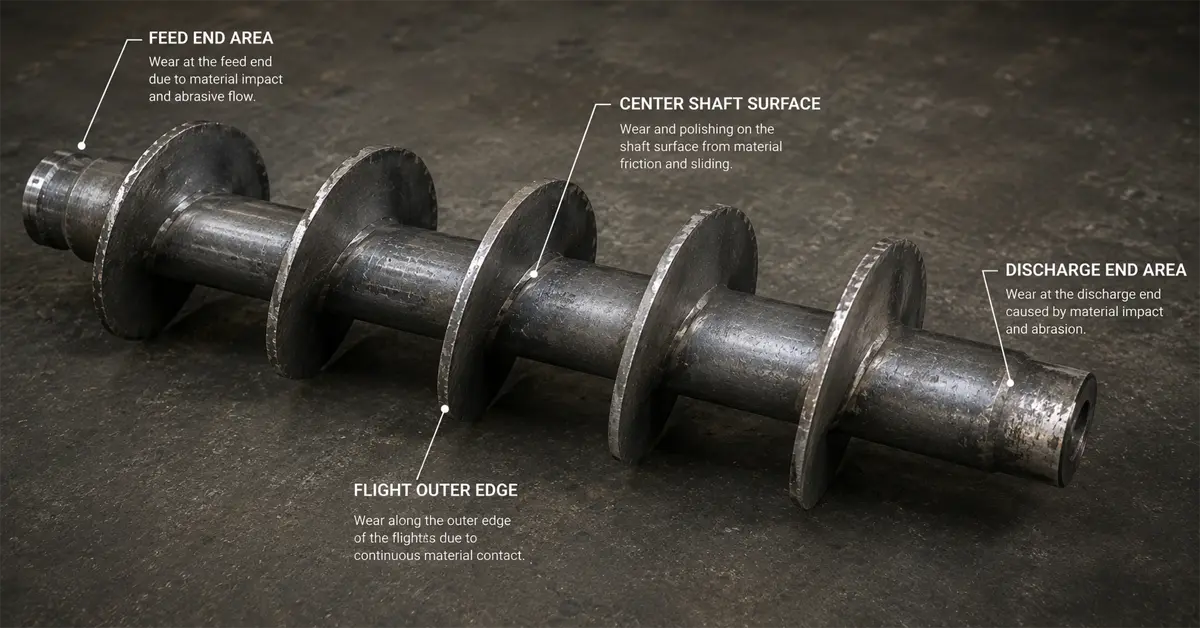
"In industries such as mining, cement, power generation, steelmaking, chemical processing, and biomass energy, screw conveyors are often regarded as auxiliary equipment. However, maintenance data shows that they are among the most frequent causes of unplanned production shutdowns. Applying tungsten carbide matrix PTA cladding has increased conveyor runtimes threefold."
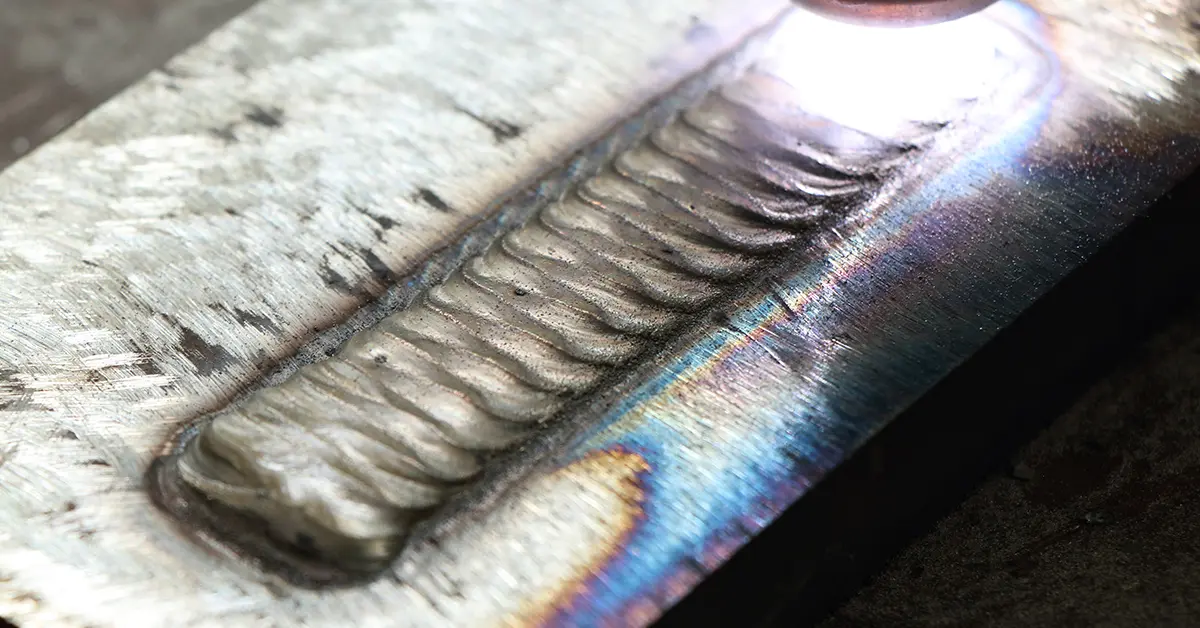
"In Plasma Transferred Arc (PTA) hardfacing, achieving a high-quality overlay is not only about selecting the right alloy powder or optimizing welding parameters. One of the most critical factors that directly affects overlay performance is the dilution rate. Keeping dilution under 4% has allowed us to eliminate second-pass overlay steps."




Answers to technical and logistics questions for users sourcing advanced cladding equipment in the Philadelphia and US markets.
For standard plasma or laser cladding systems, engineering design and fabrication take 8 to 12 weeks. Custom installations, such as multi-axis CNC gantries or robotic cells, require 14 to 18 weeks. Sea transit to Philadelphia or other East Coast ports takes approximately 3 to 4 weeks.
We supply step-by-step commissioning guides, wiring schematics, and system videos. Additionally, our service engineers can manage installation, parameter calibration, and operator training via remote channels. On-site commissioning visits are also available upon request.
All export equipment is designed and tested to meet international CE machinery safety and electromagnetic compatibility standards. Power supply cabinets, line protections, and grounding configurations are customized to match local US requirements (e.g., 480V 3-phase, 60Hz setups).
Yes. Our feeding systems work with standard commercial powders from global suppliers, including gas-atomized cobalt, nickel, and iron-base alloys with grain sizes between 50µm and 150µm. This lets you select local suppliers for raw powder materials.
Get in touch with our application engineers for custom equipment configurations, target process design, and pricing options.
 Duomu
Duomu