Engineered for extreme durability, precision repair, and advanced surface hardening across demanding industrial applications.
Comprehensive technological overview, regional adaptation for New Amsterdam, and future manufacturing paradigms.
Laser cladding technology has evolved from a niche laboratory process into an indispensable cornerstone of modern advanced manufacturing and component remanufacturing worldwide. Global industries—ranging from aerospace turbine engineering and oil & gas extraction to heavy marine propulsion and power generation—rely heavily on laser cladding to deposit metallurgical-bonded coatings that dramatically extend operational lifespans. By utilizing high-power fiber lasers to fuse metallic powders onto substrates with minimal heat-affected zones (HAZ), manufacturers achieve exceptional wear resistance, corrosion protection, and thermal fatigue mitigation far superior to conventional thermal spraying or traditional welding techniques.
In New Amsterdam, the convergence of maritime logistics, advanced fabrication, and infrastructure maintenance demands highly specialized engineering solutions. Local manufacturing facilities, port equipment operators, and heavy machinery workshops face severe operating conditions, including saline maritime environments, abrasive particulate wear, and high mechanical stress. Implementing advanced laser cladding and PTA (Plasma Transferred Arc) systems locally allows New Amsterdam industries to transition from frequent, costly component replacement to sustainable remanufacturing. This localized capability significantly reduces supply chain latency, lowers carbon footprints, and ensures maximum operational uptime for critical regional infrastructure.
The future of laser cladding is being reshaped by artificial intelligence, closed-loop melt pool monitoring, and multi-axis robotic automation. Next-generation systems integrate real-time optical sensors and AI-driven feedback loops to dynamically adjust laser power, powder feed rates, and scanning velocity, guaranteeing zero-defect microstructure deposition. As energy transition initiatives accelerate globally and within regional hubs like New Amsterdam, laser cladding will play a critical role in manufacturing hydrogen storage vessels, offshore wind turbine components, and next-generation high-efficiency thermal power systems.
Our state-of-the-art laser and plasma cladding systems deliver robust protection and restoration across multiple heavy-duty industries.
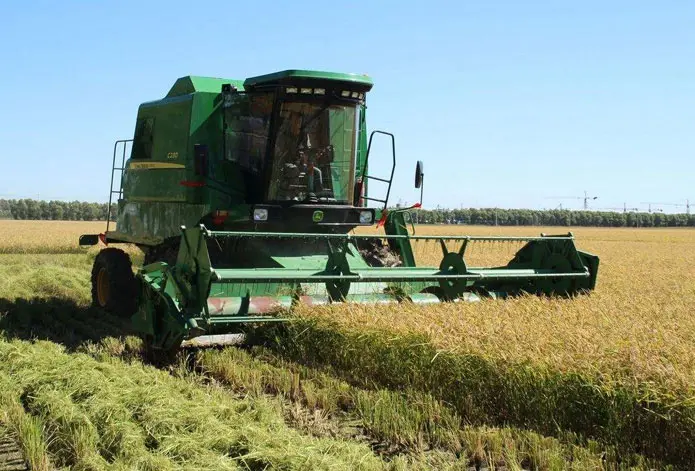
Enhancing soil-engaging tools, cultivator blades, and tractor components against aggressive abrasive wear.

Precision repair of turbine blades, critical structural actuators, and high-temperature alloy components.
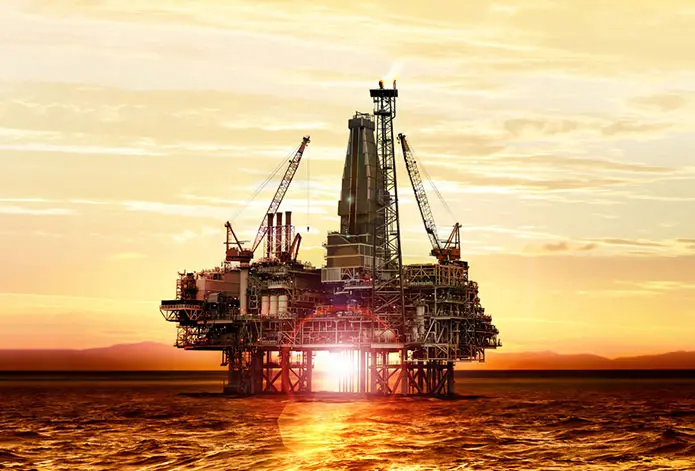
Hardfacing drill collars, gate valves, mud pump rotors, and downhole tools against severe corrosion and erosion.
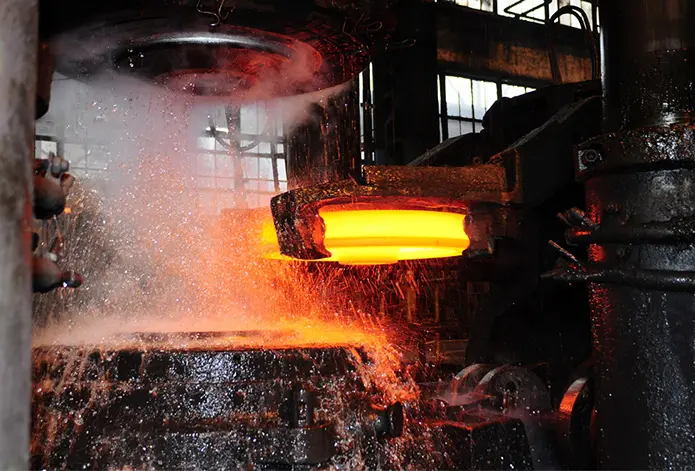
Rebuilding continuous casting rolls, hot-rolling mill guides, and heavy industrial forging dies.
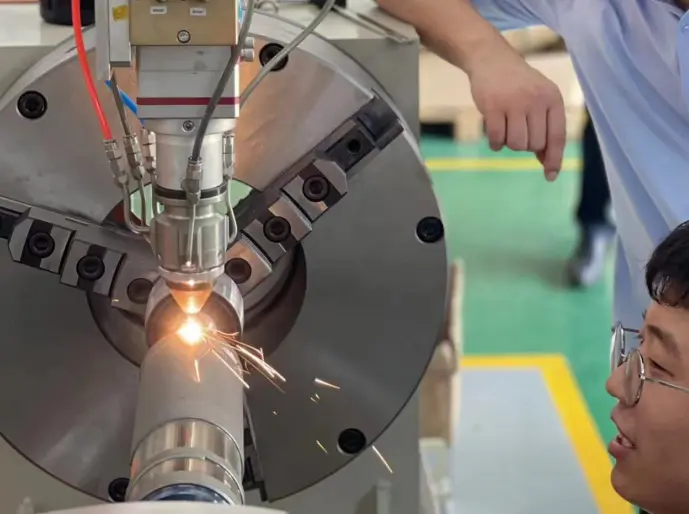
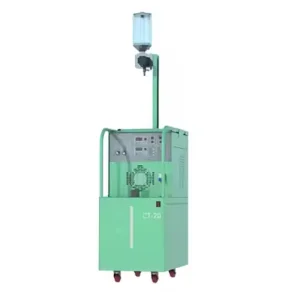
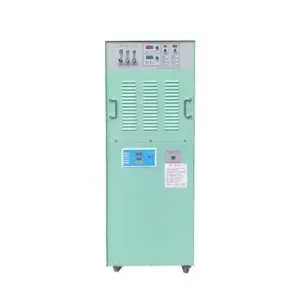
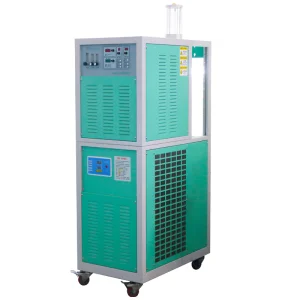
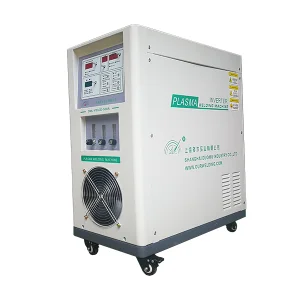
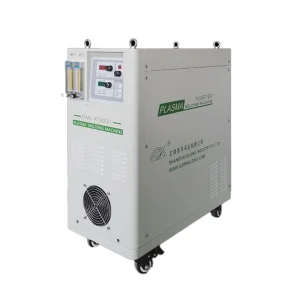
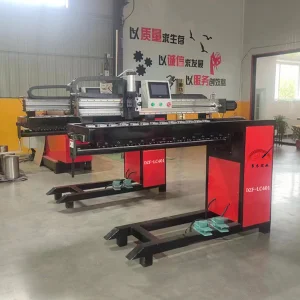
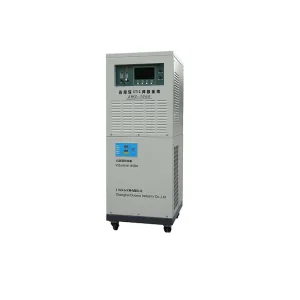
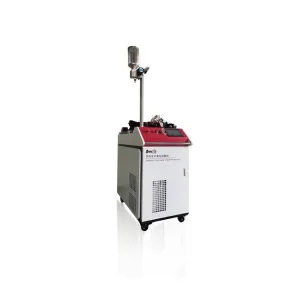
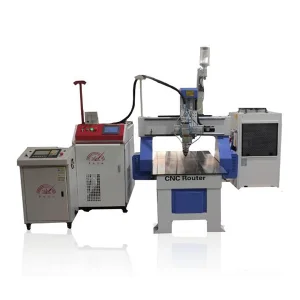
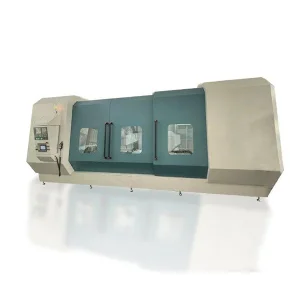
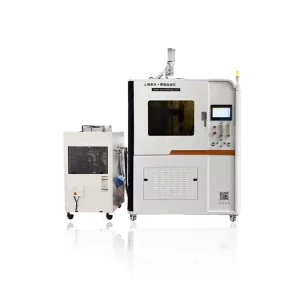
Shanghai Duomu has been a leading manufacturer and exporter of PTA cladding machines and Laser cladding machines for more than ten years with a strong technical background.
We feature an independent R&D team that designs, produces, and optimizes plasma and laser cladding equipment. Our machinery delivers stable, high-performance operation capable of supporting massive industrial remanufacturing projects with turnkey solutions tailored for New Amsterdam enterprises.
Send Inquiry NowExplore our full suite of automated laser cladding, plasma surfacing, and specialized robotic welding solutions.
Optimizing welding parameters, minimizing dilution rates, and extending industrial equipment lifespans.
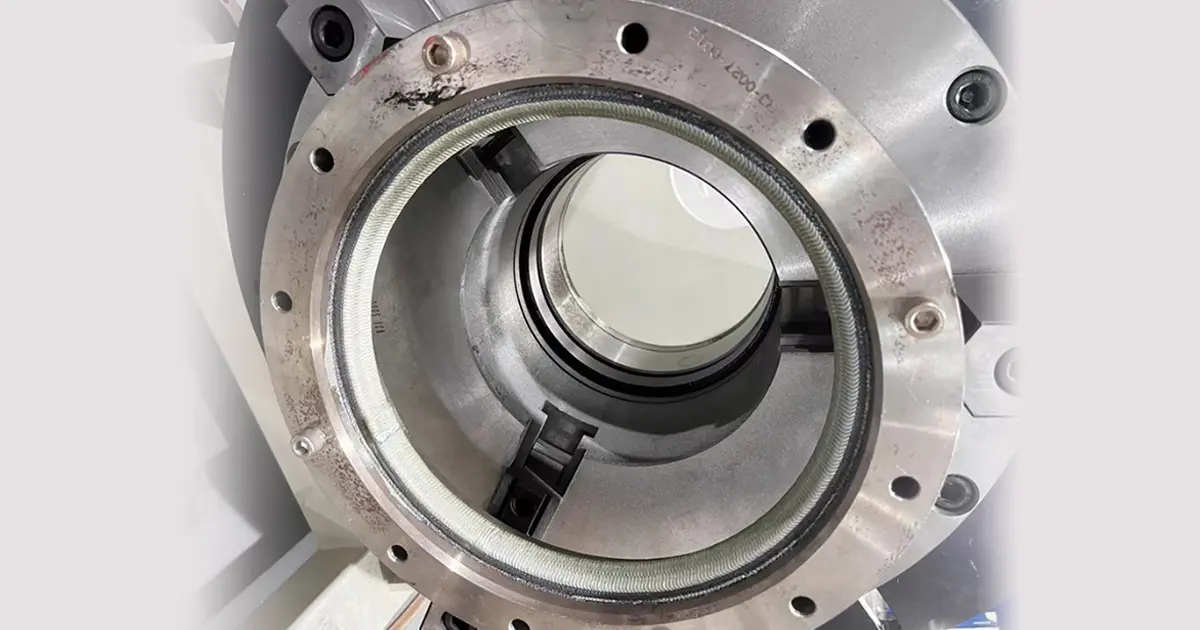
Essential process choices for valve manufacturers facing high wear, corrosion, and extreme temperature erosion.
Learn More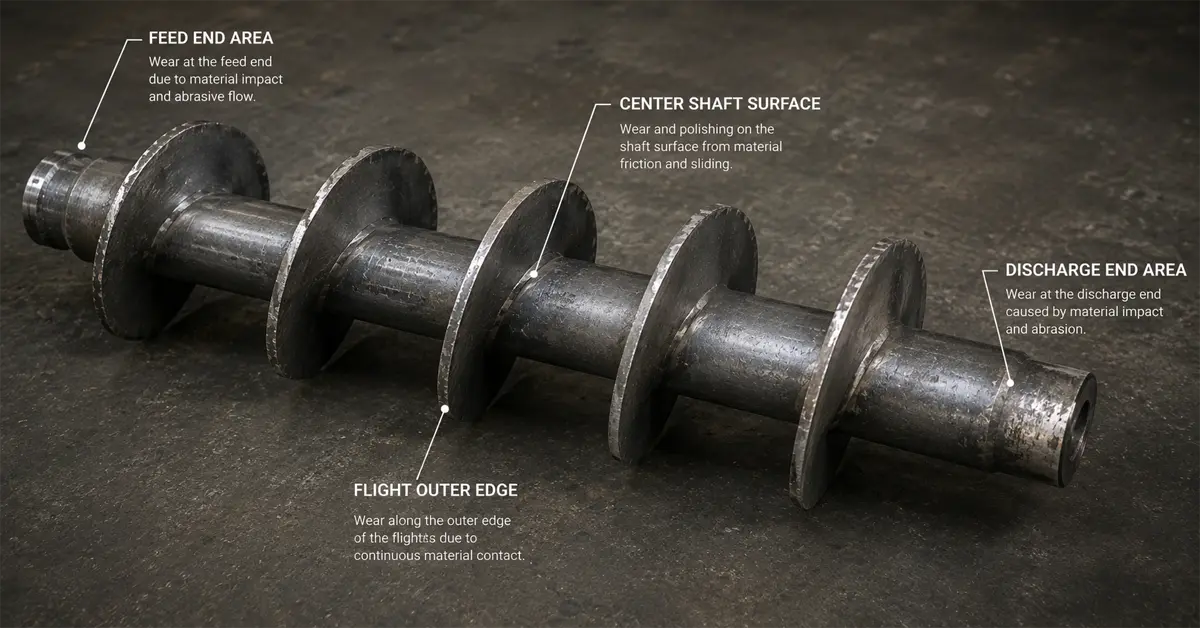
Mitigating unplanned production downtime in mining, cement, and chemical processing facilities.
Learn More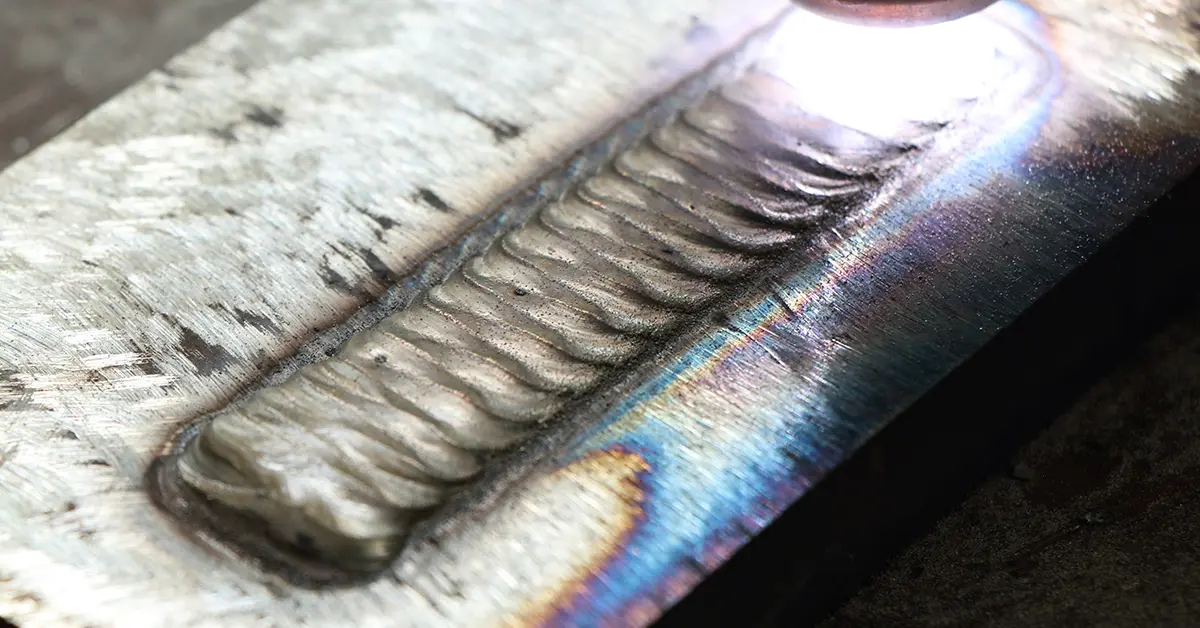
Key metallurgical factors directly affecting overlay performance, alloy bonding, and coating integrity.
Learn MoreExpert answers regarding laser cladding technology, equipment customization, and deployment in New Amsterdam.
Laser cladding forms a true metallurgical bond with the substrate, whereas thermal spraying relies primarily on mechanical bonding. This results in superior peel resistance, near-zero porosity, minimal thermal distortion, and a much longer service life in harsh operating environments.
Yes. We provide fully customized automated laser cladding systems, robotic workstations, and specialized fixtures designed for hydraulic rods, industrial valves, mining picks, and marine components tailored to regional standards.
Our equipment supports a wide spectrum of advanced alloy powders including nickel-based alloys, cobalt-based (Stellite) alloys, stainless steels, tungsten carbides, and titanium alloys, catering to extreme wear and corrosion resistance requirements.
You can easily reach our engineering team by clicking the inquiry button below or visiting our contact page. We guarantee a comprehensive technical and commercial response within 24 hours.
Powering advanced manufacturing and remanufacturing excellence across worldwide industrial sectors.


 Duomu