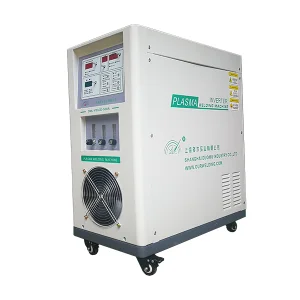
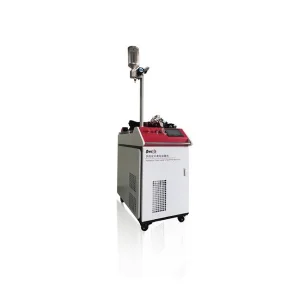
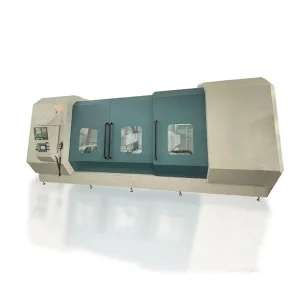
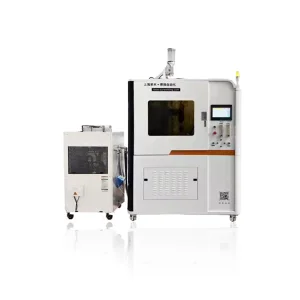
Discover our primary selection of state-of-the-art plasma powder welding systems configured to withstand the rigorous desert operational climates and offshore marine requirements in Egypt.
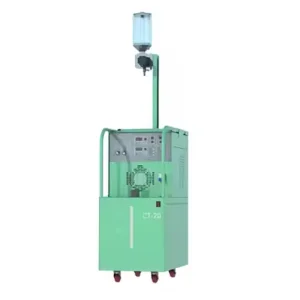
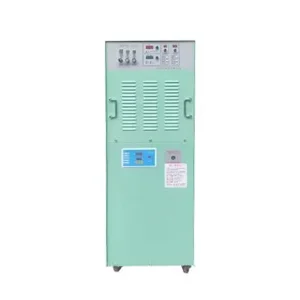
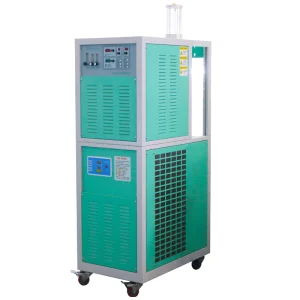
Egypt's industrial landscape is undergoing a massive transformation, driven by Egypt Vision 2030 and the expansion of the Suez Canal Economic Zone (SCZONE). Key sectors, including oil and gas extraction in the Gulf of Suez, maritime maintenance along major global shipping lanes, large-scale cement manufacturing in Helwan and Alexandria, and intensive steel production, are confronting the economic necessity of component lifetime extension. Historically, critical machinery components subject to heavy abrasive wear, erosion, and extreme corrosion were discarded and replaced with imported spares, incurring substantial capital outflow, freight delays, and severe operational downtime.
Today, the strategic deployment of laser cladding and Plasma Transferred Arc (PTA) welding systems offers an unmatched technological solution. Laser cladding uses a high-density laser beam as a heat source to melt alloy powder and fuse it metallurgically to a substrate. This process produces a protective coating characterized by an exceptionally narrow heat-affected zone (HAZ), minimal dilution, and excellent surface properties. In the Egyptian market, localized maintenance facilities are shifting from traditional thermal spraying and manual hardfacing to automated laser cladding. This transition has successfully restored components such as continuous casting rolls, hydraulic cylinder shafts, and high-pressure steam turbines to their original operational tolerances, reducing life-cycle costs (LCC) by up to 75%.
Globally, the industrial wear protection and component remanufacturing sector is moving rapidly toward fully automated, multi-axis robotic cladding workstations. These setups incorporate fiber lasers ranging from 4 kW to over 10 kW. The global market prioritizes high deposition efficiency, precise control of the powder-gas feed stream, and real-time metallurgical temperature monitoring. In advanced manufacturing hubs, laser cladding is no longer classified solely as a repair process. Instead, it is an essential step in new product manufacturing for components such as offshore oil drilling stabilizers, high-load turbine blades, and large agricultural soil-engaging tools.
For Egypt's industrial sector, adopting this technology allows maintenance operations to bypass intermediate, less efficient technical stages and implement advanced manufacturing solutions immediately. High-speed laser cladding (EHLA) and specialized PTA hardfacing systems allow local facilities to overlay cost-effective steel bases with high-performance alloys, including Cobalt-based Stellite, Nickel-based self-fluxing alloys, and Tungsten Carbide (WC) metal matrix composites. This process creates surfaces capable of resisting extreme abrasive wear and corrosive environments, such as those found in marine shipping and chemical processing.
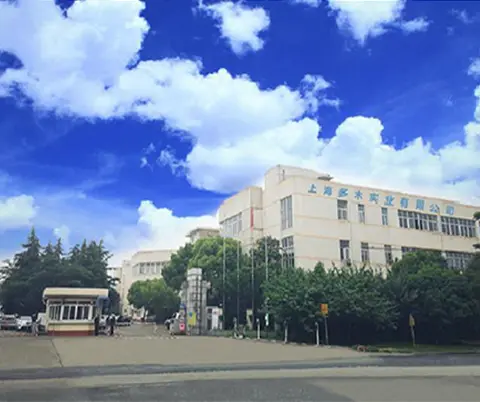
As a global manufacturer and exporter of Plasma Transferred Arc (PTA) cladding machines and high-precision laser cladding systems, Shanghai Duomu has built a decade-long reputation on engineering excellence and robust technical backgrounds. Our technical department houses an independent, multi-disciplinary research and development team that designs, fabricates, and programs our proprietary plasma and laser systems. The welding and cladding machines we manufacture are engineered to maintain consistent performance and efficient operation under continuous, high-duty-cycle industrial use.
Our industrial setups are engineered to support large-scale component remanufacturing projects. By using integrated, multi-axis CNC gantries, advanced robotic arms, and custom-engineered powder feeders, we deliver comprehensive industrial solutions. Our technologies are configured to meet strict international quality and performance metrics. This ensures that operators in Egypt can achieve precise metallurgical bonds, low dilution rates, and minimal distortion on high-value parts, including hydraulic rods, industrial valves, and mining excavation teeth.
Each major Egyptian industry presents distinct mechanical challenges due to environmental and operational factors. Our customized cladding systems are designed to address these specific wear mechanisms:

Extending the service life of subsoiler points, tillage components, and harvest blades operating in sandy, highly abrasive soils throughout Egypt’s agricultural reclamation zones, including Toshka and East Oweinat.

Precision cladding and laser deposition for high-value turbine blades, engine casings, and defense aerospace assemblies. Enables the repair of worn titanium and superalloy components to strict tolerances.
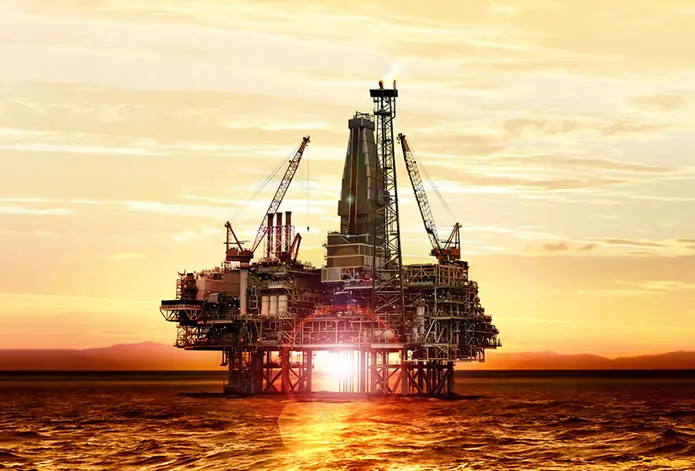
Depositing wear-resistant alloys on drill collars, stabilizers, mud pump shafts, and gate valves. This protection is critical for handling sour gas and sand slurry in Suez Gulf and Western Desert operations.
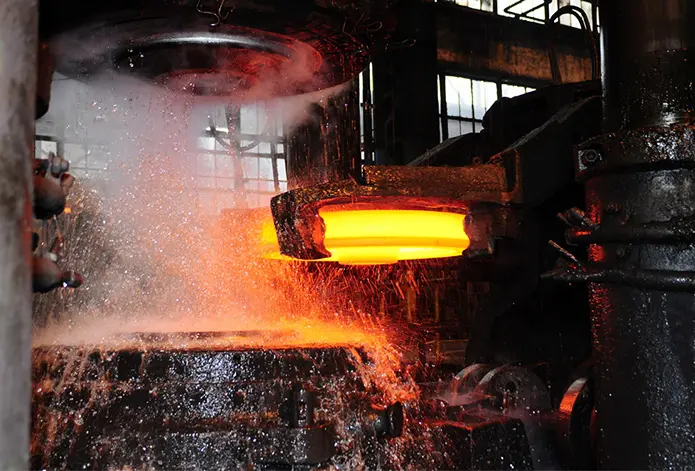
Continuous casting rollers, hot rolling guides, and forging dies in steel mills are subject to thermal fatigue and scale abrasion. Our laser hardening and cladding solutions extend component life cycles in high-temperature environments.
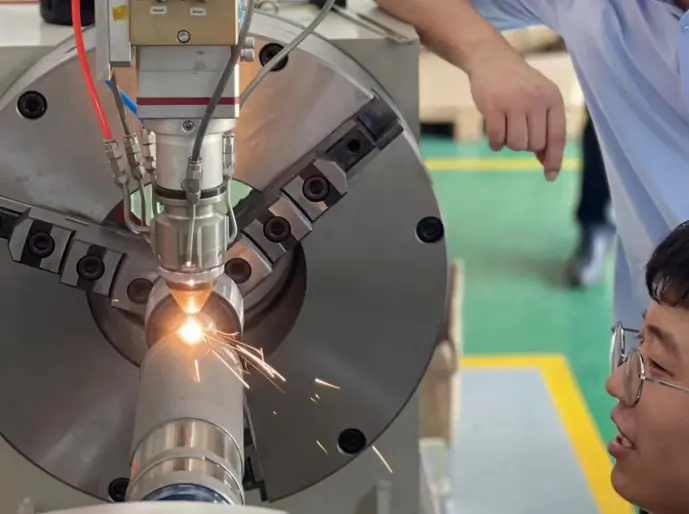
Providing PTA hardfacing and laser cladding solutions for large marine valves and propeller shafts. These systems allow shipyards along the Suez Canal to complete high-quality repairs with rapid turnaround times.
Choosing the optimal surface engineering technology depends on component dimensions, base materials, required deposition rates, and permissible heat input. The table below outlines the primary technical differences between our laser cladding systems and PTA hardfacing systems:
| Technical Parameter | Laser Cladding (Fiber/Diode) | PTA (Plasma Transferred Arc) |
|---|---|---|
| Heat-Affected Zone (HAZ) | Very Narrow (0.2 - 0.5 mm) | Moderate (1.0 - 2.5 mm) |
| Dilution Rate | Low (0.5% - 2.0%) | Moderate (3.0% - 8.0%) |
| Deposition Efficiency / Rate | 1.0 - 5.0 kg/hr (Ultra-high speed is higher) | 2.0 - 10.0 kg/hr |
| Metallurgical Bond Quality | Excellent (Zero delamination risk) | Excellent (Dense, atomic fusion bond) |
| Substrate Distortion | Minimal (Ideal for finished shafts & sleeves) | Moderate (Requires pre/post thermal control) |
| Recommended Materials | Stellite, Nickel-alloys, Fine Carbide matrix | Iron-based alloys, Cobalt-base, Coarse WC |
Integrating 6-axis industrial robots with dual-axis tilt-turn positioners. This setup allows for automated repair of complex geometries like offshore stabilizer spirals and large exhaust valve seats.
Transitioning to high-speed cladding processes where powder particles melt in flight before reaching the substrate. This technique allows for high-speed deposition on hydraulic rods and brake discs with minimal thermal stress.
Implementing real-time melt pool temperature sensing and camera monitoring. The system automatically adjusts laser power and feed rates to ensure consistent quality in large-scale remanufacturing.
Our technology solutions are designed to address wear problems, reduce downtime, and improve component performance across heavy industries.
"The PTA Welding Valve Application Guide is not just a process choice for valve manufacturers facing high wear, high corrosion, and high-temperature erosion working conditions, but also a key path to improving product competitiveness. In the petroleum hubs near Alexandria, we saw valve service lifetimes double."
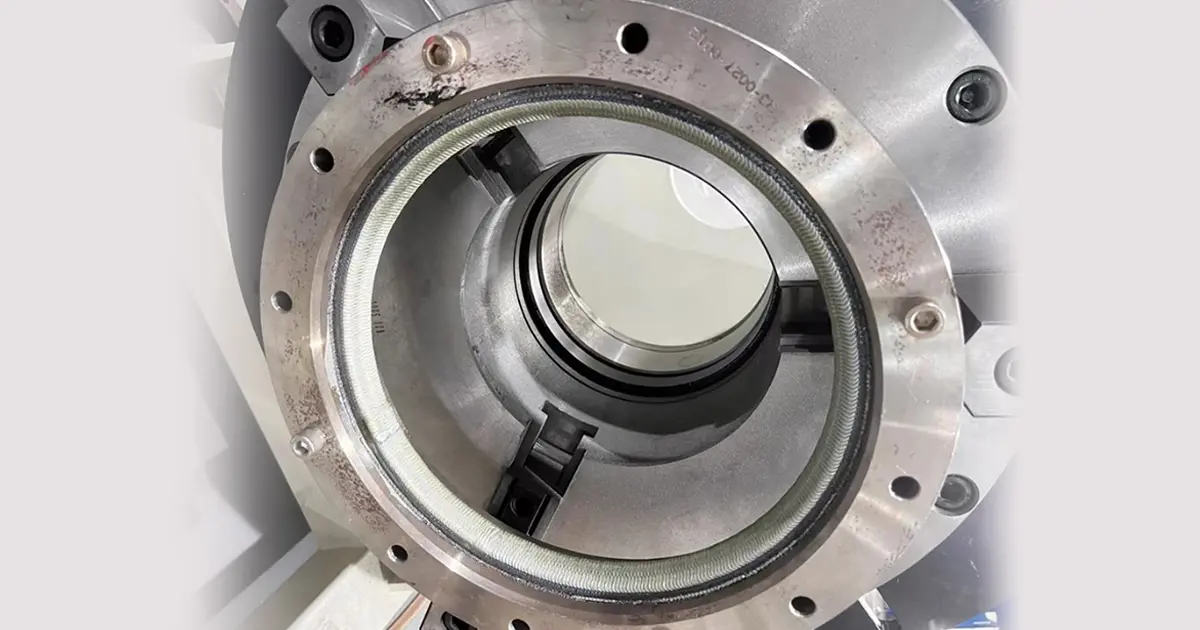
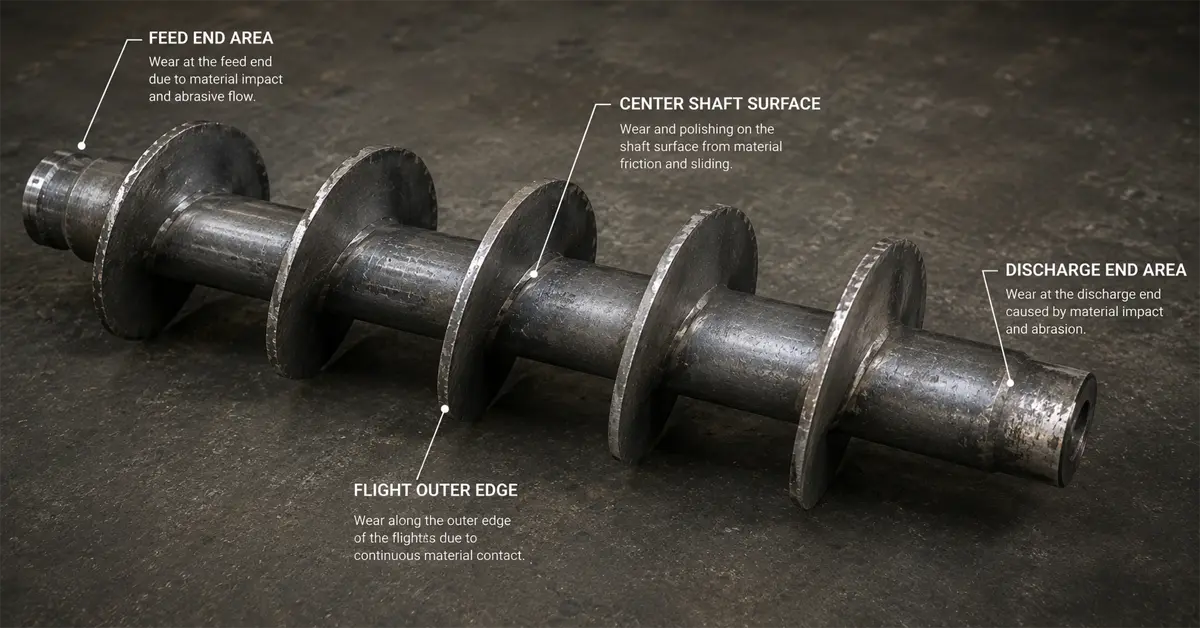
"In industries such as mining, cement, power generation, steelmaking, chemical processing, and biomass energy, screw conveyors are often regarded as auxiliary equipment. However, maintenance data shows that they are among the most frequent causes of unplanned production delays. Standardizing on PTA tungsten carbide hardfacing has reduced conveyor replacements by 80%."
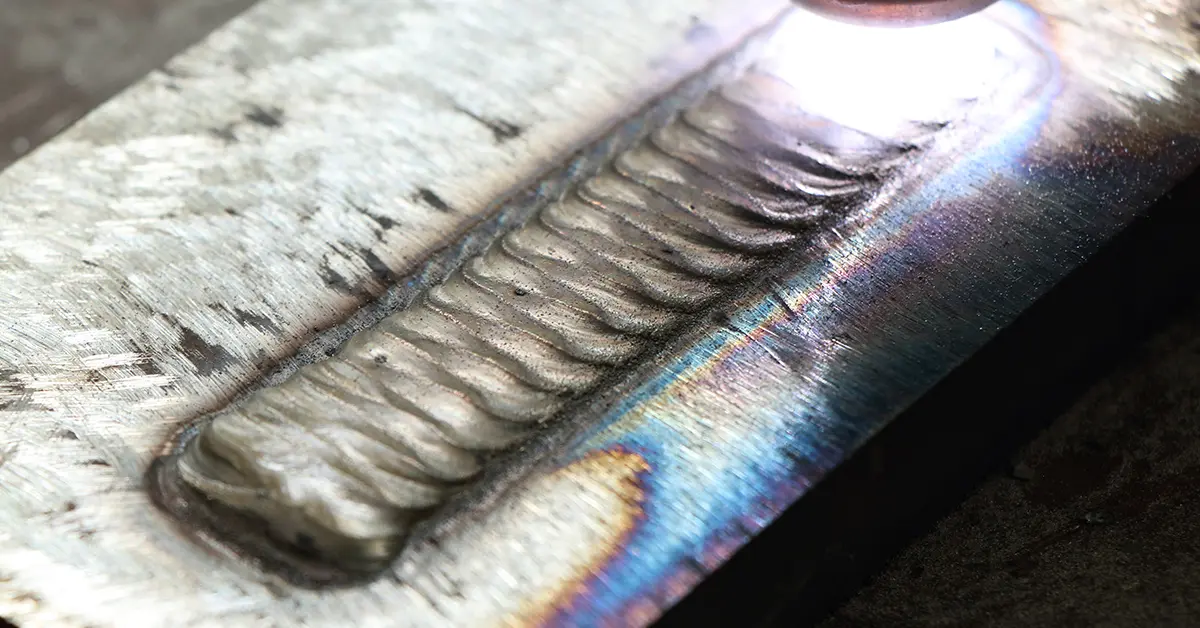
"In Plasma Transferred Arc (PTA) hardfacing, achieving a high-quality overlay is not only about selecting the right alloy powder or optimizing welding parameters. One of the most critical factors that directly affects overlay performance is the dilution rate. Shanghai Duomu equipment consistently keeps dilution below 5%."
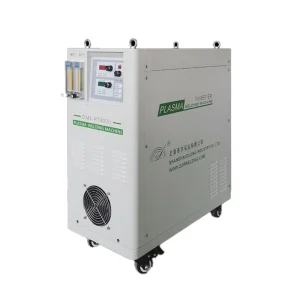
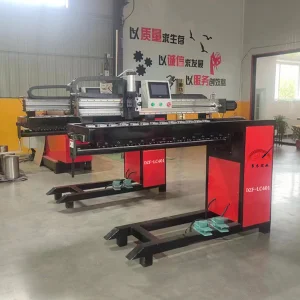
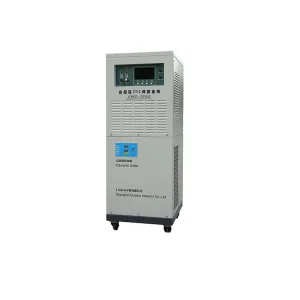
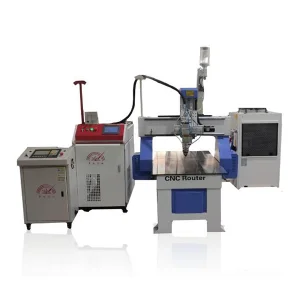
Explore our complete machinery portfolio, including heavy-duty gantry systems, portable units, and specialized welding stations designed for high-stress applications.
Technical answers to common questions about implementing additive surface engineering in Egypt’s industrial environments:
Unlike thermal spraying, which relies on a mechanical bond prone to peeling under shear stress, laser cladding creates a metallurgical bond with the substrate. This atomic-level fusion prevents delamination under high fluid pressures. Additionally, the low dilution rate (under 2%) ensures the protective alloy retains its corrosion-resistant properties without contamination from the base metal.
For machinery operating in sandy environments, such as cement plants and desert mining facilities, we recommend combining a ductile nickel or iron matrix with dispersed tungsten carbide (WC) particles. The matrix provides impact toughness, while the tungsten carbide particles resist abrasion from sand particles. This combination extends component lifetimes by up to 500% compared to standard carbon steels.
Yes, our portable laser cladding units are designed for on-site repairs. They can be transported directly to dry docks or industrial plants to repair large components, such as steam turbine rotor journals, without the logistical challenges of shipping the machinery to a central facility.
We provide full technical support, including installation assistance, controller configuration, programming training, and advice on selecting the correct parameters (laser power, scan speeds, and powder feed rates) for your specific base materials and applications.







 Duomu
Duomu