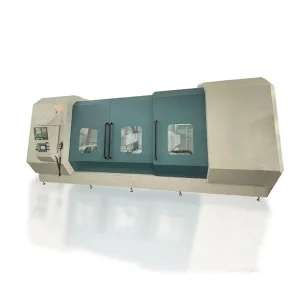
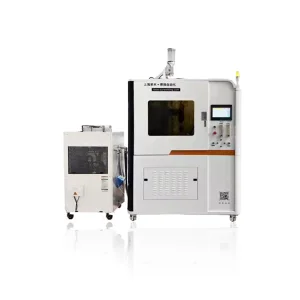
Engineered for high-durability surface modification and wear resistance restoration in extreme mining and marine environments across Namibia.
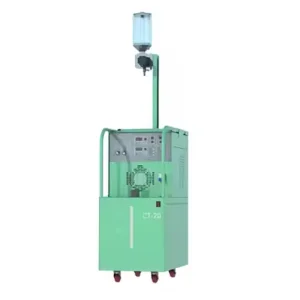
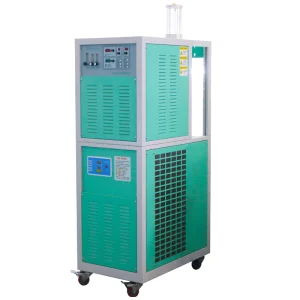
Namibia's mineral-rich landscape represents a major engine for economic progress in Southern Africa. Host to some of the world's most massive open-pit mining operations, such as the Husab and Rössing Uranium mines, the Skorpion Zinc mine, and extensive offshore diamond dredging projects along the Lüderitz coast, the industrial equipment here is subjected to incredibly harsh working environments. The combination of hyper-abrasive sand, high saline maritime atmospheres, and extreme mechanical stress causes rapid degradation of heavy machinery components.
Traditionally, mining operators and marine engineering firms in the Port of Walvis Bay have had to bear the huge financial burden of purchasing brand new replacement parts from overseas manufacturers. These imports come with long lead times—sometimes stretching to several weeks—and astronomical shipping costs. This translates to unplanned downtime, lost production revenue, and inefficient capital expenditure. Laser cladding, an advanced additive manufacturing method, offers a key technological solution, enabling local refurbishment and enhancement of wear-prone components directly within the region.
Across the globe, heavy industries are moving rapidly away from the traditional "extract, produce, discard" linear model towards a circular economic approach. Sustainability standards, combined with volatile raw material supply chains, have made components remanufacturing a high priority. In this context, laser cladding (Laser Metal Deposition or LMD) has emerged as the premier surface modification technology, overtaking older repair methods like hard chrome plating, thermal spraying, and conventional arc welding.
Traditional arc welding introduces a high amount of heat, which creates a large Heat Affected Zone (HAZ), leading to potential base material deformation and high weld dilution. Thermal spraying, while low heat, relies on a mechanical bond that can fail under high-stress conditions. In contrast, laser cladding utilizes a high-intensity laser beam to melt both the base metal surface and the supplied alloy powder simultaneously. This creates a dense, defect-free, metallurgical coating. Because the energy is highly focused, the dilution of the substrate into the cladding layer is kept below 5%—and often below 1%—preserving the pure properties of the high-performance cladding alloy.
| Performance Characteristic | Laser Cladding (LMD) | Plasma Transferred Arc (PTA) | Traditional Arc Welding | Thermal Spraying (HVOF) |
|---|---|---|---|---|
| Bonding Strength | Metallurgical (>400 MPa) | Metallurgical (>350 MPa) | Metallurgical (>300 MPa) | Mechanical Bond (<80 MPa) |
| Heat Input / HAZ | Extremely Low | Medium-Low | Very High | Very Low |
| Dilution Rate | < 1% to 5% | 5% to 10% | 15% to 30% | Negligible (No Melting) |
| Coating Thickness | 0.5 to 2.0 mm per layer | 1.0 to 4.0 mm per layer | 2.0 to 6.0 mm per layer | 0.1 to 1.5 mm |
| Deformation Risk | Negligible | Low | Very High | None |
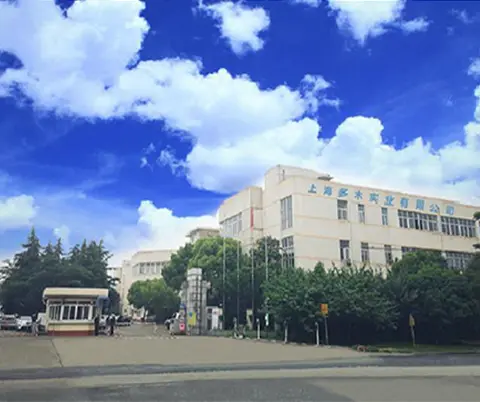
For Namibian industrial businesses, partnering with a Chinese supplier that operates at the cutting edge of Industry 4.0 brings significant advantages in both efficiency and product capability. Shanghai Duomu has built a reputation over ten years as a leading developer of PTA and laser cladding systems. The company integrates high-power fiber lasers, intelligent CNC coordinate stages, and multi-axis industrial robots to supply highly automated, turnkey hardfacing solutions.
By leveraging an advanced domestic industrial supply chain, we are able to provide cost-effective solutions without compromising on component quality. We use top-tier optical fibers, precise powder feed mechanics, and robust control software to ensure our systems deliver consistent results, shift after shift. In an era where supply chain dependability is critical, Shanghai Duomu is well-positioned to supply equipment, consumables, and engineering support directly to Namibia, helping operators reduce operational risk and keep their processes running smoothly.
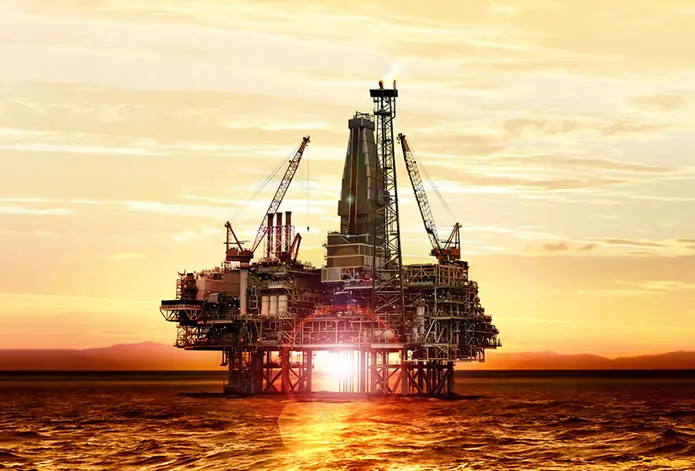
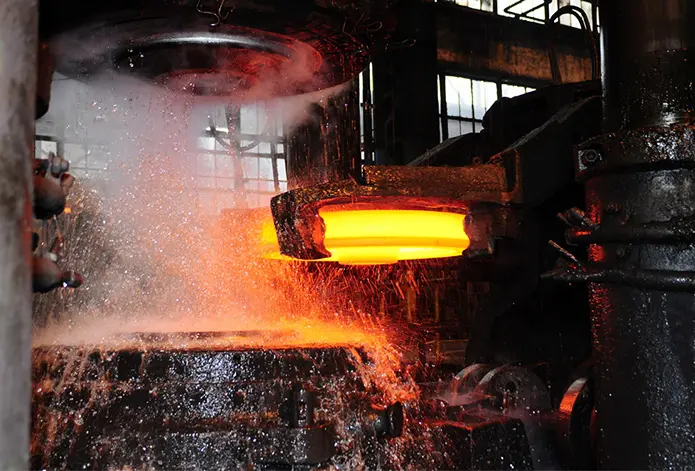
From coastal marine operations to deep inland mining projects, our cladding technology is utilized in critical industrial applications.


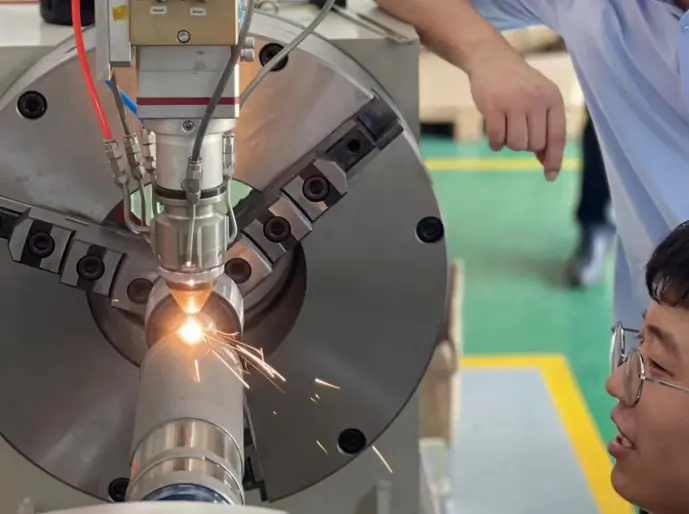
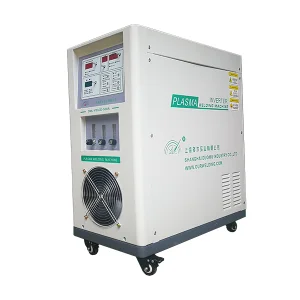
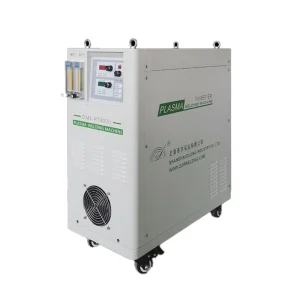
Shanghai Duomu has been a leading manufacturer and exporter of PTA cladding machines and Laser cladding machines for more than ten years, backed by a strong technical foundation. We maintain an independent R&D team that develops, produces, and sells advanced plasma and laser cladding equipment.
Our welding and cladding machines are engineered for stability and long-term efficiency under demanding work conditions. Additionally, the laser cladding equipment we supply supports large-scale industrial remanufacturing projects. With a deep portfolio of technological solutions, we provide complete, integrated systems tailored to modern industrial requirements.
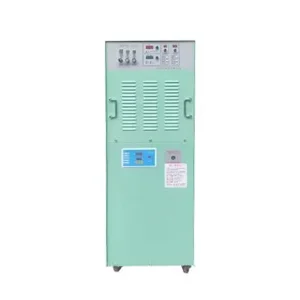
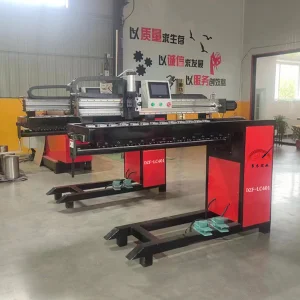
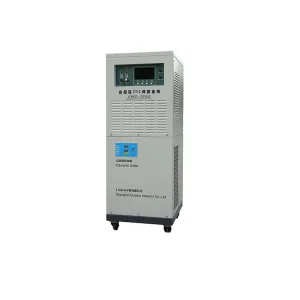
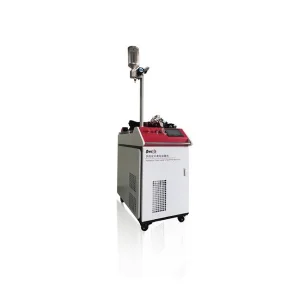
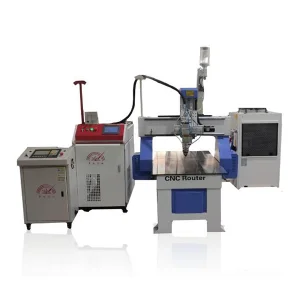
We supply customized systems, automatic laser cladding equipment, automatic plasma cladding units, and intelligent robot cladding setups to suit specific client requirements. This includes specialized machinery for critical industrial parts, such as hydraulic rod cladding equipment, mining pick repair systems, and valve seat cladding configurations.
Robust, precise, and highly efficient cladding and hardening systems designed for heavy industrial maintenance and restoration.
Achieving a reliable cladding finish requires selecting the appropriate alloy powder for the specific wear mechanisms at play. Shanghai Duomu’s technical team works with clients to analyze operational demands and match them with suitable metallurgical compositions:
To ensure high quality, the laser cladding process is carefully controlled using optimized parameters. Below are the typical operational baselines for rebuilding hydraulic shafts and industrial cylinders:
| Process Parameter | Typical Value / Range | Impact on Coating Quality |
|---|---|---|
| Laser Power (W) | 2000 - 6000 Watts | Controls penetration depth and melt pool volume. |
| Powder Feeding Rate (g/min) | 15 - 45 g/min | Determines deposit thickness and deposition efficiency. |
| Scanning Speed (mm/s) | 5 - 15 mm/s | Affects heat input per unit length and dilution rate. |
| Overlap Ratio (%) | 40% - 50% | Ensures surface uniformity and avoids inter-run porosity. |
| Shielding Gas Flow (L/min) | 12 - 20 L/min (Argon/Nitrogen) | Prevents oxidation of the melt pool during processing. |
See how our technologies are applied in key industrial sectors, including power generation, mining, and valve manufacturing.
“The PTA Welding Valve Application Guide is not just a process choice for valve manufacturers facing high wear, high corrosion, and high-temperature erosion working conditions, but also a key path to improving product competitiveness. As industries such as petrochemical, power, and mining seek longer lifetimes, advanced cladding plays a vital role.”
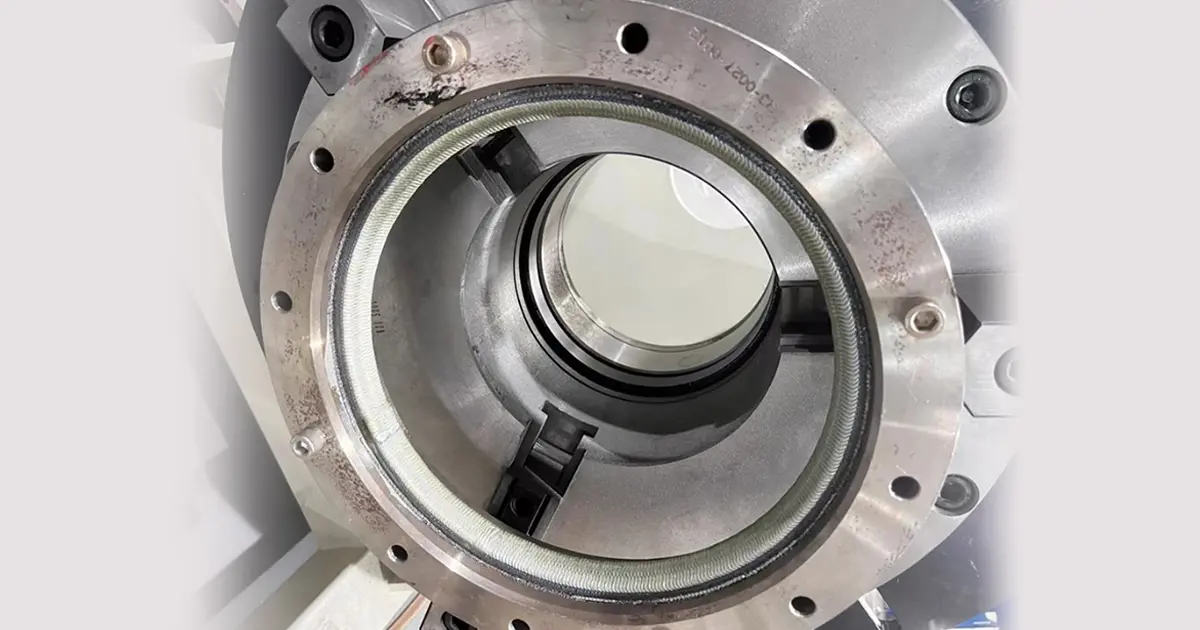
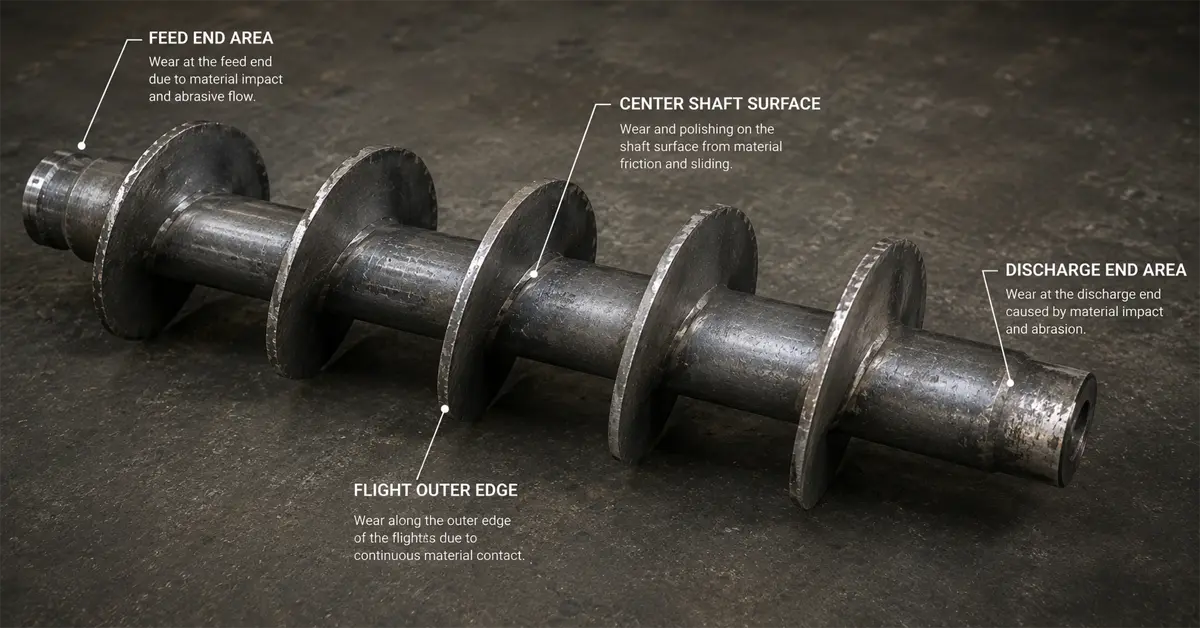
“In industries such as mining, cement, and bulk material handling, screw conveyors are critical system components. Heavy abrasive wear is a major cause of unplanned maintenance and downtime. Applying specialized PTA and laser hardfacing significantly extends conveyor service life.”
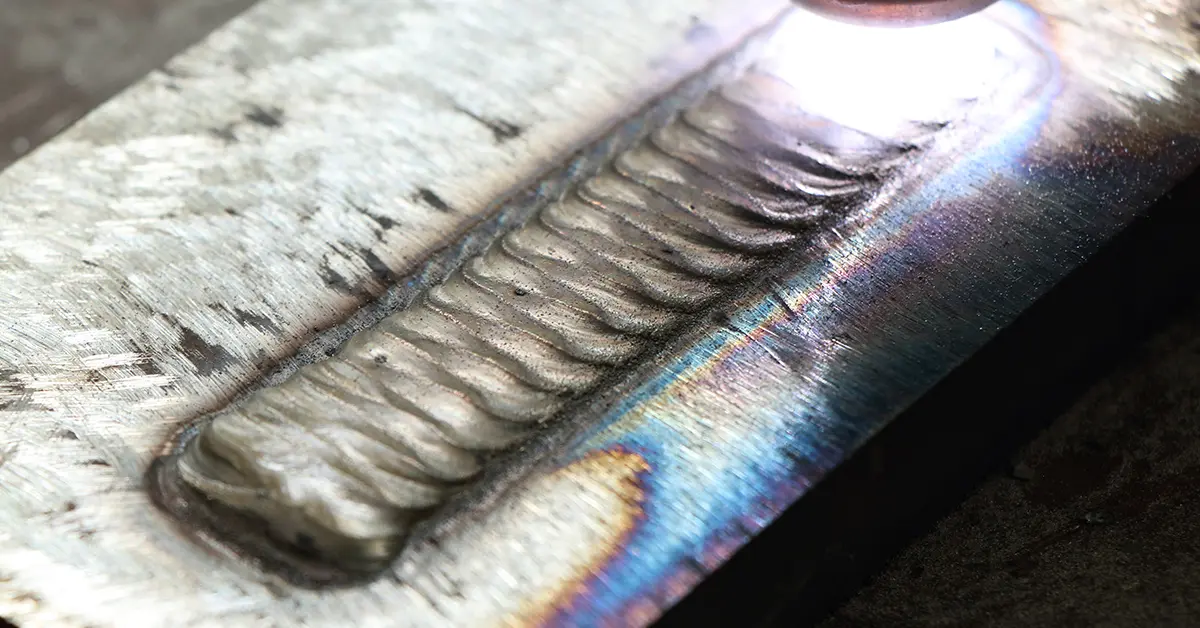
“In PTA hardfacing, achieving a high-quality overlay depends on managing the dilution rate. Minimizing dilution preserves the wear-resistant properties of the alloy powder. This balance is key to ensuring consistent performance on high-stress surfaces.”
Detailed technical and commercial answers regarding laser cladding technology for procurement managers and engineering teams in Namibia.




Get in touch with our technical team today for a detailed assessment. We provide customized configurations, metallurgical recommendations, and cost estimates tailored to your operations in Namibia.
 Duomu
Duomu