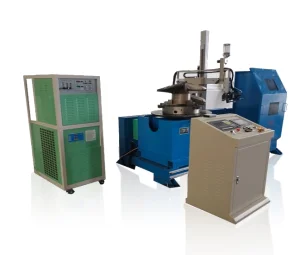
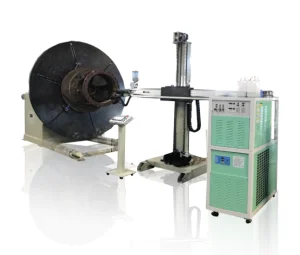
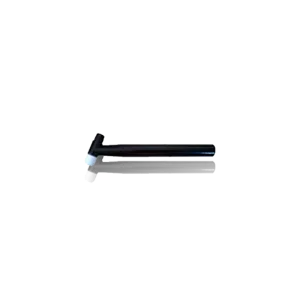
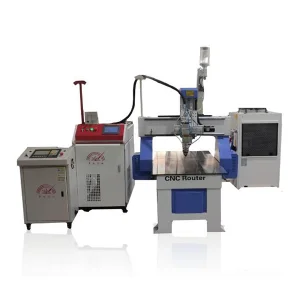
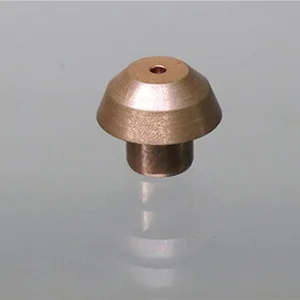
Engineered systems offering precision control over deposition rates and mechanical characteristics.
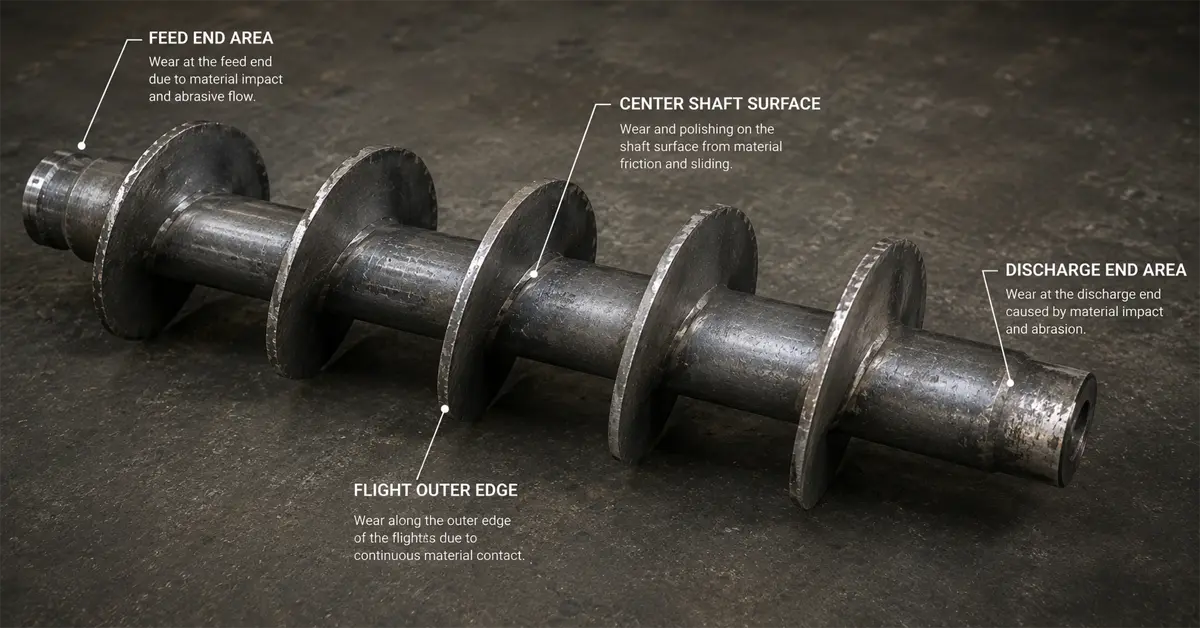
Industrial components in marine environments, chemical plants, and mineral processing facilities operate under extreme pressure, friction, and corrosive attacks. Base structural materials like carbon steels offer toughness and cost-efficiency but fail to survive these superficial stresses. This challenge has driven the development of the clad welding process.
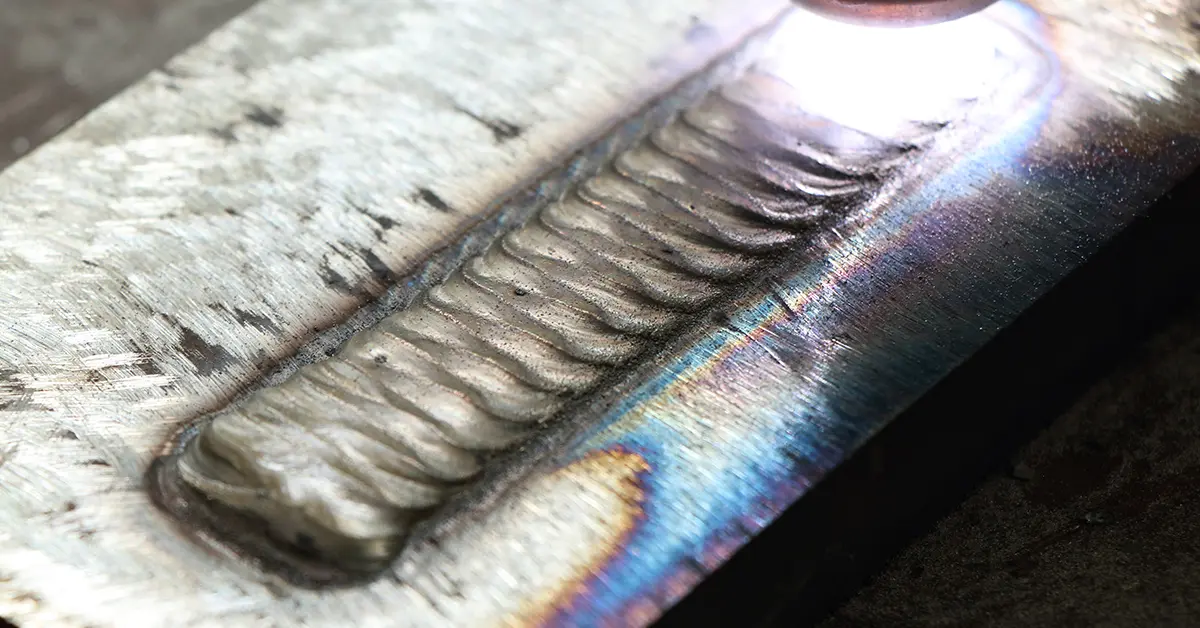
Unlike standard mechanical bonding or thermal spraying, clad welding generates a true metallurgical bond between the substrate and the deposited alloy layer. In Chinese fabrication facilities, the technology has evolved from manual stick overlay to high-automation systems, including Plasma Transferred Arc (PTA) cladding and Laser Cladding systems. This change minimizes dilution—the mixing of the base metal into the clad layer—to keep the hardfacing material's chemistry intact.
Technical Dilution Contrast: Classical Gas Metal Arc Welding (GMAW) claddings typically yield a dilution rate of 15% to 30%, which requires multiple layers to achieve the needed wear protection. Modern PTA and Laser processes reduce this dilution rate to 3% to 8% and < 2% respectively. This efficiency preserves material chemistry in a single pass.
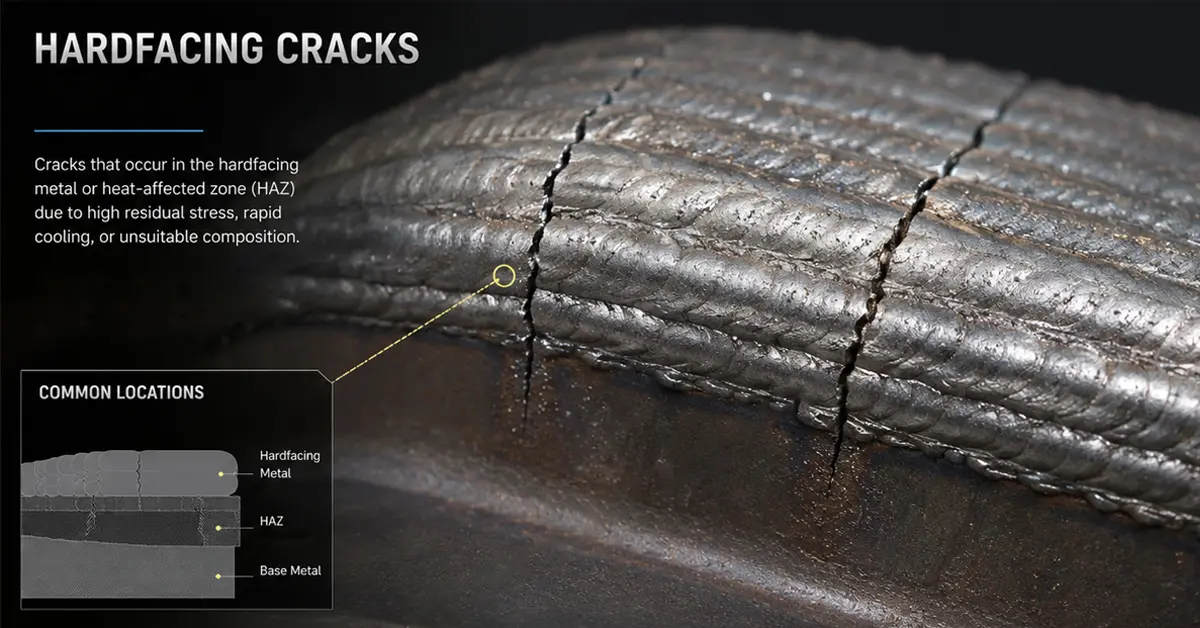
During the clad welding process, the heat source melts the surface layer of the substrate while melting and fusing the clad alloy (as wire or powder). Precision temperature control prevents macro-defects like porosity, heat-affected zone (HAZ) cracking, and thermal distortion. Chinese manufacturers use specialized pre-heating, active feedback sensors, and post-cladding stress relief to manage these thermal cycles.
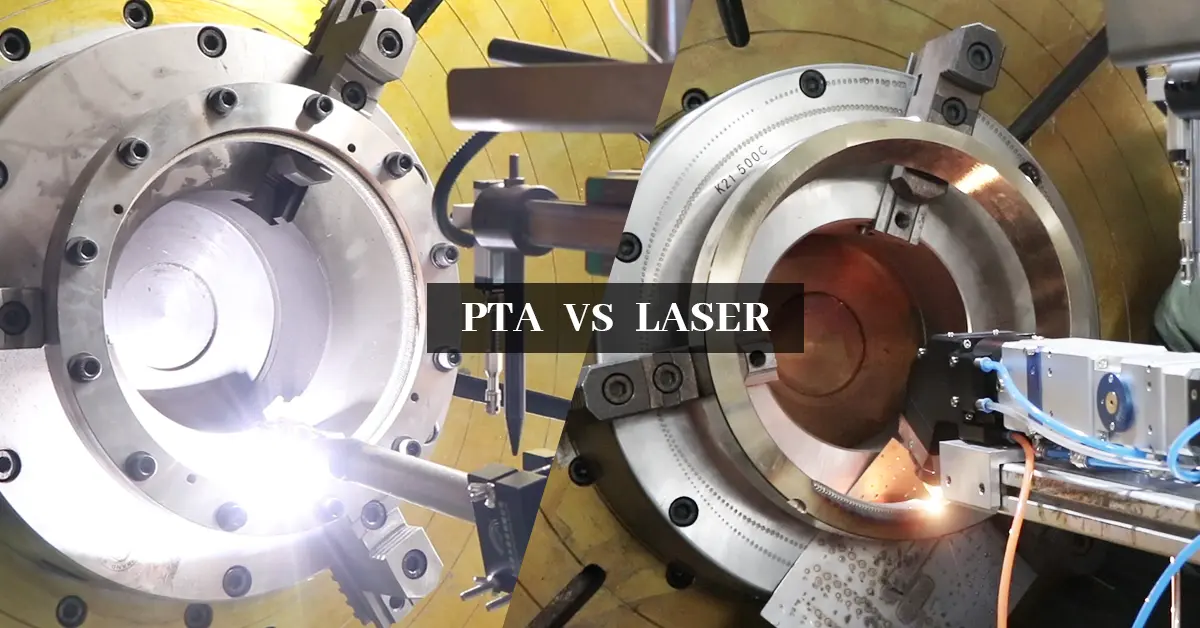
Choosing the right process depends on part geometry, required overlay thickness, and production speed:
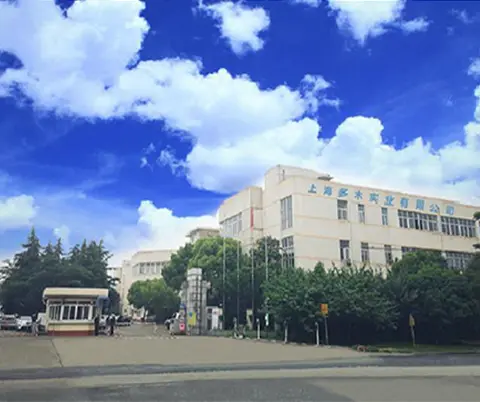
Shanghai Duomu has been a leading manufacturer and exporter of PTA cladding machine and Laser cladding machine for more than ten years with a strong technical background. Our systems are designed to improve service life and component performance across demanding industrial environments worldwide.
Our solutions provide consistent quality, reduced downtime, and high efficiency for remanufacturing and hardfacing operations.
Read More About Us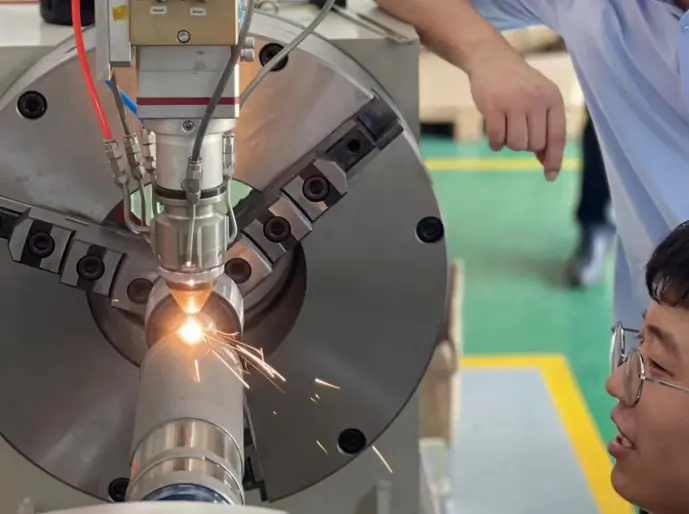
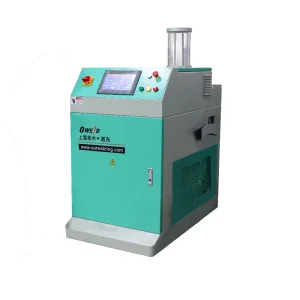
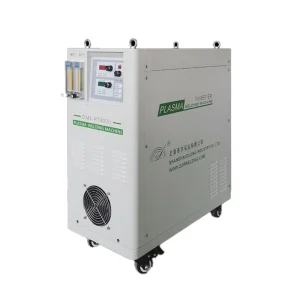
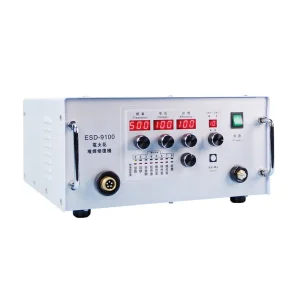
Our independent R&D team designs and produces our plasma cladding machine systems. Our power sources are engineered to deliver a stable, reliable arc for continuous industrial operations. For large-scale projects, our high-power laser cladding equipment provides rapid deposition over large surfaces.
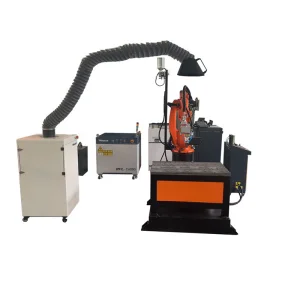
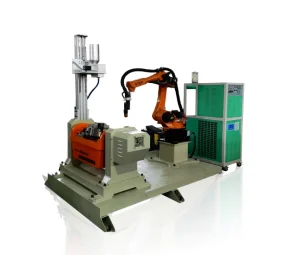
We work closely with clients to supply complete, automated turnkey production cells that integrate coordinate manipulators, indexing turntables, and smart process controls.
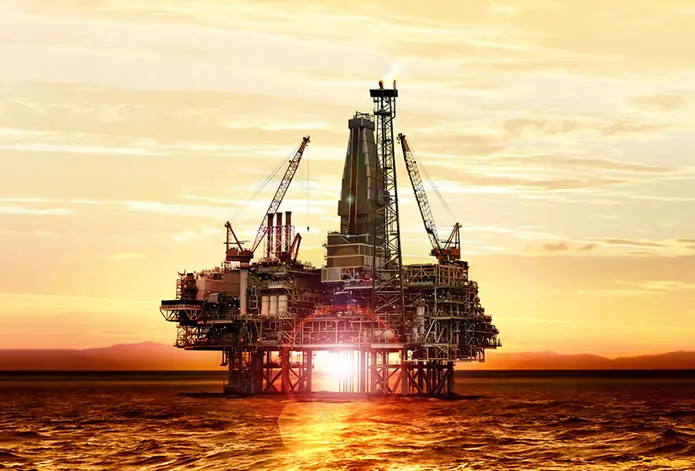
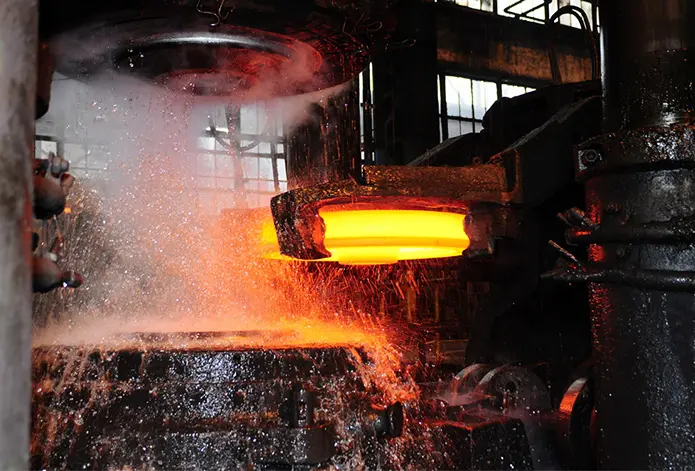
Get in TouchOur cladding systems protect components in demanding sectors where wear, corrosion, and heat limit service life.


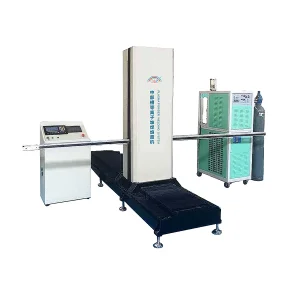
We supply specialized systems engineered for specific workpieces and automation setups.
Designed for high-stability PTA surfacing on valves, small shafts, and shear blades, delivering precise powder flow control.
Combines multi-axis kinematics and deep-bore tooling to deposit alloy powders on both external surfaces and internal cavities.
Designed for rebuilding complex contours on gas turbine and compressor blades with minimal heat-affected zones.
Integrates rotational positioners and synchronized torch controls to apply even wear coatings onto spherical valve surfaces.
Enables selective transformation hardening of automotive dies, gears, and wear rings, keeping core materials ductile.
Designed for high-throughput cladding of large hydraulic shafts, cylinders, and rods used in construction equipment.
Purchasing clad welding machines and automated tooling from Chinese manufacturers provides cost and lead-time advantages. These benefits stem from a robust supply chain ecosystem that integrates key production elements:
Industrial cladding systems represent a significant capital investment. We support our global customers with a structured service program:
Compliance & Quality Standards: All Shanghai Duomu PTA and Laser machines are built to satisfy CE electrical safety, ISO9001 quality management, and international occupational health rules. We provide comprehensive FAT (Factory Acceptance Testing) records with every shipment.
Our global support network provides remote diagnostics via IoT-linked controllers, rapid spare parts shipping, and onsite commissioning by experienced field engineers.
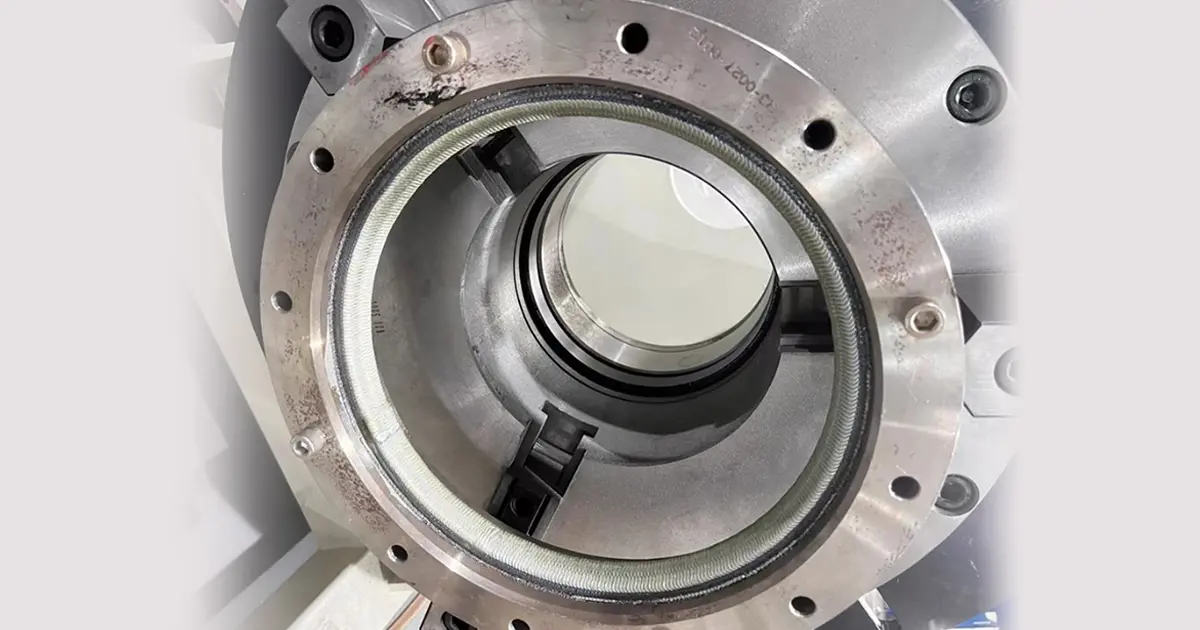
Insights from real-world applications of our cladding processes in demanding industrial environments.
Detailed technical answers regarding the deployment and capabilities of our cladding systems.
PTA uses a constricted plasma arc to melt both the substrate and feed powder, providing deposition rates up to 12 kg/h at a lower equipment cost. Laser cladding uses a focused laser beam, creating a very small heat-affected zone (HAZ) and low dilution (<2%), which is ideal for thin-walled or high-precision parts.
Tungsten carbide is hard but brittle and prone to cracking under thermal stress. We use precise temperature controls, pre-heating programs, and specialized nickel or iron-based matrices to absorb thermal stresses during cooling.
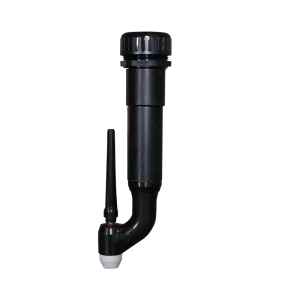
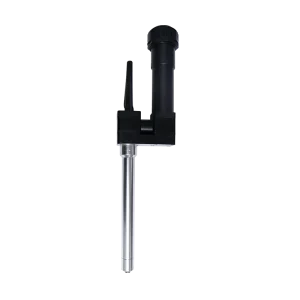
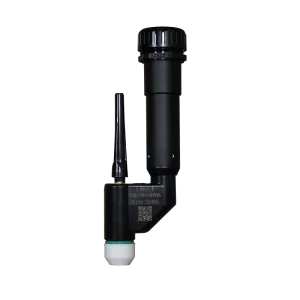
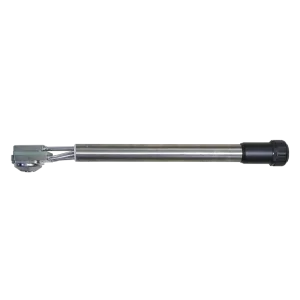
Yes. We manufacture specialized deep-hole torches (like the DNPT16018-HQ and DNPT50019-HQ) that fit inside narrow internal diameters to apply protective overlays to valve chambers and inner cylinder walls.
Dilution rate is mainly controlled by the welding current, powder feeding speed, and travel velocity. Our digital control units allow users to adjust these parameters in real-time to maintain low dilution and consistent chemistry.
High-precision components and specialty systems for deep-bore operations and automated robotic integration.








For inquiries about our products or pricelist, please leave your contact details below and our team will get in touch within 24 hours.
 Duomu
Duomu