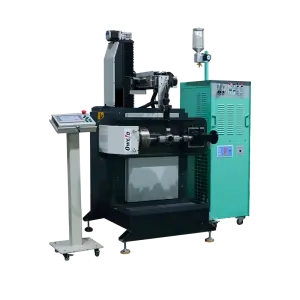
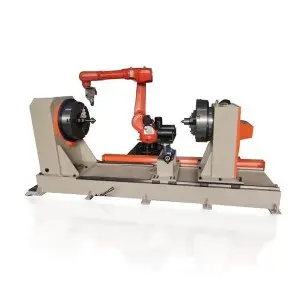
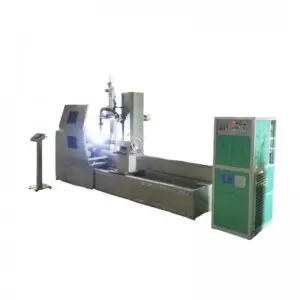
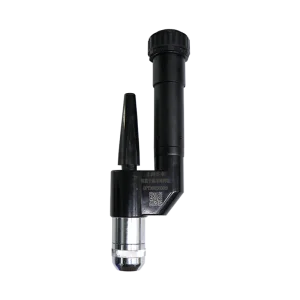
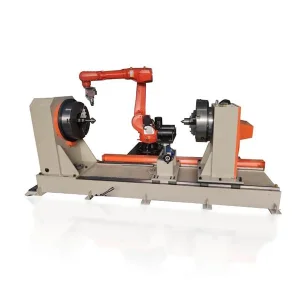
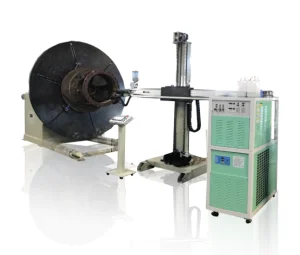
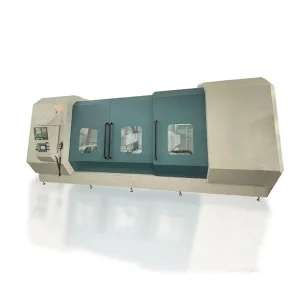
Explore Shanghai Duomu's field-proven heavy-duty overlay, hardfacing, and robotic cladding production lines.
Surface degradation via abrasive wear, high-temperature erosion, corrosion, and intense mechanical shear is a multi-billion dollar challenge across global heavy industries. Over the last two decades, industrial surface modification has moved from primitive manual arc cladding technologies toward complex, automated surfacing methods. Esc (Electroslag Cladding) and Plasma Transferred Arc (PTA) surfacing, alongside high-precision Laser Cladding, are now at the forefront of surface engineering. As a premier Chinese developer, Shanghai Duomu has led these metallurgical advancements.
Modern cladding systems utilize highly focused heat inputs to fuse alloyed materials onto a structural substrate. High-precision automation minimizes the Heat Affected Zone (HAZ), reducing dilution while maximizing the metallurgical bond. This ensures that expensive protective overlay materials—such as Stellites, Colmonoy, Hastelloy, or tungsten carbides (WC-Co)—retain their engineered properties instead of blending into the base steel.
In high-stakes sectors like oil and gas, heavy mining, thermal power generation, and chemical process plants, procurement teams look beyond initial machinery capital expenditure. They focus instead on the Total Cost of Ownership (TCO). Procurement managers require surfacing machinery that integrates seamless material utilization, minimized post-weld machining, energy efficiency, and high throughput.
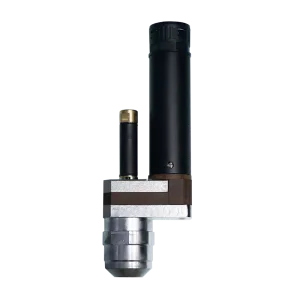
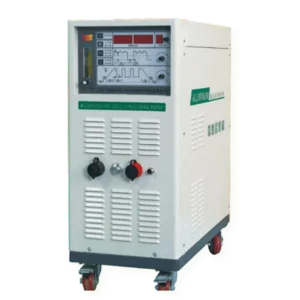
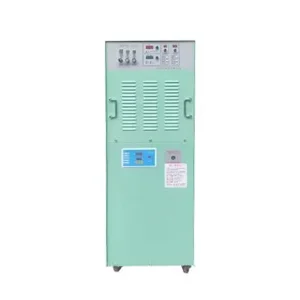
China's heavy machinery and fabrication ecosystem has transitioned into a highly connected Factory 4.0 paradigm. Shanghai Duomu combines manufacturing scale with deep material-science R&D. This vertical integration allows us to build and assemble advanced plasma power supplies, high-power plasma torches (300A-500A), and multi-axis manipulator positioners completely in-house.
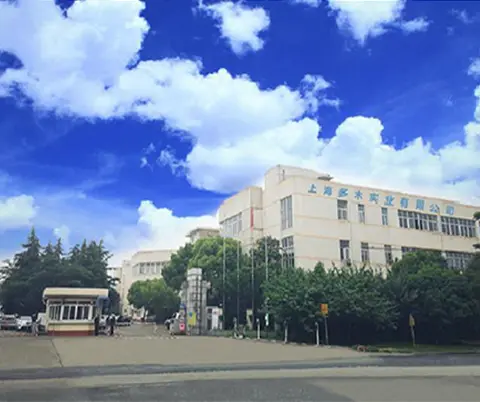
Shanghai Duomu has been a leading manufacturer and exporter of PTA cladding machines and Laser cladding machines for more than ten years, supported by a strong technical background. Our factories combine component sourcing, precision mechanical engineering, CNC programming, and metallurgy validation under one roof, guaranteeing robust quality control and fast lead times.
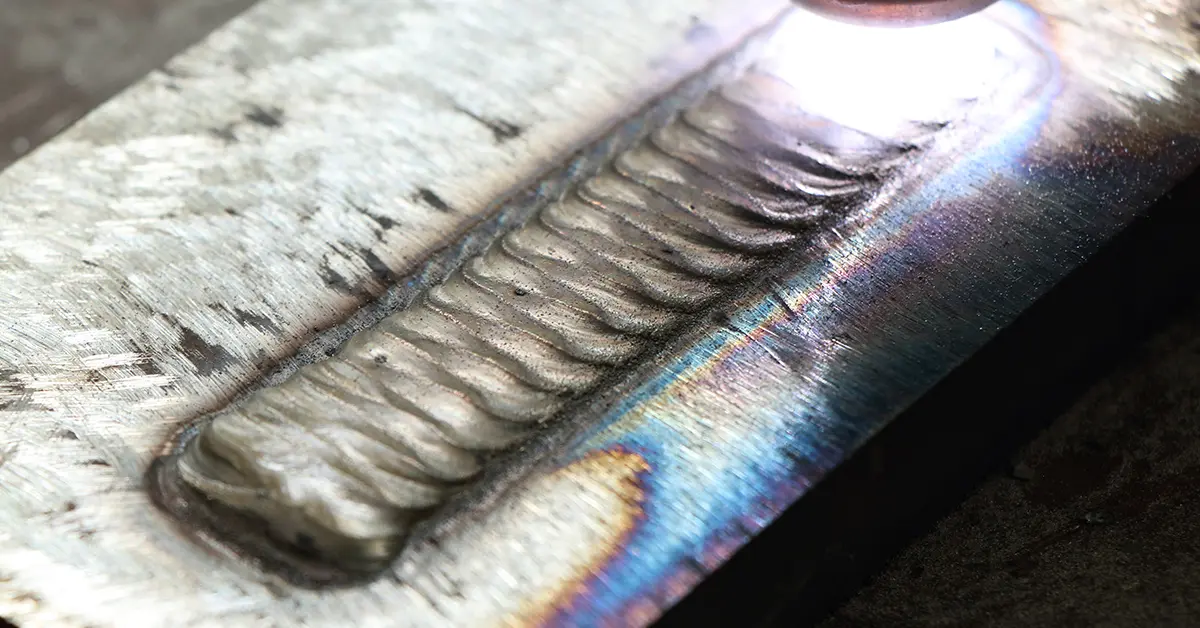
The core objective of advanced surfacing is control over dilution and carbide distribution. During standard submerged arc welding (SAW) or gas metal arc welding (GMAW), high dilution rates often force operators to deposit multiple layers to achieve the required surface chemistry. This consumes valuable materials and energy.
PTA (Plasma Transferred Arc) cladding uses a constrained thermal arc to generate extreme temperatures, melting the target alloy powder and a thin layer of the substrate. The result is a true metallurgical bond with minimal dilution (typically under 5% in a single pass). In critical components like oilfield stabilizers, large-diameter extrusion screws, and power-plant valves, this single-pass deposition saves hours of cycle time and significantly reduces overall material costs.
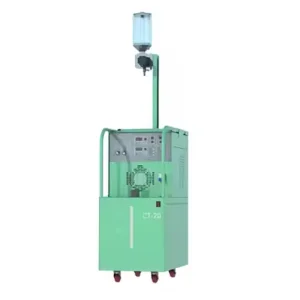
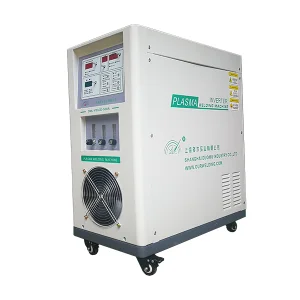
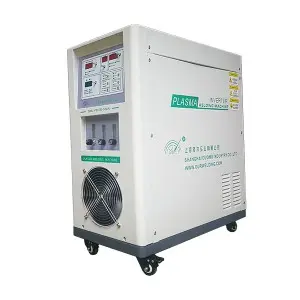
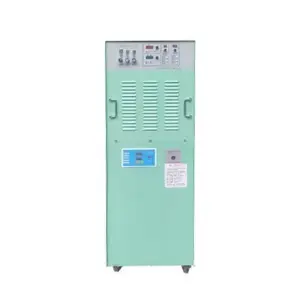
Our independent R&D team develops, produces, and sells advanced plasma cladding machine equipment. Our welding machines deliver stable performance and maintain efficient, long-term operations. Additionally, our laser cladding systems support large-scale remanufacturing projects. We offer mature technological processes to provide comprehensive, integrated industrial equipment solutions.
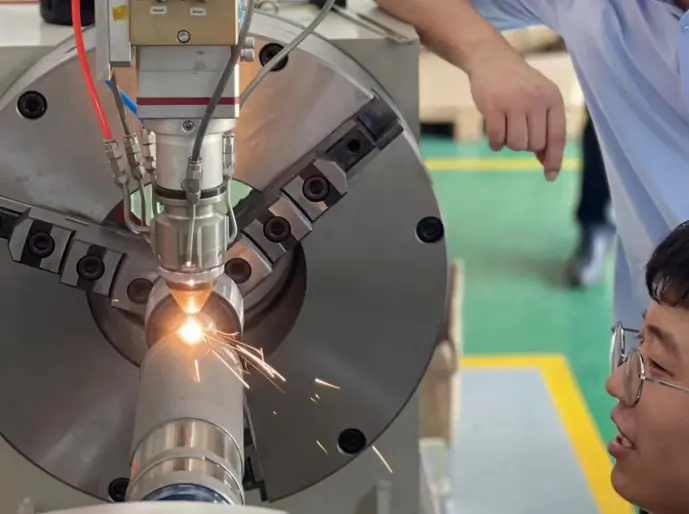
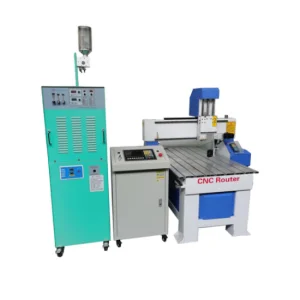
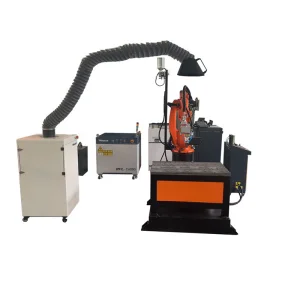
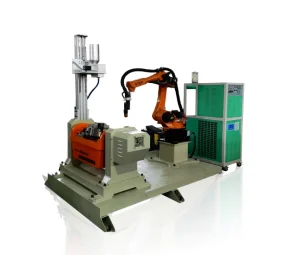
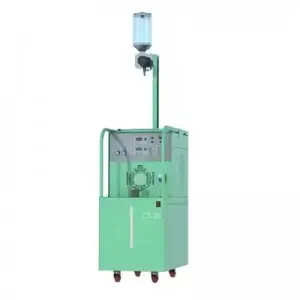
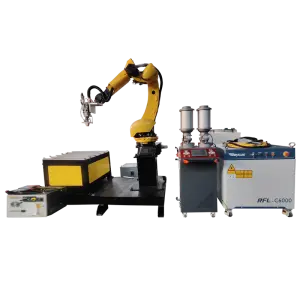
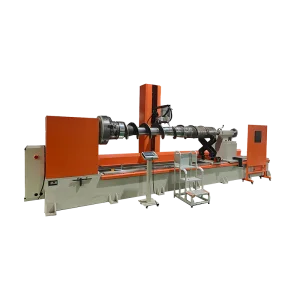
We provide custom equipment, automatic laser cladding systems, automatic plasma cladding machinery, and intelligent robotic cladding systems tailored to specific application requirements. This includes specialized machinery such as hydraulic rod cladding systems, pick cladding systems, and valve cladding machines.
At present, our surfacing products are widely used in aerospace, defense, nuclear power, petrochemicals, coal mining, metallurgy, forging, agriculture, and water conservancy.

Our hardfacing coatings extend the lifespan of plowshares, tiller blades, and harvesting tools operating in abrasive, high-wear soils.

High-precision laser cladding processes repair turbine blades, jet engine casings, and defense assemblies using advanced superalloys.
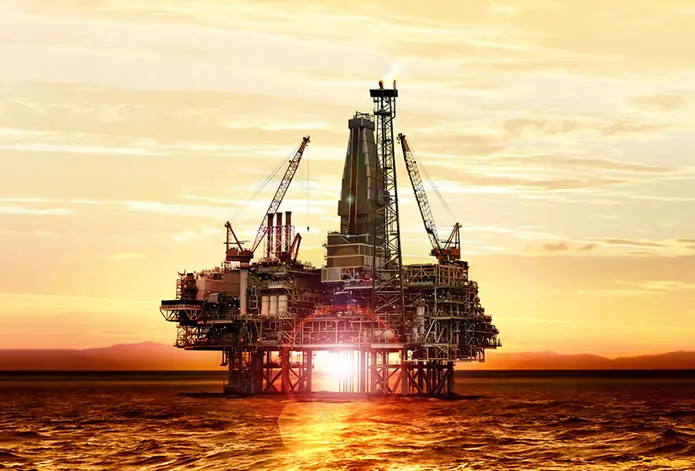
Our overlay systems protect stabilizers, drill collars, and downhole tools from corrosive fluids, high pressures, and extreme wear.
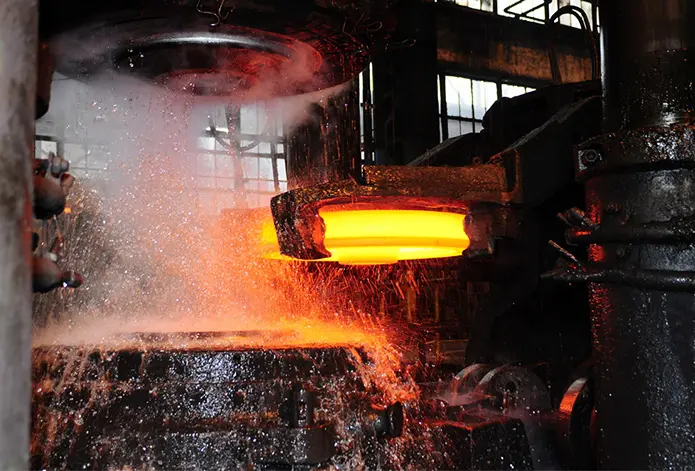
Cladding and hardfacing systems increase the thermal and wear resistance of continuous casting rolls, forging dies, and guides.
Real-world applications showing how Shanghai Duomu's PTA and Laser Cladding systems improve efficiency and performance.
"The PTA Welding Valve Application Guide is not just a process choice for valve manufacturers facing high wear, high corrosion, and high-temperature erosion working conditions, but also a key path to improving product competitiveness. As industries such as petrochemical, ..."
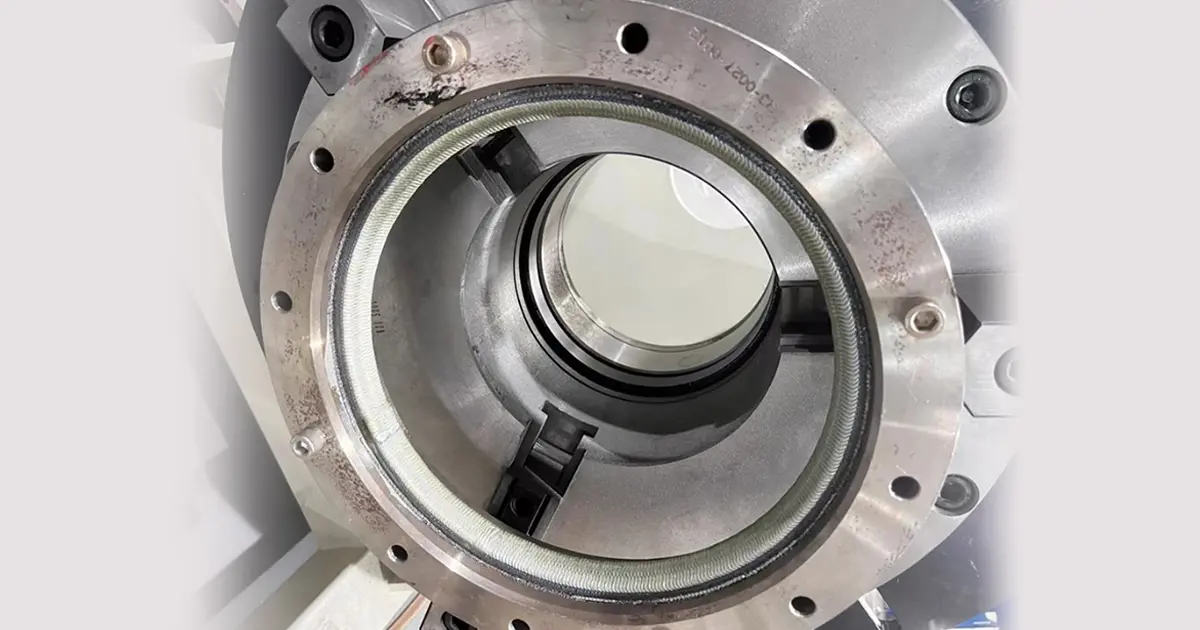
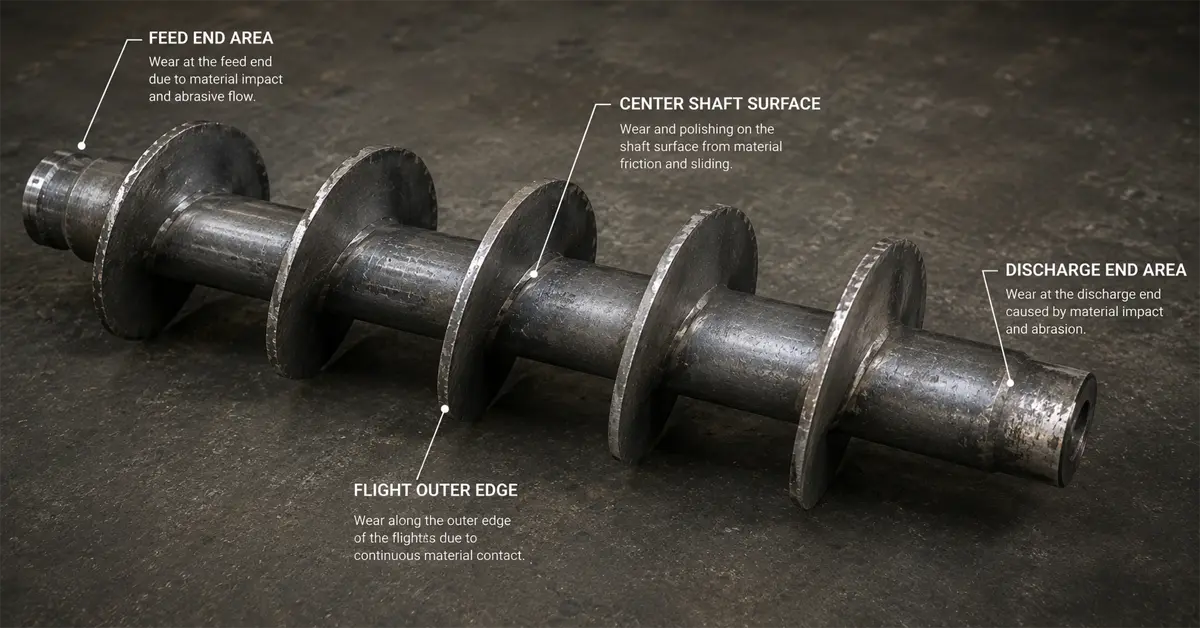
"In industries such as mining, cement, power generation, steelmaking, chemical processing, and biomass energy, screw conveyors are often regarded as auxiliary equipment. However, maintenance data shows that they are among the most frequent causes of unplanned production d..."
"In Plasma Transferred Arc (PTA) hardfacing, achieving a high-quality overlay is not only about selecting the right alloy powder or optimizing welding parameters. One of the most critical factors that directly affects overlay performance is the dilution rate. Whether you ..."
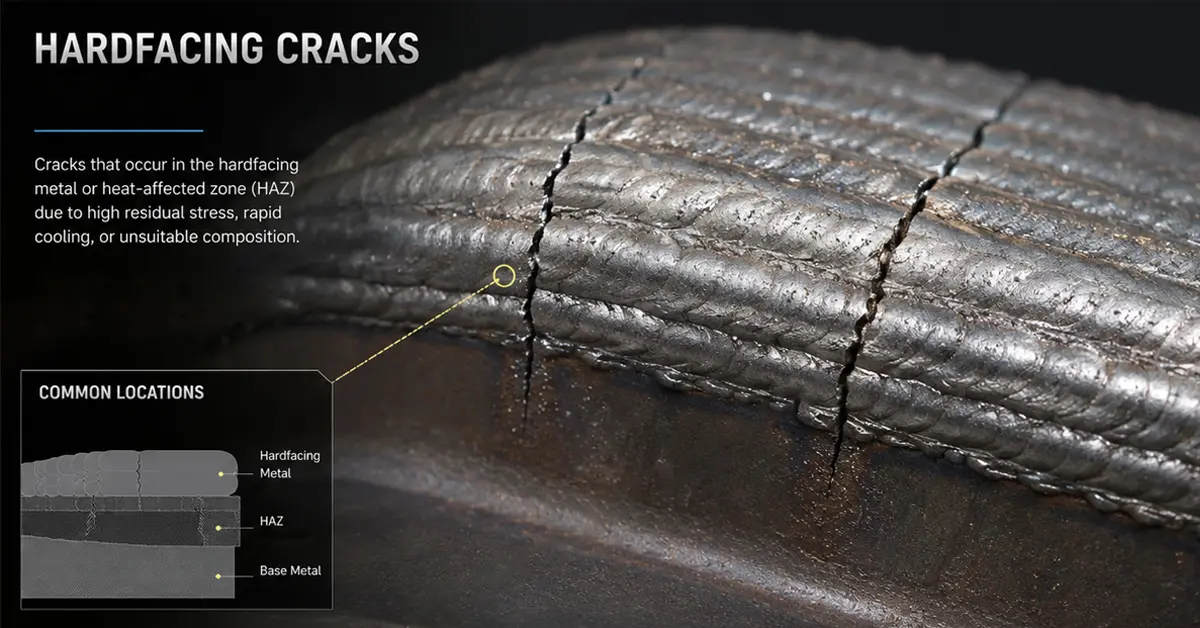
"In industries such as Oil & Gas, Mining, Power Generation, Cement, and Heavy Equipment Manufacturing, hardfacing is no longer just a repair process. It has become a critical technology directly related to equipment lifespan, downtime costs, maintenance frequency, and..."
"In industries such as oil & gas, petrochemical, power generation, mining, and marine engineering, industrial valves are constantly exposed to severe operating conditions including: - High pressure - Extreme temperatures - Corrosive media - Abrasive wear - Sand e..."
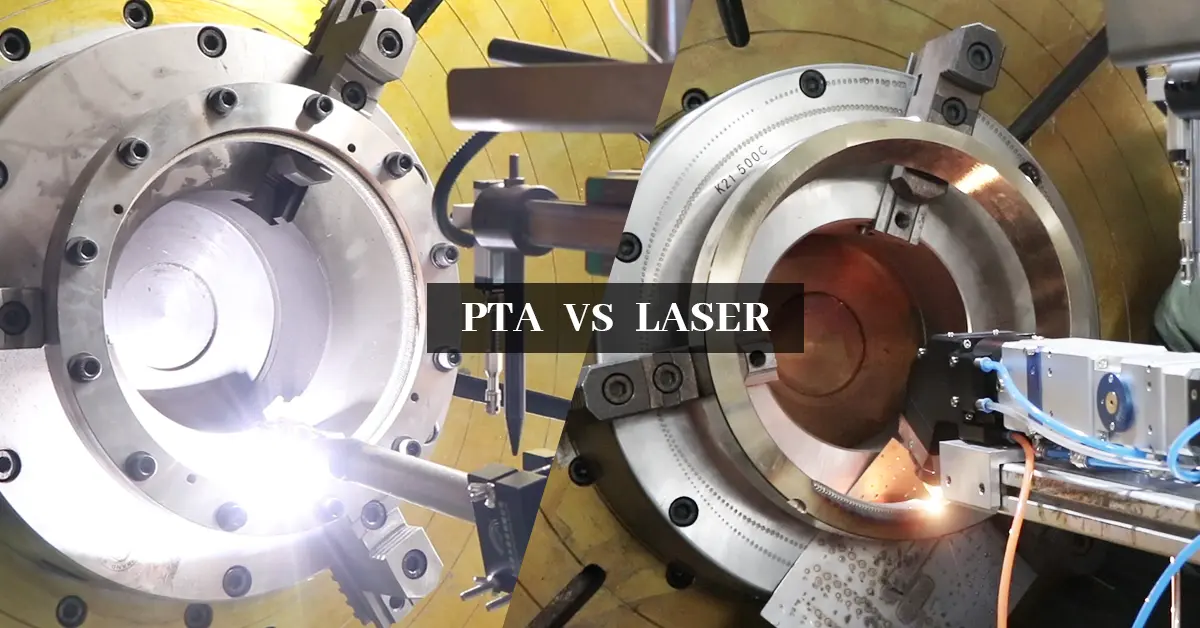
Advanced hardfacing machines designed for automatic, long-term operational stability.
Advanced surfacing technologies deliver performance by addressing the specific, real-world wear conditions of each localized application.
Petrochemical valves operate under cyclic thermal loads and high pressure drop, causing severe slurry erosion. Standard valve steels fail rapidly without surface protection. Deploying automatic PTA cladding systems to apply a 2.5mm layer of Stellite 6 alloy provides robust wear protection. With dilution kept under 5%, the valve face retains its wear and erosion resistance, extending the operational lifecycle of critical industrial pipelines.
In power generation and steelmaking, coal and ash-handling conveyor screws face severe continuous sliding abrasion. Standard hardfacing rods can cause thermal stress and base-metal distortion. Using automated plasma powder cladding allows for the high-efficiency deposition of Chromium Carbide or Tungsten Carbide composites. The result is a smooth overlay that reduces drag while extending the conveyor screw's working life by up to 5 times.
Hydraulic cylinders in marine, offshore, and heavy mining environments are vulnerable to salt-spray corrosion and mechanical scratching. Traditional chrome plating is environmentally problematic and prone to delamination. Automated laser cladding systems deposit a thin, pore-free layer of nickel-chromium alloy, forming a dense metallurgical bond. This offers superior corrosion and impact resistance compared to standard electroplating.
For inquiries about our products or custom price quotes, please get in touch. Our technical team will respond within 24 hours.
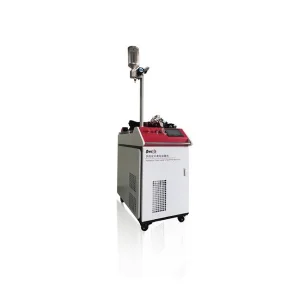
Get in touch / SubscribeExplore our lineup of automatic welding systems, robotic positioners, and portable laser cladding solutions.
Shanghai Duomu systems are built to meet demanding global engineering specifications and integrate into automated production lines.







 Duomu
Duomu