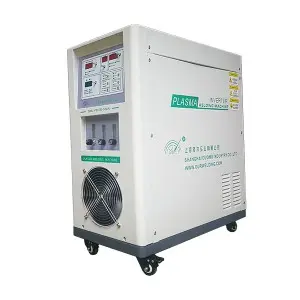
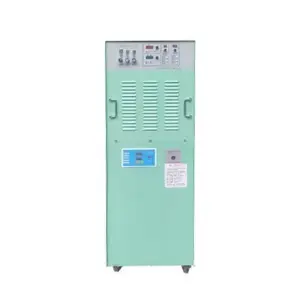
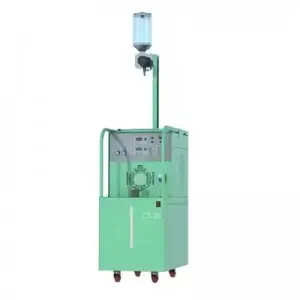
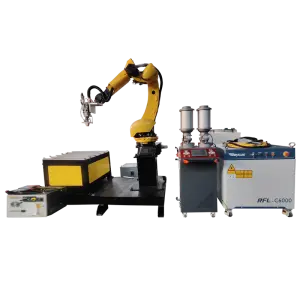
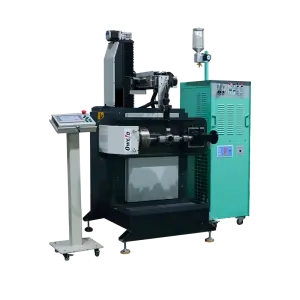
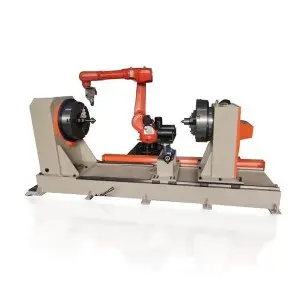
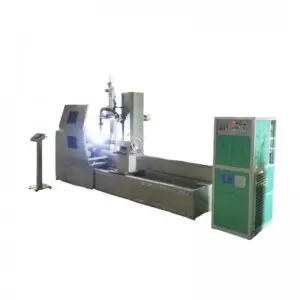
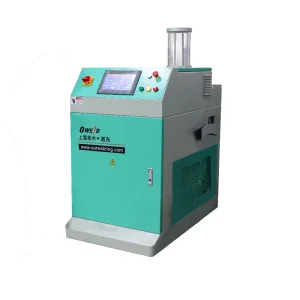
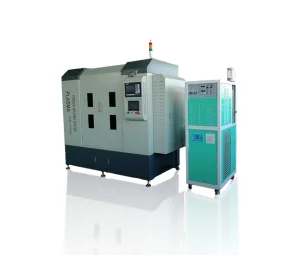
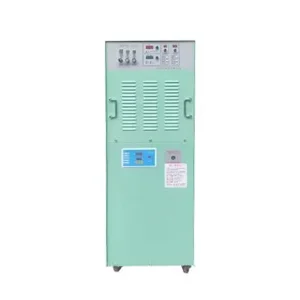
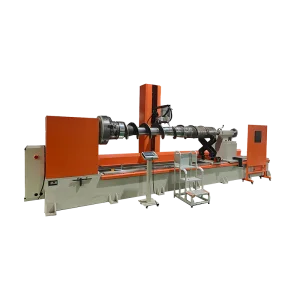
Engineered for high duty cycles, extreme wear resistance, and high-precision welding processes.
Exploring the engineering shifts, metallurgical innovations, and macroeconomic drivers behind precision aluminum joining.
In modern industrial manufacturing, lightweighting has transitioned from a design choice to an absolute economic and environmental imperative. Aluminum alloys, recognized for their superior strength-to-weight ratios, high corrosion resistance, and thermal conductivity, are central to this transformation. However, joining aluminum reliably has historically challenged standard welding methodologies. This is where Plasmaschweißen Aluminium (Plasma Welding of Aluminum) has established itself as the premium process for high-integrity structural applications.
Aluminum's affinity for oxygen leads to the immediate formation of Al₂O₃ (Aluminum Oxide) on its surface. While this oxide layer provides natural corrosion defense, its melting point (~2072°C) is significantly higher than that of the underlying aluminum (~660°C). Attempting to weld aluminum without breaking down or removing this oxide layer results in severe weld defects, including oxide inclusions, lack of fusion, and high porosity. Traditional TIG (Gas Tungsten Arc) welding handles this via AC balance, but it lacks the thermal concentration needed for thicker structures. Plasma welding resolves this by utilizing a highly constricted arc with extremely high energy density, allowing for "keyhole" welding which ensures complete penetration and automatically flushes contaminants to the surface.
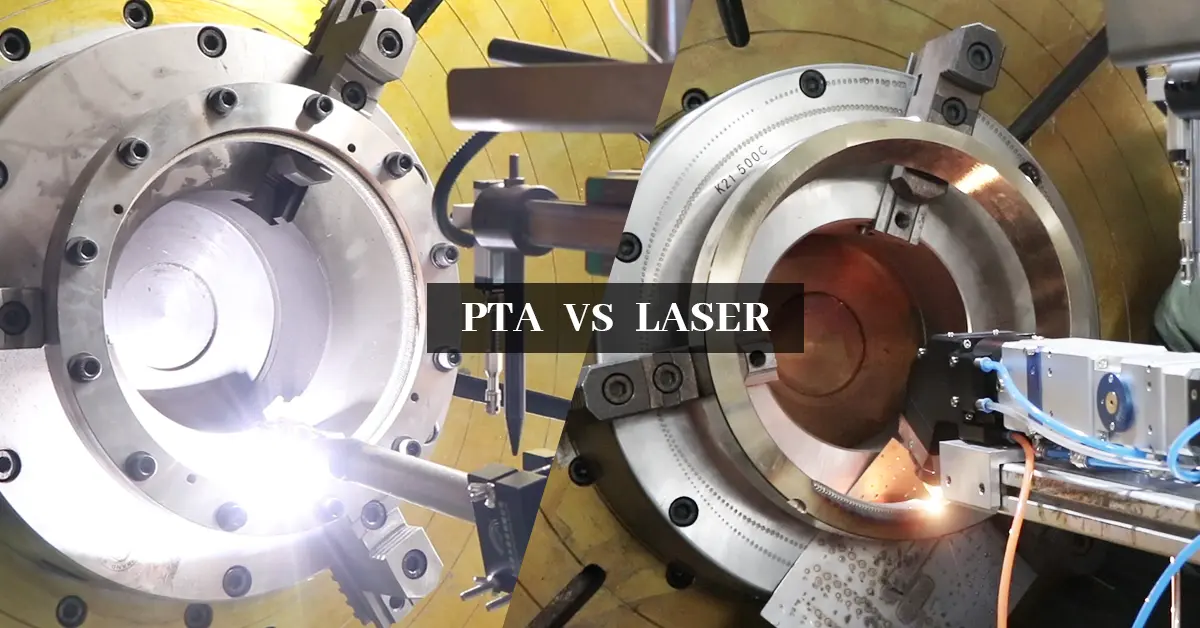
When selecting a process for high-throughput factories, engineers evaluate several parameters: arc stability, joint preparation requirements, distortion levels, and capital cost. While Laser Cladding and Welding offer high precision, their reflective nature on aluminum surfaces can lead to energy loss and expensive optic damage. Standard TIG, though flexible, exhibits lower welding speeds and higher heat input, leading to structural deformation. Plasmaschweißen sits at the sweet spot, offering laser-like thermal concentration at a fraction of the cost, making it the preferred method for demanding fields such as aerospace tank fabrication, railway carriages, and heavy-duty structural piping.
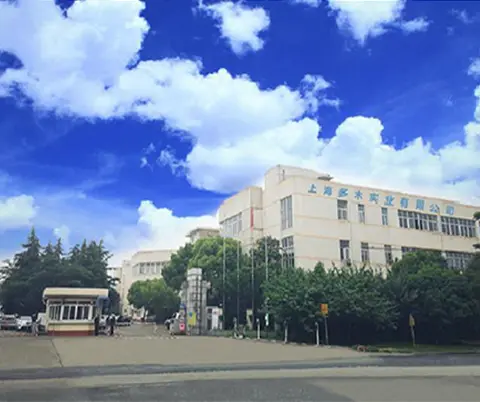
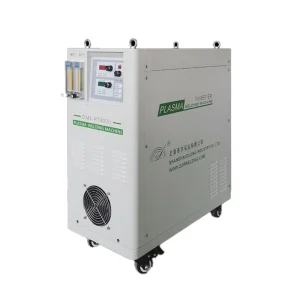
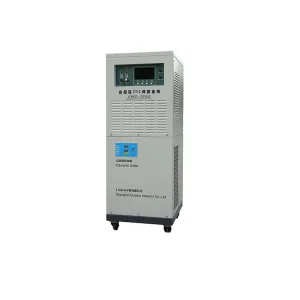
As global manufacturing demands higher precision with compressed lead times, Chinese factories have transitioned from scale production to high-tech customized solutions. Shanghai Duomu has been at the forefront of this shift, pioneering advanced PTA (Plasma Transferred Arc) and Laser cladding machines for more than ten years.
Our production facilities combine robust supply chain networks with strict QA/QC testing. By integrating CAD/CAM systems with multi-axis CNC positions, we deliver customized tooling and torches that guarantee high durability, minimal duty-cycle interruptions, and stable long-term operation under extreme industrial conditions.
Explore Full RangeFrom deep-sea exploration to orbital defense, our plasma and laser systems ensure reliable components life.


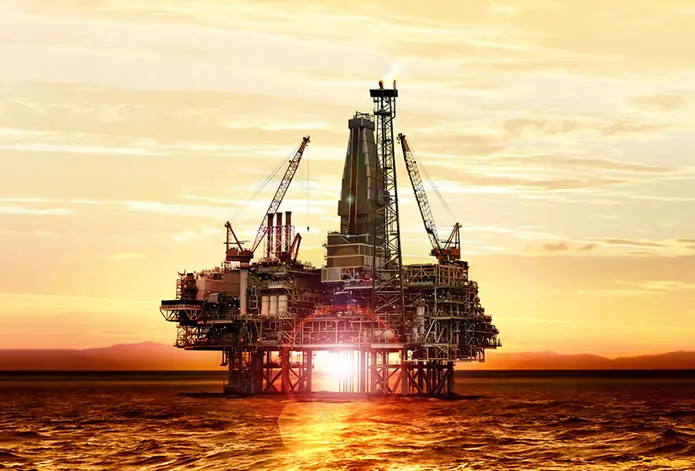
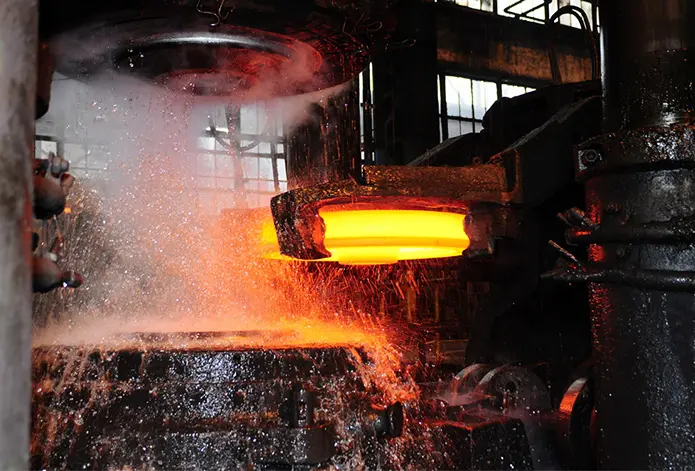
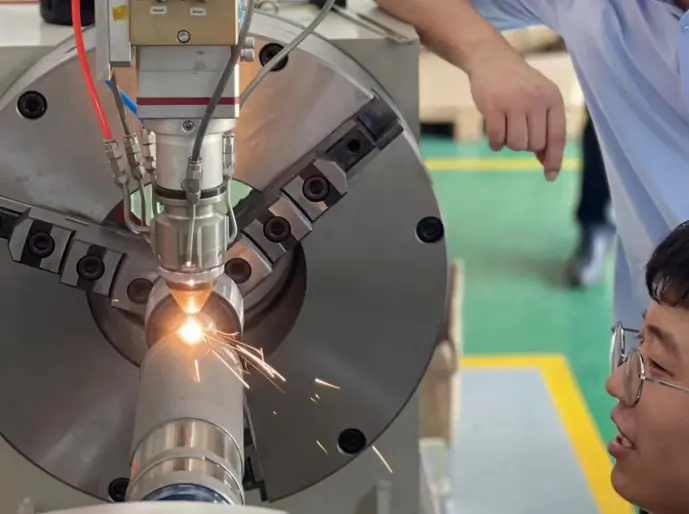
Our dedicated R&D department is focused on continuous innovation in plasma power supplies, precise powder feeding mechanisms, and custom multi-axis CNC systems. Our primary goal is to lower dilution rates and achieve stable arc controls across long operating periods.
By using digital telemetry, our systems monitor parameters such as pilot arc current, gas flow rates, and nozzle cooling water temperature in real-time. This helps heavy industrial sectors like petrochemicals and mining minimize downtime and reduce waste during manufacturing cycles.
Consult an EngineerTailored configurations for specific industrial demands, including hydraulic rods, coal mine picks, and screw elements.
In the Plasmaschweißen Aluminium process, cleaning the base metal is not merely mechanical. When using Variable Polarity (VP), the reverse polarity cycle (EP - Electrode Positive) causes heavy argon ions to strike the surface of the aluminum workpiece. This bombardment physically strips away the refractory Al₂O₃ oxide layer, a phenomenon known as cathodic cleaning or cathodic sputtering. Because the EP phase concentrates heat on the tungsten electrode (which can cause nozzle wear if maintained too long), modern controllers must dynamically balance the EP and EN (Electrode Negative) phases. Achieving the ideal balance ensures adequate cleaning while preserving the service life of the torch nozzle and focusing elements.
Liquid aluminum has a much higher solubility for hydrogen than solid aluminum. As the weld pool cools, hydrogen gas is rejected from the solidifying front, leading to porosity. To avoid this, a laminar gas shield is crucial. The central plasma gas (typically pure Argon) must be protected by a secondary shielding gas envelope (often an Argon-Helium mix). Helium increases the arc temperature and broadens the weld profile, allowing gas bubbles to escape before the pool solidifies. Additionally, regulating the powder feeding speed during PTAW hardfacing controls the dilution rate, preventing internal cracking in structural elements.
For plate thicknesses exceeding 4mm, traditional V-groove preparations require multiple filler passes. Plasma arc welding bypassed this by operating in "keyhole" mode. The high pressure of the constricted plasma jet pushes aside the molten metal, creating a stable hole directly through the joint. As the torch moves forward, surface tension forces the liquid metal to flow back around the cavity, creating a single-pass full-penetration weld. This approach dramatically reduces gas usage, filler wire consumption, and overall cycle times.
Read about our application experiences and how we optimize components performance across different sectors.
"The PTA Welding Valve Application Guide is not just a process choice for valve manufacturers facing high wear, high corrosion, and high-temperature erosion working conditions, but also a key path to improving product competitiveness."
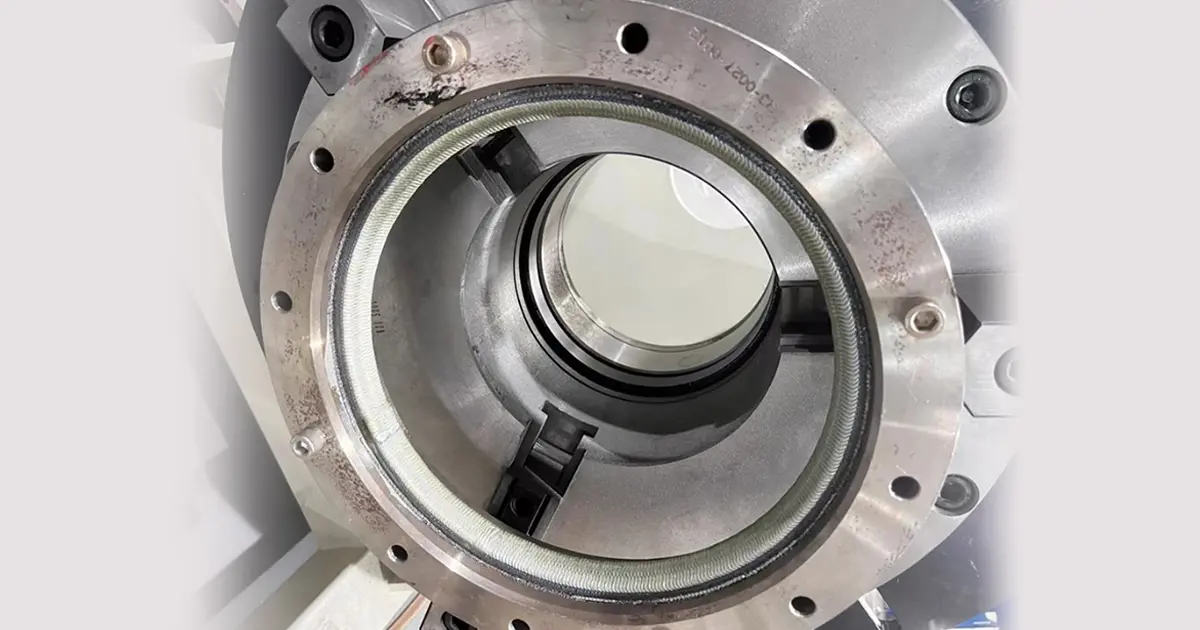 Valve Manufacturing Sector
"In industries such as mining, cement, power generation, steelmaking, chemical processing, and biomass energy, screw conveyors are often regarded as auxiliary equipment. However, maintenance data shows that they are among the most frequent causes of unplanned production downtime..."
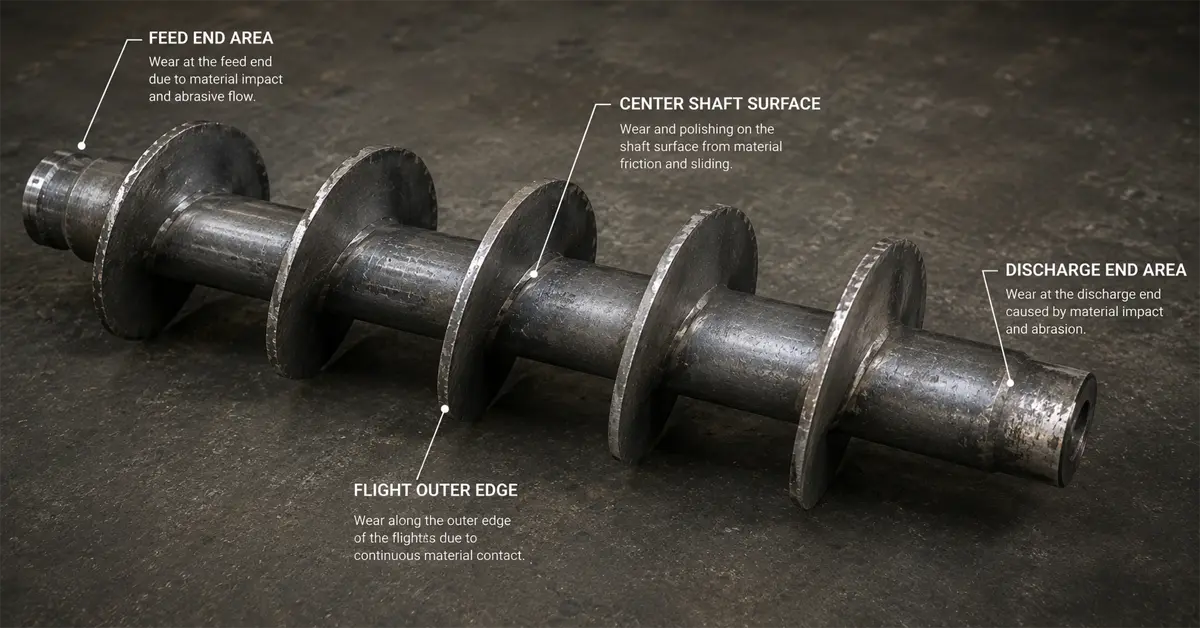 Bulk Handling Industry
"In Plasma Transferred Arc (PTA) hardfacing, achieving a high-quality overlay is not only about selecting the right alloy powder or optimizing welding parameters. One of the most critical factors that directly affects overlay performance is the dilution rate."
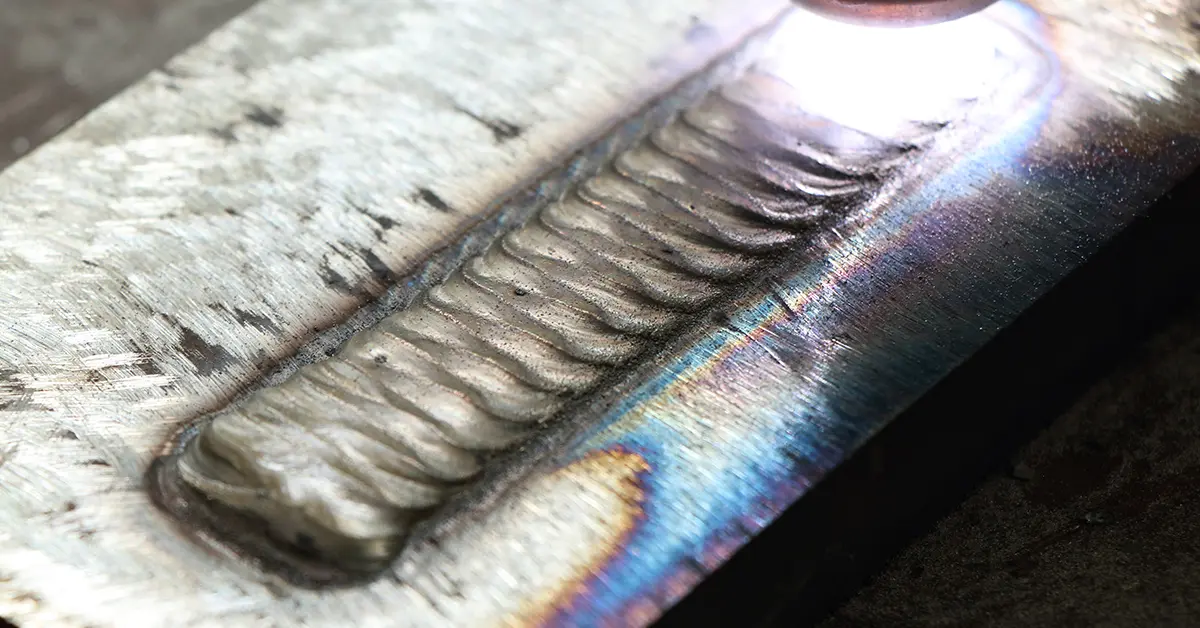 Metallurgical Coatings Division
"In industries such as Oil & Gas, Mining, Power Generation, Cement, and Heavy Equipment Manufacturing, hardfacing is no longer just a repair process. It has become a critical technology directly related to equipment lifespan, downtime costs, and maintenance frequency."
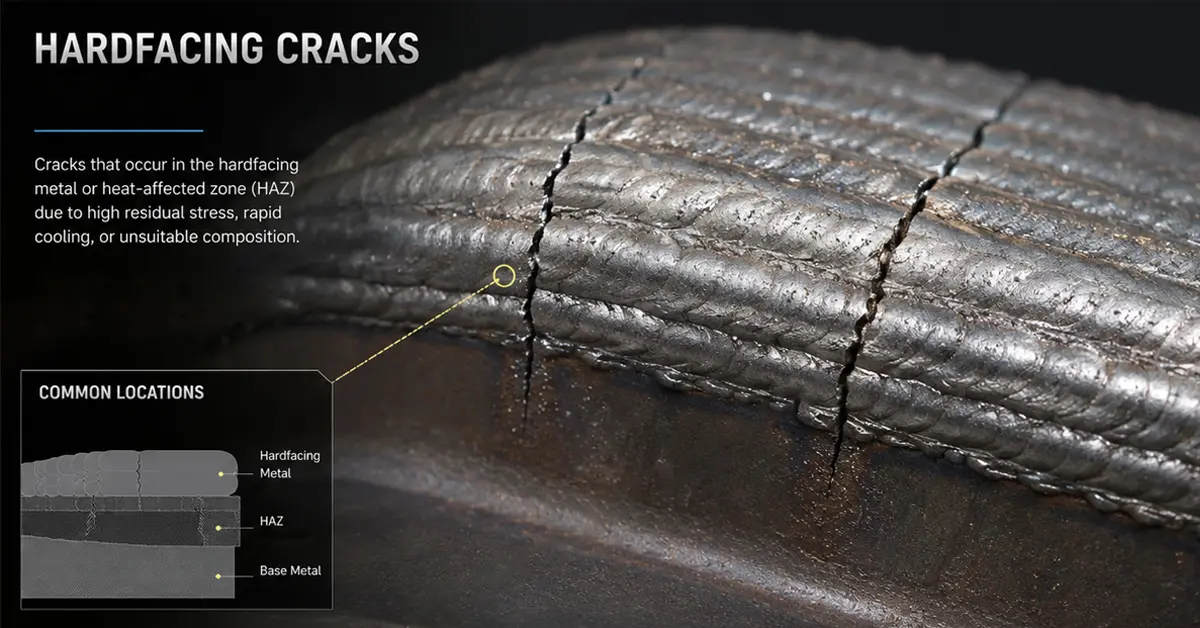 Heavy Machinery Engineering
"In industries such as oil & gas, petrochemical, power generation, mining, and marine engineering, industrial valves are constantly exposed to severe operating conditions including: High pressure, Extreme temperatures, Corrosive media, and Abrasive wear."
 Petrochemical Flow Control
Get answers to common queries regarding processes, equipment selection, and procurement logistics.
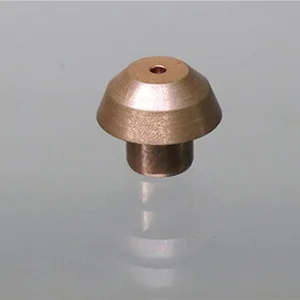
Plasma welding constricts the arc through a specialized copper nozzle, creating a highly focused column of energy. This column produces a narrower heat-affected zone (HAZ), reducing structural distortion and increasing welding speeds by up to 300% on thicker aluminum plates compared to standard TIG.
Variable Polarity alternates between Electrode Negative (EN) for penetration and Electrode Positive (EP) for cleaning. The EP phase accelerates positive argon ions toward the aluminum surface, blasting away the refractory Al₂O₃ oxide layer without overheating the tungsten electrode.
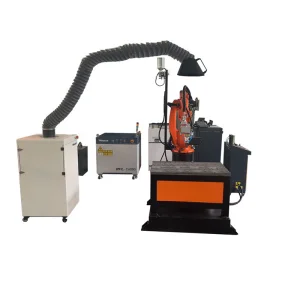
Yes. Our systems, including the Robotic Laser Cladding and Automatic Plasma Cladding controllers, feature fieldbus interfaces (Profibus, Profinet, DeviceNet) for smooth integration with major robot brands like KUKA, ABB, and Fanuc.
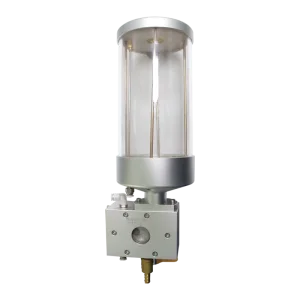
The powder feeder delivers metal alloy powder to the plasma arc. Shanghai Duomu's feeders use a high-precision rotary wheel and gas carrier system to ensure a steady powder flow, which helps maintain a uniform overlay and reduces dilution rates.
Expanding the boundaries of surface protection with portable and automated laser technologies.
Our technical team will review your specifications and reply with a detailed proposal and pricing within 24 hours.
Get in Touch








 Duomu
Duomu