Explore our premium product portfolio engineered for sub-micron surface preparation, structural hardfacing, and industrial maintenance. As an authority in surface engineering, our setups are integrated globally across complex supply chains.
Modern manufacturing requires strict cleanliness standards to ensure the success of subsequent coating, welding, or structural bonding processes. Traditional surface treatments such as sandblasting, manual scraping, or chemical pickling carry significant disadvantages, including high emissions, chemical disposal costs, and dimensional damage. Today, the industrial landscape is shifting toward the Pulitore Laser Ruggine (Laser Rust Cleaner) to achieve high-performance results without tool wear or chemical contamination.
Laser cleaning relies on nanosecond pulsed fiber lasers to focus intense energy on contaminated surfaces. When the laser hits the metal, the oxide, paint, or grease layer absorbs the light energy, causing it to quickly warm up and vaporize or undergo ablation. The underlying metal, having a much higher thermal threshold, reflects the energy and remains untouched. This self-limiting process allows manufacturers to remove microscopic oxides without changing the material's geometry or mechanical profile.
*Average performance metrics compiled across aerospace, heavy machinery, and precision automotive installations.
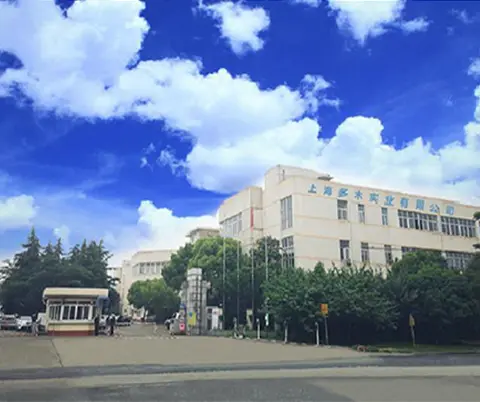
Shanghai Duomu has been a leading manufacturer and exporter of PTA cladding machines and Laser cladding machines for more than ten years, supported by a strong technical background. Our factories run on advanced digital workflows, allowing us to source materials quickly, build modular setups, and run rigorous QA protocols.
By using direct-to-factory supply chains, we cut out intermediaries, providing custom configurations at competitive prices. Whether you require standard handheld pulsed rust cleaners or complex robotic setups, our engineering division ensures structural reliability, long-term stability, and high operational uptime under challenging conditions.
Learn More About UsOur surface cleaning and cladding products have penetrated into key industrial fields. By combining precise energy output with robust movement mechanisms, we provide custom processing solutions for heavy-duty components.

Our hardfacing systems protect soil-engaging parts like plowshares and cultivator teeth from high-stress abrasive wear.

High-precision laser cladding and cleaning technologies restore turbine blades and aerospace engine parts with minimal heat input.

Protects drill collars, valve seats, and offshore risers from high-temperature corrosion and severe mechanical wear.
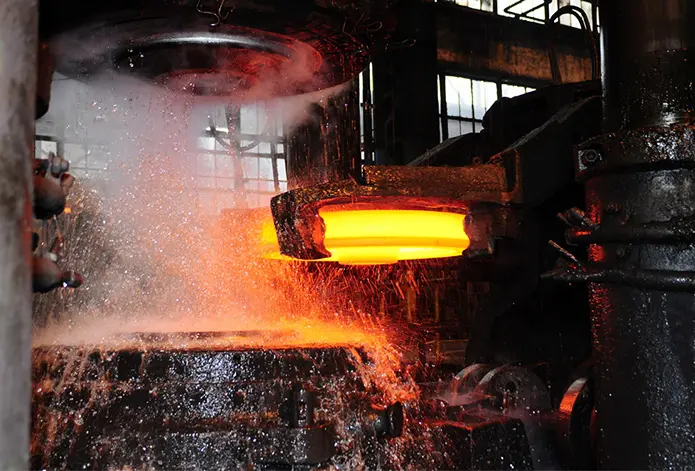
Our cladding systems rebuild roll necks and casting molds, lowering replacement costs in steel and iron foundries.
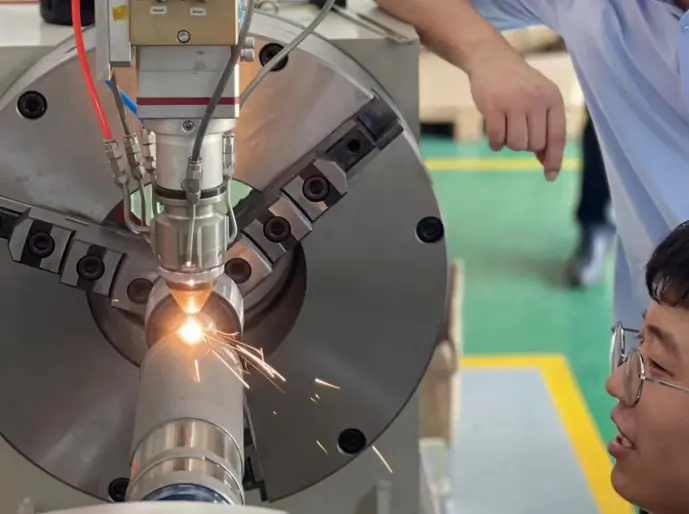
We maintain an independent R&D team that develops, produces, and sells plasma cladding and laser cleaning equipment. Our machines feature stable performance and can run efficiently over long shifts. In addition, our laser cladding systems support large-scale remanufacturing projects. We use proven technology to provide complete industrial equipment solutions.
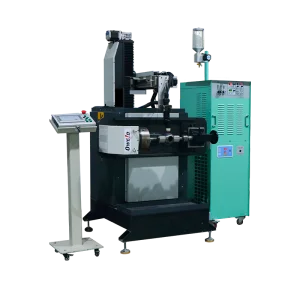
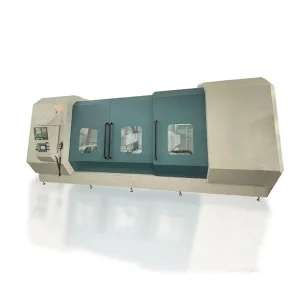
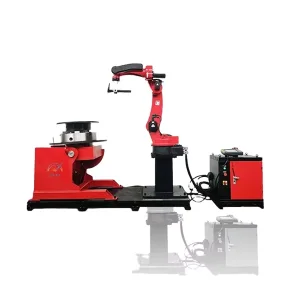
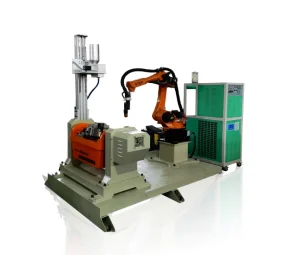
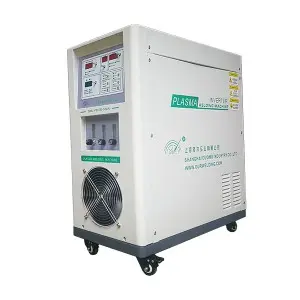
We can provide customized equipment, automatic laser cladding systems, automatic plasma cladding equipment, and intelligent robot cladding machines according to client specifications. This includes specialized industry equipment such as hydraulic rod cladding machines, pick cladding setups, and valve cladding systems.
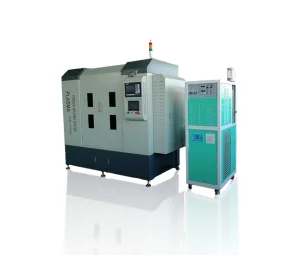
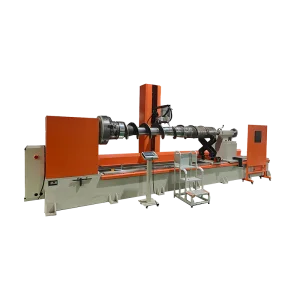
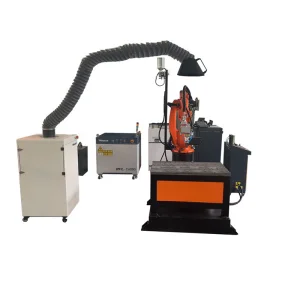
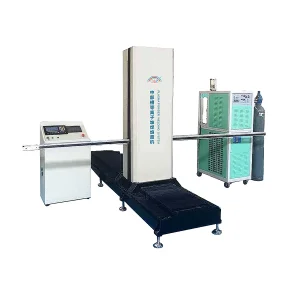
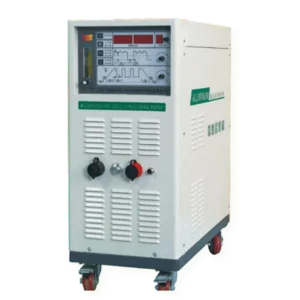
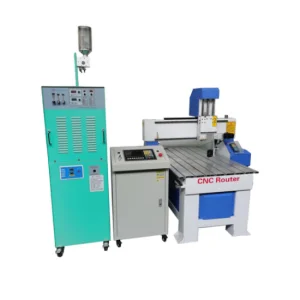
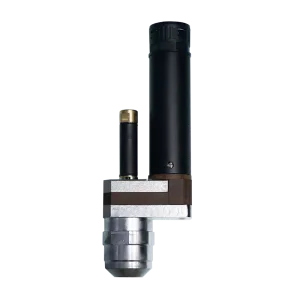
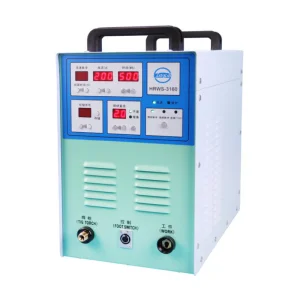
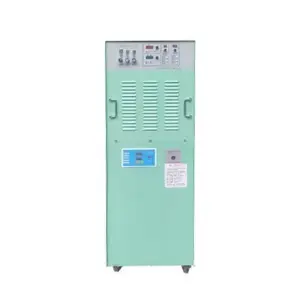
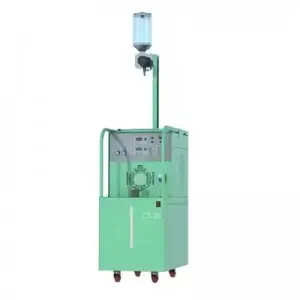
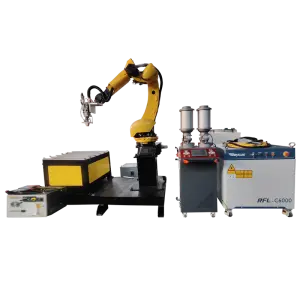
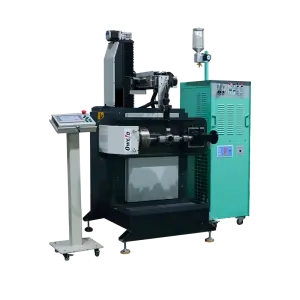
Get Technical SupportBelow is a selection of our specialized systems, built for automated cladding, surfacing, and local hardening applications across various industries.
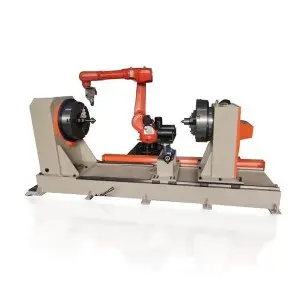
Discover real-world applications, engineering briefs, and process choices that help leading manufacturers optimize their surface treatments, prevent unplanned downtime, and reduce material costs.
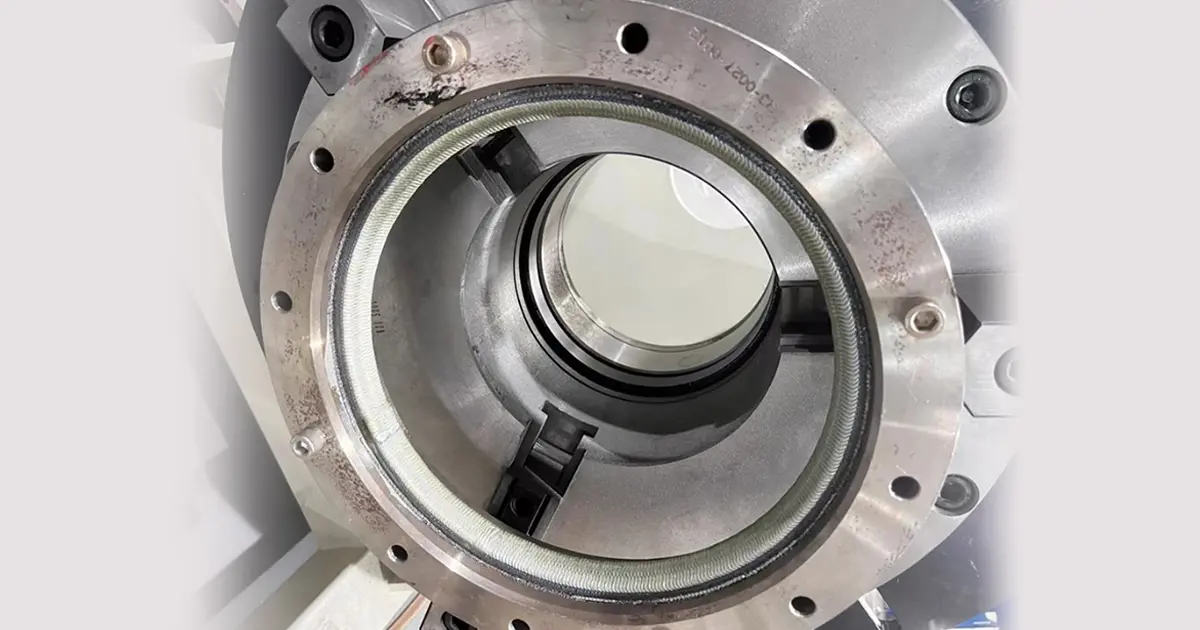
The PTA Welding Valve Application Guide provides a reliable process choice for valve manufacturers dealing with high wear, high corrosion, and high-temperature erosion. As petrochemistry and generation industries demand higher standards, cladding remains a key path to improving product competitiveness.
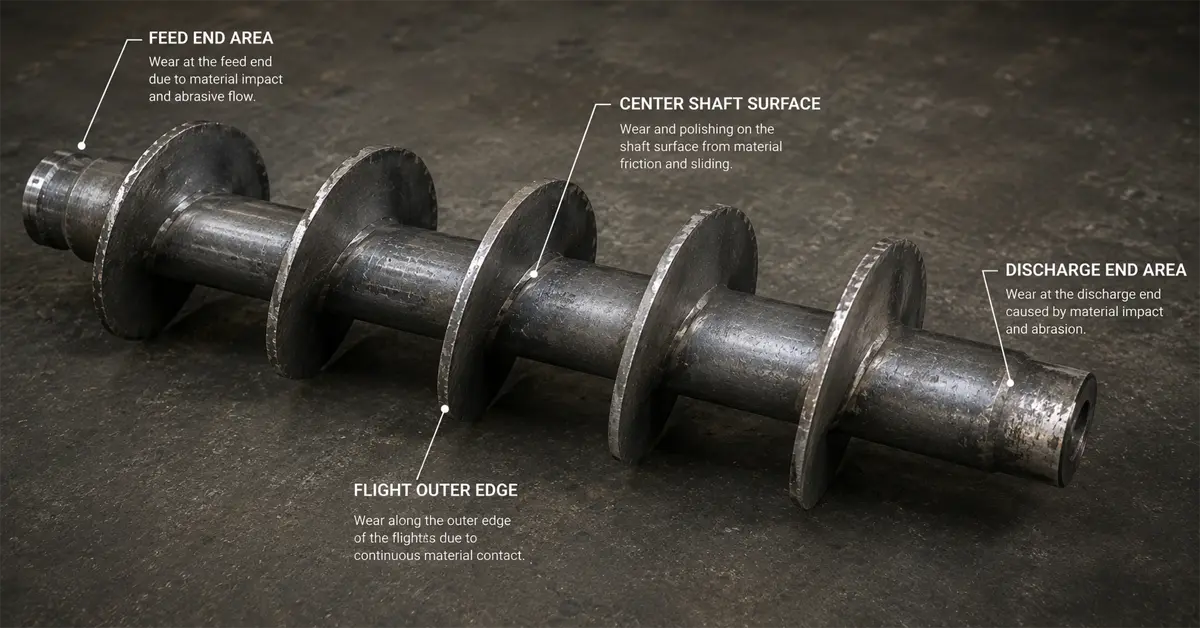
In industries such as mining, cement, power generation, steelmaking, chemical processing, and biomass energy, screw conveyors are vital for material transport. Maintenance data shows they are among the most frequent causes of unplanned production downtime if left unprotected against severe abrasion.
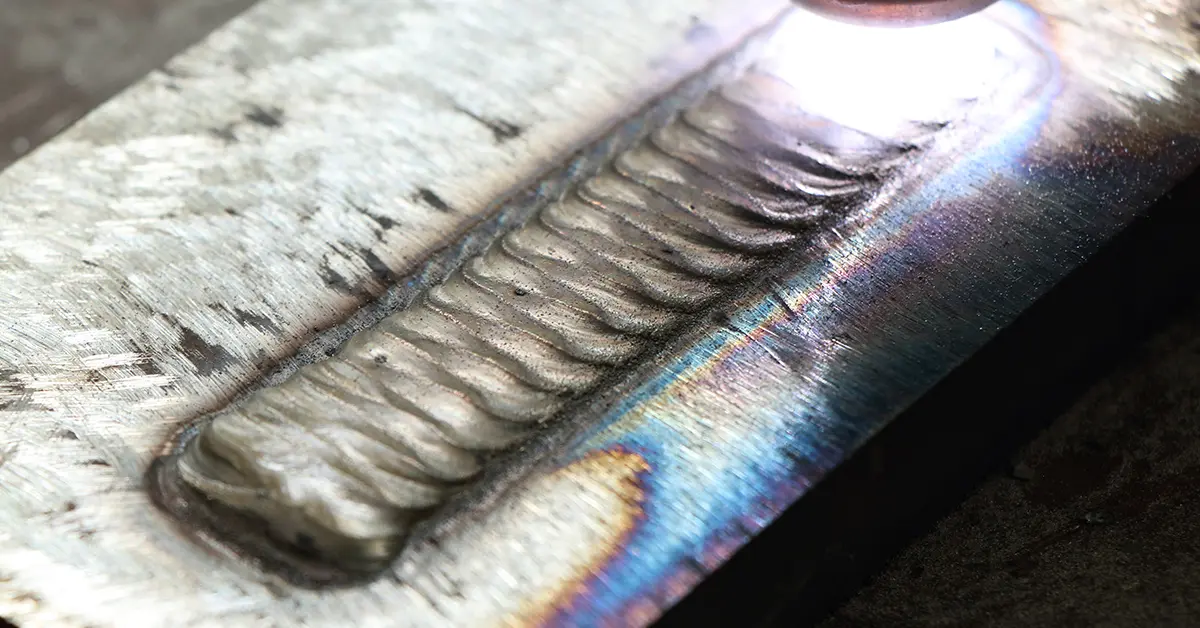
In PTA hardfacing, achieving a high-quality overlay requires balancing the choice of alloy powder with optimized parameters. The dilution rate is a critical factor that directly affects overlay performance. Minimizing base metal dilution helps maintain the properties of the wear-resistant overlay.
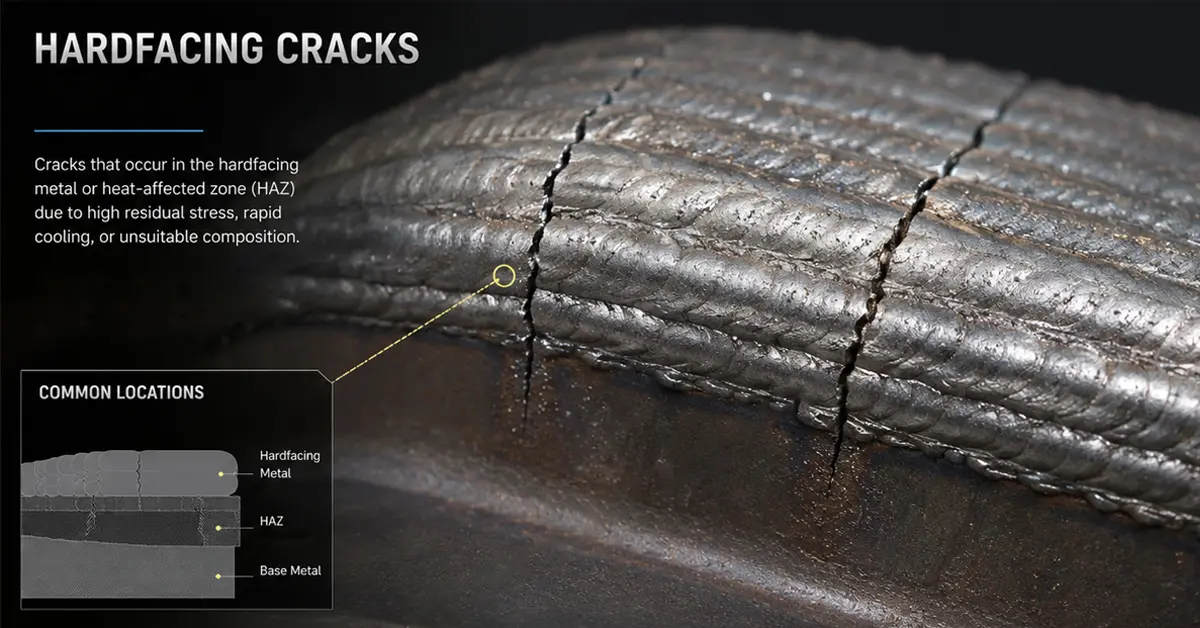
In Oil & Gas, Mining, Power Generation, and Heavy Equipment Manufacturing, hardfacing is a critical tool for extending equipment lifespan. It directly reduces downtime costs, maintenance frequency, and structural replacement budgets under harsh operational loads.
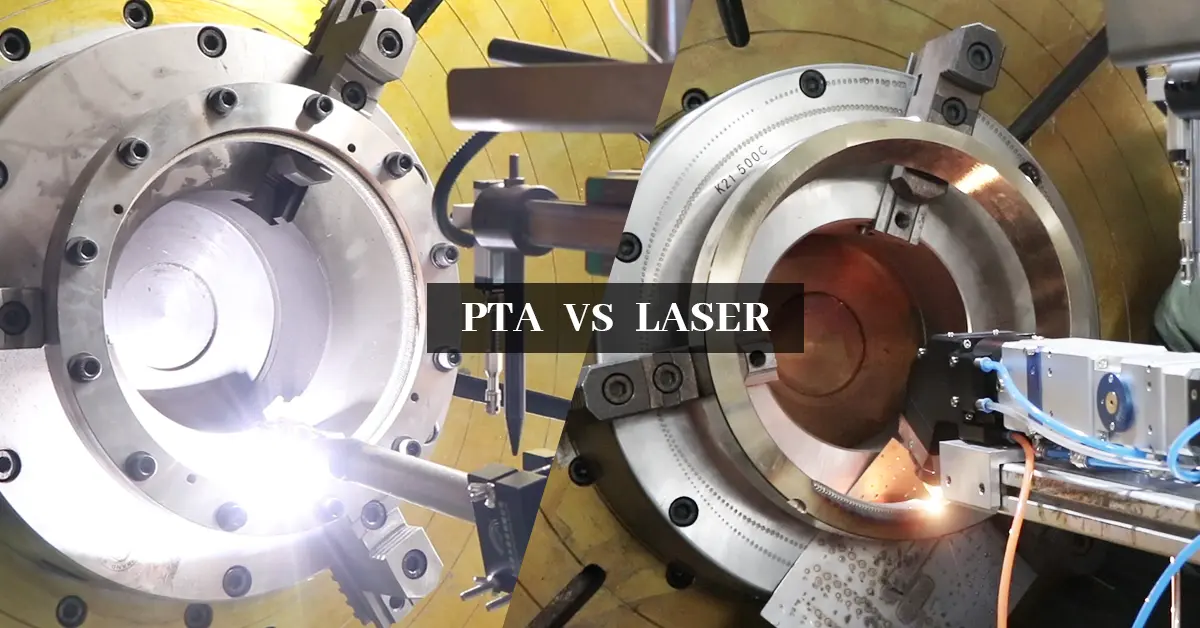
Industrial valves constantly operate under severe conditions: high pressures, extreme temperatures, corrosive fluids, abrasive slurries, and sand erosion. Applying wear-resistant coatings via cladding ensures reliable operation and prevents premature seal failure.
Get answers to common questions about buying, importing, and operating fiber laser cleaners (Pulitore Laser Ruggine) from China factories.
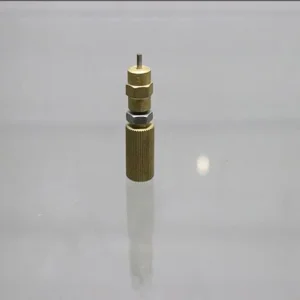
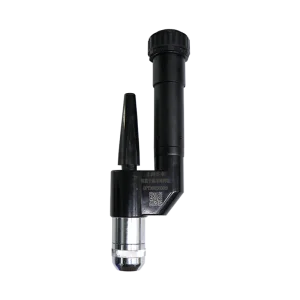
Verify our complete technical range. We design automated assemblies, precision torches, and positioning accessories to provide consistent performance across various manufacturing environments.





 Duomu
Duomu