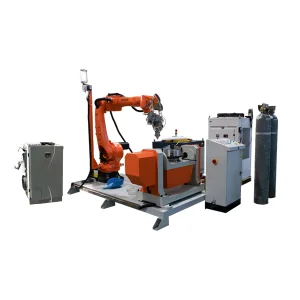
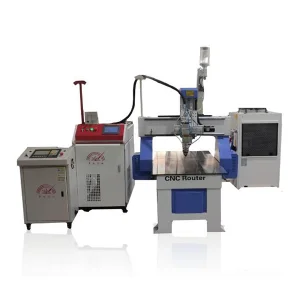
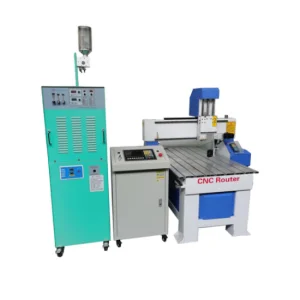
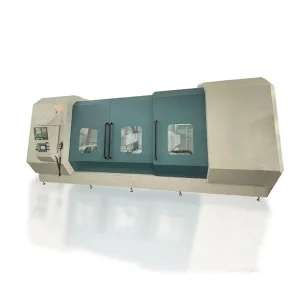
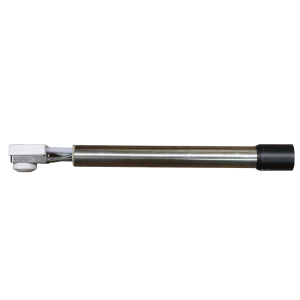
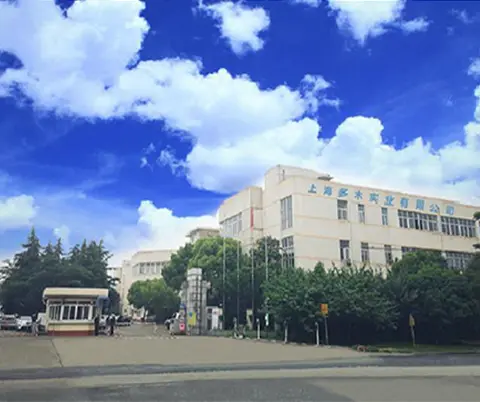
Direct supply from Shanghai Duomu — providing robust R&D, structural reliability, and industry-grade customization.
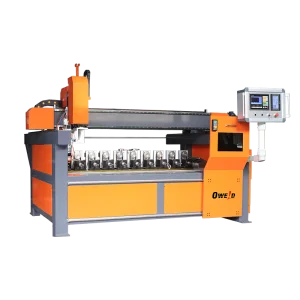
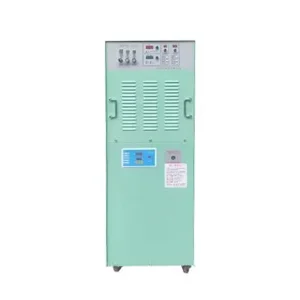
TIG welding (Tungsten Inert Gas or GTAW) has long been the gold standard for high-quality, neat joints. However, when we analyze the demands of modern surface engineering, wear resistance, and heavy-duty overlay, traditional manual TIG welding faces severe limitations (desventajas) that can negatively affect your production timeline, cost efficiency, and performance parameters.
Traditional TIG processes feed constant high heat into the base alloy. This leads to a broad Heat-Affected Zone (HAZ), resulting in thermal stress deformation, metallurgical changes, and micro-cracking risk in high-performance base metals.
For operations aiming for surface rebuilding, hardfacing, or cladding of critical parts (such as hydraulic rods, valve seats, and mining screw flights), standard TIG is often economically and metallurgically unviable.
Why are global procurement managers transitioning away from TIG to Automated Plasma Transferred Arc (PTA) and Laser Cladding? Here is the technological breakdown:
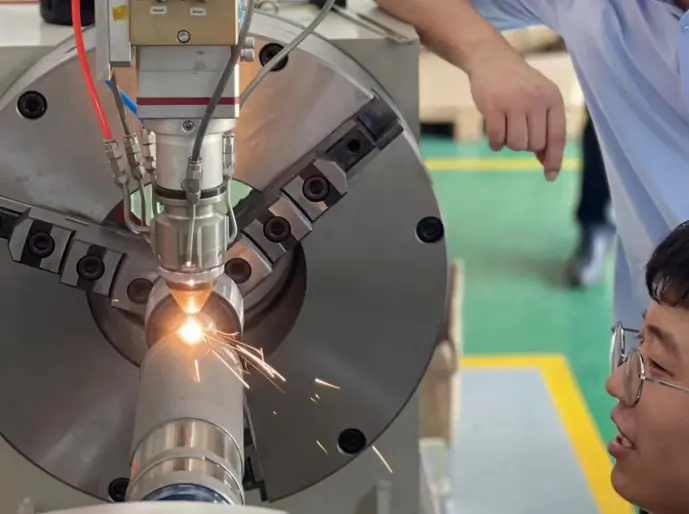
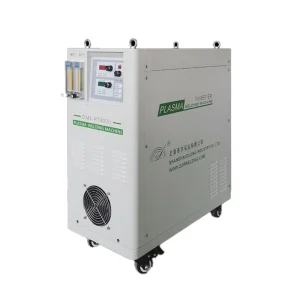
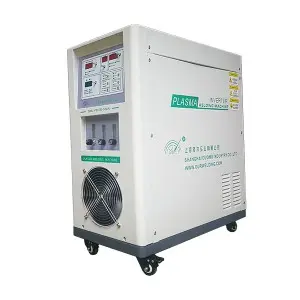
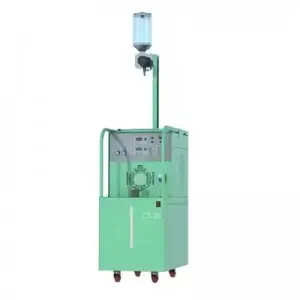
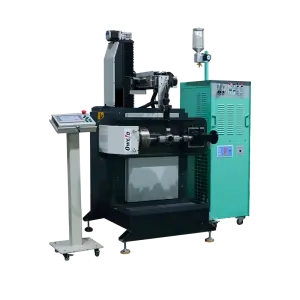
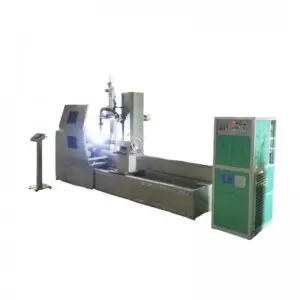
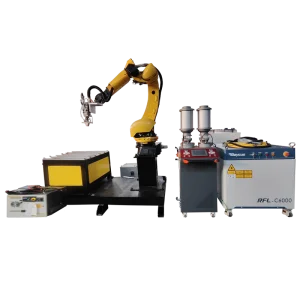
Shanghai Duomu has been a leading manufacturer and exporter of PTA cladding machines and Laser cladding machines for more than ten years, supported by a strong technical background. We maintain an independent R&D team that develops, produces, and sells plasma cladding machinery equipment.
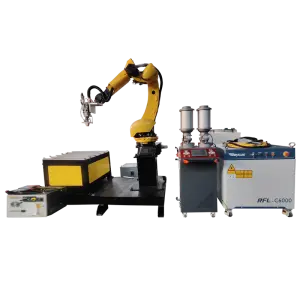
Our systems provide a stable arc structure, uniform powder delivery, and low heat input, addressing the core limitations of TIG processes. The welding machine maintains stable, high-efficiency, long-term operation. In addition, the laser cladding equipment sold by our company effectively supports large-scale remanufacturing projects.
We provide complete, automated industrial equipment solutions, including customized systems designed to match specific factory floor space, cycle times, and budget restrictions.
Currently, our products serve sectors such as aerospace, defense, nuclear power, petrochemicals, coal mines, metallurgy, forging, agriculture, water conservancy, and electric power.

Protecting tillage parts, plowshares, and harvester blades against heavy soil abrasion and mechanical impact.

Meeting tight tolerances, minimized HAZ requirements, and high-performance alloy coating needs for turbine blades and aerospace structural components.
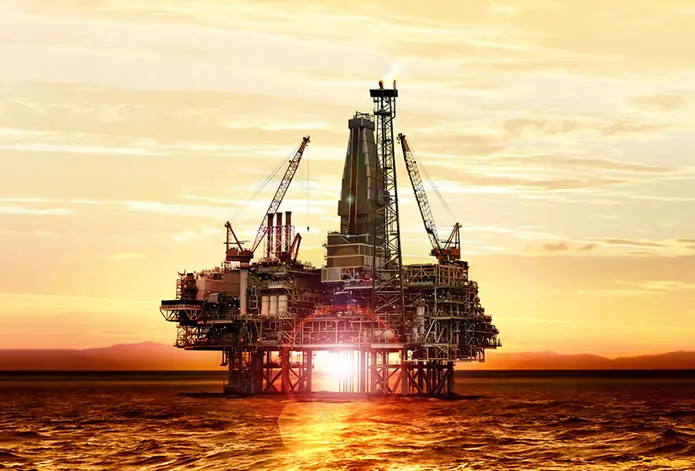
Defending drill pipes, mud pumps, and valves against high-pressure, corrosive media, and sand erosion in deepwater oil fields.
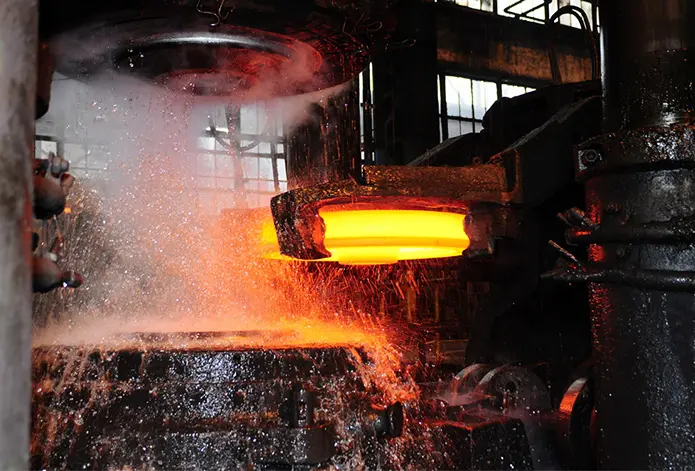
Extending the lifespan of continuous casting rollers, hot guide rolls, and extrusion dies operating under high thermal fatigue.
Purchasing advanced cladding and automation equipment from China is no longer just about competitive pricing. Today, China's modern manufacturing plants leverage integrated industrial ecosystems, enabling rapid engineering design cycles, stable material supply chains, and advanced system integrations.
From raw metal powder chemistry to custom multi-axis CNC gantries and optical components, we control the entire assembly line to ensure consistent quality.
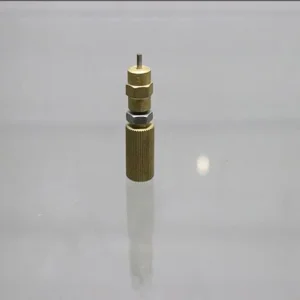
Our engineers design, simulate, and produce custom welding torches and CNC programming software within weeks, adapting quickly to specific customer needs.
Every machine is thoroughly tested under full load and thermal cycles, satisfying international CE, ISO, and pressure vessel specifications.
Located in Shanghai, Duomu offers direct access to container ports, minimizing shipping delays and streamlining customs clearance.
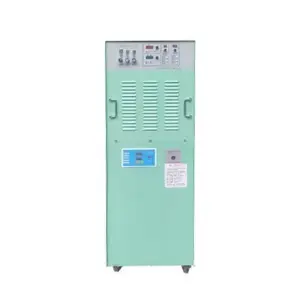
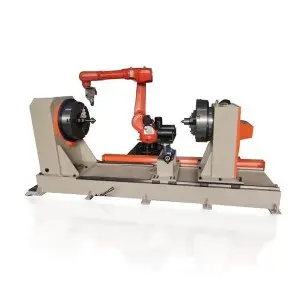
We supply customized equipment, automatic laser cladding equipment, automatic plasma cladding equipment, and intelligent robot cladding systems according to customers' requirements.
See how engineers and technical directors worldwide analyze wear mechanics, dilution rates, and process selection.
"The PTA Welding Valve Application Guide is not just a process choice for valve manufacturers facing high wear, high corrosion, and high-temperature erosion working conditions, but also a key path to improving product competitiveness."
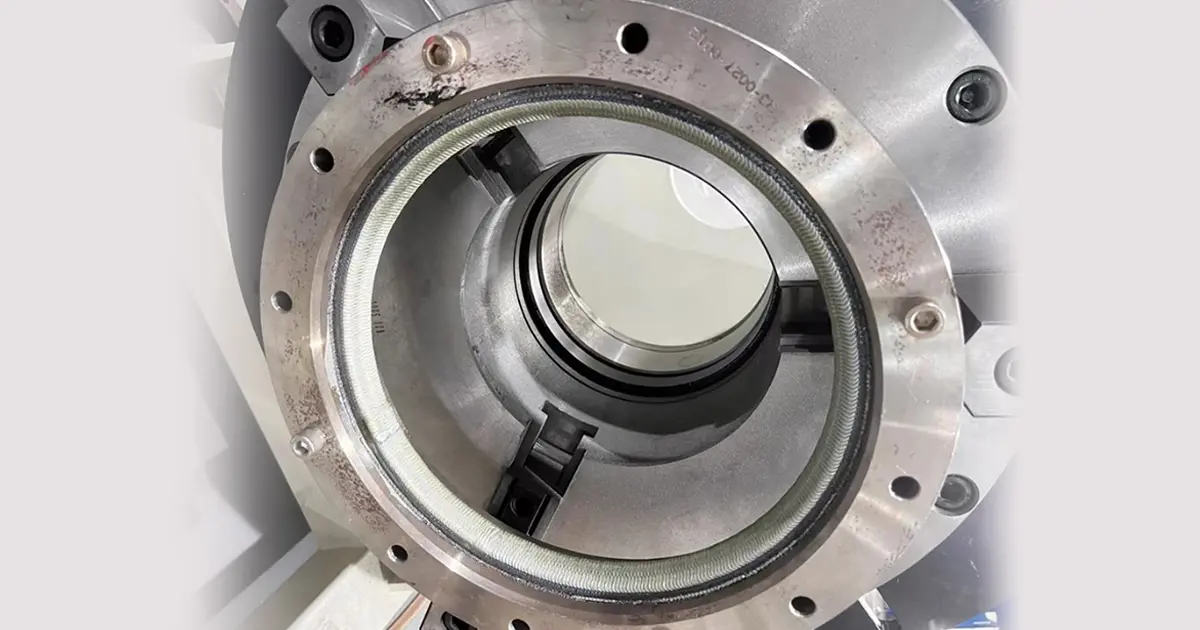
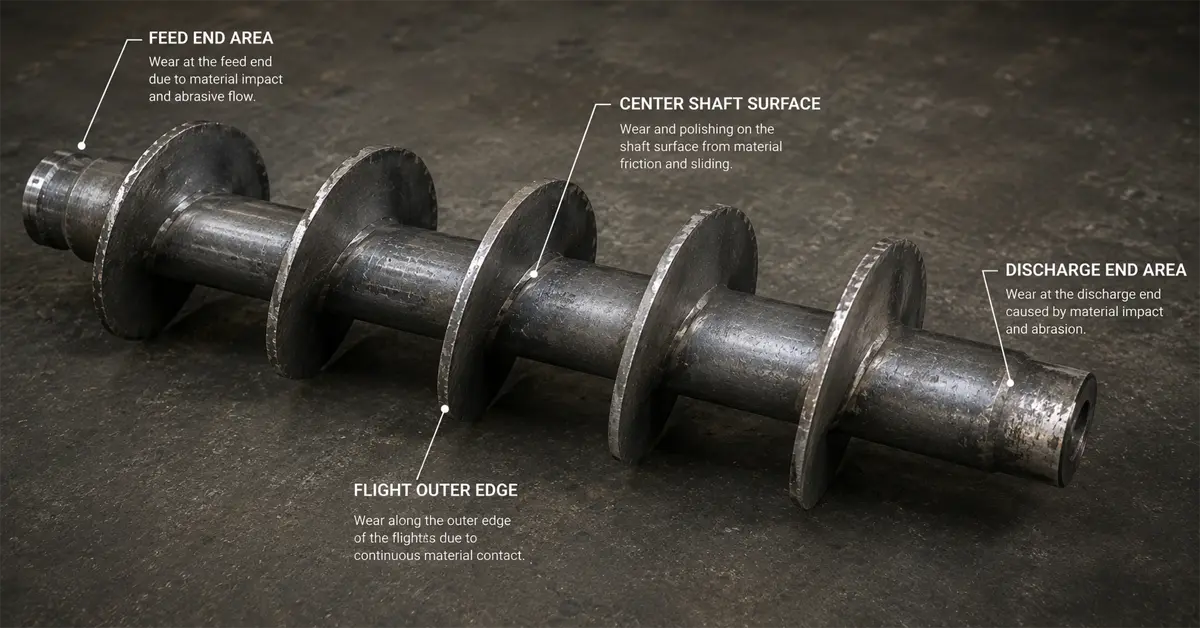
"In industries such as mining, cement, power generation, steelmaking, chemical processing, and biomass energy, screw conveyors are often regarded as auxiliary equipment. However, maintenance data shows that they are among the most frequent causes of unplanned production downtime."
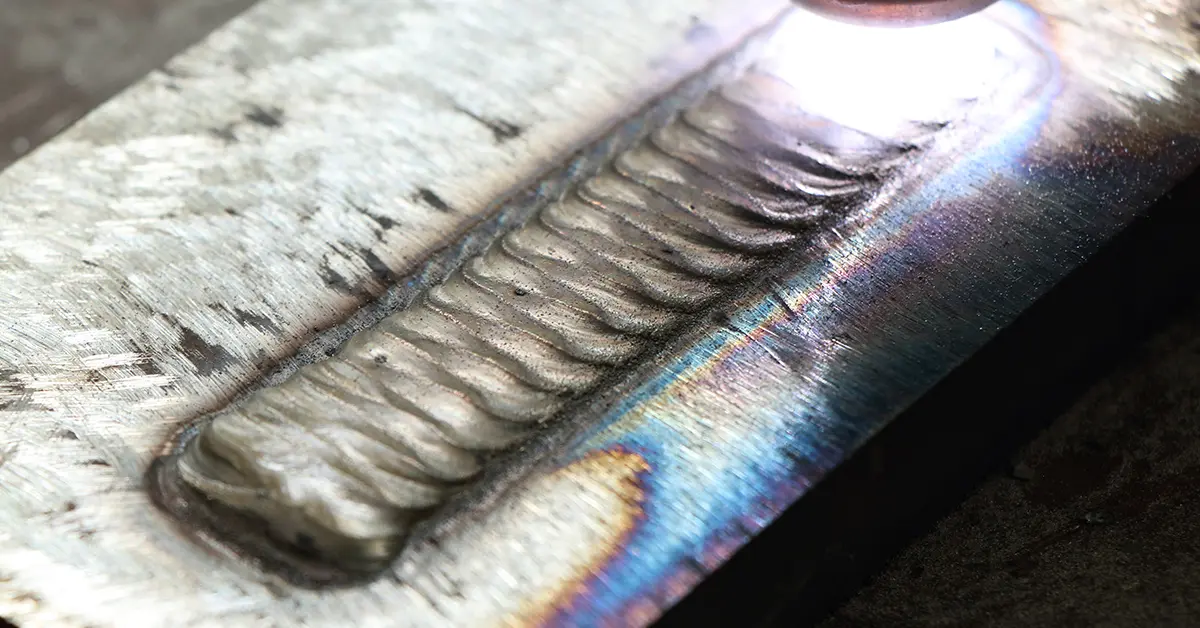
"In Plasma Transferred Arc (PTA) hardfacing, achieving a high-quality overlay is not only about selecting the right alloy powder or optimizing welding parameters. One of the most critical factors that directly affects overlay performance is the dilution rate."
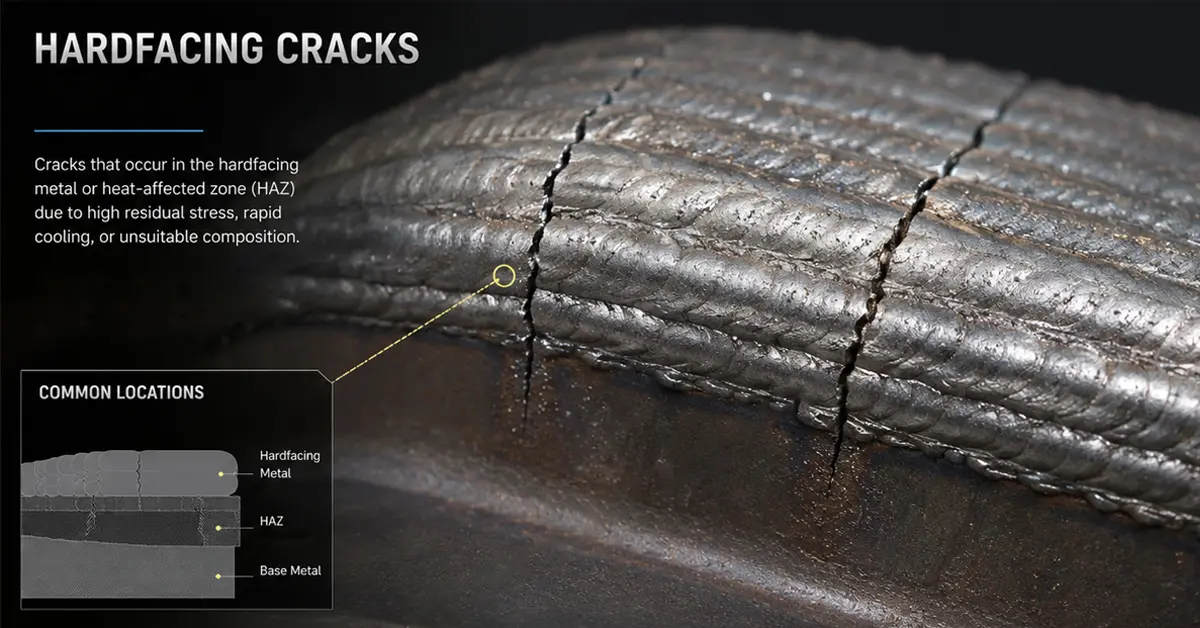
"In industries such as Oil & Gas, Mining, Power Generation, Cement, and Heavy Equipment Manufacturing, hardfacing is no longer just a repair process. It has become a critical technology directly related to equipment lifespan, downtime costs, maintenance frequency, and operational safety."
"In industries such as oil & gas, petrochemical, power generation, mining, and marine engineering, industrial valves are constantly exposed to severe operating conditions including: High pressure, extreme temperatures, corrosive media, abrasive wear, and sand erosion."
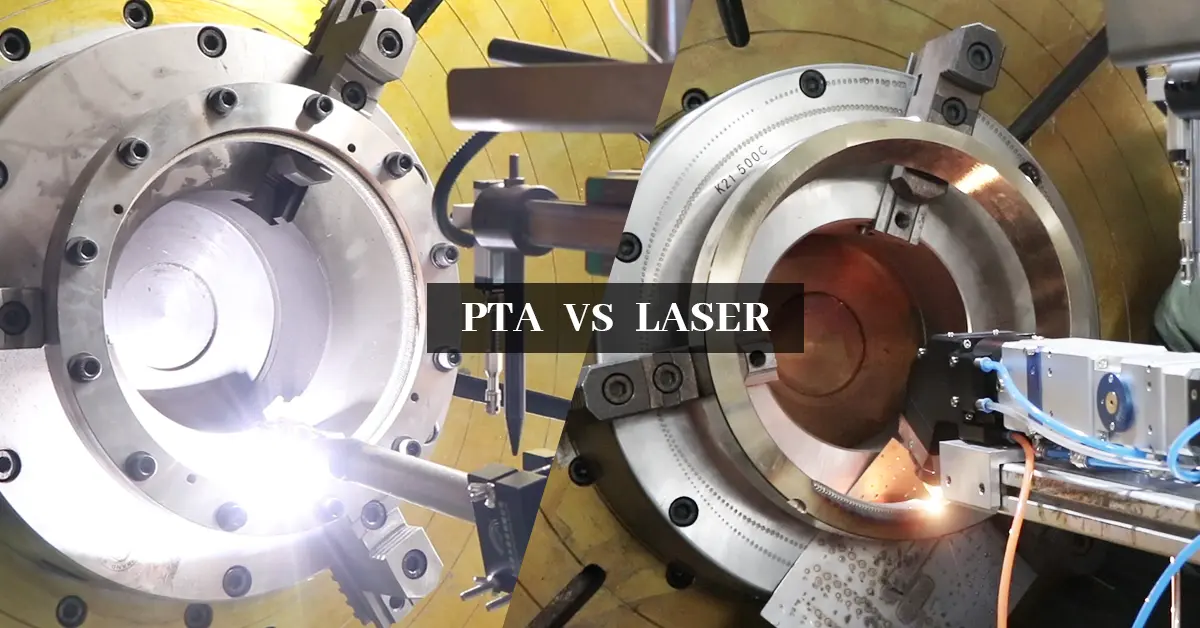
Detailed metallurgical answers for procurement officers and process designers looking to upgrade from TIG to PTA or Laser Cladding systems.
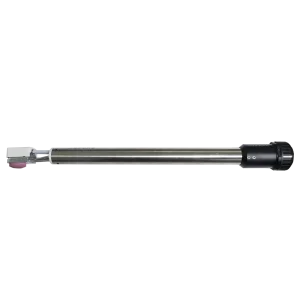
Explore our high-performance plasma torches, consumables, and automated systems engineered for continuous production lines.
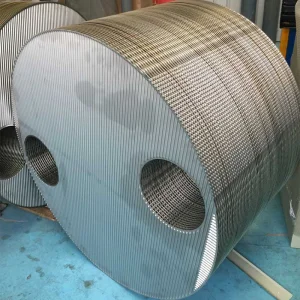
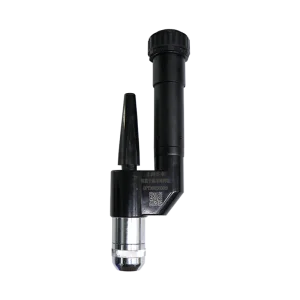
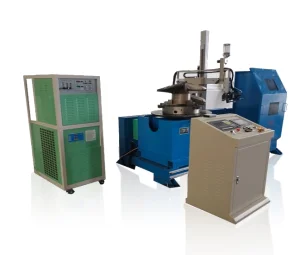
Our systems integrate components from top global suppliers to guarantee operational safety, thermal stability, and precise power regulation.







For inquiries about our products, customized systems, or a current price list, leave your contact information and our engineering team will get in touch within 24 hours.
 Duomu
Duomu