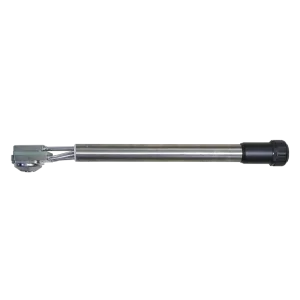
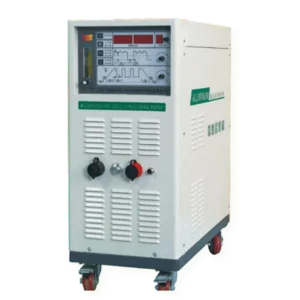
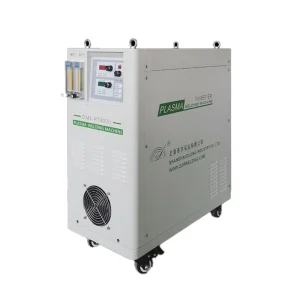
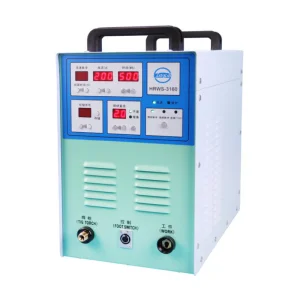
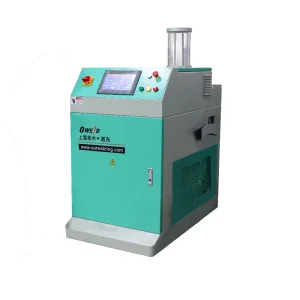
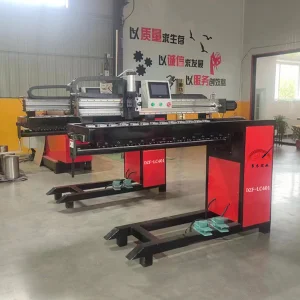
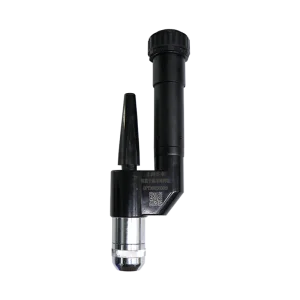
Explore our leading custom-manufactured manual electric arc welding equipment, advanced PTA systems, and high-performance torches.
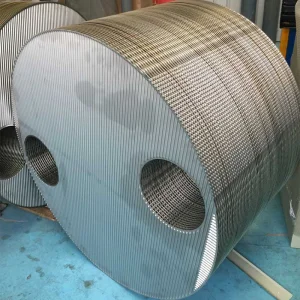
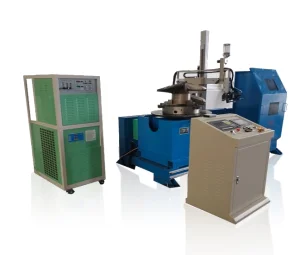
Technical guidance, structural design criteria, and material optimization protocols for modern metal cladding and arc welding.
The German terminology Lichtbogenhandschweißgerät refers directly to manual metal arc welding (MMAW) or shielded metal arc welding (SMAW) power sources. Historically, these systems formed the cornerstone of industrial fabrication, utilizing a flux-coated consumable electrode to deposit structural weld passes. However, in the modern heavy industry landscape, the simple application of structural manual welding has evolved. Global industrial facilities now face severe operating stresses—including high-stress abrasion, erosive media, thermal shock, and aggressive chemical corrosion—which demand more than basic joining methods.
To meet these challenges, the technological lineage of manual electric arc systems has transitioned into highly advanced, customized welding architectures. By integrating the core principles of stable plasma arcs, precise heat control, and manual or automated consumable feeding, manufacturers can now execute specialized hardfacing and cladding. Modern solutions bridge the gap between traditional manual arc integrity and advanced Plasma Transferred Arc (PTA) cladding, alongside state-of-the-art Laser Cladding technologies. This integration allows industries to selectively overlay high-performance alloys onto cost-effective structural base metals, optimizing both component life and manufacturing costs.
When purchasing departments of multinational corporations look to source manual arc, PTA, or laser cladding machinery, the procurement criteria extend far beyond the initial capital expenditure. Modern procurement strategies focus heavily on total cost of ownership (TCO), operational uptime, and metallurgical compliance. Under-engineered or generic off-the-shelf equipment often fails to deliver the precision parameters required for specialized metallurgical bonding.
Custom-built equipment addresses specific grid voltage constraints, ambient operating temperatures, and safety regulations across different global jurisdictions (such as CE, UL, CSA, and EAC). Furthermore, custom-designed control software allows for seamless integration with existing robotic arms, positioning rotators, and centralized factory control systems via advanced industrial communication protocols (Profinet, EtherNet/IP, Modbus). This level of customization ensures that the deposited weld overlays meet strict international standards, including ASME Section IX, API 6A, and ISO 3834.
"A custom Lichtbogenhandschweißgerät or PTA system is not merely an electrical power supply; it is a thermal management system designed to control the solidification rate of complex alloy chemistries, ensuring defect-free, wear-resistant coatings."
Currently, Shanghai Duomu's state-of-the-art cladding and welding products have penetrated deeply into critical fields globally. These systems are used to prolong the service life of heavy-duty equipment and enhance production efficiency in challenging environments.

PTA and laser cladding overlays are applied to cultivator teeth, plowshares, and harvesting blades. This deposition of tungsten carbide and nickel-base alloys triples the service life under high-stress abrasive soil contact.

Precision manual repair arc systems and micro-PTA torches deposit superalloys onto aerospace gas turbine blades and military components. This repair method maintains tight geometrical tolerances with minimal heat input.

Drill collars, stabilizers, and high-pressure valves are clad using automated PTA and laser systems. The metallurgical bond prevents corrosion and wear under sour gas (H2S) and high-temperature offshore conditions.
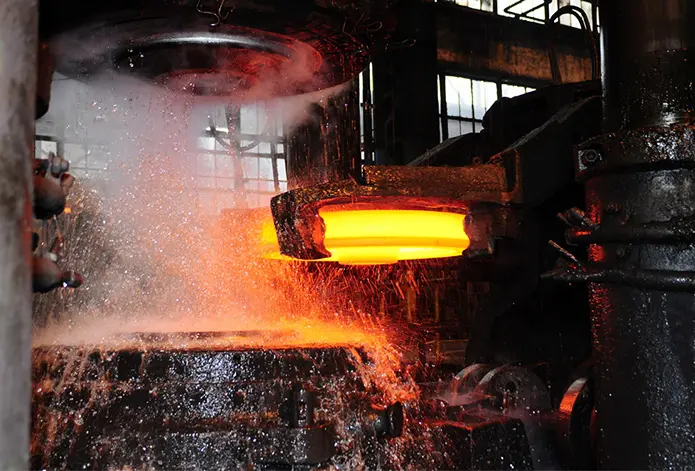
Continuous caster rolls, mill guides, and forging dies are subjected to severe thermal fatigue and metal-to-metal wear. Automated cladding systems rebuild these components using durable cobalt-base alloys.
Shanghai Duomu has been a leading manufacturer and exporter of PTA cladding machines and Laser cladding machines for more than ten years, supported by a strong technical background. Our dedication to design excellence and technological innovation has established us as a key supplier for heavy industries looking to extend equipment lifespan. We design and assemble complete, customized hardware-software integrations, providing reliable systems to customers around the globe.
Our production facility combines modern CNC machining centers, testing bays, and metallographic analysis labs. This infrastructure ensures that every manual arc welding machine, PTA system, and laser cladding cell leaving our factory complies with international standards. By maintaining complete control over our manufacturing processes, we offer reliable equipment that operates consistently in remote and harsh industrial environments.
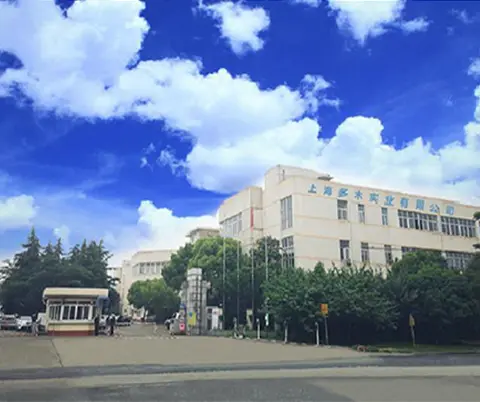
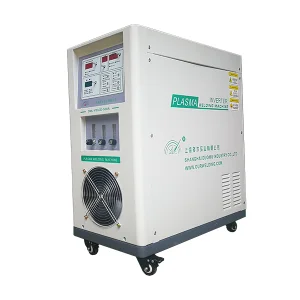
We have an independent R&D team that develops, produces, and sells plasma cladding machine equipment. Our welding machines feature stable performance and are built to maintain efficient, long-term operation. In addition, the laser cladding equipment we sell supports large-scale remanufacturing projects. We utilize mature technological processes to provide complete sets of industrial equipment solutions.
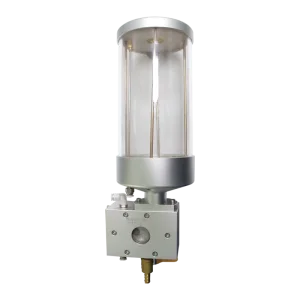
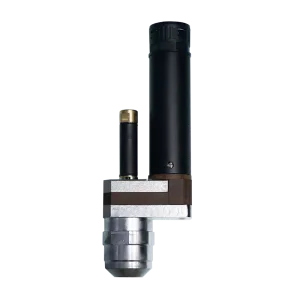
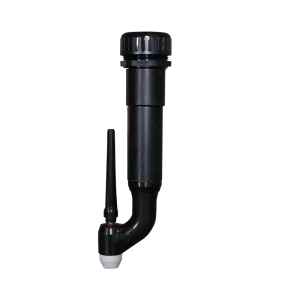
Our R&D efforts focus on reducing dilution rates and managing thermal inputs. We design our own plasma welding torches and powder feeders to ensure consistent gas dynamics and particle trajectories. By utilizing real-time sensor feedback and closed-loop control systems, our machines allow operators to monitor variables like voltage, current, and powder feed rates. This precision helps prevent defects and ensures consistent deposition quality.
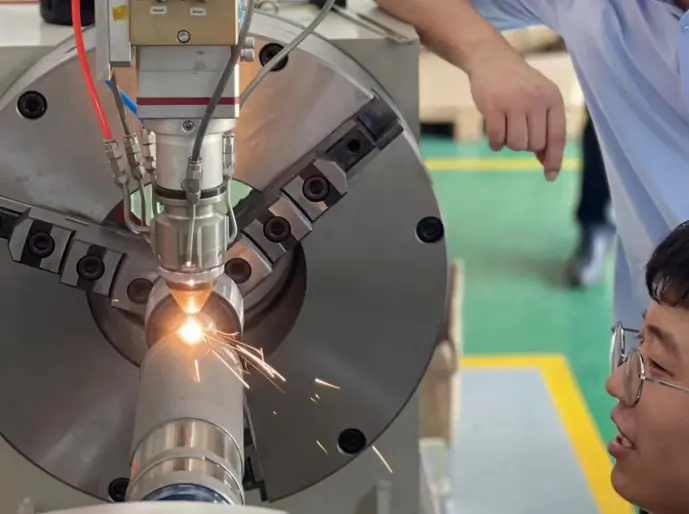
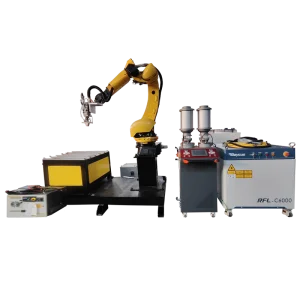
We provide customized equipment, automatic laser cladding equipment, automatic plasma cladding equipment, and intelligent robot cladding setups designed to meet specific customer requirements.
A specialized system designed for precision weld overlays. It provides consistent plasma arc stability and accurate powder delivery for thin-walled parts.
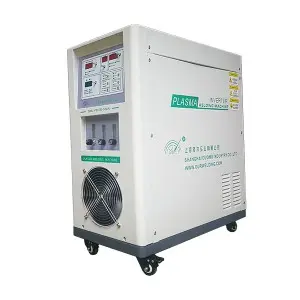
An all-in-one system designed for quick setup. It supports both manual operations and automated production line integration.
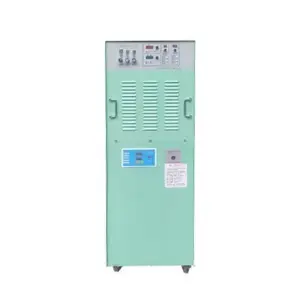
Designed for job shops handling diverse workpieces, this system offers adjustable arc characteristics to process various powder alloys.
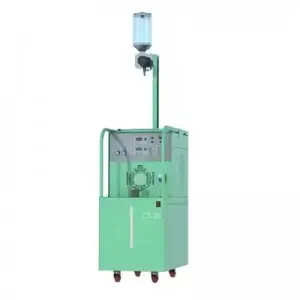
Optimized for repairing steam and gas turbine blades. This system delivers low heat input, preventing distortion while maintaining a strong metallurgical bond.
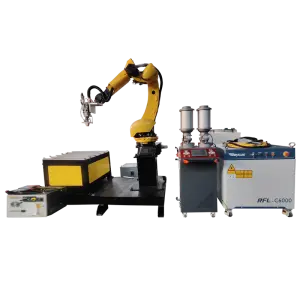
An automated multi-axis workstation designed to apply cobalt-base overlays onto spherical valve surfaces, ensuring consistent thickness and minimal machining allowance.
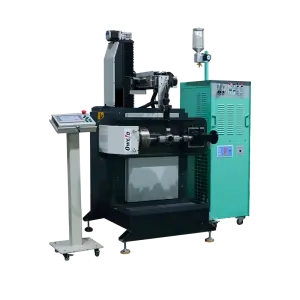
A dynamic robotic system engineered for localized surface hardening. It provides precise beam delivery to heat-treat complex gears, dies, and shafts.
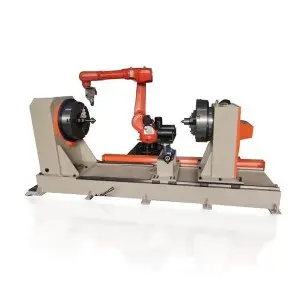
Designed for high-throughput cladding of heavy-duty hydraulic cylinder rods. This setup replaces traditional hard chrome plating with wear-resistant alloys.
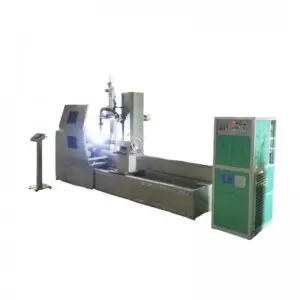
The transition from manual arc welding methods toward intelligent, automated additive manufacturing systems.
The field of industrial surface modification is evolving from manual welding toward automated, high-precision cladding. While manual electric arc systems remain valuable for on-site repairs and maintenance, high-throughput manufacturing requires automated solutions to achieve consistent quality. Our R&D department focuses on integrating optical monitoring, machine learning algorithms, and real-time feed adjustments to advance our cladding systems.
Our technical roadmap focuses on the following key areas:
We are integrating high-speed CMOS camera sensors and pyrometers into our plasma and laser cladding heads. These sensors monitor the weld pool dimensions and temperature distribution in real time. By linking this data to the power source control loop, the machine can adjust electrical current or laser intensity instantly to prevent overheating or lack of fusion, ensuring a consistent metallurgical bond.
To combine the advantages of different heat sources, our R&D team is developing hybrid setups that pair the high deposition rate of a plasma arc with the concentrated energy of a laser beam. This approach enables high deposition speeds while keeping heat-affected zones narrow, reducing thermal distortion in sensitive alloys.
We are refining our powder feeders to incorporate gravimetric sensor feedback. This system continuously monitors the weight of the powder hopper to verify the precise feed rate (in grams per minute). Ensuring consistent powder delivery helps prevent variations in the thickness and chemistry of the deposited alloy overlay.
Ensuring compliance with international engineering standards and providing global support services.
Operating industrial cladding machinery globally requires adherence to international standards and reliable support networks. Shanghai Duomu designs and builds systems to comply with relevant safety and manufacturing codes, facilitating integration into overseas factories.
Read about practical applications of PTA and laser cladding systems across different industrial environments.
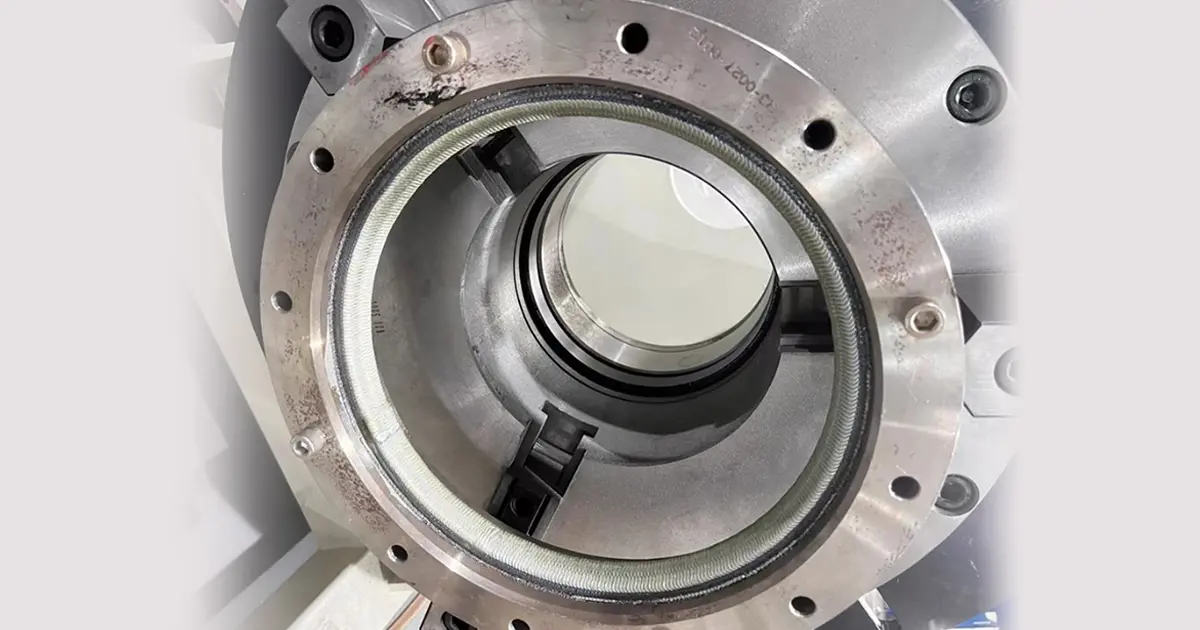
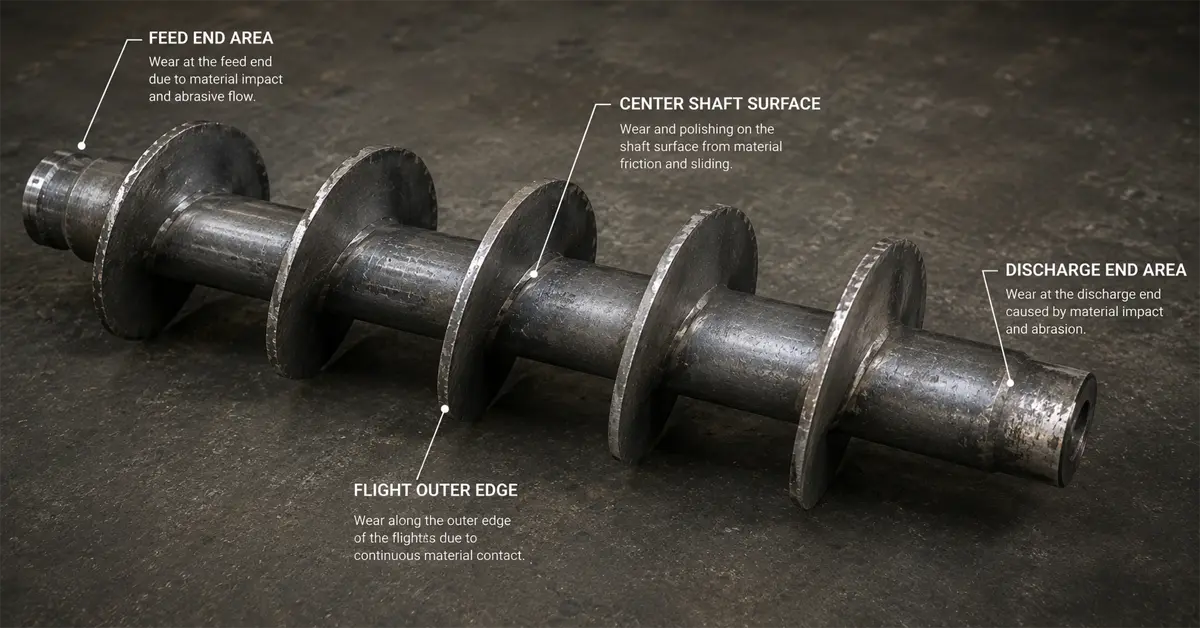
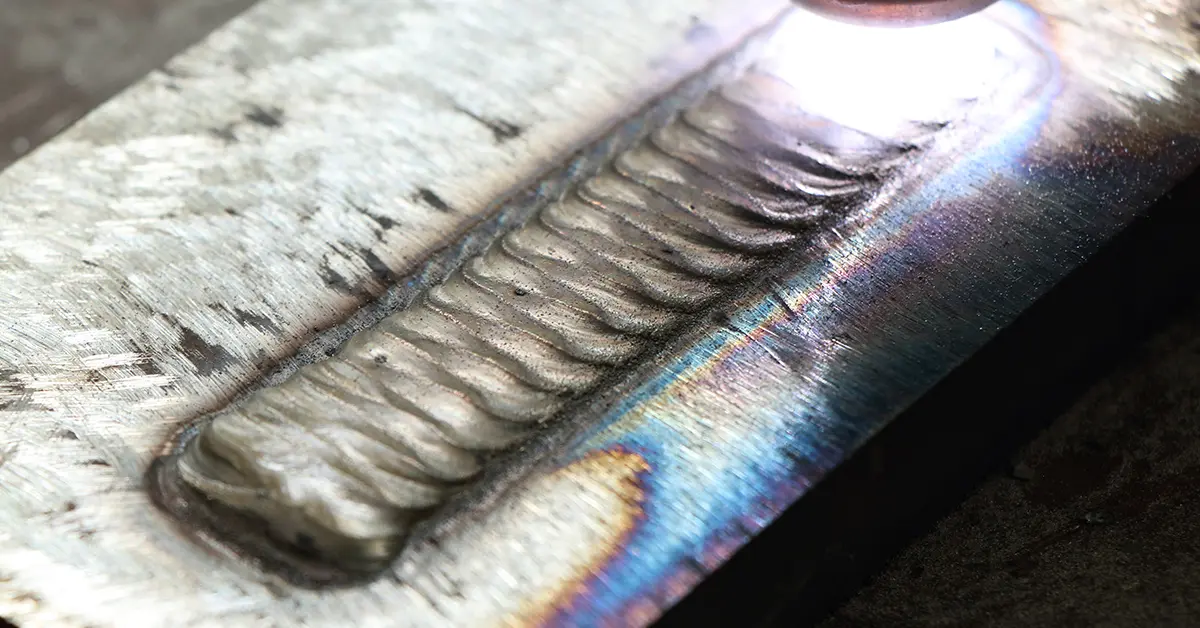
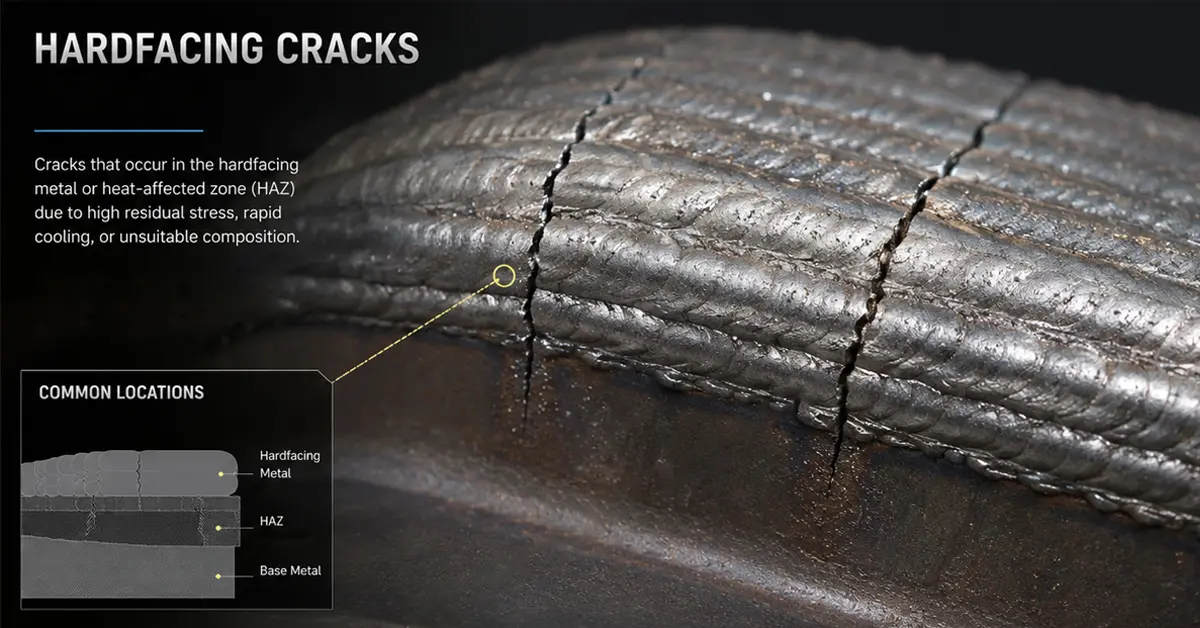
Expert answers to common engineering questions about process selection, alloy compatibility, and operation.
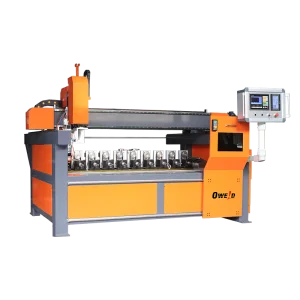
Examine our range of powder feeders, heavy-duty plasma torches, and industrial gantry cladding machines.








For inquiries about our products or pricelists, please leave your contact details and our engineering team will get in touch within 24 hours.
Contact Our Engineers Duomu
Duomu