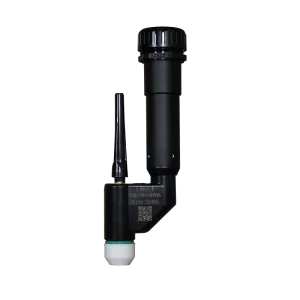
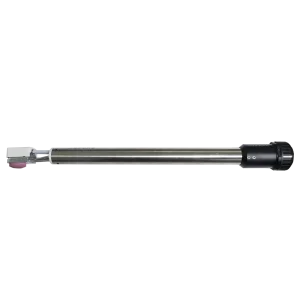
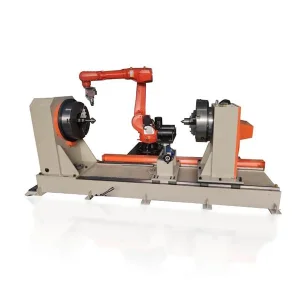
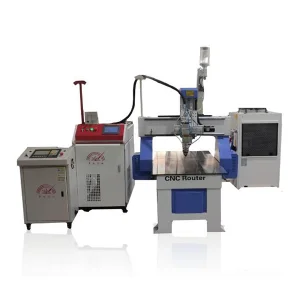
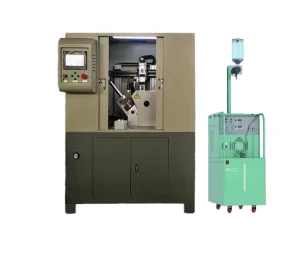
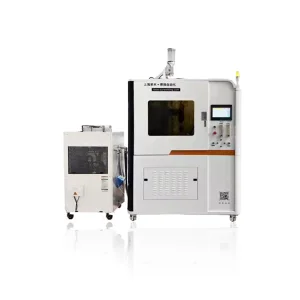
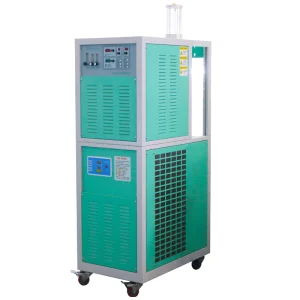
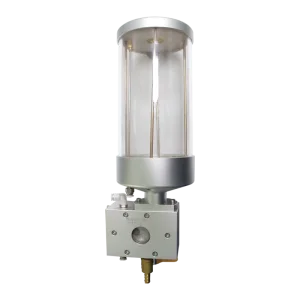
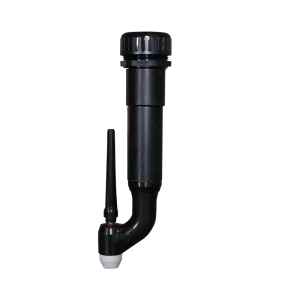
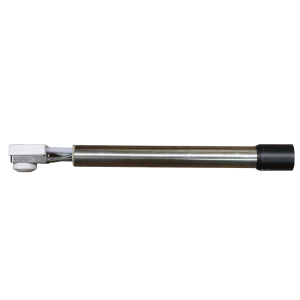
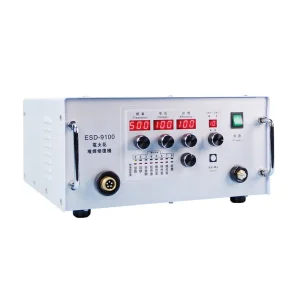
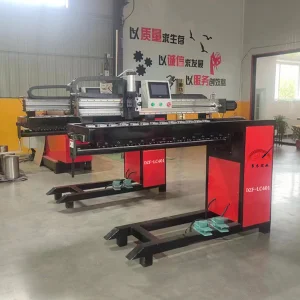
Explore our top-tier PTA (Plasma Transferred Arc) torches, multi-axis laser hardening robots, and automated system solutions designed for high wear-resistance surfacing.
レーザークラッディング加工とは (Laser Cladding Process) is an advanced additive manufacturing and surface modification method that uses a concentrated, high-power laser beam as a heat source to melt cladding material (often alloy powder or wire feed) onto a base substrate. This technique produces a metallurgical bond that is characterized by extremely low dilution rates (typically under 5%), a minimal heat-affected zone (HAZ), and minimal thermal distortion of the substrate material.
By cladding specialized high-performance alloys—such as Stellite, Inconel, cobalt-based alloys, or tungsten carbide matrices—onto cost-effective structural base metals, manufacturers achieve superior wear resistance, corrosion protection, and oxidation resistance. The result is a hybrid component optimized for extreme industrial stresses, providing localized protection precisely where it is needed.
Understanding the differences in energy delivery, material efficiency, and thermal effects helps engineers select the optimal process for their specific surface engineering challenges.
| Parameter / Feature | Laser Cladding (レーザークラッディング) | PTA Cladding (Plasma Transferred Arc) | Traditional Arc Surfacing (TIG/MIG) |
|---|---|---|---|
| Energy Density | Extremely High (~10^5 to 10^6 W/cm²) | High (~10^4 to 10^5 W/cm²) | Moderate (~10^3 W/cm²) |
| Dilution Rate | Very Low (1% - 5%) | Low to Moderate (5% - 10%) | High (15% - 30%) |
| Thermal Distortion | Minimal | Low | High (Requires stress relief) |
| Cladding Material Format | Metal Powders / Fine Wire | Specialized Welding Powders | Flux-Cored or Solid Wire |
| Best Suited For | Complex shapes, low HAZ requirements, thin walls | Thick overlays, heavy industrial parts, cost efficiency | Large flat areas, low-cost structural repairs |
At present, our surface modification systems have penetrated into many critical global fields such as aerospace, nuclear energy, petrochemical, mining, water conservancy, and defense.


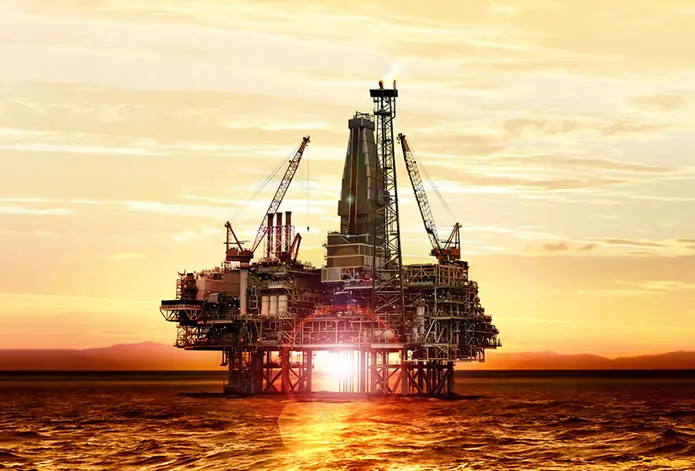
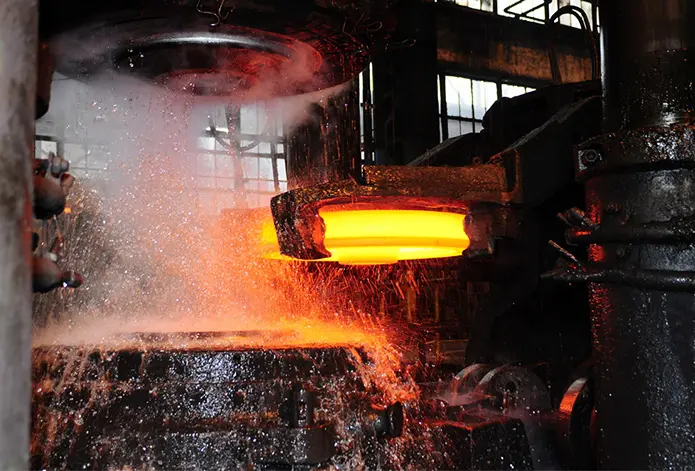
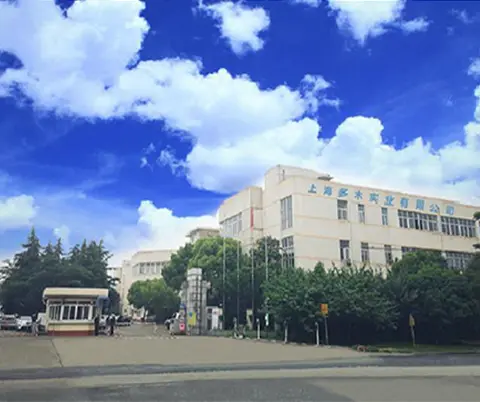
Shanghai Duomu has been a leading manufacturer and exporter of PTA cladding machines and Laser cladding machines for more than ten years, supported by a strong technical background. We design, manufacture, and integrate complete industrial automation solutions for users worldwide seeking high-end surface hardening capabilities.
Our machinery has been utilized extensively in rebuilding worn-out industrial equipment, restoring structural tolerances, and applying wear-resistant coatings to newly fabricated parts to enhance their service life in extreme environments.
We boast an independent R&D team that develops, produces, and sells advanced plasma cladding machine equipment. Our welding machines feature exceptionally stable performance and are engineered to maintain high-efficiency, long-term operation under demanding factory floor conditions.
In addition, the laser cladding equipment sold by our company supports large-scale remanufacturing projects. We have established mature technological processes to provide comprehensive sets of automated industrial equipment solutions, helping clients shift from manual overlays to precision robotic processing.
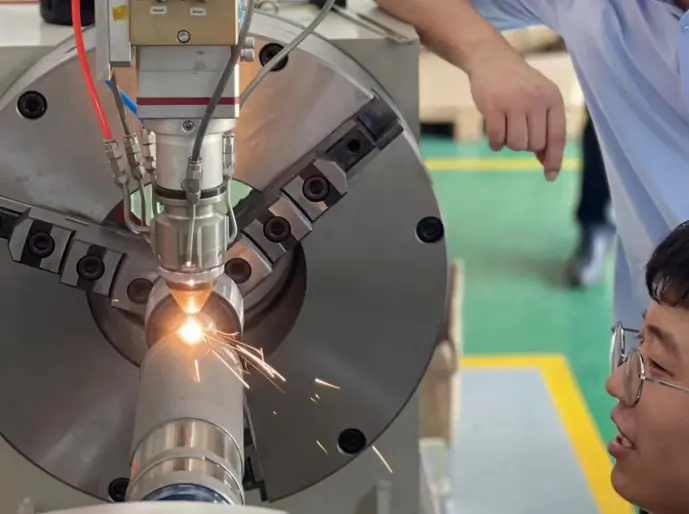
According to custom customer requirements, we configure automatic laser cladding systems, automatic plasma cladding platforms, and intelligent multi-axis robot integration. Below are some of our widely deployed models:
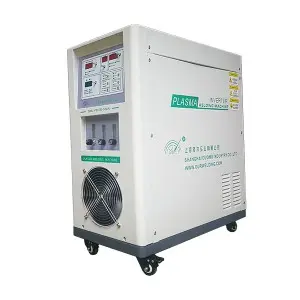
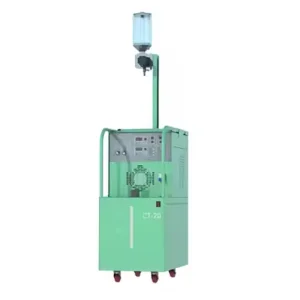
Highly integrated automated platform designed for high deposition rate surfacing with advanced powder control algorithms.
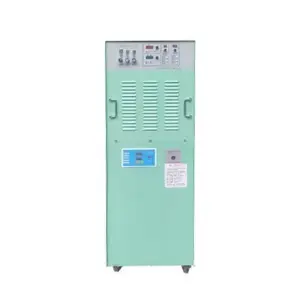
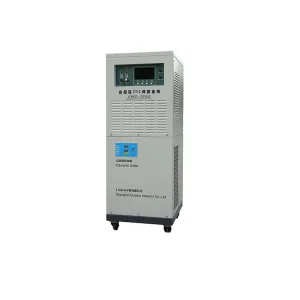
Combines manual and automatic welding paths, suitable for small to mid-sized repair shops and diverse workpieces.
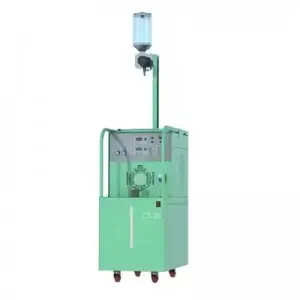
Features programmable CNC pathways and custom gas delivery lines for multi-material composite overlays.
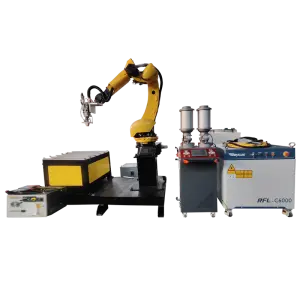
Specialized multi-axis system for aerofoils, gas turbine blades, and impellers requiring sub-millimeter precision.
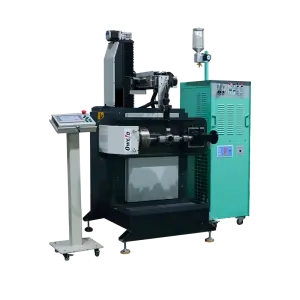
Rotary positioning-driven cladding system optimizing deposition on sphere and seat surfaces.
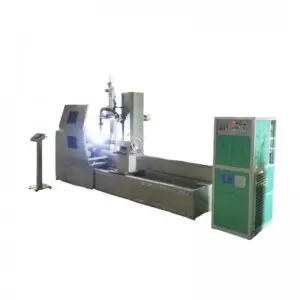
Engineered specifically for long cylindrical shapes. Offers high efficiency and uniform layer deposition.
Gain analytical insights from our research papers regarding dilutions, conveyor repairs, and valve overlays in severe working conditions.
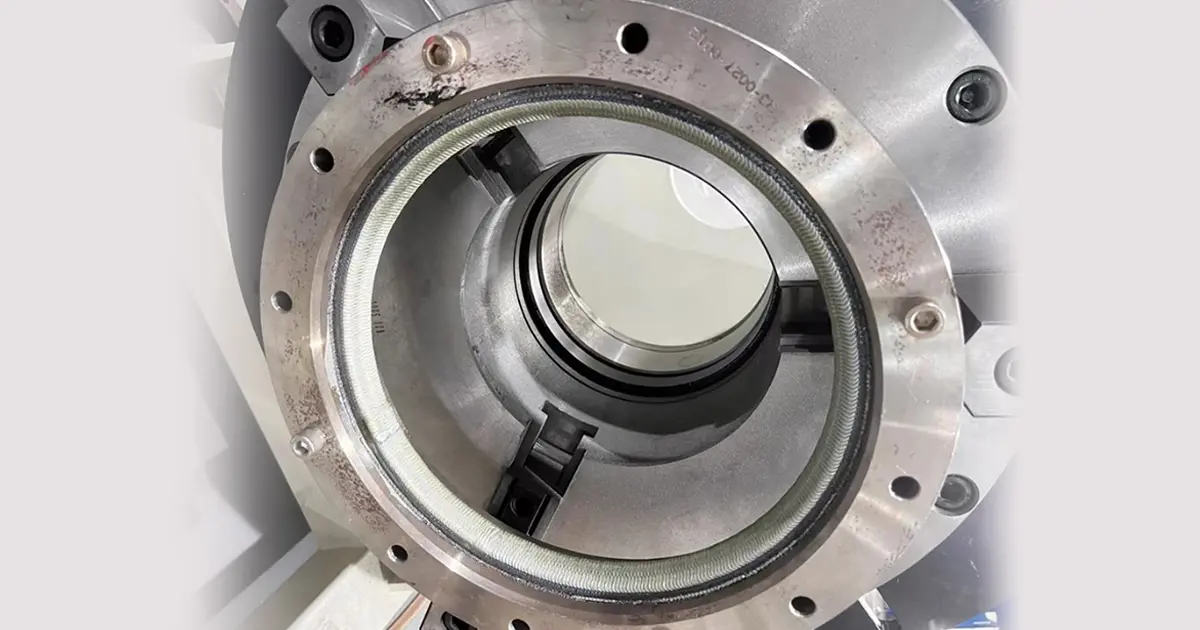
The PTA Welding Valve Application Guide is not just a process choice for valve manufacturers facing high wear, corrosion, and high-temperature erosion, but also a key path to improving product competitiveness in global heavy industries.
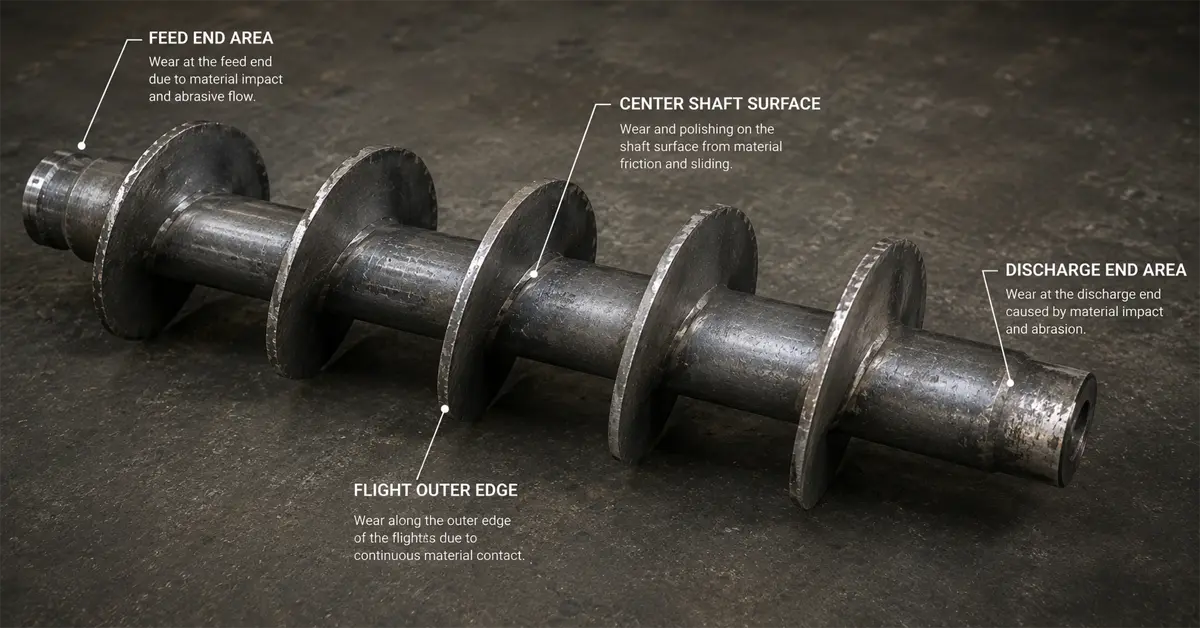
In mining, cement, power generation, steelmaking, and biomass energy, screw conveyors are frequent causes of unplanned downtime. Hardfacing wear surfaces dramatically reduces maintenance cycles.
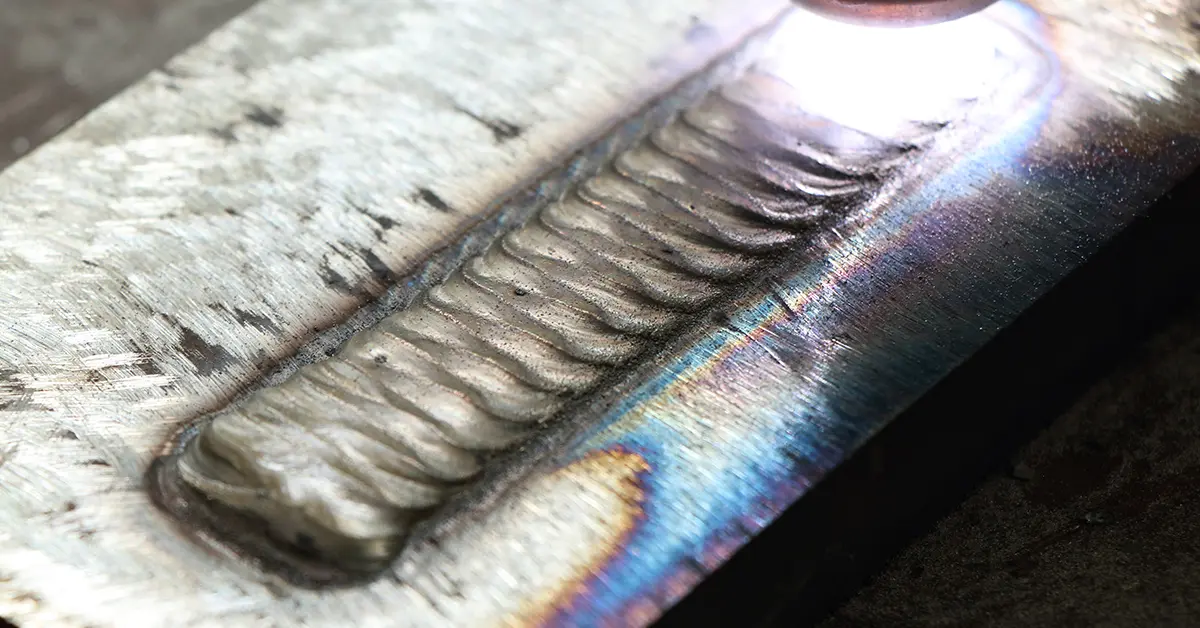
In Plasma Transferred Arc hardfacing, achieving a high-quality overlay requires optimizing dilution rates. Minimizing mixture with the substrate preserves the purity of the clad alloy layer.
As global manufacturing transitions to sustainable, low-carbon circular economies, the role of laser cladding in remanufacturing is growing rapidly.
Extreme High-Speed Laser Cladding (EHLA) represents the latest iteration of surface engineering. By melting powder particles *before* they reach the substrate melt pool, deposition speeds increase from 1–2 m/min to over 100 m/min, enabling thin protective coatings to be applied to large shafts and brake discs with minimal thermal impact.
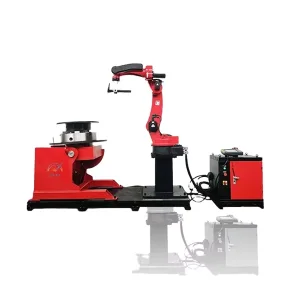
Modern component geometries require more than simple linear movement. The integration of 6-axis articulated robot arms with multi-axis tilt-rotary positioners allows automated cladding heads to trace complex freeform curves on turbine impellers, oil drill components, and valve gates.
Real-time optical sensors monitor the temperature of the melt pool, adjusting laser power dynamically during processing. This keeps dilution levels consistent across variable thickness regions, ensuring uniform coating hardness and preventing local defect formations.
Instead of discarding worn components, companies repair structural surfaces using laser cladding. This approach saves over 80% of materials and energy compared to producing new steel castings, aligning with modern industrial decarbonization goals.
We answer key technical questions about レーザークラッディング加工 (Laser Cladding Process) and PTA systems for procurement teams and design engineers.
A: A wide range of alloys can be applied, including cobalt-based alloys (Stellite 6, 12, 21), nickel-based alloys (Inconel 625, Ni60), iron-based wear-resistant alloys, and ceramic matrix composites like tungsten carbide (WC) dispersed in a nickel or cobalt-chrome matrix.
A: Laser cladding creates a thicker, wear-resistant layer with a metallurgical bond that will not flake off. It is also an environmentally friendly, hexavalent chromium-free alternative, complying with modern global safety and environmental regulations.
A: Yes, with specialized optical heads (internal bore cladding heads), laser cladding can repair inside surfaces of cylinders or pipes down to diameters as small as 100mm, depending on optical length constraints.
A: Because the laser beam energy is highly concentrated and sweeps across the surface quickly, the total heat input is very low. This minimizes structural phase changes in the substrate core and prevents warping of precision components.
For inquiries about our custom cladding systems, automated laser/PTA processes, or current pricing, please leave us a message and our technical support team will contact you within 24 hours.
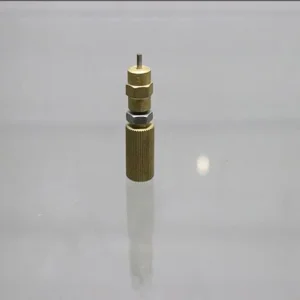
Request Technical ConsultationFrom plasma torches to robot positioners and tooling calibrators, we supply all components necessary to ensure high deposition rates and consistent overlay thickness.








 Duomu
Duomu