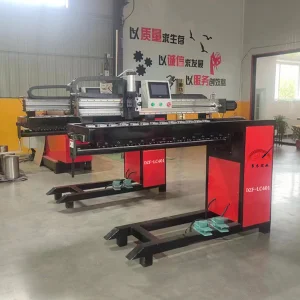
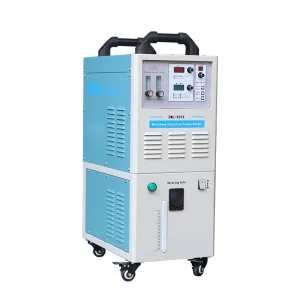
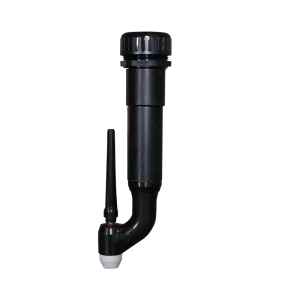
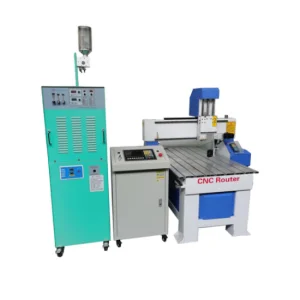
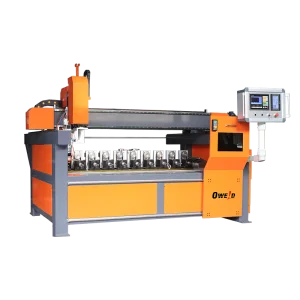
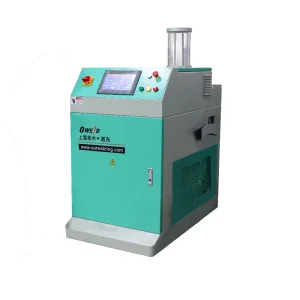
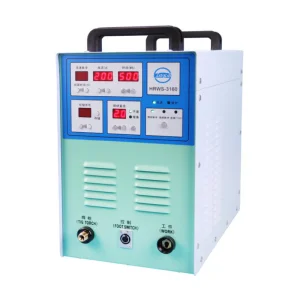
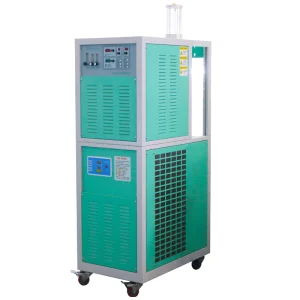
Explore our flagship automated PTA (Plasma Transferred Arc) and high-power Laser Cladding hardware designed to deliver exceptional wear and corrosion resistance.
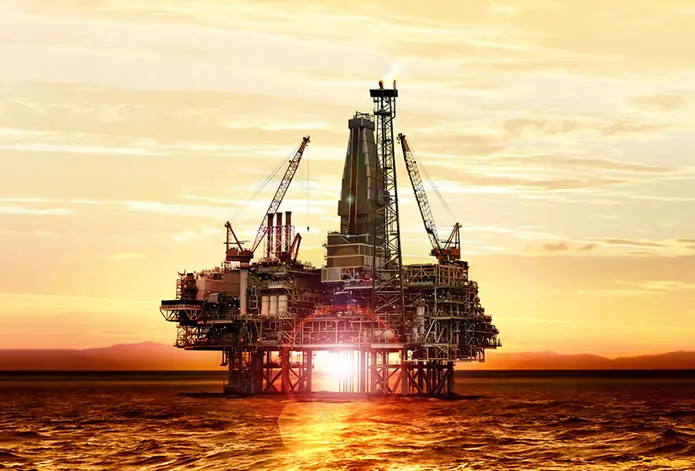
In modern hydrocarbon recovery, drilling operations are continuously pushed toward deeper, hotter, and increasingly corrosive geological formations. High-pressure, high-temperature (HPHT) reservoirs, complex directional offshore drilling, and sour gas wells laden with hydrogen sulfide (H2S) and carbon dioxide (CO2) expose downhole tools to severe abrasive, adhesive, and erosive wear. Under these circumstances, standard structural metals suffer from premature failure, resulting in millions of dollars in non-productive time (NPT) and component replacement costs.
At Shanghai Duomu, we address these tribological challenges through advanced surface metallurgy. Laser cladding utilizes a highly focused, high-density laser beam as a localized heat source to melt a feedstock material (in the form of metallic powders or wires) and a thin superficial layer of the base substrate. This process creates a fully metallurgical bond with near-zero porosity and a remarkably low dilution rate. By precisely managing heat input, the mechanical properties of the underlying alloy are preserved while the surface achieves exceptional hardness and corrosion resistance, customized to meet the operational demands of the global energy sector.
An in-depth metallurgical comparison highlighting the operational dynamics of PTA surfacing and Laser Additive Manufacturing in industrial downhole applications.
Both Plasma Transferred Arc (PTA) and Laser Cladding represent the pinnacle of modern hardfacing. PTA is highly efficient for depositing thick coatings (typically 2mm to 6mm per pass) over large surface areas, making it ideal for stabilizer wear bands, large hydraulic cylinders, and heavy agricultural tools. Conversely, Laser Cladding offers unparalleled precision, creating extremely thin Heat-Affected Zones (HAZ) and minimal thermal distortion, which is crucial for precision components like directional mud motor rotors, bearings, and critical valve components.
| Process Parameter | Plasma Transferred Arc (PTA) Cladding | Laser Cladding (DED - Directed Energy Deposition) |
|---|---|---|
| Heat Source | Transferred Plasma Arc (Thermal Gas) | High-Power Industrial Laser (Fiber / Diode) |
| Energy Density | Moderate (~104 W/cm²) | Extremely High (~106 W/cm²) |
| Dilution Rate | 5% - 15% (Requires multiple layers) | 1% - 5% (Single layer performance) |
| Heat-Affected Zone (HAZ) | Medium (1.5mm - 3.0mm) | Minimal (0.2mm - 0.8mm) |
| Metallurgical Bond | Excellent (>350 MPa) | Exceptional (>450 MPa) |
| Deposition Thickness | 1.5mm - 6.0mm per pass | 0.2mm - 2.0mm per pass |
| Ideal Applications | Heavy stabilizers, drill pipe joints, screw flights | RSS pads, precision valves, turbine blades |
Through our independent R&D efforts, Shanghai Duomu has developed advanced hybrid systems capable of transitioning between PTA and Laser processes. This capability allows manufacturers to apply high-thickness hardfacing to high-wear zones while utilizing high-precision laser overlays on areas sensitive to thermal distortion.
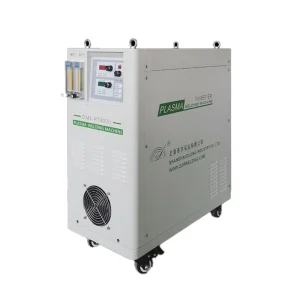
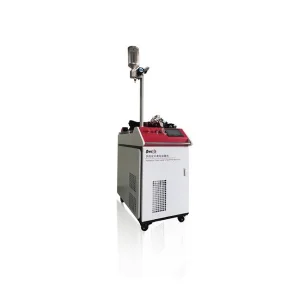
Shanghai Duomu has been a leading manufacturer and exporter of PTA cladding machine and Laser cladding machine for more than ten years with a strong technical background. Our custom integrated plasma powder welding systems, specialized hydraulic cylinder rod repair machinery, and high-power gantry laser systems have been deployed across six continents.
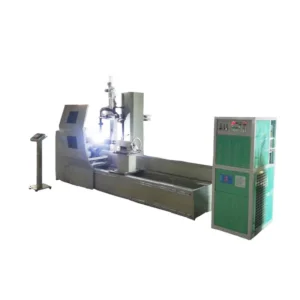
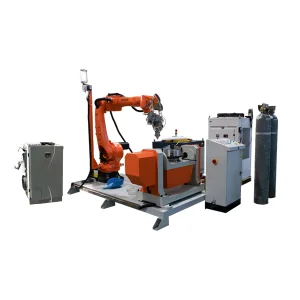
We don't just supply off-the-shelf welding units; we specialize in delivering integrated industrial solutions. Our hardware catalog ranges from compact, portable 3kW laser cladding systems for field operations to complex 6-axis robotic arm welding systems designed for large fabrication centers.
Explore Our Cladding Machines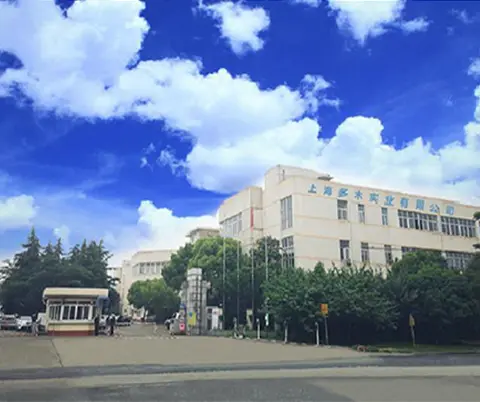
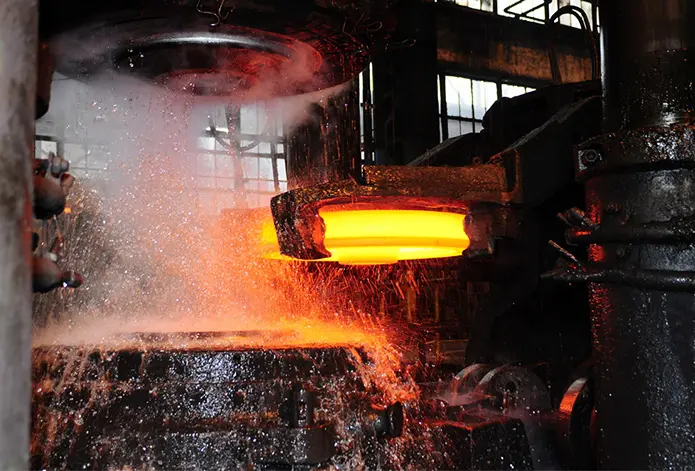
While our focus remains on downhole drilling, our cladding machinery is widely utilized across several heavy industries globally.


The field of laser cladding and PTA hardfacing is evolving towards intelligent automation, real-time closed-loop control, and advanced material formulations. As global drilling environments become more demanding, current research is focused on three main technological pathways:
Traditional cladding processes rely on pre-set parameters, which cannot dynamically adjust to variations in heat accumulation, powder feed fluctuation, or substrate geometry. Next-generation systems integrate infrared thermal cameras and optical sensors to monitor the melt pool in real time. Our independent R&D team is developing software that adjusts laser power, scan speed, and powder flow dynamically to eliminate defects like porosity and micro-cracking.
EHLA (Extremely High-Speed Laser Cladding) is revolutionizing surface finishing for hydraulic rods and drill string shafts. By melting the powder particles in flight before they reach the substrate, thermal input to the base material is significantly reduced. This allows process speeds up to 200 m/min and deposit thicknesses under 200 microns, making it a viable alternative to toxic hard chrome plating.
To resist both severe impact and sliding wear downhole, we are refining our powder chemistries. This includes using spherical tungsten carbides suspended in nickel-based superalloy matrixes (NiCrBSi). The spherical geometry reduces stress concentrations, minimizing micro-cracking under intense impact, while the nickel matrix provides protection against acidic sour gas downhole.
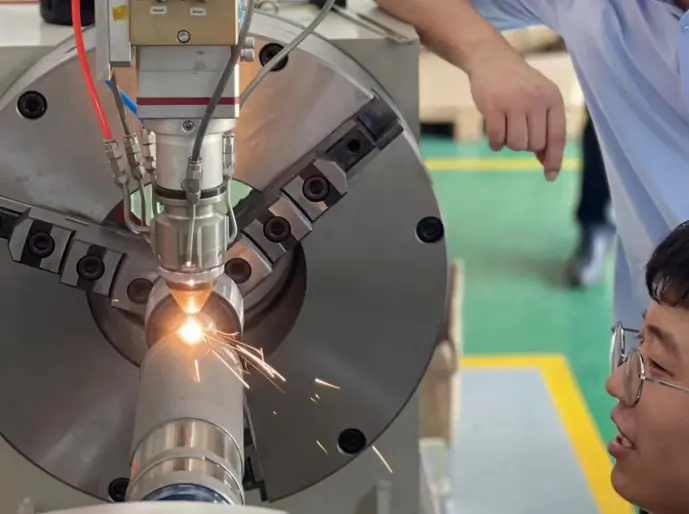
We maintain an independent R&D team that designs, builds, and tests our plasma cladding systems. The welding machines we manufacture provide stable arc ignition and precise powder feed control, enabling consistent, long-term operation under factory conditions. Additionally, our high-power laser cladding systems support large-scale remanufacturing projects. We offer mature technological processes and complete equipment solutions to meet heavy industrial demands.
Our team works with international material institutes to test deposit microstructures, wear resistance under ASTM G65 standards, and corrosion rates. This ensures that every system we deliver is capable of producing field-ready, certified overlays.
Get in Touch with our R&D EngineersSourcing advanced cladding equipment from Shanghai Duomu offers distinct advantages in supply chain integration and manufacturing efficiency. Our production base in China leverages a mature regional industrial ecosystem, securing high-quality optical components, high-precision motion controls, and specialized alloy powders at competitive lead times.
From laser source integration and custom software design to mechanical assembly and final testing, we handle all key production steps in-house. This ensures consistent quality control and reduces reliance on third-party component suppliers.
By maintaining strategic inventories of long-lead sub-assemblies (such as optical heads, PLC systems, and powder feeders), we can deliver custom automated cladding lines in shorter timeframes than many European or North American suppliers.
Our manufacturing processes align with international quality frameworks. Every system undergoes extensive testing, including continuous thermal load runs and multi-layer cladding trials on test steels, before leaving our facility.
Additionally, our proximity to Shanghai's shipping and air freight hubs ensures fast and secure delivery. Whether we are shipping a portable machine to a field workshop or deploying a multi-robot gantry system to a manufacturing plant, our logistics team coordinates transport, export documentation, and customs clearance to ensure a smooth delivery process.
Custom-engineered automated cladding hardware, robotic positioners, and dedicated wear solutions for industrial components.
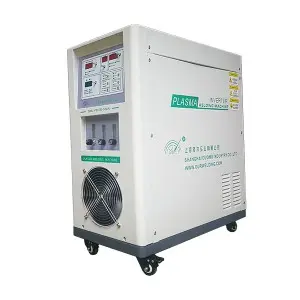
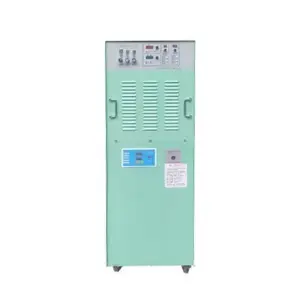
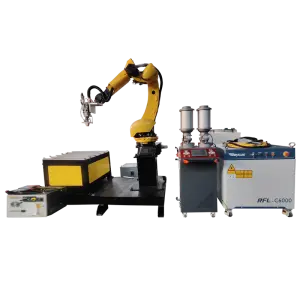
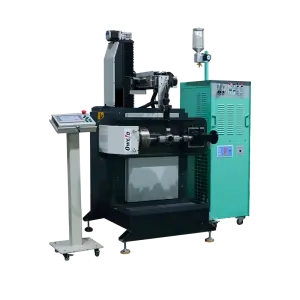
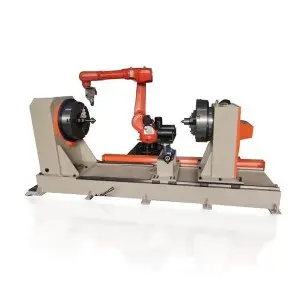
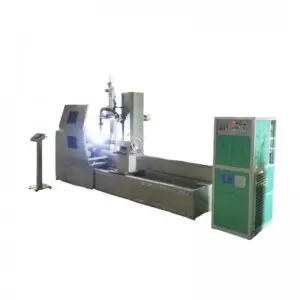
Read about our practical experiences and metallurgical analyses regarding PTA and Laser cladding applications across demanding industrial operations.
"The PTA Welding Valve Application Guide is not just a process choice for valve manufacturers facing high wear, high corrosion, and high-temperature erosion working conditions, but also a key path to improving product competitiveness. As industries such as petrochemical, power generation, and heavy manufacturing demand stricter quality standards, our PTA systems provide a reliable way to deposit cobalt-based and nickel-based alloys."
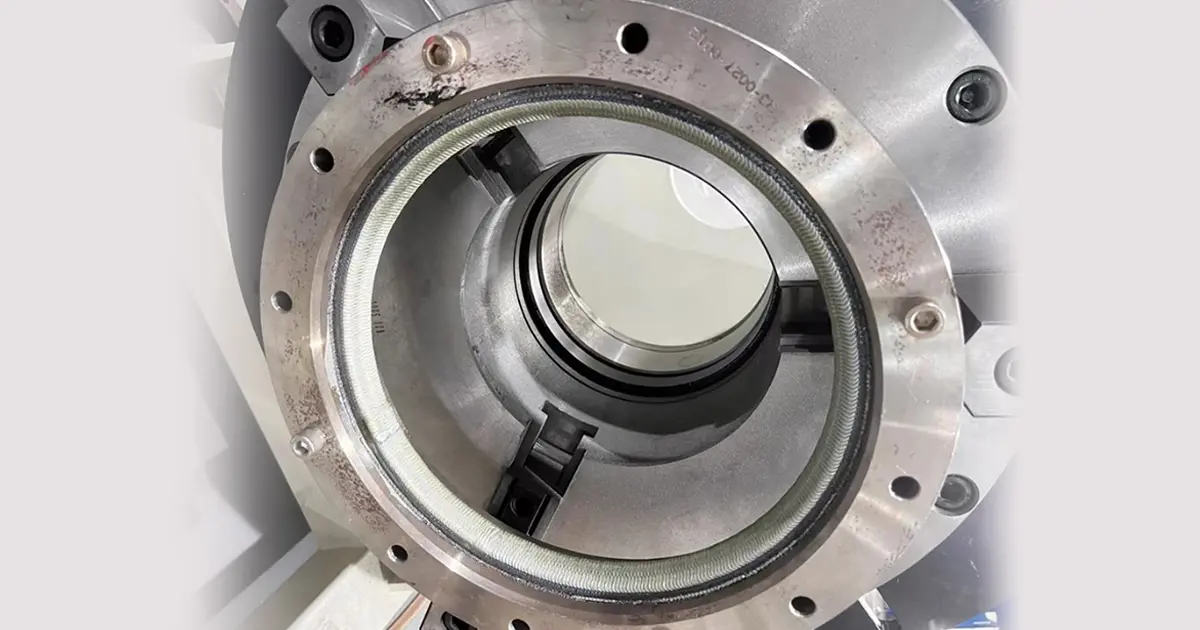
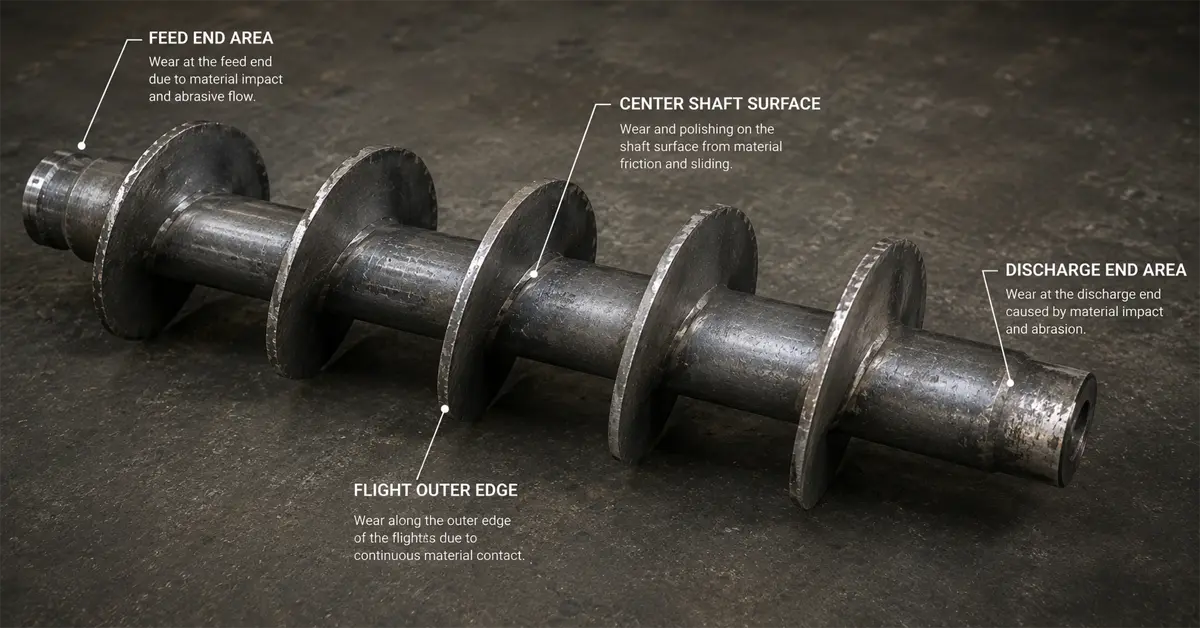
"In industries such as mining, cement, power generation, steelmaking, chemical processing, and biomass energy, screw conveyors are often regarded as auxiliary equipment. However, maintenance data shows that they are among the most frequent causes of unplanned production downtime. Applying a hardfaced layer using automated PTA cladding significantly extends the operational lifespan of these conveyor screws."
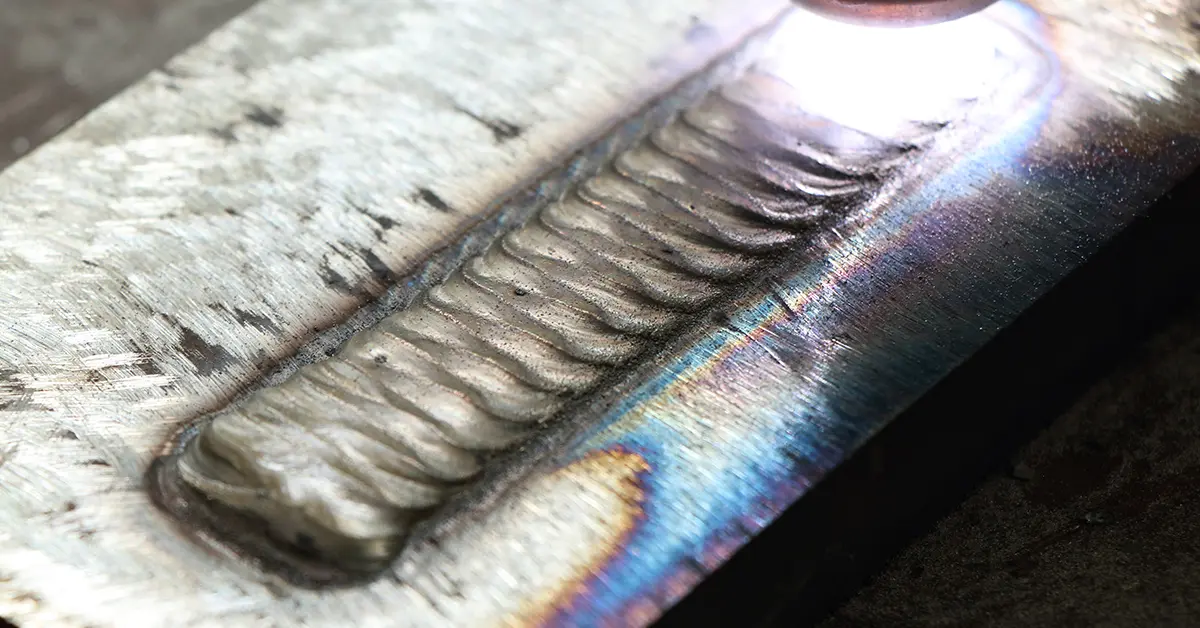
"In Plasma Transferred Arc (PTA) hardfacing, achieving a high-quality overlay is not only about selecting the right alloy powder or optimizing welding parameters. One of the most critical factors that directly affects overlay performance is the dilution rate. Keeping dilution low ensures the hardfacing layer retains its intended chemical composition and mechanical properties without excessive contamination from the substrate."
To support global oilfield service companies, we ensure our cladding machines and wear-resistant overlays meet stringent industry standards. Our engineering team designs custom equipment to align with the regulatory and safety frameworks of your operating region:
Our hardfacing processes are designed to meet API Spec 7-1 guidelines for drill string components. For tools deployed in sour service environments, we use cladding powder formulations that comply with NACE MR0175/ISO 15156, minimizing the risk of sulfide stress cracking (SSC) and hydrogen-induced cracking (HIC).
We supply control cabinets and electrical systems certified to regional standards, including CE for European markets and UL/CSA configurations for North American installations. This ensures safe and compliant integration into existing manufacturing or workshop facilities.
Each automated laser and PTA system can be equipped with an industrial IoT gateway. This allows our Shanghai-based technical support team to perform remote troubleshooting, program optimization, and real-time sensor calibration. We also coordinate with local technical partners to provide on-site installation, commissioning, and operator training.
Get professional answers to common questions regarding process selection, parameter control, and system configuration for oilfield hardfacing operations.
For inquiries about our laser cladding systems, automated PTA platforms, or customized tooling, please contact us. Our engineering team will respond within 24 hours.
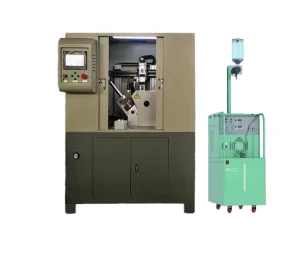
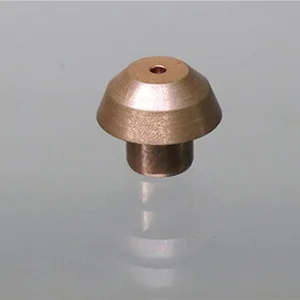
Submit Technical InquiryDiscover our specialized cladding systems, automation units, and consumable components for industrial manufacturing.







 Duomu
Duomu
