Explore our industrial-grade, certified laser cladding, cleaning, and surfacing systems built for long-term manufacturing operations.
A comprehensive analysis of thermal ablation, beam dynamics, and structural surface optimization.
Laser rust removal, linguistically designated as Rimuovi Ruggine Laser in European high-precision manufacturing, operates on the fundamental physical principle of selective laser ablation. When a concentrated, pulsed laser beam hits the contaminated surface of a metallic substrate, the thermal energy is instantly absorbed by the oxide or rust layer. Because rust has an absorption threshold significantly lower than the underlying steel or iron substrate, it vaporizes or expands rapidly and falls away, leaving the base material unaffected.
This process eliminates the mechanical stress associated with sandblasting and the environmental hazards of chemical etching. By fine-tuning parameters such as pulse duration, repetition rate, and spot size, our custom laser systems guarantee a surface roughness (Ra) optimized for subsequent processes like painting, coating, or high-vacuum weld preparation.
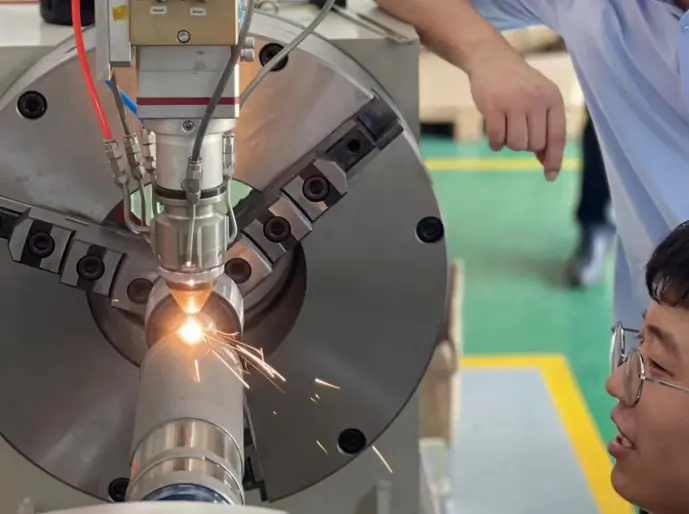
Selecting the correct laser source configuration is vital for achieving operational efficiency and preventing damage to critical components. Below is an engineering overview comparing pulsed laser cleaning systems with continuous wave (CW) lasers:
| Parameter / Feature | Pulsed Laser (100W - 500W) | Continuous Wave (1000W - 3000W) |
|---|---|---|
| Heat Input (HAZ) | Negligible (Ultra-short thermal pulses) | Moderate to High (Requires rapid scanning) |
| Peak Pulse Power | Up to 100 kW (High energy density) | Equivalent to average power (Constant wave) |
| Best Application | Mold cleaning, aerospace components, historical preservation | Heavy steel rust, shipbuilding, structural infrastructure |
| Substrate Preservation | Zero micro-melting risk | Risk of micro-melting on thin plates |
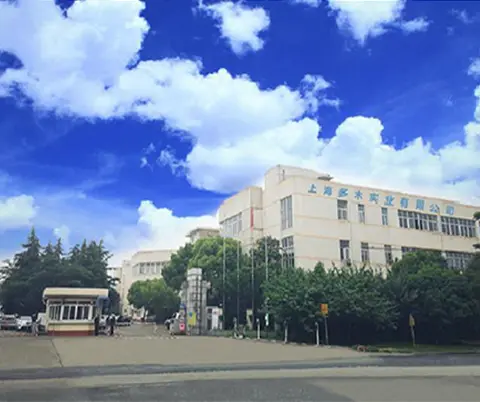
Shanghai Duomu has been a leading manufacturer and exporter of PTA cladding machines and Laser cladding machines for more than ten years with a strong technical background. Our dedicated R&D division has leveraged decades of heat-surface metallurgy experience to build the ultimate laser cleaning machinery (Rimuovi Ruggine Laser).
By studying how metal substrates react to intense thermal processes, we design optical heads that prevent surface micro-cracking and grain boundaries growth during cleaning cycles. Our advanced research ensures that the cleaning process acts purely as a chemical-free preparation step, leaving the underlying grain structure of structural steels perfectly intact and ready for high-strength welding or plasma powder surfacing.
From complex military aerospace hulls to heavy agricultural implements, our laser solutions deliver unmatched surface processing speeds.



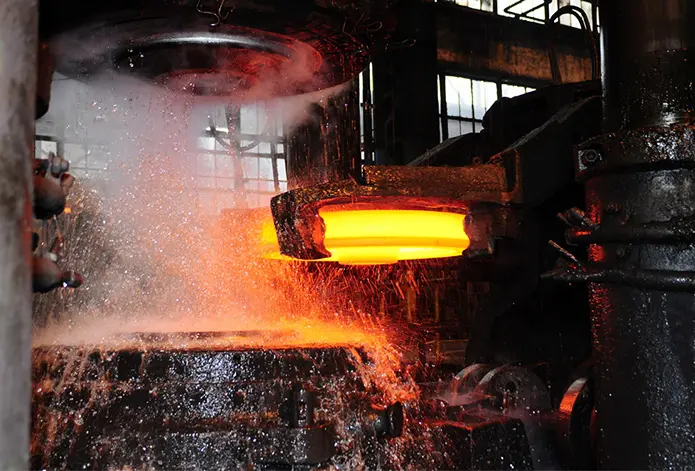
How our highly integrated production ecosystem guarantees fast delivery, precision quality, and complete custom configurations.
By manufacturing our systems in-house at our advanced Chinese production facility, we maintain absolute control over the entire supply chain. From the selection of high-grade fiber laser sources (Raycus, IPG, JPT) to the calibration of the high-speed dual-axis galvanometer scanners, every assembly step is subjected to rigorous quality check protocols.
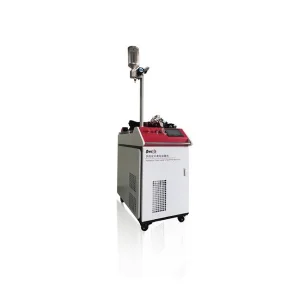
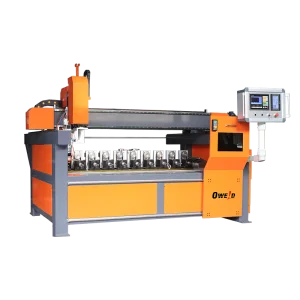
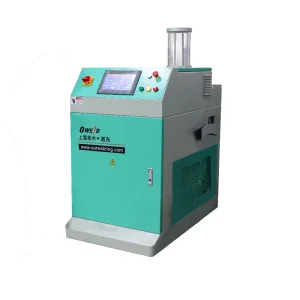
Our Factory 4.0 infrastructure utilizes flexible assembly lines that allow us to provide extensive OEM/ODM customization. Whether you require a specialized compact handheld laser rust remover for field work or an automated, multi-axis gantry cleaning system integrated into an automotive production line, our engineers can customize the software interface, power profiles, and safety enclosures to suit your operational environment.
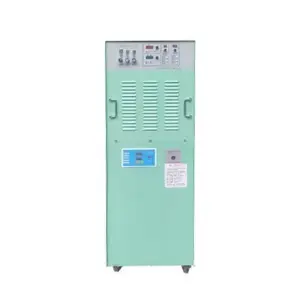
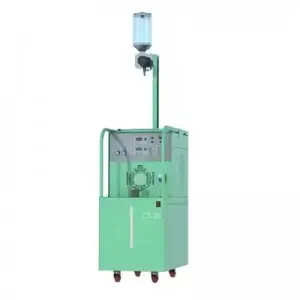
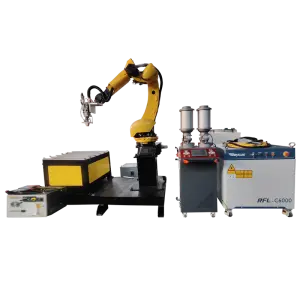
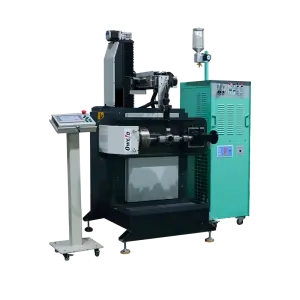
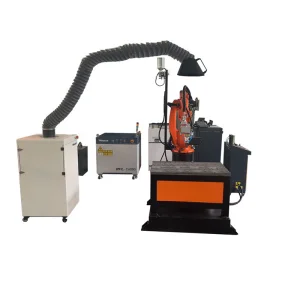
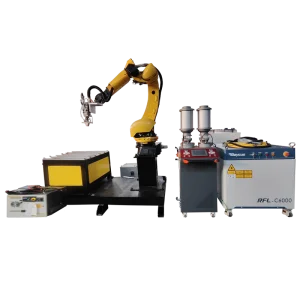
We supply customized systems, automatic laser cladding units, and heavy-duty robotic welding stations.
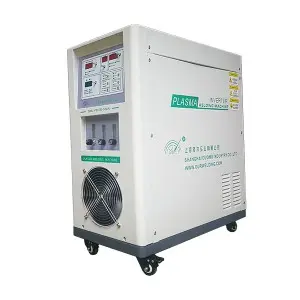
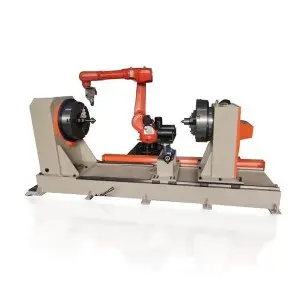
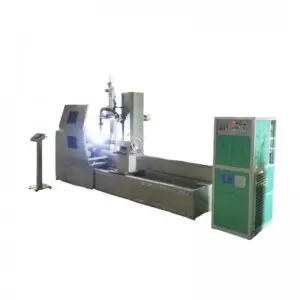
A B2B guide for sourcing industrial laser rust removal and surface treatment machinery.
For procurement officers and manufacturing managers, buying custom laser rust removal equipment requires matching system specifications with operational demands. Important variables to consider include:
Ensuring your operations are protected by international safety ratings and technical support.
Operating high-power laser equipment requires strict adherence to occupational safety standards. Our laser cleaning machines are designed to meet all major international safety codes, including the IEC 60825-1 standard for laser products. We integrate active safety features such as electronic interlock loops, emergency stop sequences, and real-time monitoring sensors that shut off the laser if the cleaning gun is moved out of alignment.
To support our global customers, we maintain a network of technical service centers. We offer on-site commissioning, operator safety training, and quick spare parts delivery to keep your production line running smoothly. Our technical support team is available online to assist with remote diagnostic monitoring, PLC programming updates, and parameter configuration for new alloys.
Next-generation innovations in artificial intelligence, robotics, and high-frequency pulsed systems.
As industrial automation advances, our R&D team is working to integrate artificial intelligence (AI) with laser surface treatment. By using real-time machine vision sensors, future iterations of our systems will automatically detect rust depth and oxide density. The system's controller can then adjust laser power and scanning speed in real time, reducing energy consumption and processing times.
We are also focusing on improving high-power pulsed fiber lasers. By developing systems with higher pulse frequencies (up to 2 MHz) and shorter pulse durations, we aim to increase cleaning rates by 40% on sensitive substrates like aerospace-grade aluminum and carbon-fiber composites, making laser cleaning viable for a wider range of high-volume industrial applications.
Answers to common technical, financial, and operational questions from B2B buyers.
Case studies and articles analyzing hardfacing processes, dilution rates, and wear protection.
"The PTA Welding Valve Application Guide is not just a process choice for valve manufacturers facing high wear, high corrosion, and high-temperature erosion working conditions, but also a key path to improving product competitiveness."
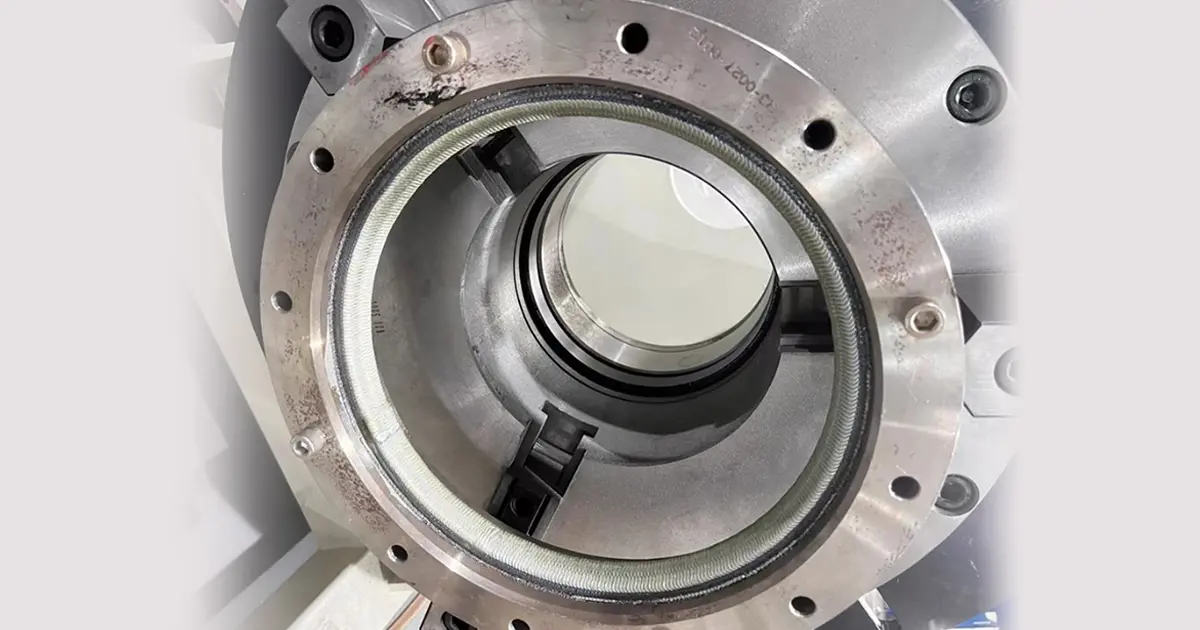
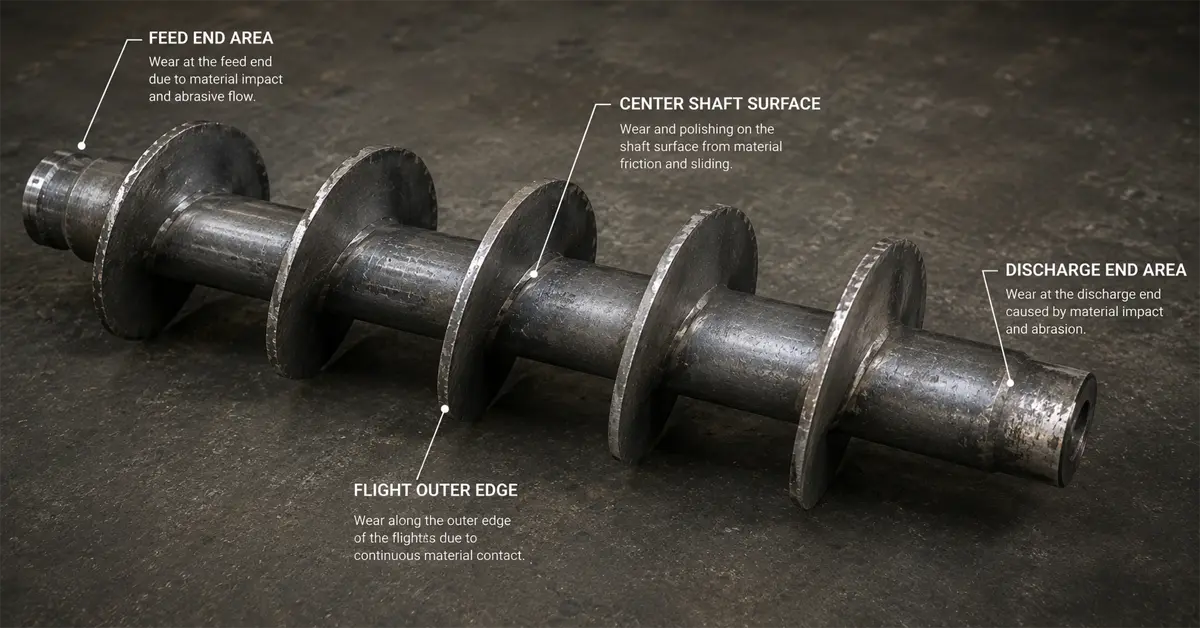
"In industries such as mining, cement, power generation, steelmaking, chemical processing, and biomass energy, screw conveyors are often regarded as auxiliary equipment. However, maintenance data shows that they are among the most frequent causes of unplanned production delays."
"In Plasma Transferred Arc (PTA) hardfacing, achieving a high-quality overlay is not only about selecting the right alloy powder or optimizing welding parameters. One of the most critical factors that directly affects overlay performance is the dilution rate."
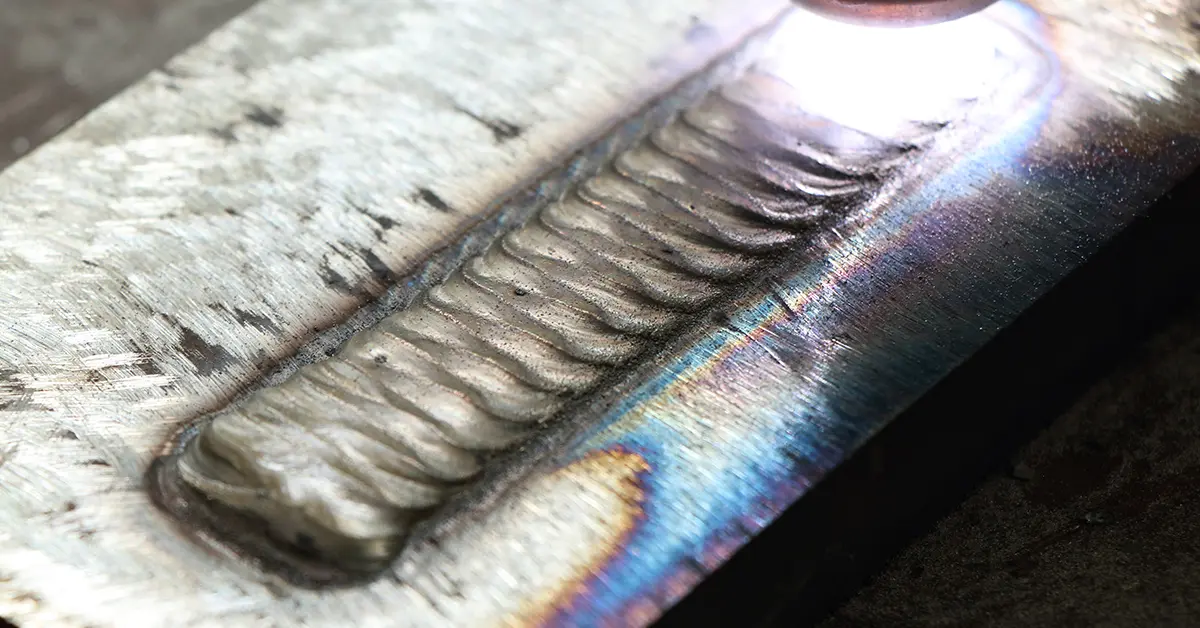
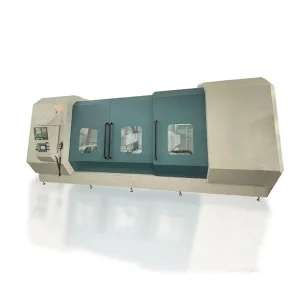
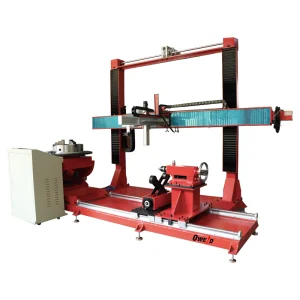
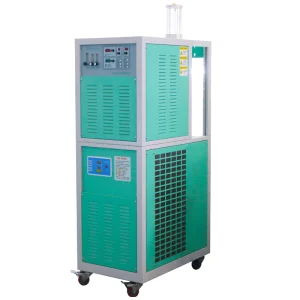
Explore our high-performance cladding, welding systems, and custom accessories built to withstand demanding industrial environments.





 Duomu
Duomu