Explore our specialized range of plasma powder welding and laser cladding equipment engineered for durability and ultimate surface performance.
An in-depth analysis of metallurgical surface modifications, global supply routes, and automated cladding technologies.
In modern engineering, the term Rivestimento Plasma (Italian for plasma coating or plasma surfacing/cladding) refers to a specialized surface modification process. This technique deposits wear-resistant, anti-corrosive, or heat-resistant metallic alloys onto raw substrates using a thermal plasma arc. As a custom supplier and factory, we specialize in **Plasma Transferred Arc (PTA) cladding** and **Laser Cladding**. These technologies are critical to extending the operational lifespan of heavy machinery component parts exposed to extreme stress.
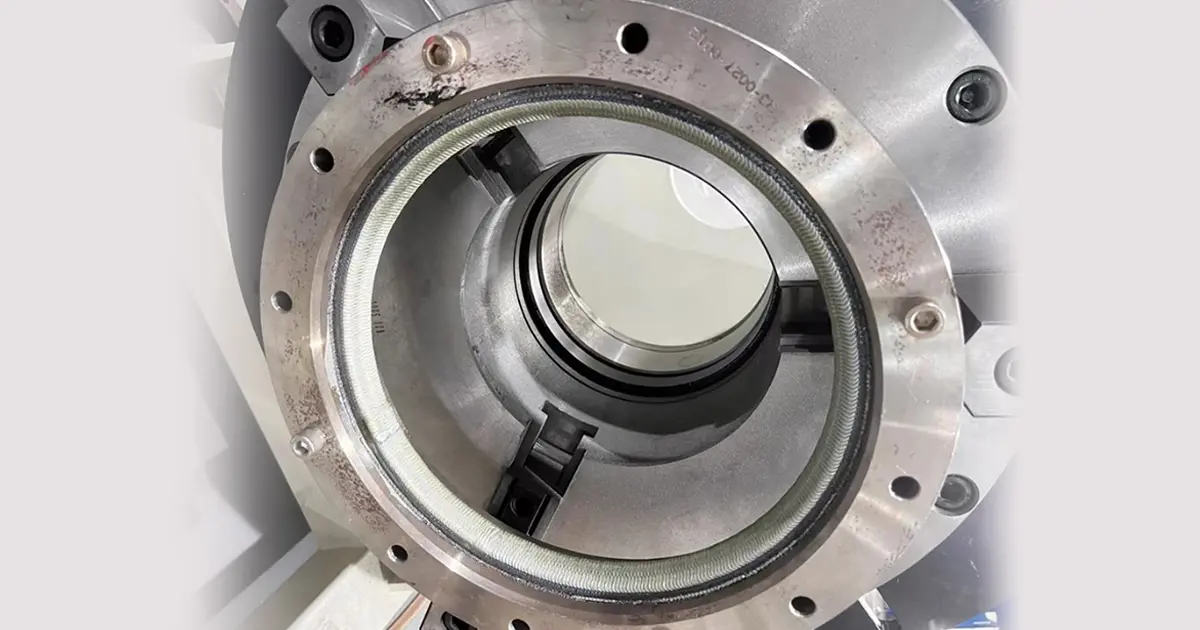
Unlike conventional thermal spraying which creates a mechanical bond, PTA and laser cladding produce a true metallurgical bond. The high-energy plasma arc or coherent laser beam melts the surface of the base metal and the filler powder simultaneously. This results in an overlay with low dilution rates, minimal heat-affected zones (HAZ), and unmatched cohesive strength. Industries requiring high precision—such as aerospace, petrochemical, and defense—increasingly favor PTA and laser cladding solutions to achieve precise surface specifications without compromising base material properties.
The global demand for custom plasma cladding and surfacing technologies is experiencing a significant surge. According to industrial manufacturing analyses, the global thermal spray and metallurgical cladding market is growing at a CAGR of over 6.5%. This growth is driven by three primary macroeconomic factors:
A customized PTA cladding system is not just a welding machine; it is a holistic production asset that directly translates to significant operating expenditure (OPEX) reductions and increased production efficiency for heavy industries.
Industrial engineers must evaluate whether PTA or Laser Cladding is best suited for their application. The table below outlines key differences to guide this selection:
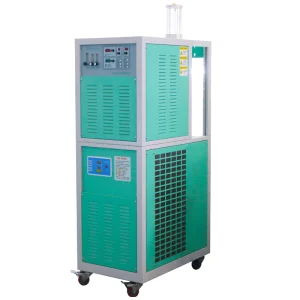
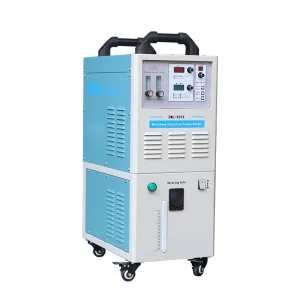
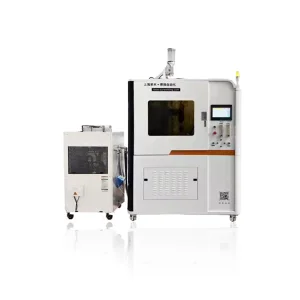
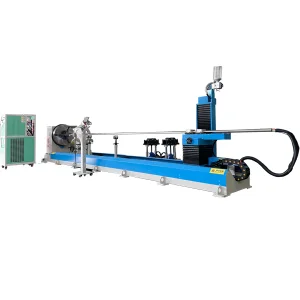
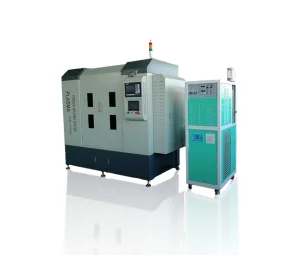
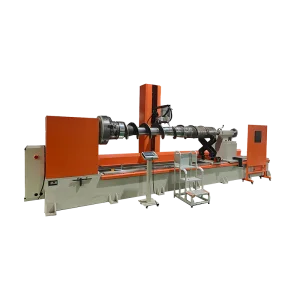
As an expert supplier, we design systems that combine these strengths. For example, our DSL-LC401 double-cone cladding machine and the DNC2000 planar plasma surfacing system leverage automation to ensure uniform alloy distribution, minimizing the post-weld machining required.
At present, our products have penetrated into many fields such as aerospace military industry, nuclear power, petrochemical industry, coal mines, metallurgy and forging, agriculture, water conservancy and electric power.

Sub-surface components, soil-tilling blades, and shredder teeth are coated with high-carbide overlays to withstand severe abrasive soil conditions.

Turbine blade tip repairs, engine housing reconstruction, and landing gear reinforcement with extreme corrosion-resistant alloys.

Cladding drill collars, valve gates, and seats to prevent erosion from high-pressure sour gas and crude oil slurry flow.
Shanghai Duomu has been a leading manufacturer and exporter of PTA cladding machine and Laser cladding machine for more than ten years with a strong technical background. Our dedicated R&D division focus is on engineering automated cladding and surfacing equipment designed to handle high wear, corrosion, and high-temperature environments.
By designing customized systems—including hydraulic rod cladding machines, valve cladding units, and pick cladding machines—we help global manufacturers build robust parts that outlast untreated alternatives.
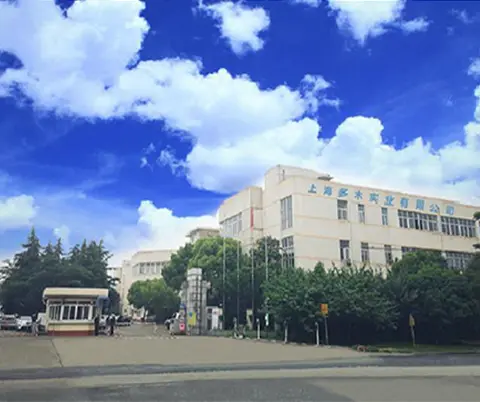
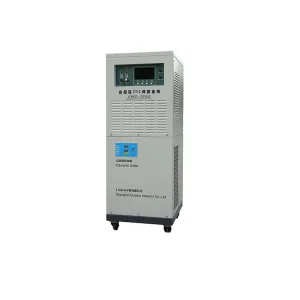
We have an independent R&D team that develops, produces, and sells plasma cladding machine equipment. The welding machine has stable performance and can maintain efficient long-term operation. In addition, the laser cladding equipment sold by the company can effectively support large-scale remanufacturing projects. We have mature technological means to provide complete sets of industrial equipment solutions.
We tailor powder feeding mechanisms, gas shielding systems, and motion controllers to meet specific factory parameters. This customized approach ensures high-integrity metallurgical bonds, low dilution rates, and minimal heat-affected zones.
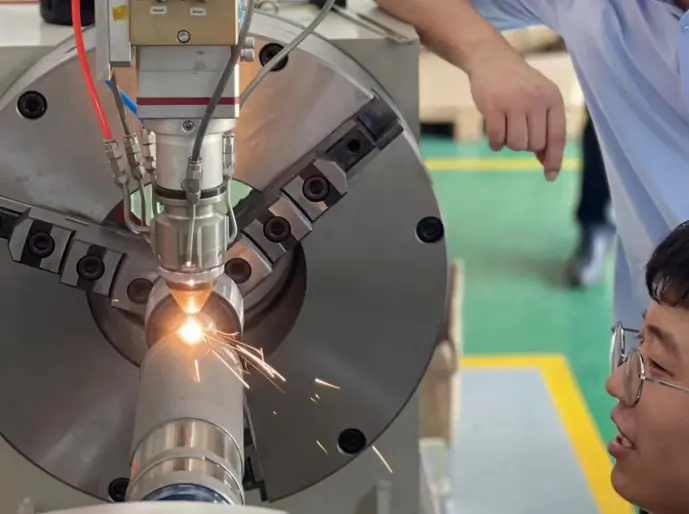
The performance of the rivestimento plasma layer depends heavily on selecting the correct powder alloy. Standard substrates like carbon steel or low-alloy steels are often coated with high-performance alloys to improve surface properties:
For inquiries about our products or pricelists, please leave your details and our technical R&D team will contact you within 24 hours.
Contact Our Technical Experts"The PTA Welding Valve Application Guide is not just a process choice for valve manufacturers facing high wear, high corrosion, and high-temperature erosion working conditions, but also a key path to improving product competitiveness. As industries such as petrochemical, power, and marine demand higher performance, we rely on Duomu for stability."
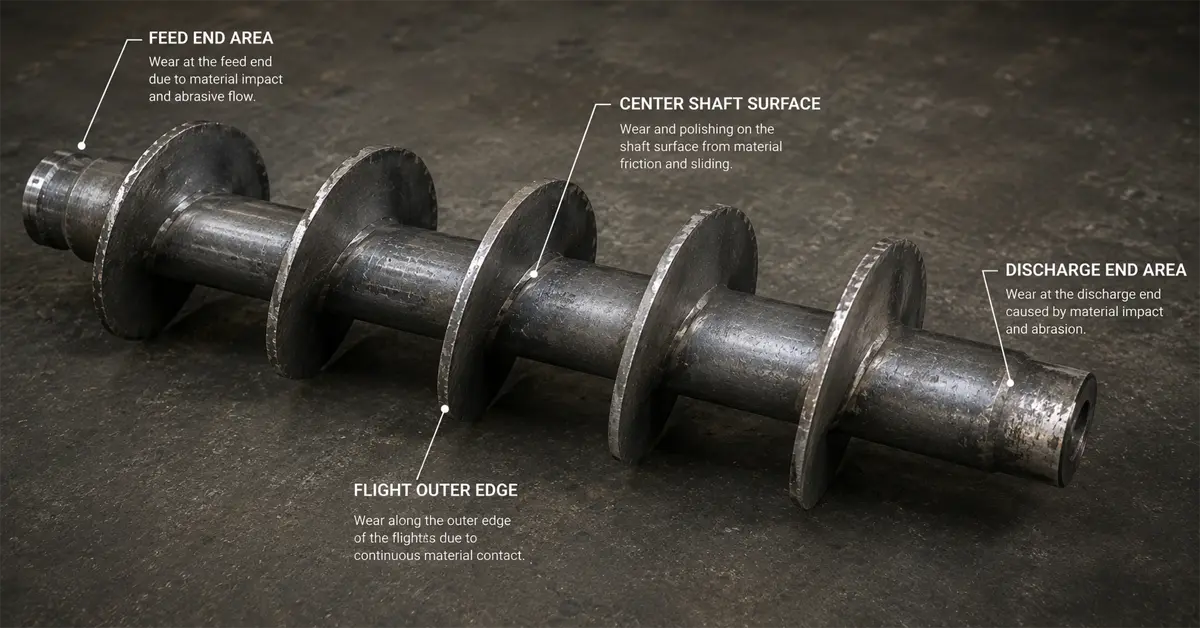
"In industries such as mining, cement, power generation, steelmaking, chemical processing, and biomass energy, screw conveyors are often regarded as auxiliary equipment. However, maintenance data shows that they are among the most frequent causes of unplanned production shutdowns. Cladding with automatic PTA machines has doubled our screw service life."
"In Plasma Transferred Arc (PTA) hardfacing, achieving a high-quality overlay is not only about selecting the right alloy powder or optimizing welding parameters. One of the most critical factors that directly affects overlay performance is the dilution rate. Duomu's precision machines give us complete control over our microstructural integrity."
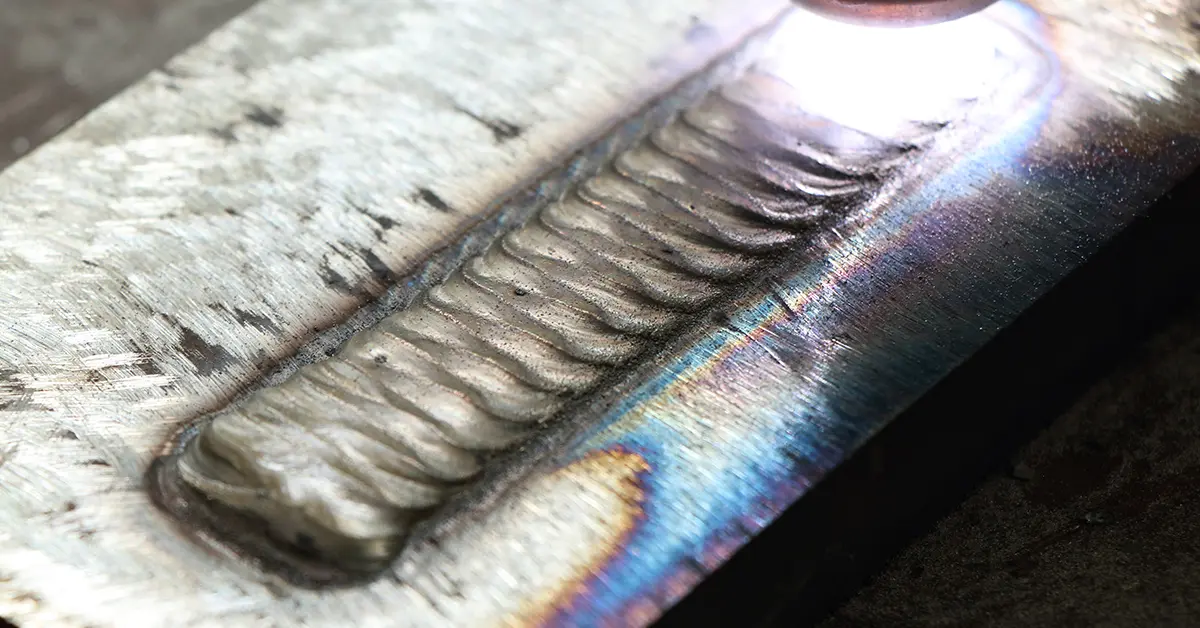
Key factors include arc current, powder feed rate, travel speed, and gas flow rates (shielding, carrier, and plasma gas). Precise control of these variables ensures low dilution rates and a uniform deposition profile.
Laser cladding delivers highly concentrated energy, melting a very thin surface layer with minimal heat transfer to the substrate. While PTA has slightly higher heat input, it offers faster deposition rates at a lower equipment cost, making it ideal for thick overlays on heavy-duty parts.
Yes, PTA is highly effective for depositing composite powders like nickel-base or iron-base alloys blended with tungsten carbide. It creates a highly wear-resistant layer suitable for drill bits, mining picks, and excavation tools.
Dilution occurs when the base metal mixes with the cladding alloy. A high dilution rate can degrade the properties of the overlay by introducing weaker substrate elements. Our PTA and laser systems are designed to keep dilution below 5%, maintaining the protective properties of the cladding.
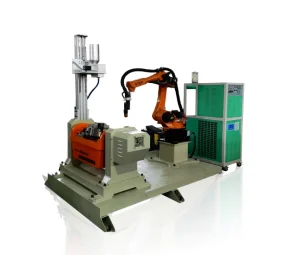
Browse our advanced plasma surfacing robots, planar systems, and specialty cladding tools for heavy manufacturing.
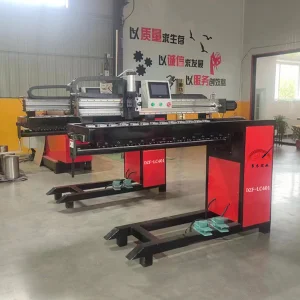
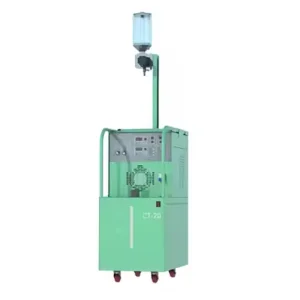
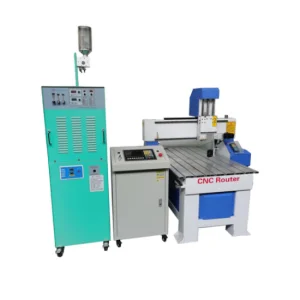
Collaborating with leading enterprises across power, mining, chemical, and metal casting sectors.








 Duomu
Duomu