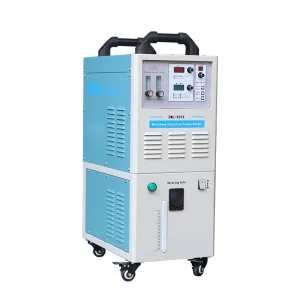
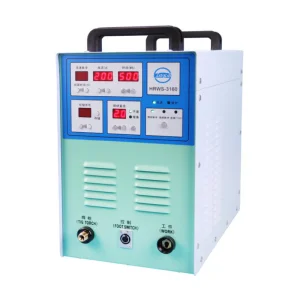
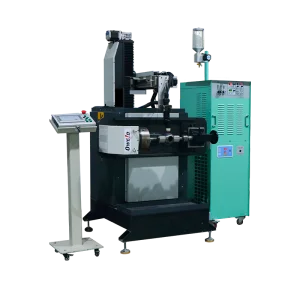
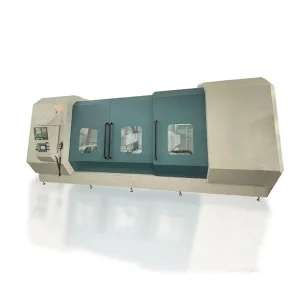
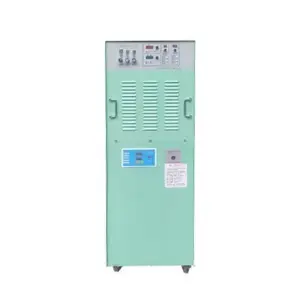
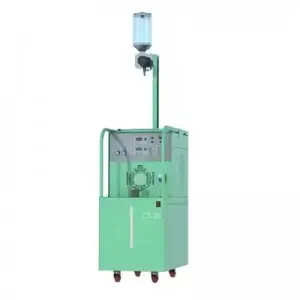
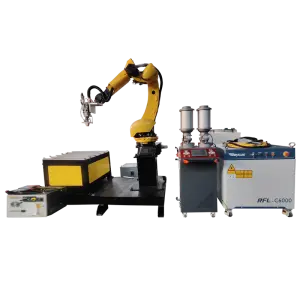
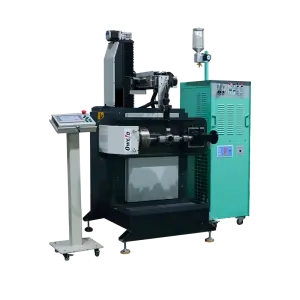
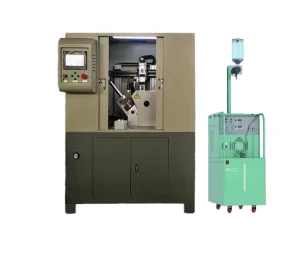
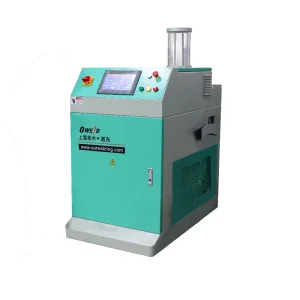
Explore our high-performance solutions engineered for extreme wear resistance, micro-precision repair, and robust automated cladding.
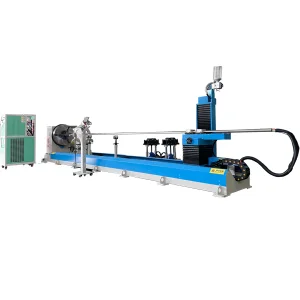
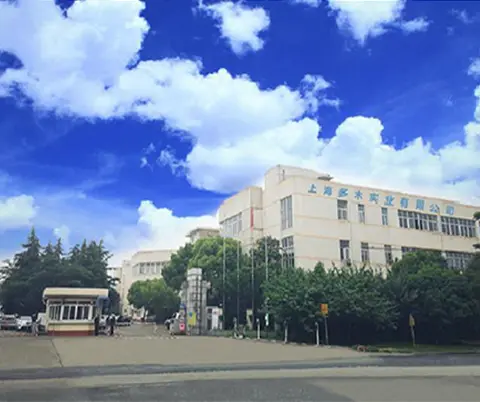
Shanghai Duomu has been a leading manufacturer and exporter of PTA cladding machine and Laser cladding machine for more than ten years with a strong technical background. Our dedication to innovation has established us as a benchmark for high-reliability surfacing systems globally.
Equipped with an independent, world-class R&D team, we design, manufacture, and market advanced plasma arc systems, laser cladding systems, and customized industrial integration platforms. By fusing mechanical accuracy with automated controls, we provide solutions that extend the lifecycle of machinery components operating under the most challenging, high-wear conditions.
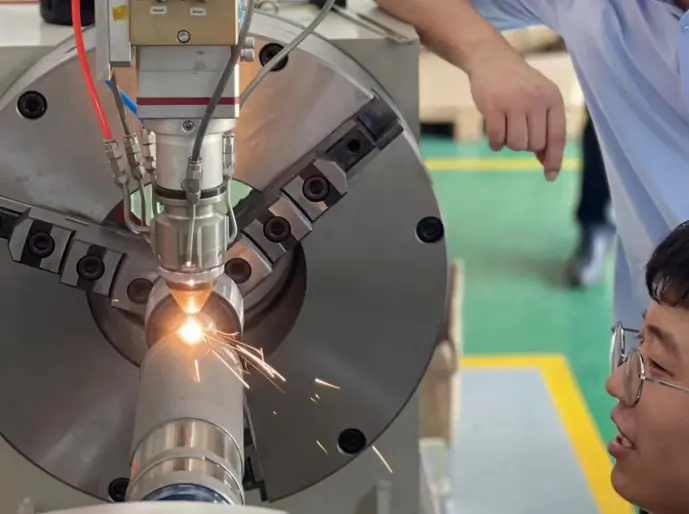
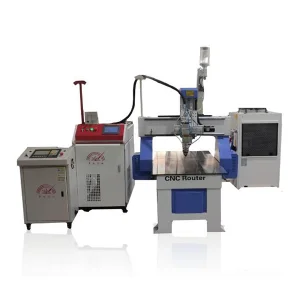
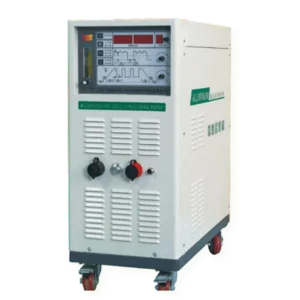
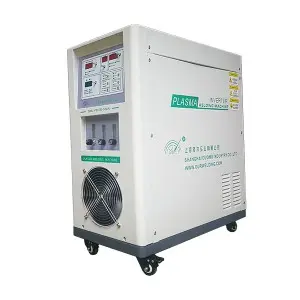
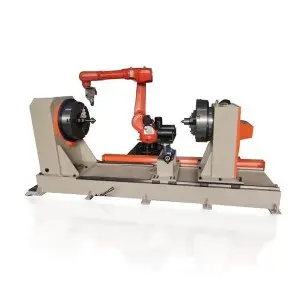
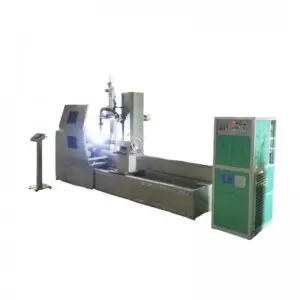
Our independent engineering division specializes in developing advanced power sources, torch designs, and custom automation software for plasma and laser deposition. Our PTA (Plasma Transferred Arc) cladding machines are designed for reliable, continuous operation on industrial lines. In addition, the laser cladding equipment sold by the company can effectively support large-scale remanufacturing projects. We have mature technological means to provide complete sets of industrial equipment solutions.
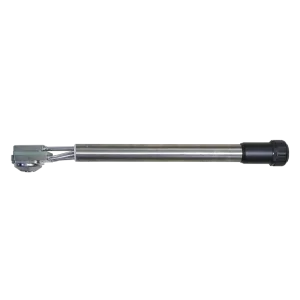
Whether it involves integration with robotic multi-axis manipulators, implementing closed-loop temperature sensing, or designing custom internal bore welding torches for restricted spaces, our engineering department designs tailored solutions to match your specific production requirements.
A comparative breakdown of metallurgy, thermal dynamics, and deposition efficiency for industrial decision-makers.
Uses a non-consumable tungsten electrode to create the welding arc. Provides high precision for thin materials and critical repair applications. Highly clean processes with precise heat control, but lower deposition rates relative to PTA.
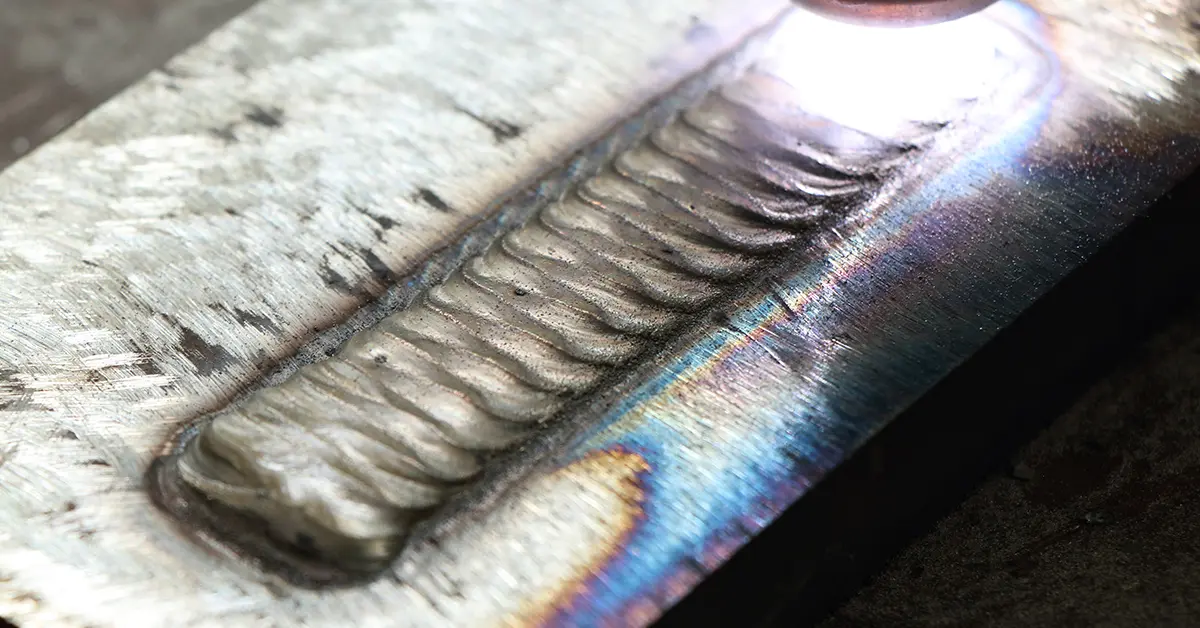
Constricted, high-energy plasma arc process utilizing powder alloys. Offers low base-metal dilution rates (5-10%), high deposition rates (up to 6 kg/hr), and is suitable for applying thick, wear-resistant carbide coatings on critical wear surfaces.
Employs a high-energy laser beam to melt filler powder or wire simultaneously with a thin layer of the substrate. Minimizes the Heat Affected Zone (HAZ), prevents distortion, and generates metallurgical bonds with dilution rates below 5%.
Why leading global manufacturers and engineering firms partner with us for specialized hardfacing systems.
Industrial organizations require equipment that balances high throughput with reliable metallurgy. Procurement teams evaluate factors beyond initial capital costs, analyzing long-term lifecycle metrics:
At present, the company's products have penetrated into many fields such as aerospace military industry, nuclear power, petrochemical industry, coal mines, metallurgy and forging, agriculture, water conservancy and electric power, etc.

Wear protection for tines, blades, and tillage tools.

High-precision repairs and coatings for turbine blades.
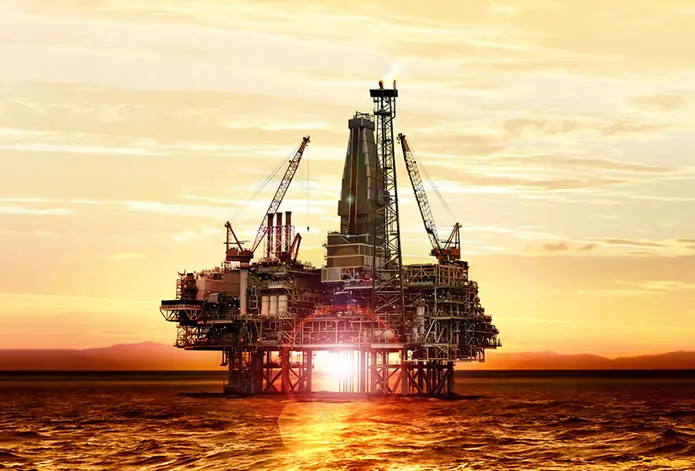
Hardfacing solutions for drill stabilizers and valves.
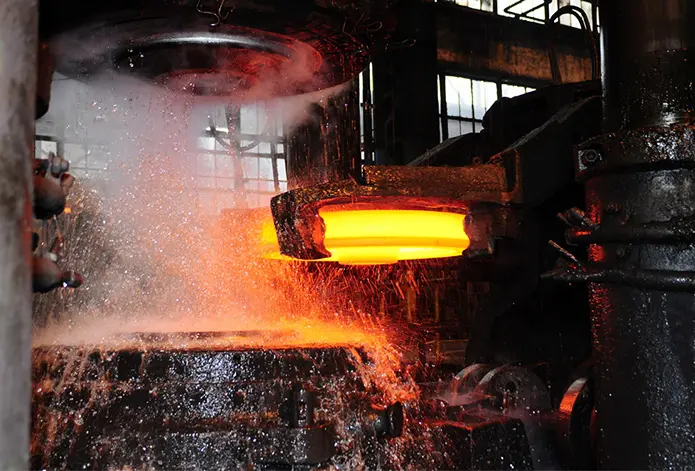
Rollers and guide plates subjected to extreme thermal cycling.
We can provide customized equipment, automatic laser cladding equipment, automatic plasma cladding equipment, intelligent robot cladding equipment, etc. according to customers' requirements, including special equipment in the industry.
How automated cladding systems resolve wear issues across key industrial sectors.
Industrial valve parts subjected to steam or abrasive slurry require stellite overlays to prevent galling. Automated PTA systems apply alloy overlays to seat surfaces, maintaining critical hardness levels at elevated operating temperatures.
Laser cladding provides an environmentally sustainable alternative to electrolytic hard chrome plating. Applying a thin coating of stainless steel or nickel-based alloy achieves corrosion resistance and wear control with minimal heat input, reducing risk of substrate distortion.
The internal bores of extrusion cylinders operate under severe sliding friction and corrosive polymer stresses. Internal bore cladding torches deposit cobalt or nickel base matrices within deep bore cavities to maintain barrel integrity.
Ground engaging tools face severe soil abrasion. Automatic deposition of tungsten carbide particles (W2C) embedded in a tough nickel-alloy matrix extends component lifespans by up to five times compared to untreated parts.
Developing next-generation surface cladding technologies through ongoing innovation.
In response to changing production demands, our technical development is focused on key strategic areas:
Ensuring our systems conform to international manufacturing and welding standards.
Equipment and cladding procedures are designed to align with ASME Section IX requirements, supporting pressure vessel component applications.
Our design protocols conform to quality requirements for fusion welding of metallic materials, ensuring consistent system performance.
All automated machinery is manufactured and certified under European CE safety standards, including EMC and Low Voltage regulations.
Get authoritative answers to technical and process queries regarding cladding and TIG systems.
PTA (Plasma Transferred Arc) cladding uses a constricted plasma arc to melt the alloy powder and substrate. It offers high deposition rates, low equipment costs, and is suited for heavy-duty components. Laser cladding uses a focused laser beam, resulting in lower heat input, a smaller Heat Affected Zone (HAZ), lower dilution rates (often under 5%), and suitability for high-precision components.
Dilution rate measures the mixing of base metal with the clad overlay. A high dilution rate introduces substrate elements like carbon steel into the overlay alloy, reducing its hardness and wear resistance. Maintaining dilution rates below 10% for PTA and 5% for Laser cladding preserves the intended properties of the surfacing alloy.
Yes. Our cladding systems, controllers, and powder feeders are designed to interface with standard multi-axis industrial robots (such as KUKA, ABB, Fanuc, and Yaskawa) using protocols like Profinet, EtherNet/IP, or analog connections.
The systems support a range of alloys, including cobalt-based alloys (e.g., Stellite 6, Stellite 12), nickel-based alloys (e.g., Colmonoy grades), iron-based hardfacing alloys, and metal matrix composites containing tungsten carbide (WC) particles for high-stress abrasive applications.
Yes, we design specialized internal bore plasma and laser torches for surfacing components like extrusion barrels, valve seats, and sleeve bearings with internal diameters down to 50mm and varying bore depths.
See how industrial operators globally utilize our cladding technologies in production environments.
"The PTA Welding Valve Application Guide is not just a process choice for valve manufacturers facing high wear, high corrosion, and high-temperature erosion working conditions, but also a key path to improving product competitiveness. Implementing Duomu's PTA cladding setup allowed us to decrease seat wear rates by 40% while maintaining reliable metallurgical properties under thermal cycling."
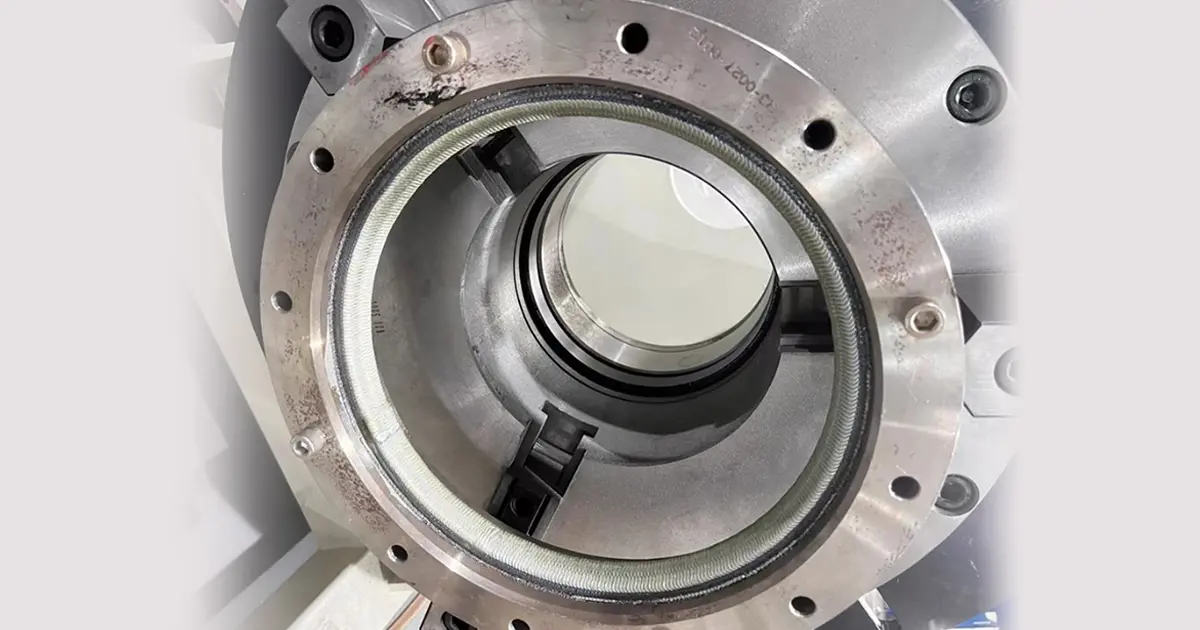
Industrial Valves Manufacturer
"In industries such as mining, cement, power generation, steelmaking, chemical processing, and biomass energy, screw conveyors are often regarded as auxiliary equipment. However, maintenance data shows that they are among the most frequent causes of unplanned production delays. Standardizing on Duomu's automated powder surfacing reduced repair cycles on our transport screws."
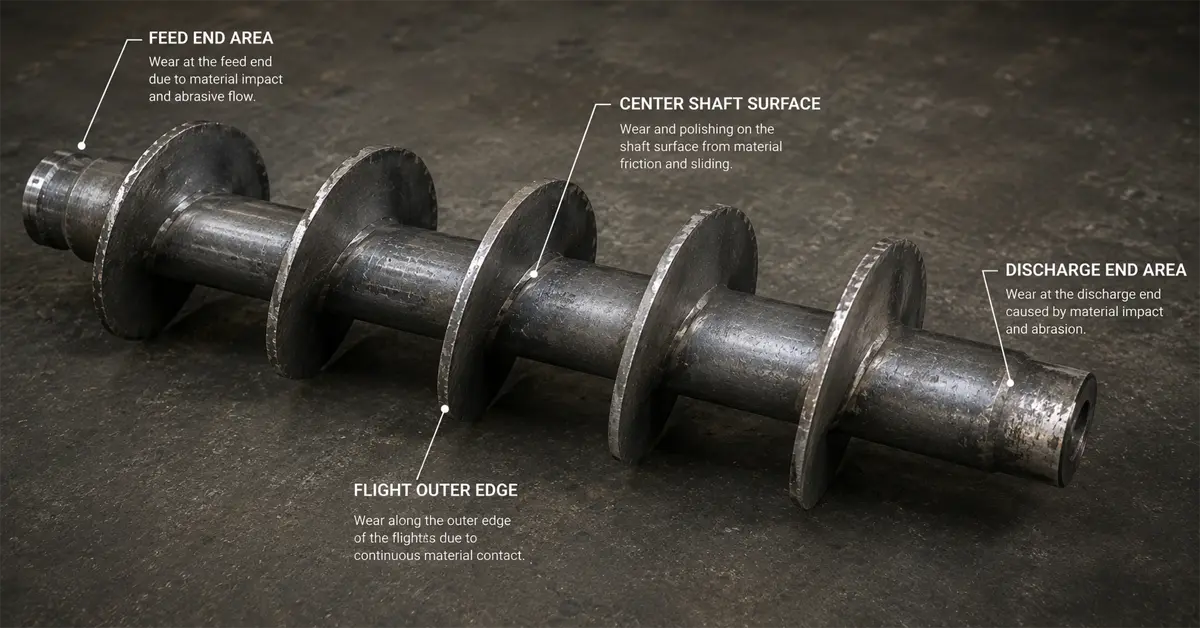
Heavy Conveyor Solutions Corp
"In Plasma Transferred Arc (PTA) hardfacing, achieving a high-quality overlay is not only about selecting the right alloy powder or optimizing welding parameters. One of the most critical factors that directly affects overlay performance is the dilution rate. Whether you require micro-repairs or automated cladding, Duomu systems provide fine control over thermal energy."
Remanufacturing Tech Center
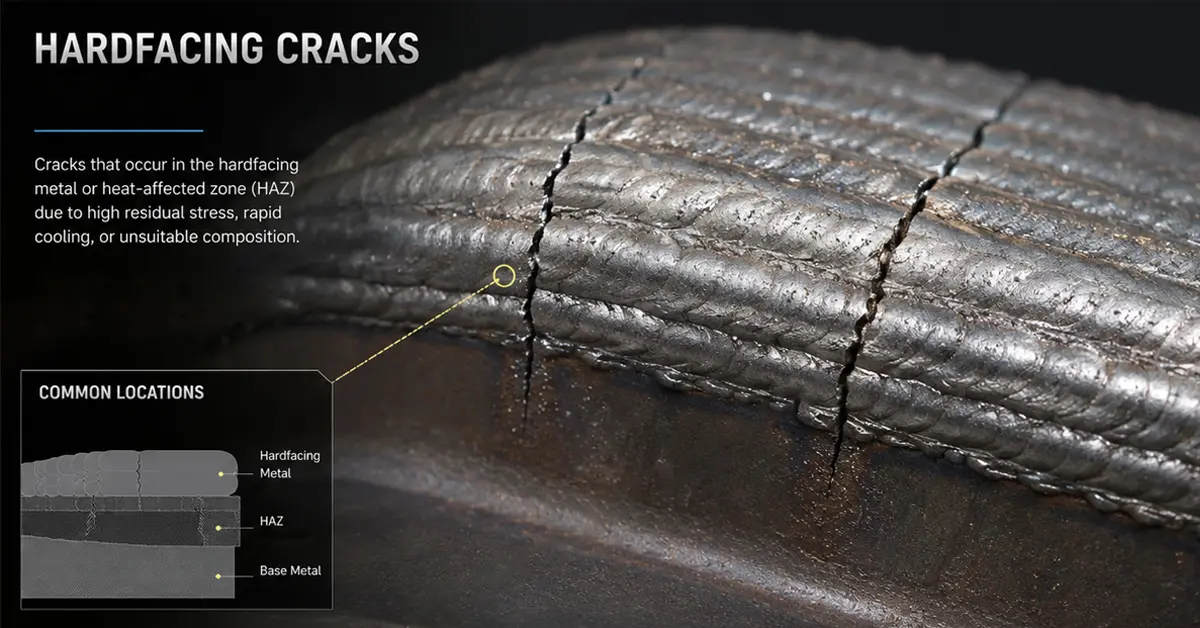
"In industries such as Oil & Gas, Mining, Power Generation, Cement, and Heavy Equipment Manufacturing, hardfacing is no longer just a repair process. It has become a critical technology directly related to equipment lifespan, downtime costs, maintenance frequency, and overall operating margins."
Global Power Infrastructure Ltd
Connecting our systems with leading manufacturers and sub-tier partners globally.







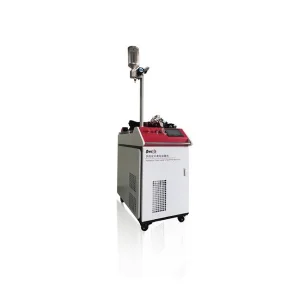
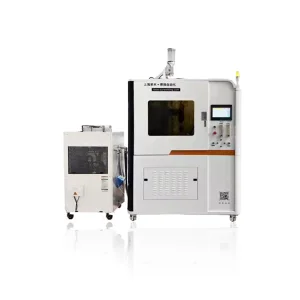
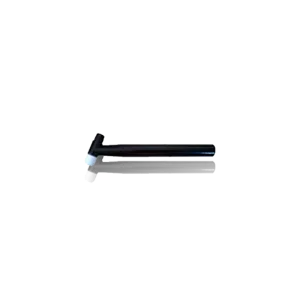
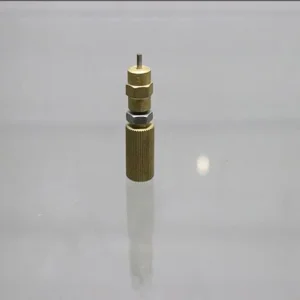
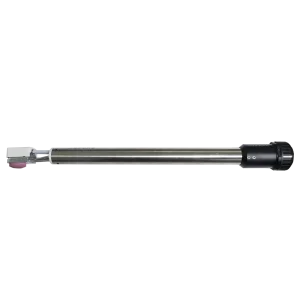
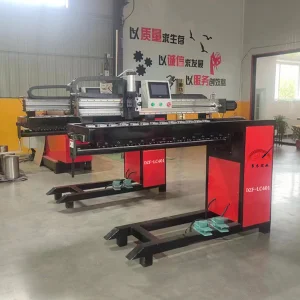
Explore our handheld devices, automated platforms, and replacement torches designed to support production operations.
For inquiries about our products or pricelist, please leave your contact details with us and our engineering team will be in touch within 24 hours.
Partner with Shanghai Duomu to optimize your welding deposition, cladding dilution, and industrial component lifecycles.
 Duomu
Duomu