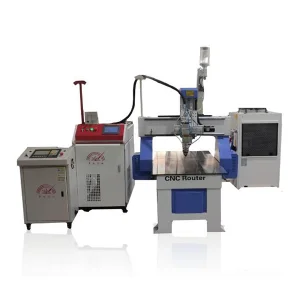
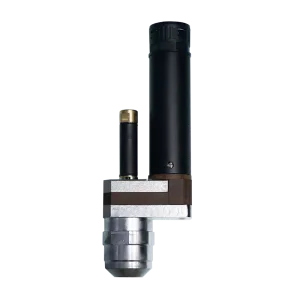
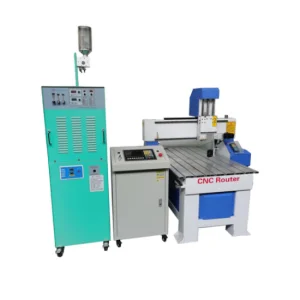
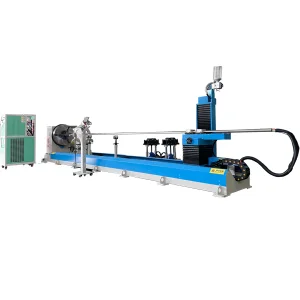
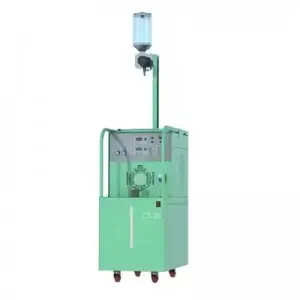
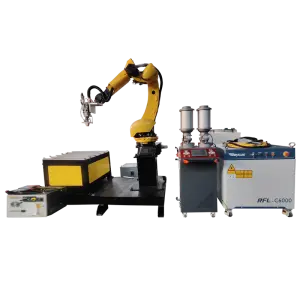
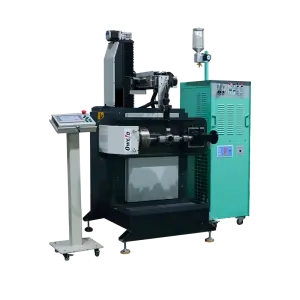
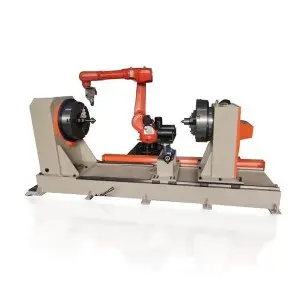
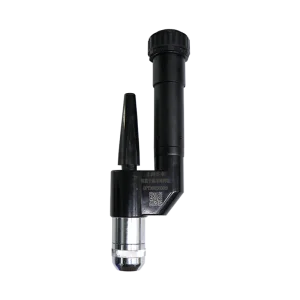
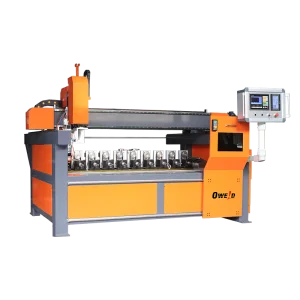
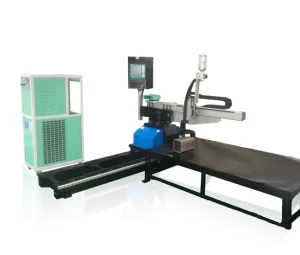
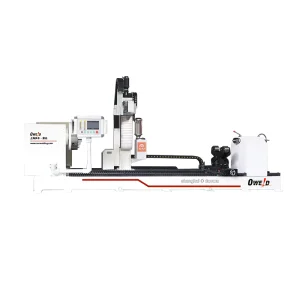
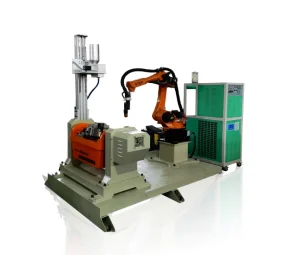
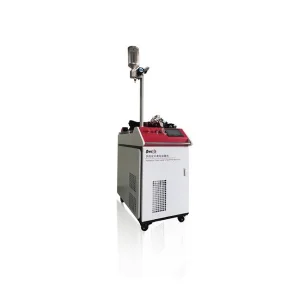
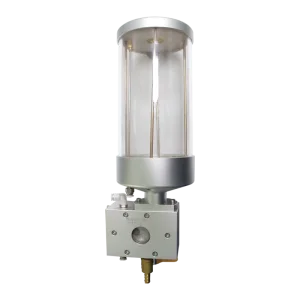
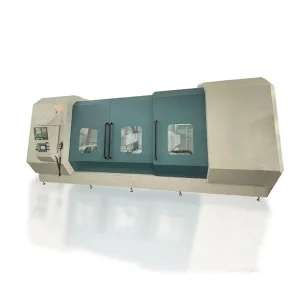
Engineered systems configured to custom specifications. Browse our flagship industrial solutions.
A Technical Exposition for Process Engineers and Procurement Directors
In the domain of Gas Metal Arc Welding (GMAW), the terms MIG (Metal Inert Gas) and MAG (Metal Active Gas) are frequently grouped together, yet they represent fundamentally distinct physical and chemical environments at the weld pool. For global industrial manufacturers seeking custom solutions, understanding the technical *Unterschied* (difference) is vital to selecting the correct equipment configuration, shielding gas parameters, and power supply dynamics.
Utilizes non-reactive shielding gases such as pure Argon (Ar) or Helium (He). The inert atmosphere prevents any chemical interaction with the molten weld pool. MIG is predominantly utilized for non-ferrous metals, including aluminum alloys, copper, titanium, and magnesium. The primary challenge is maintaining arc stability without active gas chemistry.
Employs reactive gas mixtures, typically Carbon Dioxide (CO2) or Argon combined with oxygen or CO2 (e.g., 80% Ar / 20% CO2). The active gas reacts with the molten metal, stabilizing the arc, optimizing droplet transfer, and modifying the surface tension of the weld pool. MAG is the standard configuration for structural carbon steels and low-alloy steels.
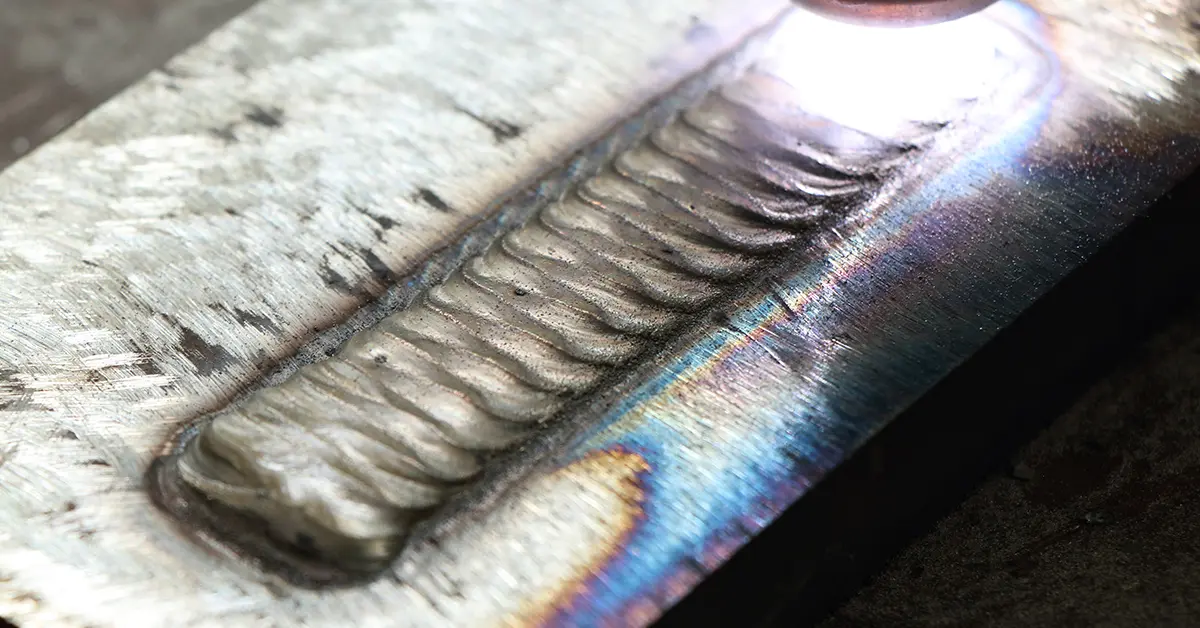
The choice of shielding gas in MIG/MAG setups directly affects the penetration profile, weld bead shape, and metallurgical structure of the final component. Pure CO2 (MAG) provides deep penetration but can result in high spatter rates and a coarser weld bead. Transitioning to an Argon-CO2 mixture narrows the arc column, enabling spray transfer modes that drastically reduce clean-up times and improve deposition rates.
| Parameter / Feature | MIG (Metal Inert Gas) Configuration | MAG (Metal Active Gas) Configuration |
|---|---|---|
| Typical Shielding Gas | Pure Argon (Ar), Helium (He), or Ar-He mixtures | CO2, Ar + CO2 mixtures, Ar + O2 mixtures |
| Material Suitability | Aluminum, Copper, Titanium, Nickel alloys | Carbon Steels, Stainless Steels, Alloy Steels |
| Arc Stability & Spatter | Highly stable but sensitive to surface contamination | Controlled by active gas mixture; low spatter with Ar-CO2 |
| Deposition Profile | Finger-like deep penetration; highly localized heat | Wide, stable bead profile; tailored penetration based on active gas % |
| Custom Tooling Needs | Precision wire feeders for soft wires (Teflon liners) | Heavy-duty gas mixing valves, active cooling torches |
Modern automated factories rarely buy single-purpose machines. Custom MIG/MAG systems engineered by advanced manufacturers like Shanghai Duomu feature dual-gas inlets and digital parameter controls. This allows operators to toggle between inert and active profiles with simple screen taps, optimizing capital expenditure (CAPEX).
A DECADE OF ENGINEERING EXCELLENCE IN CLADDING & WELDING SYSTEMS
Shanghai Duomu has been a leading manufacturer and exporter of PTA (Plasma Transferred Arc) cladding machines and Laser cladding machines for more than ten years, backed by a robust technical background.
Our engineering focus extends beyond standard welding systems. We build robust, high-precision industrial workhorses capable of surface restoration, hardening, and alloy cladding under the most demanding manufacturing conditions. By integrating custom MIG/MAG modules with PTA and Laser welding heads, we provide global clients with versatile manufacturing platforms that bridge the gap between structural joining and surface engineering.
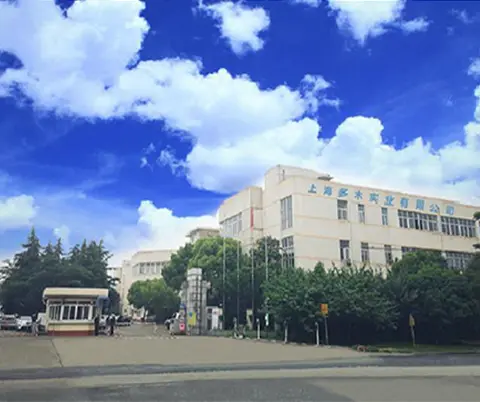
How customized MIG/MAG and PTA cladding systems address severe wear and corrosion challenges
Heavy industries worldwide are facing a continuous battle against wear, corrosion, and thermal degradation. Traditional replacement strategies are no longer economically viable due to rising material costs and supply chain complexities. Consequently, procurement teams are shifting focus toward remanufacturing, life extension, and protective cladding. Our tailored MIG/MAG, PTA, and laser systems are engineered to meet these demanding challenges across key sectors.
Aerospace components demand extreme dimensional accuracy and minimal heat-affected zones (HAZ). For high-altitude applications, superalloys must be deposited with zero porosity. Laser cladding and S-TIG technologies play a vital role here, allowing factories to rebuild turbine blades, compressor casings, and landing gears without compromising the structural integrity of the base substrate.
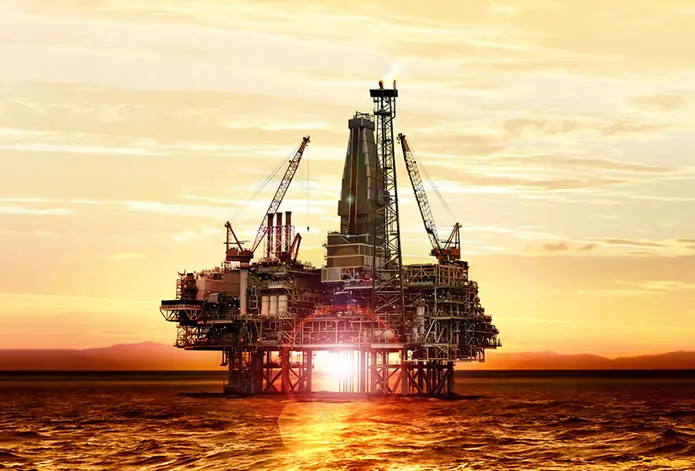
Petrochemical valves, drill collars, and downhole tools operate in highly corrosive H2S and CO2 environments. Our custom cladding solutions deposit corrosion-resistant alloys (CRAs) like Inconel 625 and Stellite 6 onto carbon steel backings. This process provides the surface performance of premium alloys at a fraction of the cost of solid alloy construction.
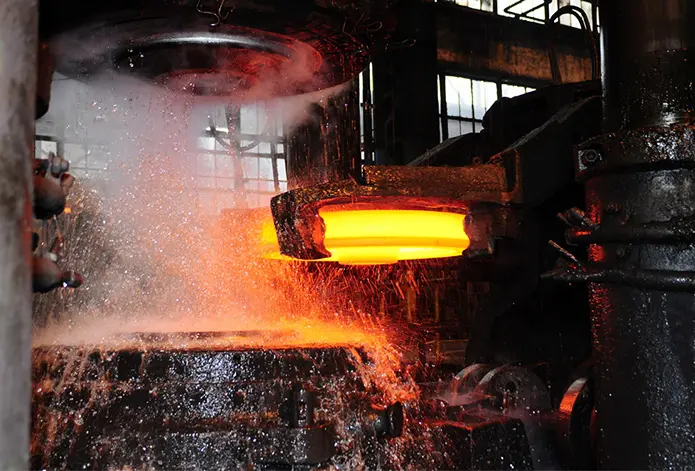
Steel mills and forging facilities rely heavily on continuous caster rolls, extrusion dies, and heavy shafts that face high temperatures and mechanical loads. Automated PTA and MAG surfacing systems deposit wear-resistant overlays that extend the operational life of these components by up to 300%.
At present, our products have penetrated into many fields such as aerospace military industry, nuclear power, petrochemical industry, coal mines, metallurgy and forging, agriculture, water conservancy and electric power, etc.
Extending the life of plowshares, tillers, and harvesters operating in abrasive soils.
Precision overlay welding on high-strength alloy structures and turbine components.
Internal cladding of valves, drill pipes, and marine drilling assemblies.
Thermal fatigue cladding on casting molds, continuous rollers, and guide plates.
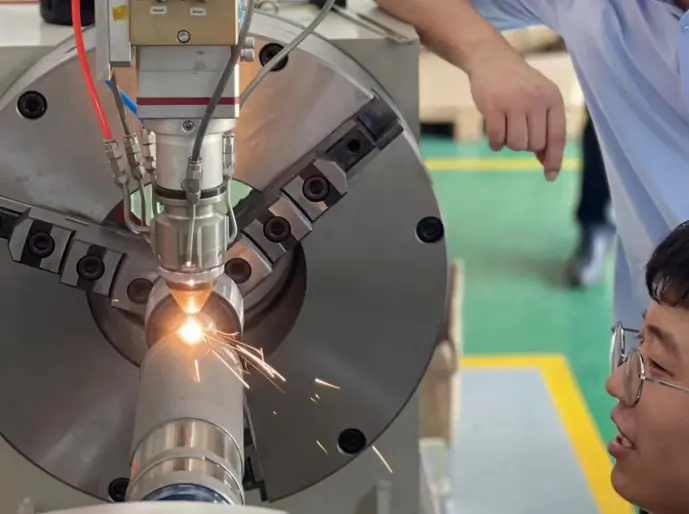
INDEPENDENT R&D AND FULL SYSTEM INTEGRATION
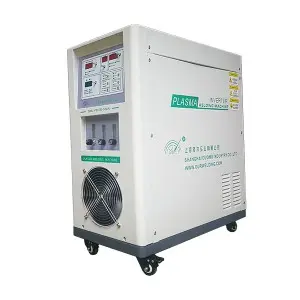
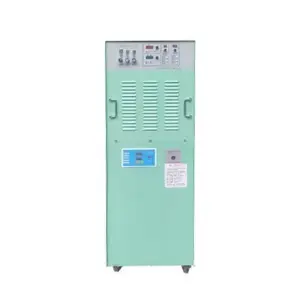
We feature an independent R&D team that develops, produces, and sells plasma cladding machine equipment. Our welding machines deliver stable performance and are built to maintain efficient, long-term operation. Additionally, our laser cladding equipment effectively supports large-scale remanufacturing projects. With mature technological expertise, we provide complete, integrated industrial equipment solutions tailored to your production requirements.
Our research focus spans welding physics, metallurgy, and robotic path planning. Whether integrating a multi-axis gantry manipulator or establishing closed-loop control systems for molten pools, our engineers deliver the precision your processes demand.
The convergence of Smart Sensing, Machine Vision, and Hybrid Additive Manufacturing
Integration of real-time molten pool monitoring cameras, acoustic sensors, and neural networks. These technologies dynamically adjust arc voltage, wire feed rate, and shielding gas flow, compensating for surface variations in real time.
Combining the high speed and low thermal distortion of laser welding with the excellent gap-bridging capability of MIG/MAG. This hybrid approach significantly increases welding speeds while ensuring strong, deep-penetration joints.
Optimizing gas delivery nozzles and wire consumption to reduce waste. Digital power sources cut idling energy draw, while smart fume-extraction systems ensure clean air and a safe working environment in modern factories.
We provide customized equipment, automatic laser cladding equipment, automatic plasma cladding equipment, intelligent robot cladding equipment, and more—all tailored to our customers' requirements.
Our customization capability is the core pillar of our factory's philosophy. We understand that no two production lines are identical. We design and manufacture specialized equipment for various industries, including hydraulic rod cladding machines, pick cladding machines, and valve cladding machines. Our engineering team customizes power capacities, gas mixture setups, CNC axes, and workspace footprints to match your specific production requirements.
Global engineering standards, certifications, and localized after-sales networks
Exporting heavy industrial equipment requires strict adherence to global safety and quality norms. At Shanghai Duomu, all manufactured systems—from customized MIG/MAG workstations to CNC laser cladding gantries—comply with European CE standards, ISO 9001:2015 quality management systems, and ISO 3834 welding quality requirements. Additionally, electrical cabinets are built to meet local regional standards, including UL (North America) and CSA (Canada).
Our production facilities maintain complete material traceability and implement NDT (Non-Destructive Testing) validation on critical stress components. This rigorous quality control ensures that our tools integrate seamlessly into even the most strictly regulated nuclear and aerospace environments.
Deploying automated machinery requires reliable local support. We offer remote telemetry diagnostics to assist your operators with troubleshooting, parameter optimization, and software updates. Our technical support services include:
Deep insight articles and industrial user reviews on PTA & cladding processes
"The PTA Welding Valve Application Guide is not just a process choice for valve manufacturers facing high wear, high corrosion, and high-temperature erosion working conditions, but also a key path to improving product competitiveness..."
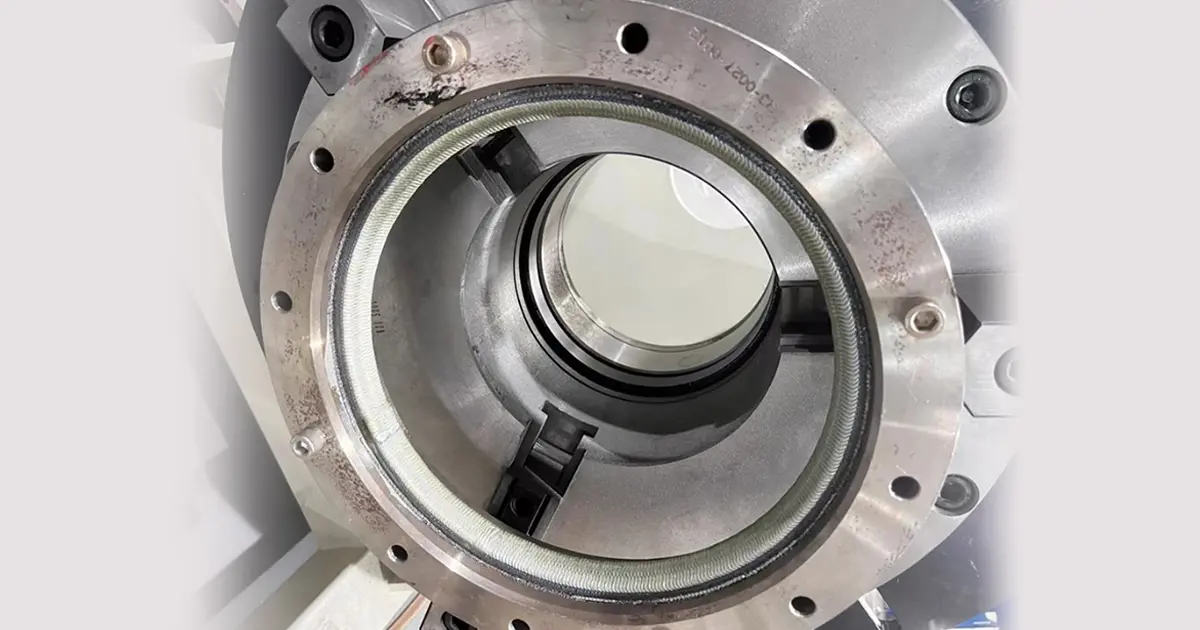
"In industries such as mining, cement, power generation, steelmaking, chemical processing, and biomass energy, screw conveyors are often regarded as auxiliary equipment. However, maintenance data shows that they are among the most frequent causes of unplanned production downtime..."
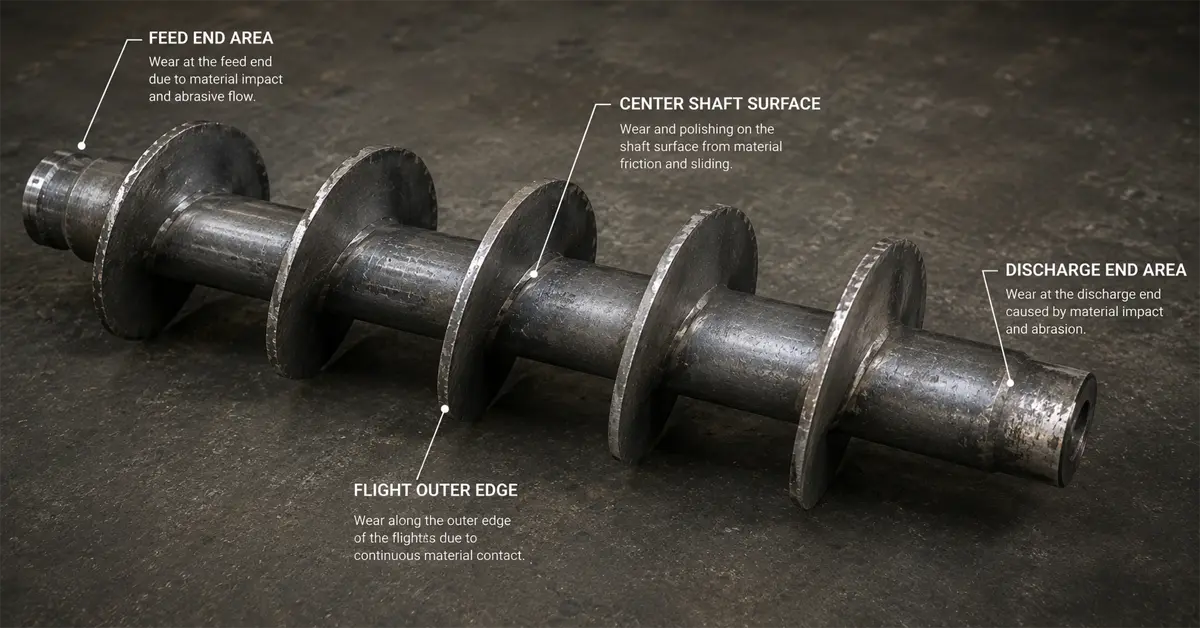
"In Plasma Transferred Arc (PTA) hardfacing, achieving a high-quality overlay is not only about selecting the right alloy powder or optimizing welding parameters. One of the most critical factors that directly affects overlay performance is the dilution rate..."
Direct technical answers to help engineering and purchasing departments make informed decisions
Industrial solutions for plasma cladding, laser cladding, and custom welding processes




 Duomu
Duomu