Pioneering Next-Generation Laser Cladding, Plasma Transferred Arc (PTA) Surfacing, and Automated Wear Protection Solutions Globally.
Engineered for maximum reliability, extreme thermal tolerance, and high precision in severe wear environments.
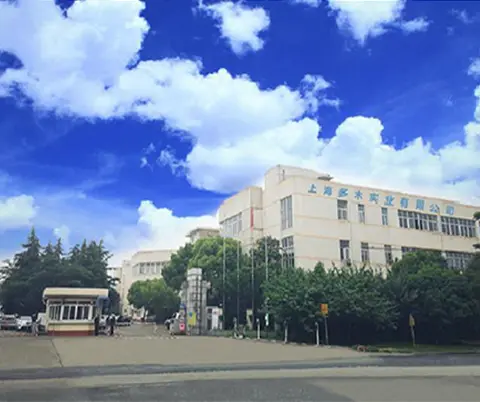
Shanghai Duomu has been established as a premium global manufacturer and exporter of Plasma Transferred Arc (PTA) cladding systems and high-efficiency laser cladding systems for over a decade. Built on a foundation of rigorous mechanical engineering and state-of-the-art metallurgical technologies, our corporate trajectory is focused on solving critical mechanical degradation problems across international heavy industries.
With an extensive portfolio spanning specialized automated overlay systems, robotic configurations, and premium wear-resistant components, we empower global industrial manufacturers to significantly extend the life cycles of their structural parts, optimize operation times, and mitigate catastrophic down-time expenses.
How Modern Surface Engineering is Decarbonizing Industry and Minimizing Operational Waste Worldwide.
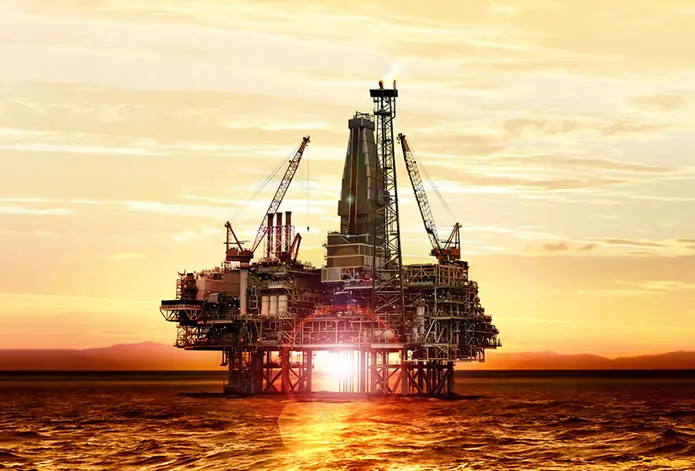
Globally, heavy industrial supply chains face unprecedented challenges, including fluctuating raw material costs, strict emission benchmarks, and severe operating stresses. Components used in oil extraction, power generation, open-cast mining, and heavy metallurgy are constantly exposed to catastrophic failure modes such as extreme abrasive wear, high-stress impact, cavitation erosion, and high-temperature oxidation.
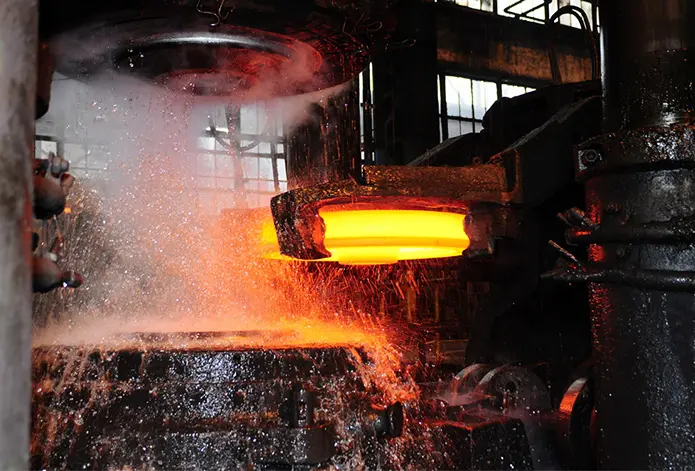
In this context, simple sacrificial maintenance models are no longer economically viable. The global industrial sector has shifted focus toward *circular manufacturing* or *industrial remanufacturing*. Surface engineering processes—namely Laser Cladding and PTA (Plasma Transferred Arc) Surfacing—are at the forefront of this industrial transformation. By applying high-durability alloys exactly where they are needed, manufacturers can reclaim worn parts, achieving performance levels that frequently match or exceed those of original components at a fraction of the raw material cost.
Providing custom surface solutions tailored to the critical operational demands of diverse heavy industries.


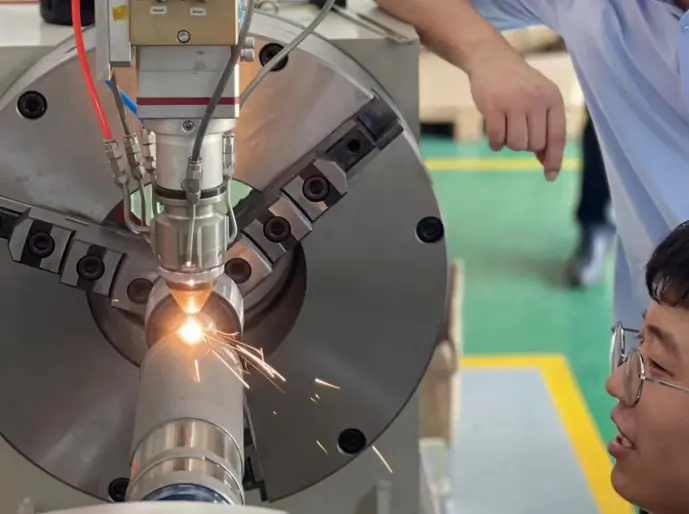
Our dedicated, independent Research and Development division is the driving force behind Duomu’s technological advancements. Focused on expanding the limits of surface engineering, our team develops, designs, and manufactures advanced Plasma Transferred Arc (PTA) systems and high-precision laser cladding equipment under one roof.
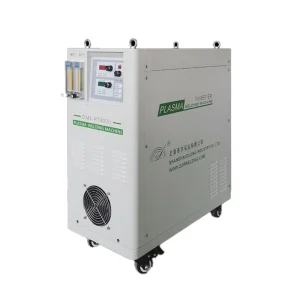
Our systems feature highly stable power source integrations, intelligent gas metering, and advanced process monitoring to ensure consistent performance during continuous industrial operations. For large-scale manufacturing and remanufacturing facilities, we supply complete automated systems that integrate advanced sensors, multi-axis motion controls, and specialized powder feeders to deliver robust, industrial-grade coatings.
Ensures consistent, pulse-free alloy delivery within ±0.5% tolerance levels for uniform cladding chemistry.
Monitors melt pool temperatures in real-time, dynamically adjusting beam intensity to prevent thermal deformation.
Supports seamless integration with 6-axis articulated arms and multi-axis positioners for cladding complex geometries.
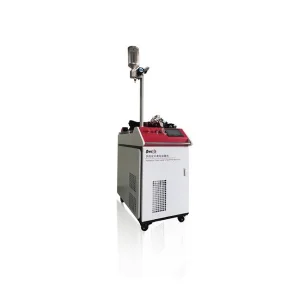
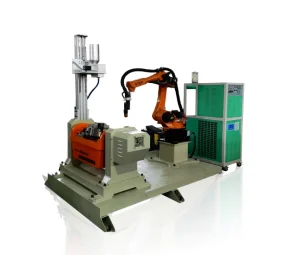
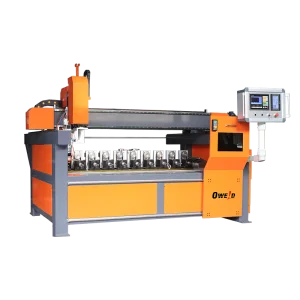
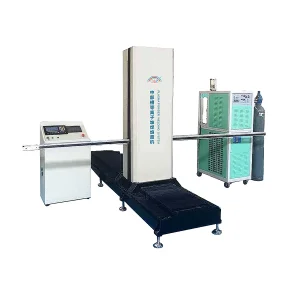
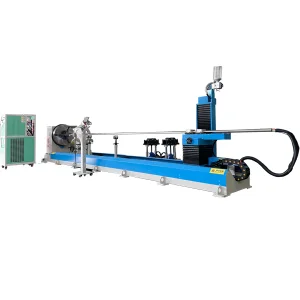
We provide standard and customized configurations, including high-speed laser cladding systems, automated PTA surfacing equipment, and robotic solutions tailored to specific industries.
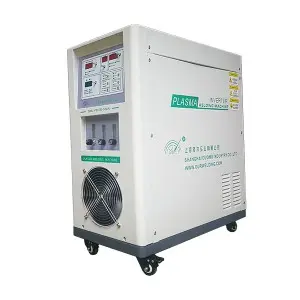
Designed for highly efficient wear-resistant surfacing of industrial valves and wear plates, offering reliable operation and low maintenance overheads.
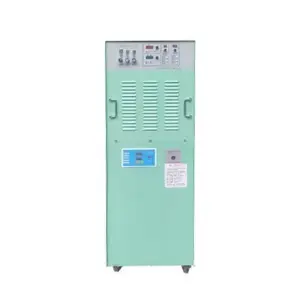
A versatile, dual-process hardfacing solution that supports multiple alloy powders for complex overlay applications on carbon steel bases.
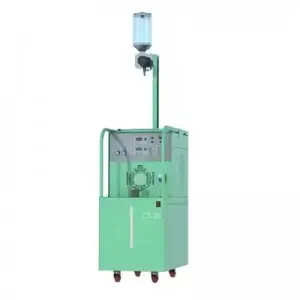
Features digital parameter management and advanced arc stabilization, making it ideal for high-duty cycle manufacturing environments.
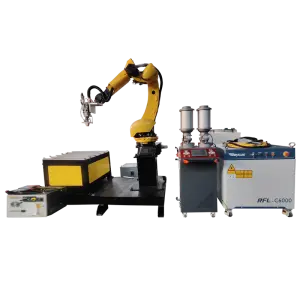
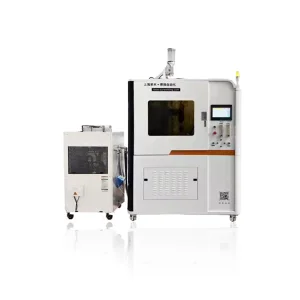
Engineered for high precision, this system delivers thin, dense, and crack-free overlays on aerospace turbine blades and generator components.
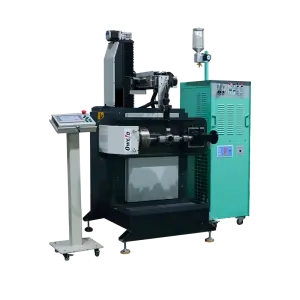
An automated overlay solution designed specifically for spherical components, ensuring uniform layer thickness and minimal heat distortion.
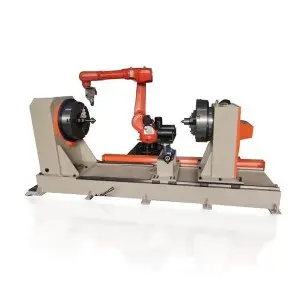
Utilizes dynamic laser scanning and robotic positioning to perform high-speed surface hardening on heavy-duty tools, gears, and dies.
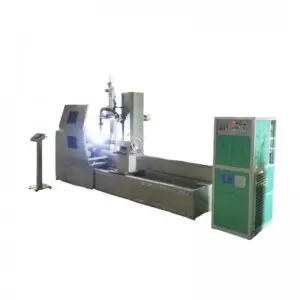
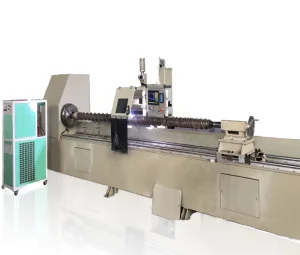
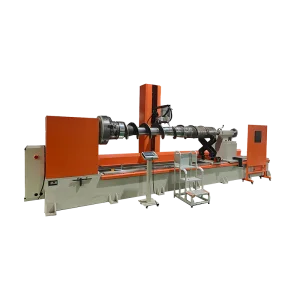
Designed for long-stroke components, this system provides uniform, low-dilution anti-corrosive overlays for marine and mining cylinders.
Read about field performance evaluations, metallurgical analysis, and design principles from our technical experts.
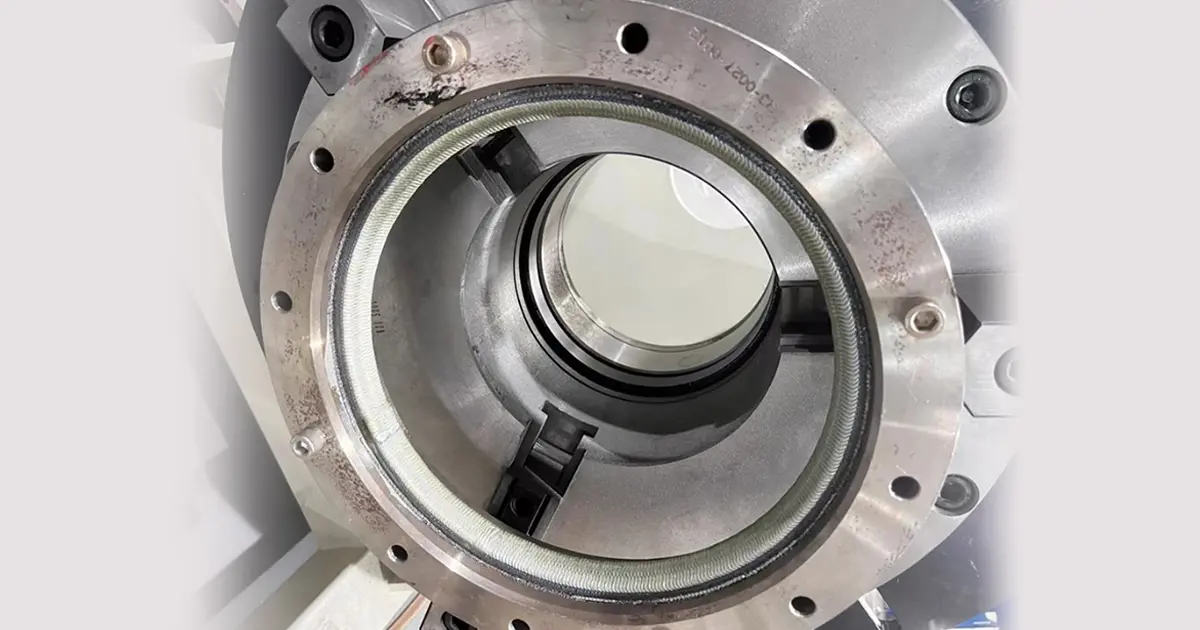
The PTA Welding Valve Application Guide is not just a process choice for valve manufacturers facing high wear, high corrosion, and high-temperature erosion working conditions, but also a key path to improving product competitiveness. As industries such as petrochemical, gas, and power generation push operating pressures higher, select cobalt-based and nickel-based superalloy overlays become absolute operational imperatives.
Read Technical Paper →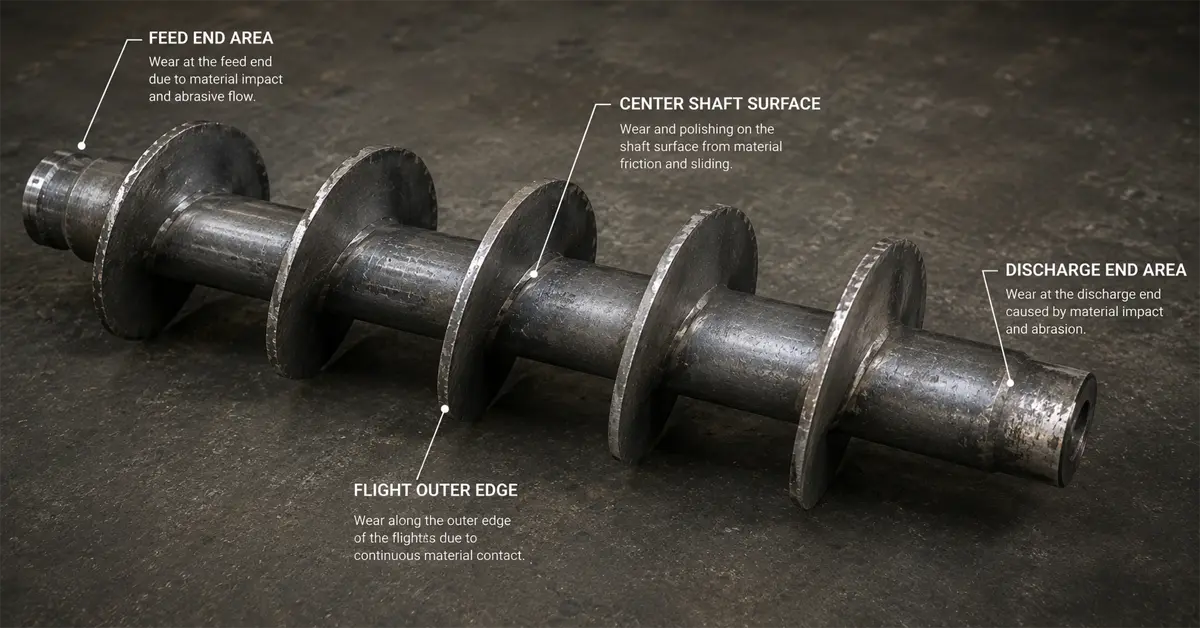
In industries such as mining, cement, power generation, steelmaking, chemical processing, and biomass energy, screw conveyors are often regarded as auxiliary equipment. However, maintenance data shows that they are among the most frequent causes of unplanned production delays. Implementing high-alloy overlay protections helps prevent critical abrasive failures on screw flights.
Read Technical Paper →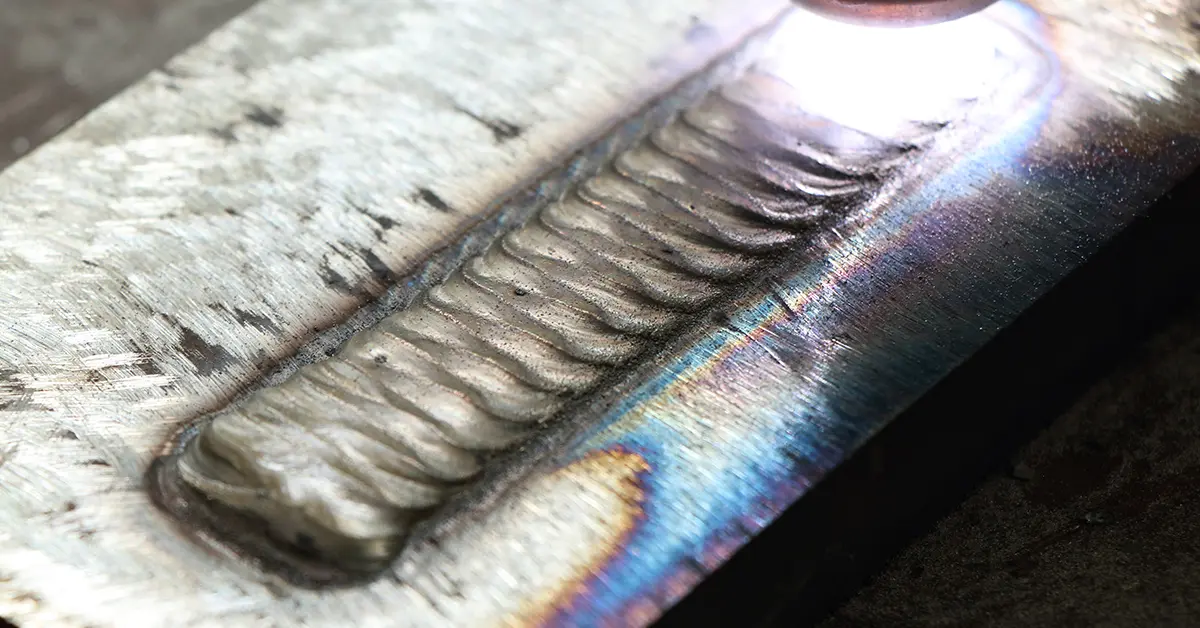
In Plasma Transferred Arc (PTA) hardfacing, achieving a high-quality overlay is not only about selecting the right alloy powder or optimizing welding parameters. One of the most critical factors that directly affects overlay performance is the dilution rate. Minimizing the mixing of base metals into the deposition zone is essential to preserve the properties of the wear-resistant overlay.
Read Technical Paper →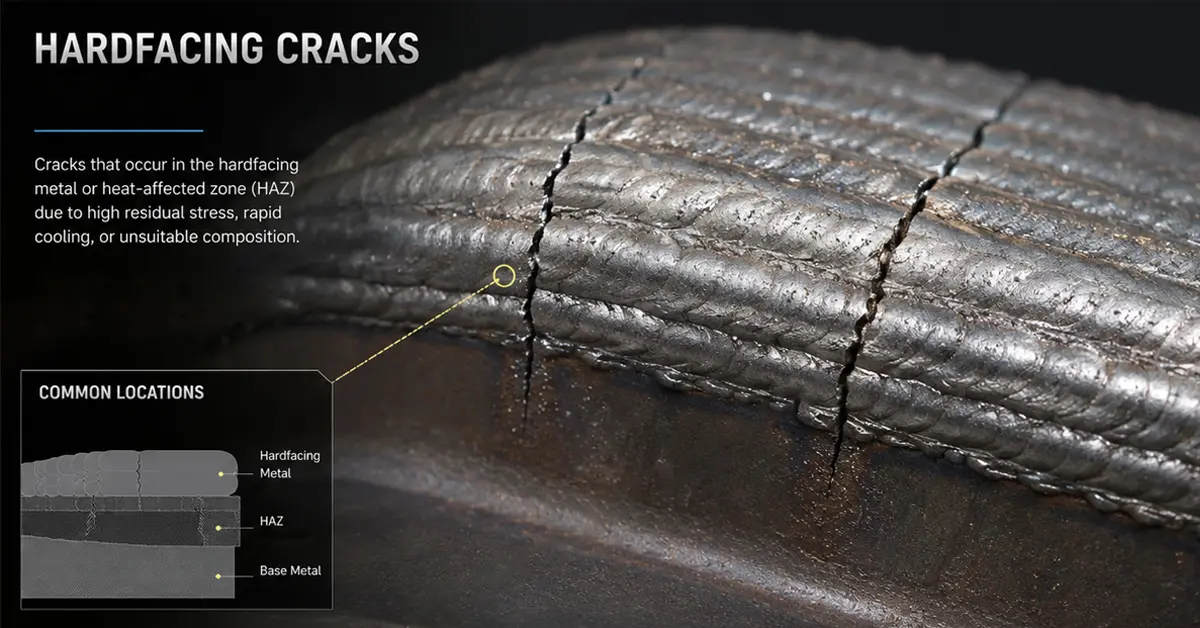
In industries such as Oil & Gas, Mining, Power Generation, Cement, and Heavy Equipment Manufacturing, hardfacing is no longer just a repair process. It has become a critical technology directly related to equipment lifespan, downtime costs, maintenance frequency, and raw material efficiency, enabling factories to operate closer to theoretical design limits.
Read Technical Paper →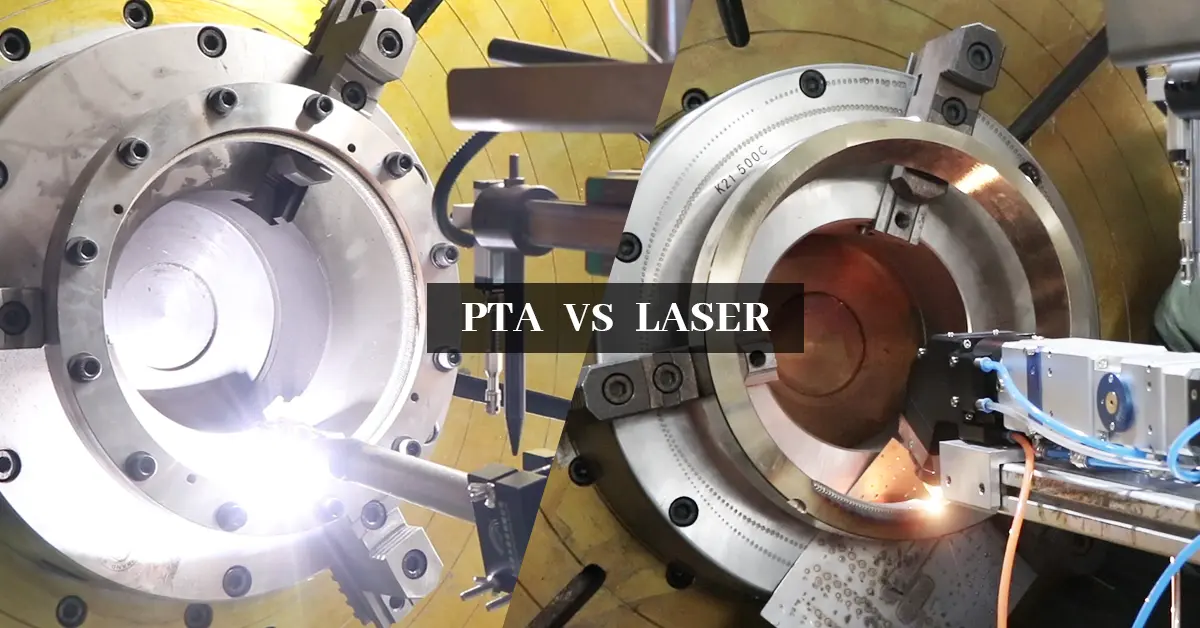
In industries such as oil & gas, petrochemical, power generation, mining, and marine engineering, industrial valves are constantly exposed to severe operating conditions including: High pressure, extreme temperatures, corrosive media, abrasive wear, sand erosion, and cavitation, necessitating engineered surface cladding to prevent rapid degradation.
Read Technical Paper →Innovative directions in digital manufacturing, closed-loop processing, and alloy design.
Traditional laser cladding melts both the base substrate and the powder particles simultaneously. Our research into Extreme High-Speed Laser Cladding (EHLA) focuses on melting the alloy powder *before* it contacts the substrate. This minimizes dilution rates, reduces heat input, and enables high-speed processing of large cylindrical shafts, making it a viable alternative to hard chrome plating.
Integrating artificial intelligence into robotic cladding paths allows our systems to adjust toolpaths based on real-time surface variations. Utilizing optical coordinate scanners and automated trajectory planners, the cladding head adjusts its positioning to ensure uniform layer thickness across complex geometry profiles, reducing the need for post-process machining.
By refining spherical alloy powders—such as chromium-carbide dispersions and nickel-based matrices—our materials team produces surfaces with improved flow properties and reduced porosity. These microstructures are optimized for high-temperature wear and corrosion resistance in marine and chemical processing environments.
Expert metallurgical advice on dilution control, process differences, and equipment configuration.
PTA uses a high-density plasma arc to melt both the powder and the substrate, delivering high deposition rates (often over 5 kg/hr) and deep metallurgical bonds, making it suitable for thick wear plates and heavy valves. Laser Cladding utilizes a focused laser beam, which minimizes thermal input, reduces the heat-affected zone (HAZ), and achieves very low dilution rates (under 5%), making it ideal for thin, high-precision overlays.
Dilution refers to the blending of the base substrate metal into the deposited cladding layer. If dilution is too high, the wear-resistant alloys are diluted by the iron in the substrate, reducing the cladding's hardness and corrosion resistance. Controlling parameter settings, arc speed, and heat input is essential to keep dilution within optimal limits.
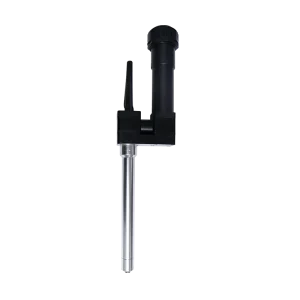
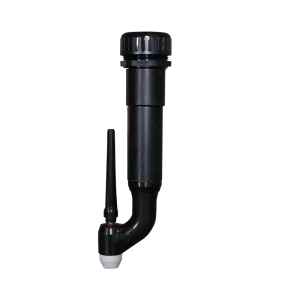
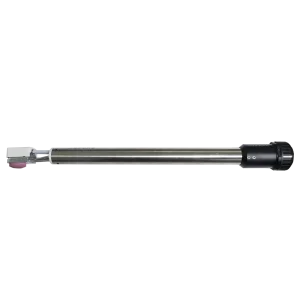
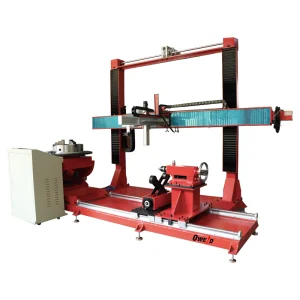
Yes. By combining multi-axis robotic positioners with specialized welding torches, such as deep hole torches and double-column systems, our equipment can deposit uniform overlays on complex surfaces, internal cylinders, and variable-pitch screw shafts.
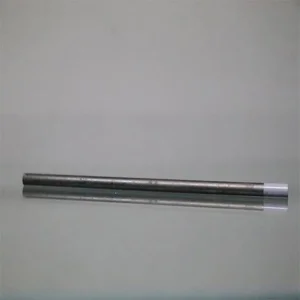
Common feedstocks include cobalt-based alloys (Stellite series) for hot corrosion and thermal wear, nickel-based self-fluxing alloys for corrosive environments, and iron-based alloys for cost-effective abrasion resistance. Tungsten carbides (WC) are also commonly added to nickel matrices to provide extreme wear protection in heavy abrasive environments.







For inquiries about our products, system integration possibilities, or custom pricing estimates, get in touch with our engineering support team. We will respond within 24 hours.
Heavy-duty solutions built for high-wear environments, metallurgy, and automated manufacturing.
 Duomu
Duomu